
Altaussee — History & Facts
Did the painter know this moment would outlive them? In Altaussee, the painted landscape invites viewers to contemplate the transient beauty of nature, forever captured yet always changing. Look to the left at the tranquil lake, mirroring the majestic peaks that rise steeply from the water’s edge. The gentle brushstrokes create a soft texture, while the cool blues and greens harmonize with warm highlights where sunlight kisses the surface. Notice how the clouds drift lazily across the sky, their reflections dancing in the lake, suggesting a fleeting passage of time as they shift from stormy greys to luminous whites. The tension between permanence and impermanence is palpable in the scene.
The serene water, a stable element, contrasts with the dynamic sky, symbolizing the relentless march of time that alters our surroundings. Each element seems to hold a narrative, evoking introspection about how moments are experienced and remembered, imbuing the landscape with a sense of nostalgia and longing. Tina Blau painted Altaussee during a time when impressionism was making waves in the art world, around the late 19th to early 20th century. Living in Vienna, she embraced the vibrant landscapes of her homeland, championing nature and light.
Her work reflected the shifting perspectives of modern art while embodying a commitment to capturing the essence of the natural world, a task she undertook with both passion and precision in this evocative piece.
More Artworks by Tina Blau
Browse all →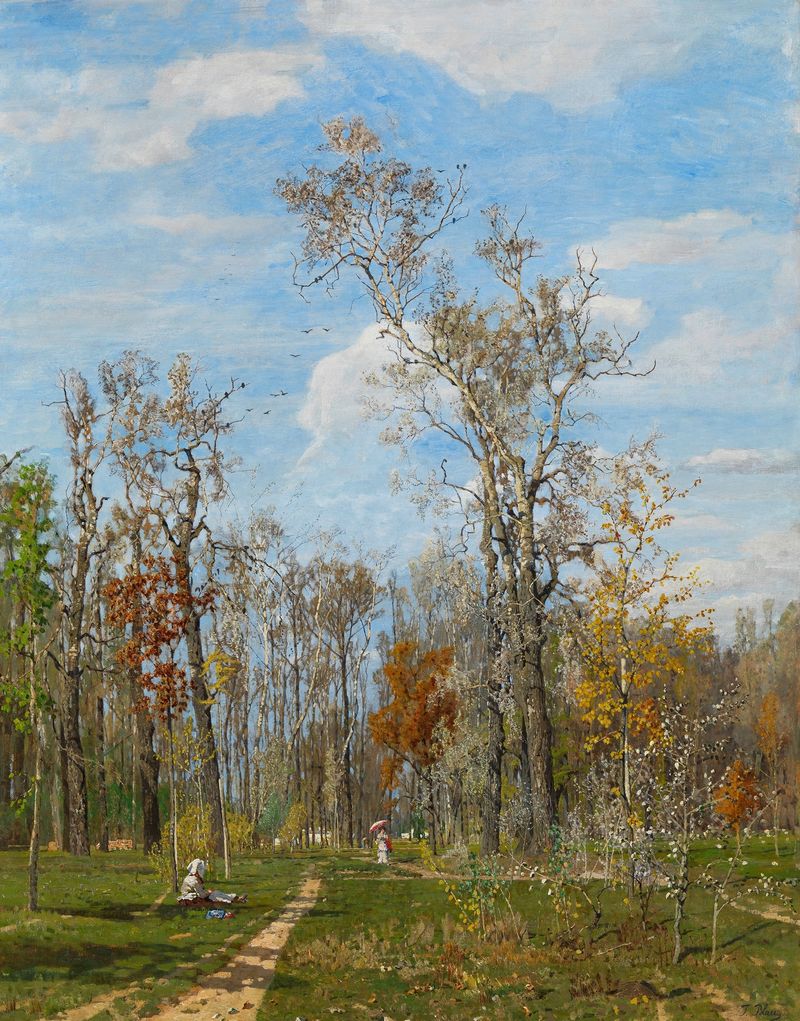
In der Krieau (Praterpartie im Frühling)
Tina Blau
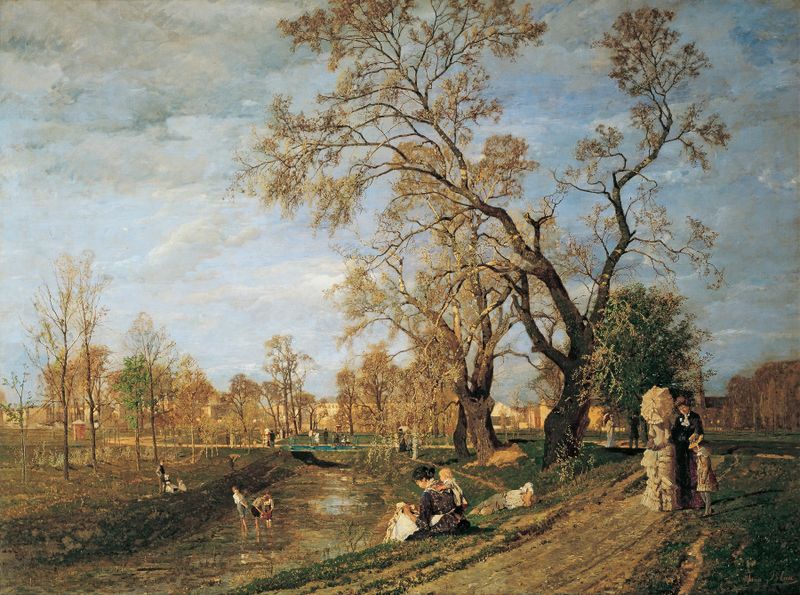
Frühling im Prater
Tina Blau
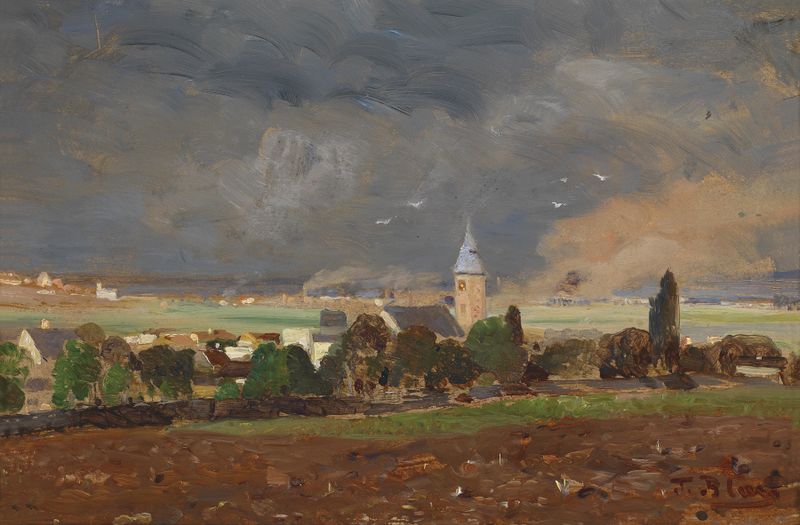
Dorflandschaft vor dem Unwetter
Tina Blau
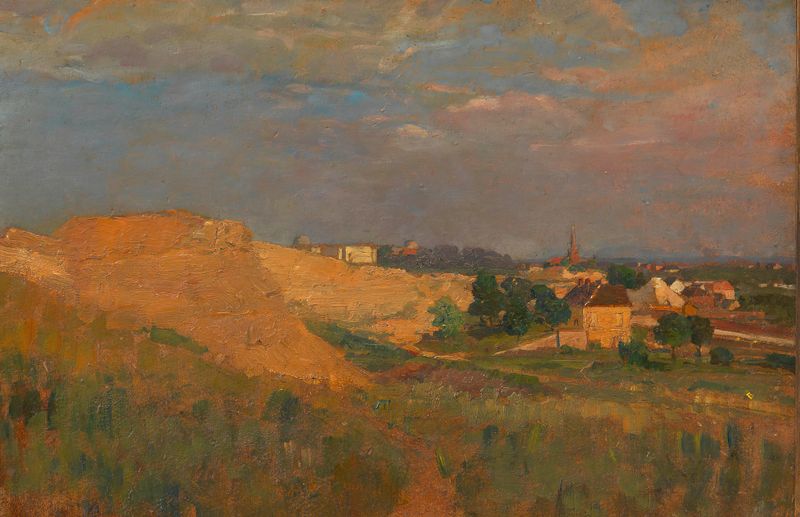
Blick auf Wien von der Türkenschanze
Tina Blau

Im Prater bei der Rotunde
Tina Blau

Malcesine
Tina Blau
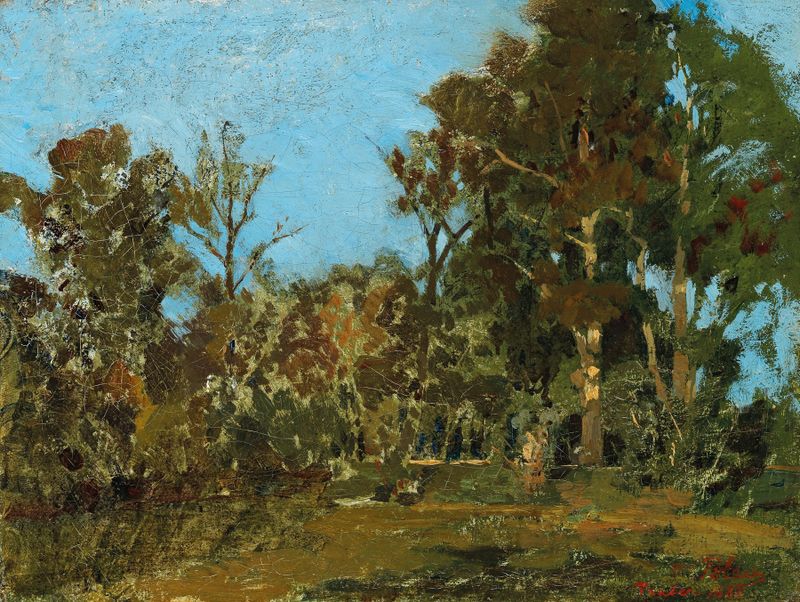
Prater Landscape
Tina Blau
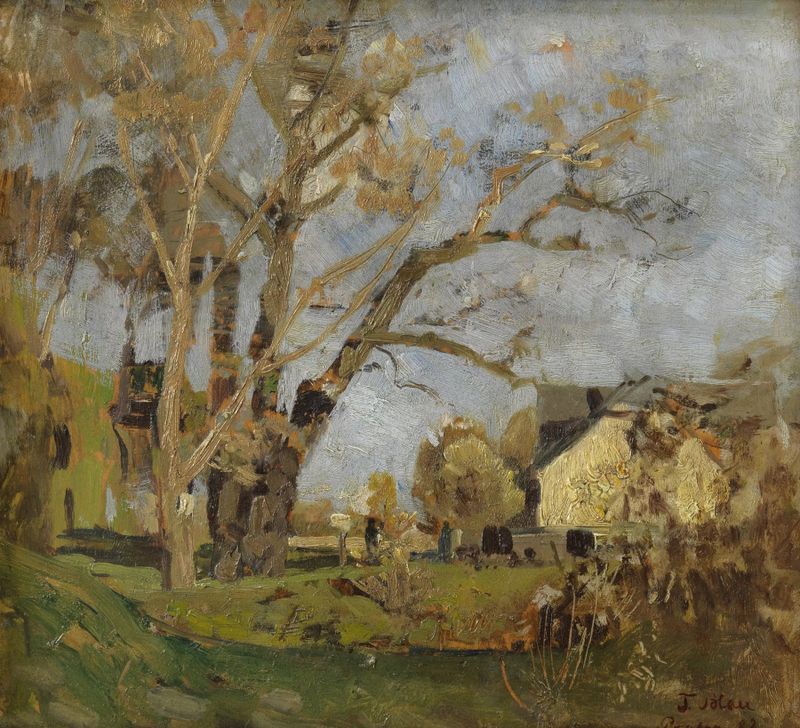
Meierei im Prater
Tina Blau

A Scene in Mannswörth on the Danube
Tina Blau
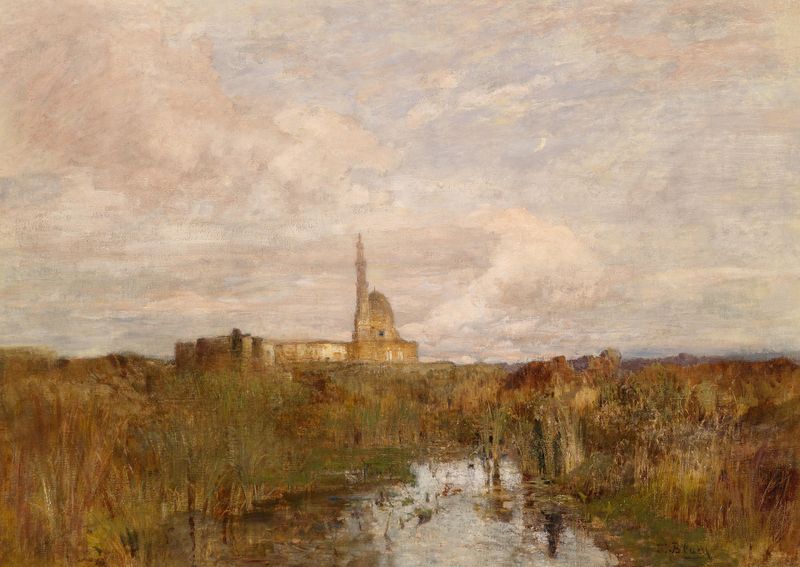
Ägyptischer Palast Weltausstellung 1873 Wien
Tina Blau





