
Alte Gasse Wachau — History & Facts
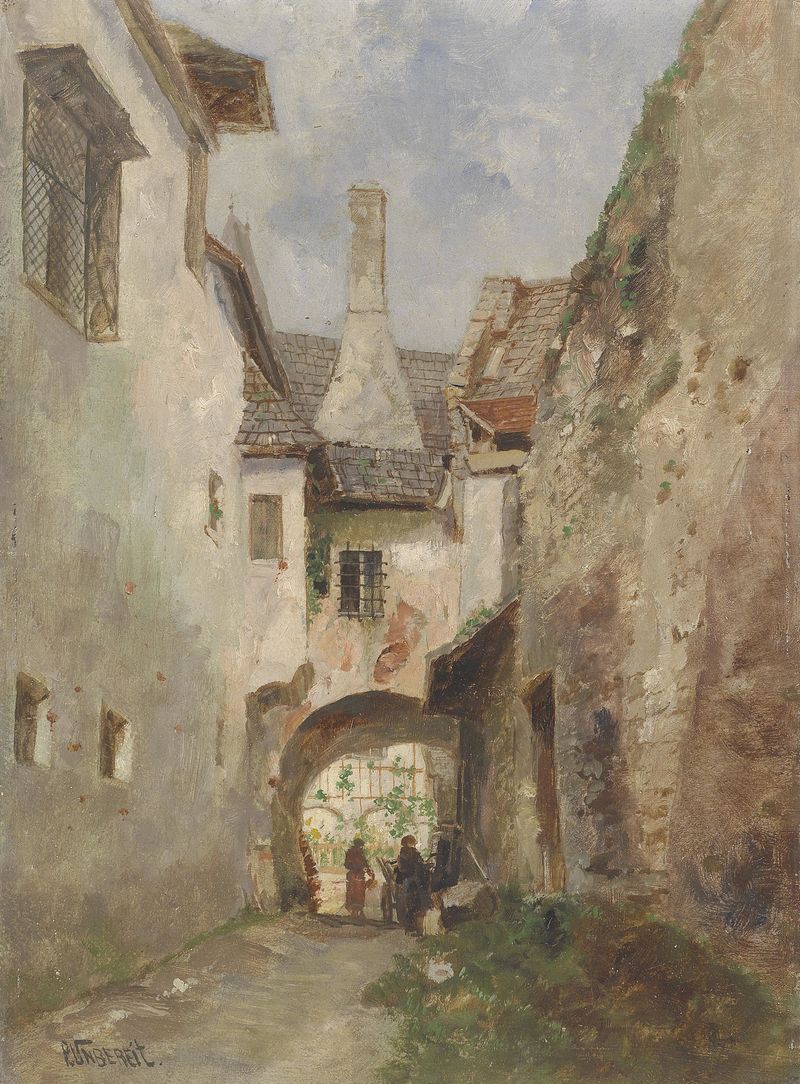
In the stillness of Alte Gasse Wachau, the unspoken stories of shadows and light echo with the weight of unvoiced violence. The viewer is drawn into this haunting interplay, where the absence of sound transforms into a palpable tension, lingering in the air like an unresolved argument. Look to the center of the canvas, where narrow cobblestone streets unfurl beneath muted hues of ochre and grey. Notice how the light filters through the aged buildings, casting long, distorted shadows that seem to reach out like fingers grasping for lost time.
The composition is both intimate and expansive, inviting the viewer to wander through the alleys while feeling the suffocating embrace of history. The brushwork is delicate yet assertive, revealing the artist's meticulous technique, which captures the essence of a place steeped in quiet despair. Beneath the serene facade lies a deeper narrative of conflict and repression. The interplay of light and shadow symbolizes the struggle between hope and hopelessness in a town that has seen both beauty and brutality.
Small details—a cracked window, a weathered door—speak to the weight of unresolved pain, crafting a dialogue that hints at stories of violence lurking just beneath the surface of daily life. Each element in the scene adds to the silent confession of lives intertwined with suffering. Paul Unbereit painted this work during a time when Europe was grappling with the aftermath of wars and the impact of societal unrest. The exact date of creation remains unknown, but the themes of struggle and resilience resonate deeply with his experiences and the tumultuous world around him.
In a period marked by shifting artistic expressions, he sought to capture the emotional landscape of place, inviting viewers to confront the shadows that linger in the corners of history.
More Artworks by Paul Unbereit
Browse all →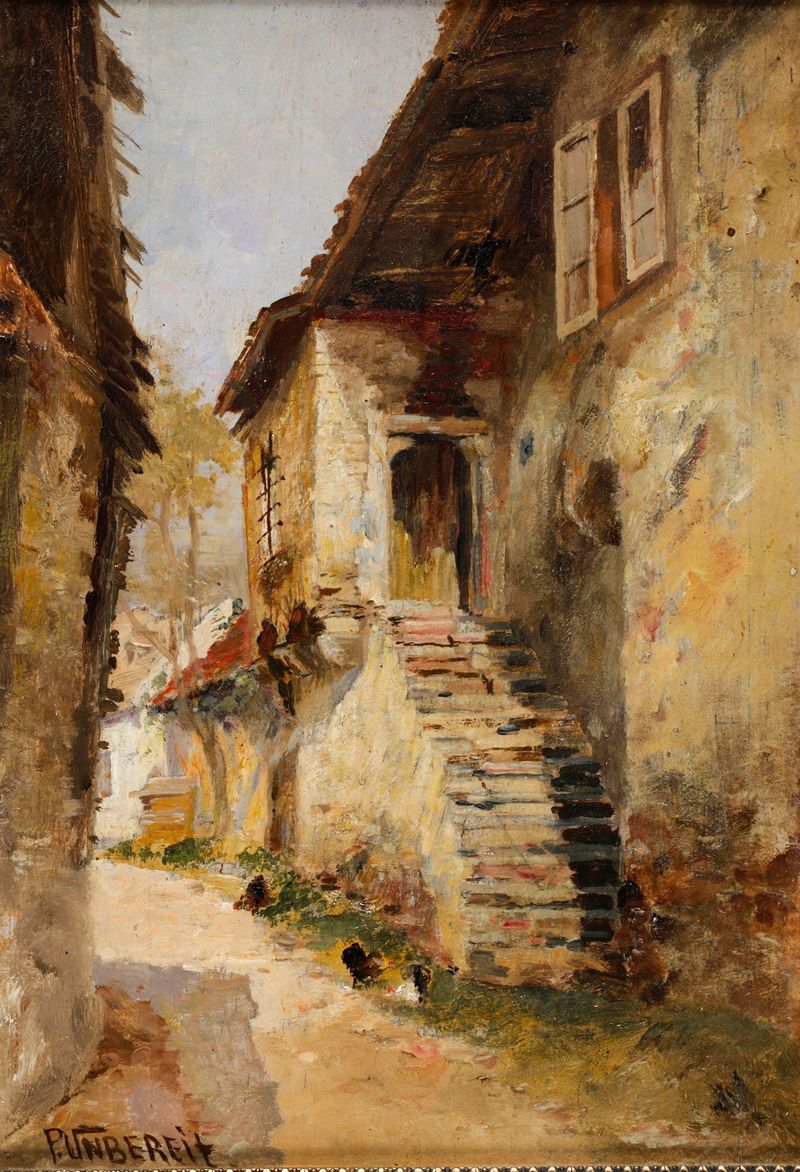
Motiv aus Spitz an der Donau
Paul Unbereit
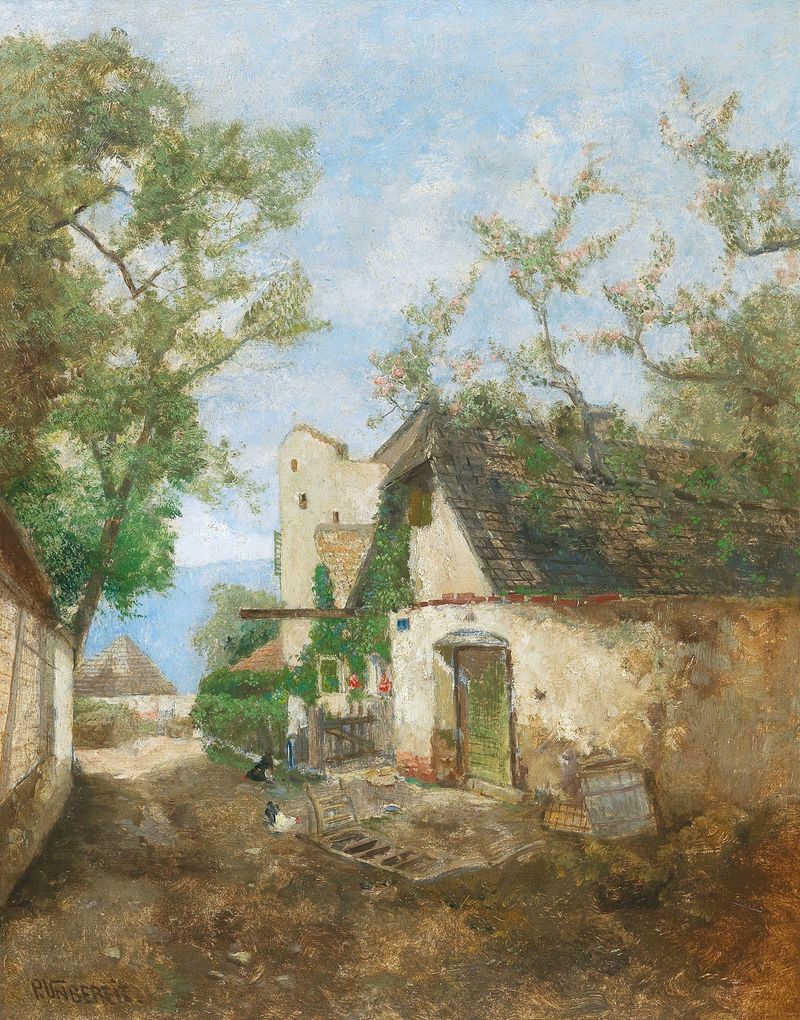
Motiv aus Dürnstein, Wachau
Paul Unbereit

In the Wachau region
Paul Unbereit
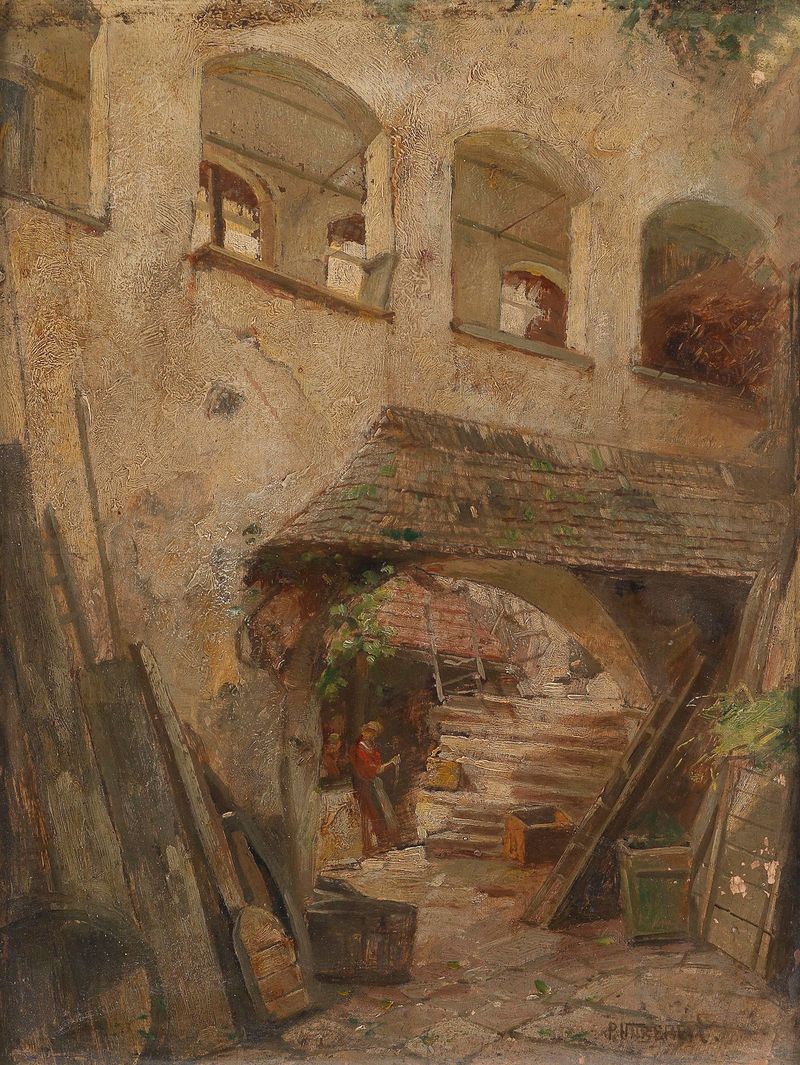
Blick in einen Innenhof in der Wachau
Paul Unbereit

Wachau, Scene of Weissenkirchen on the Danube
Paul Unbereit
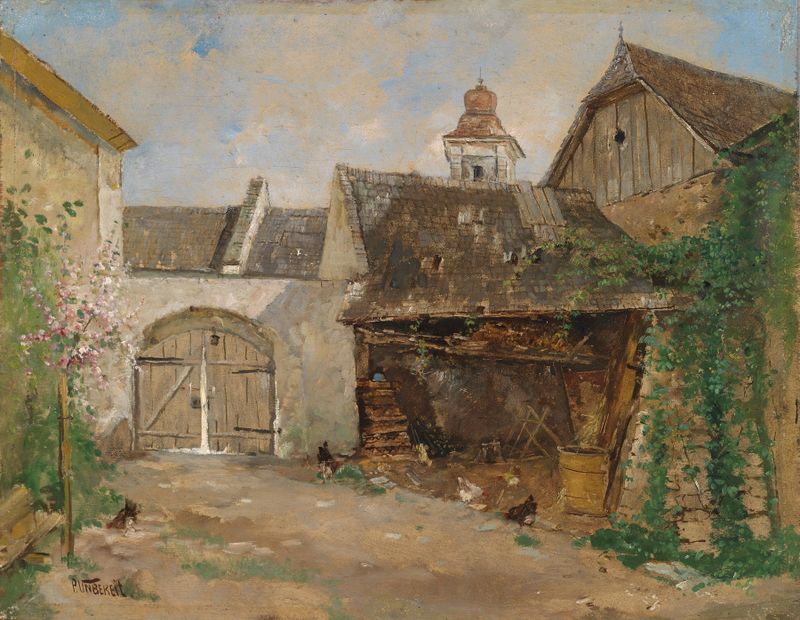
Innenhof in der Wachau
Paul Unbereit
Gehöft in Spitz
Paul Unbereit

Romantischer Innenhof in der Wachau
Paul Unbereit

Wiener Innenhof
Paul Unbereit
Gasse in der Wachau
Paul Unbereit





