
Altorf — History & Facts
Can paint confess what words never could? In the depths of Altorf, the brush transforms silence into a visual echo, urging us to listen closely to its unspoken stories. Focus first on the reflective surface of the water, where the soft hues of the sky mingle gracefully with the surrounding landscape. The gentle strokes create a serene ambiance, inviting you to explore the interplay of light and shadow that dances across the canvas. Notice how the colors shift from vibrant blues to muted grays, creating an emotional depth that compels contemplation.
The composition is layered yet harmonious, guiding your gaze across the serene village scene cradled within nature. Delve deeper, and you will discover the emotional contrasts within the tranquility of the image. The stillness of the water, so inviting, juxtaposes the subtle hints of tension in the overcast sky, as if the scene holds its breath before an impending storm. The quiet presence of the buildings — sturdy, yet almost ghostly — suggests stories of lives lived while hinting at the weight of history nestled in the shadows.
This duality invites viewers to ponder the deeper significance of reflection, both in nature and within ourselves. David Alois Schmid created Altorf during a tumultuous period, between 1915 and 1945, as Europe was grappling with the aftermath of World War I and the onset of World War II. Living in a time of social upheaval and artistic experimentation, Schmid sought to capture the essence of a world transformed by conflict. This painting reflects not just a physical landscape but also the emotional landscape of a society in search of solace amidst chaos.
More Artworks by David Alois Schmid
Browse all →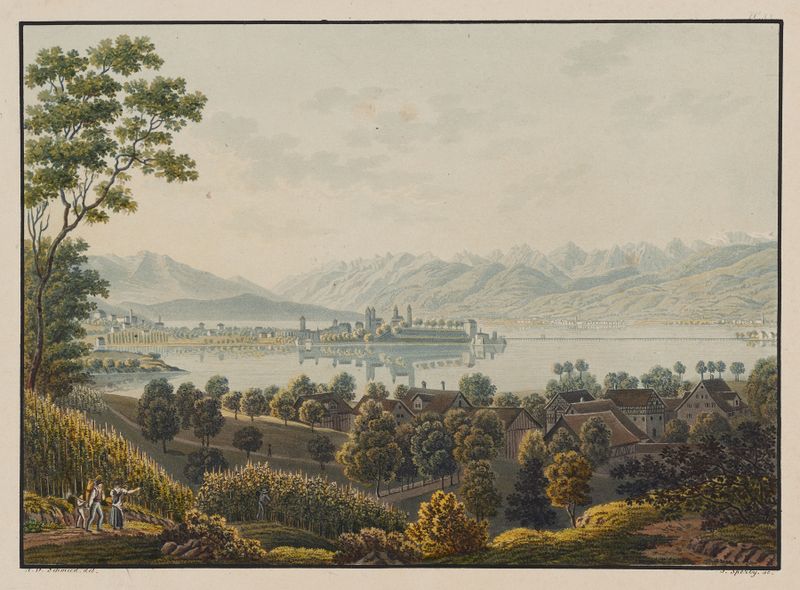
Vue de Rapperschwyl vers Lachen lac de Zurich
David Alois Schmid
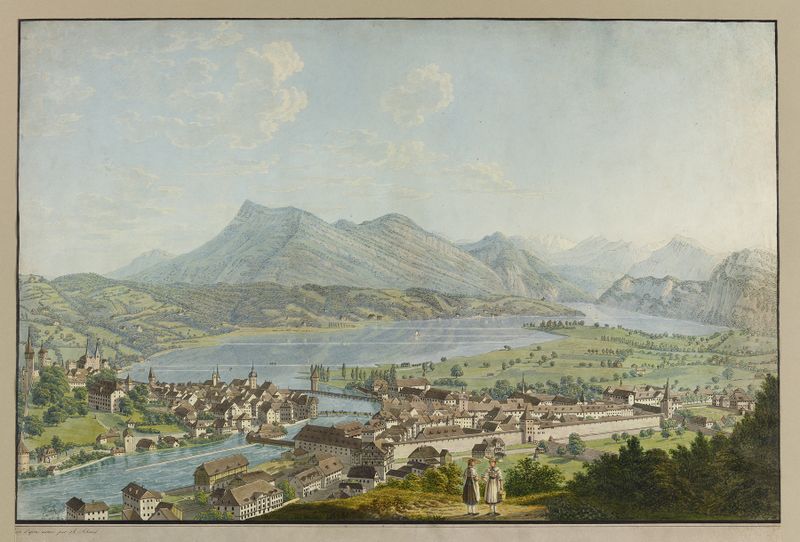
Luzern, von Westen
David Alois Schmid
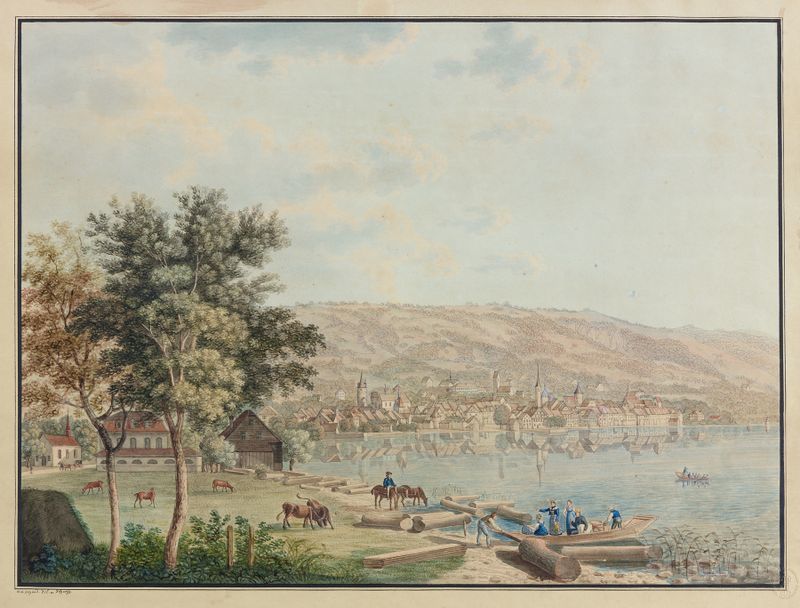
Ansicht der Stadt Zug und des Zugersees
David Alois Schmid
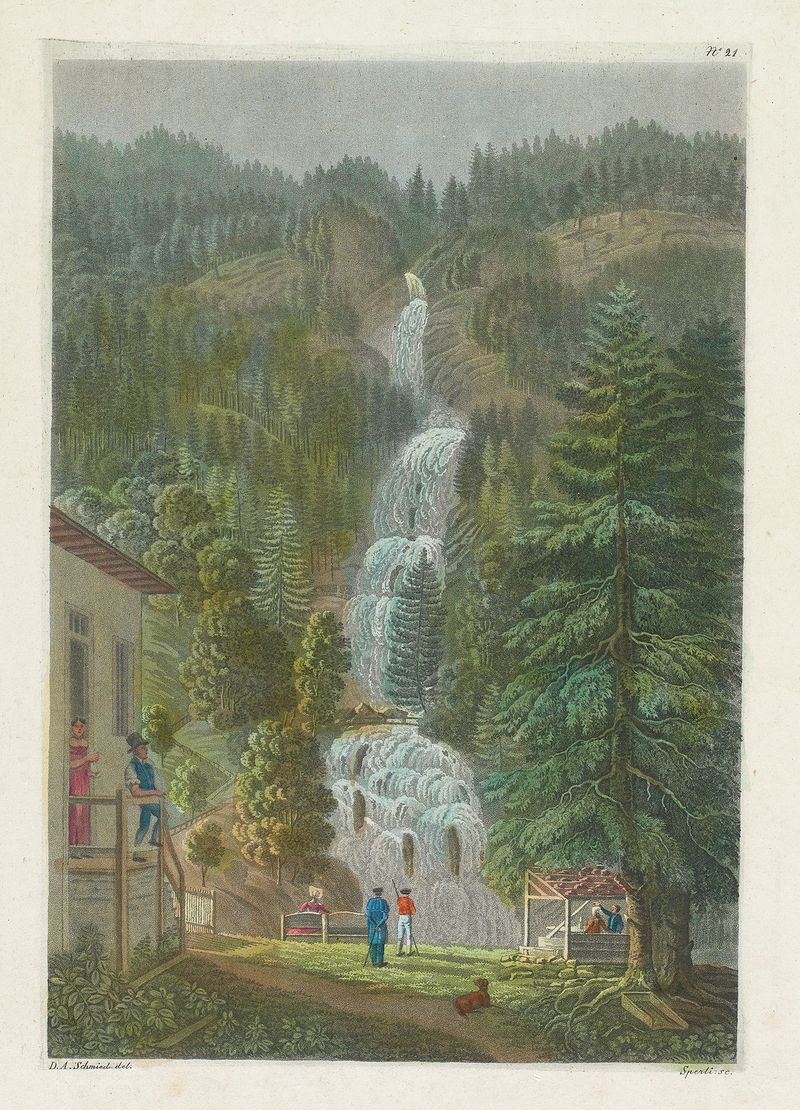
La Cascade du Giessbach
David Alois Schmid
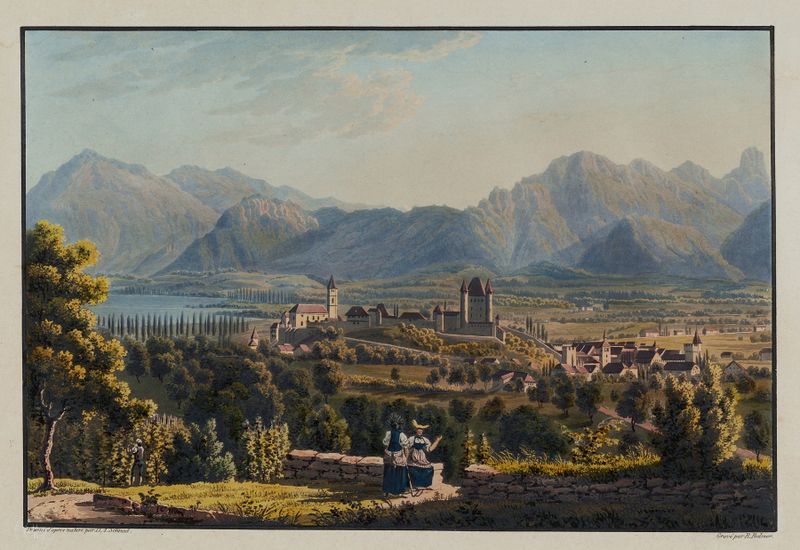
Thoun vers le Niesen et le Stokhorn
David Alois Schmid
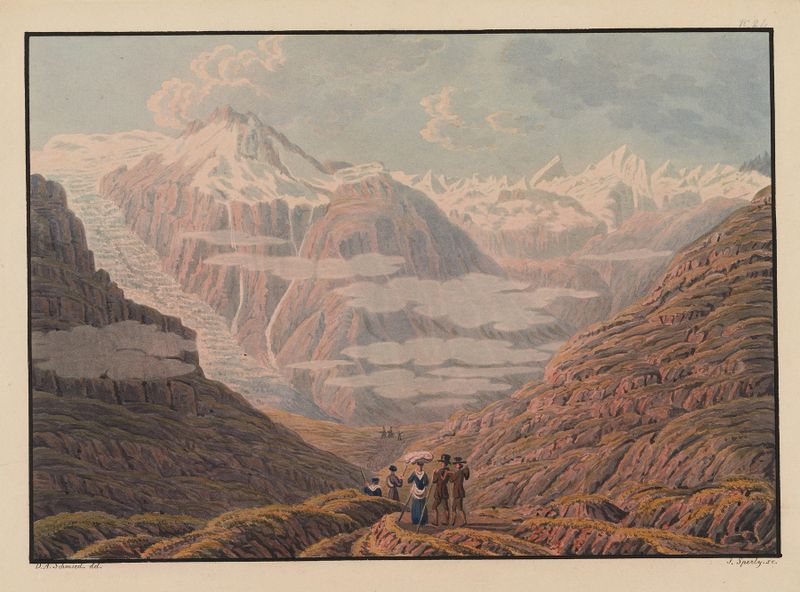
Vue prise au passage de la Furka Cant. d’Ury
David Alois Schmid
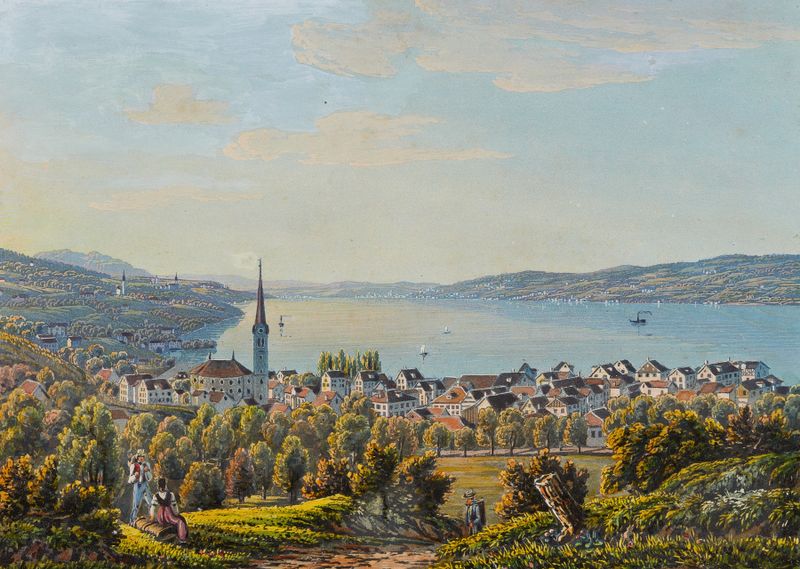
Vue de Horgen lac de Zurich
David Alois Schmid
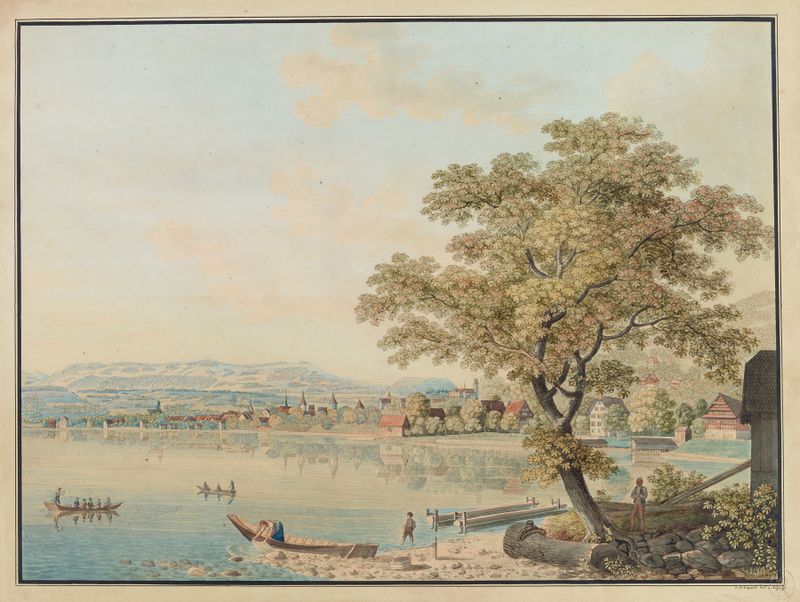
Zug, Ortsteilansicht
David Alois Schmid
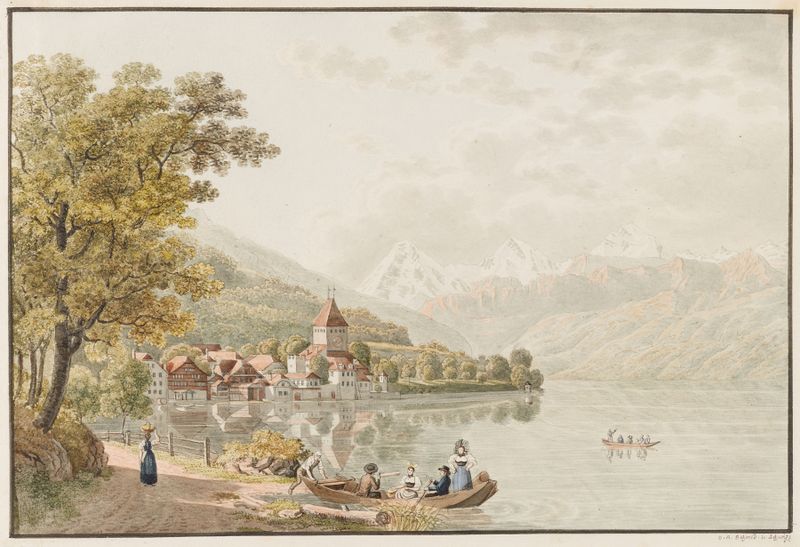
Ansicht Oberhofens am Thunersee
David Alois Schmid
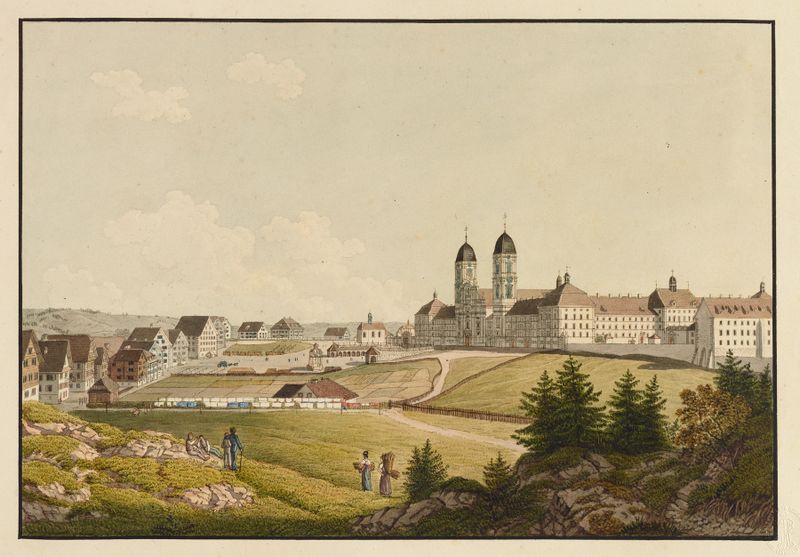
Das Kloster Einsiedeln im Canton Schwyz
David Alois Schmid





