Am Schluss des Treibens — History & Facts
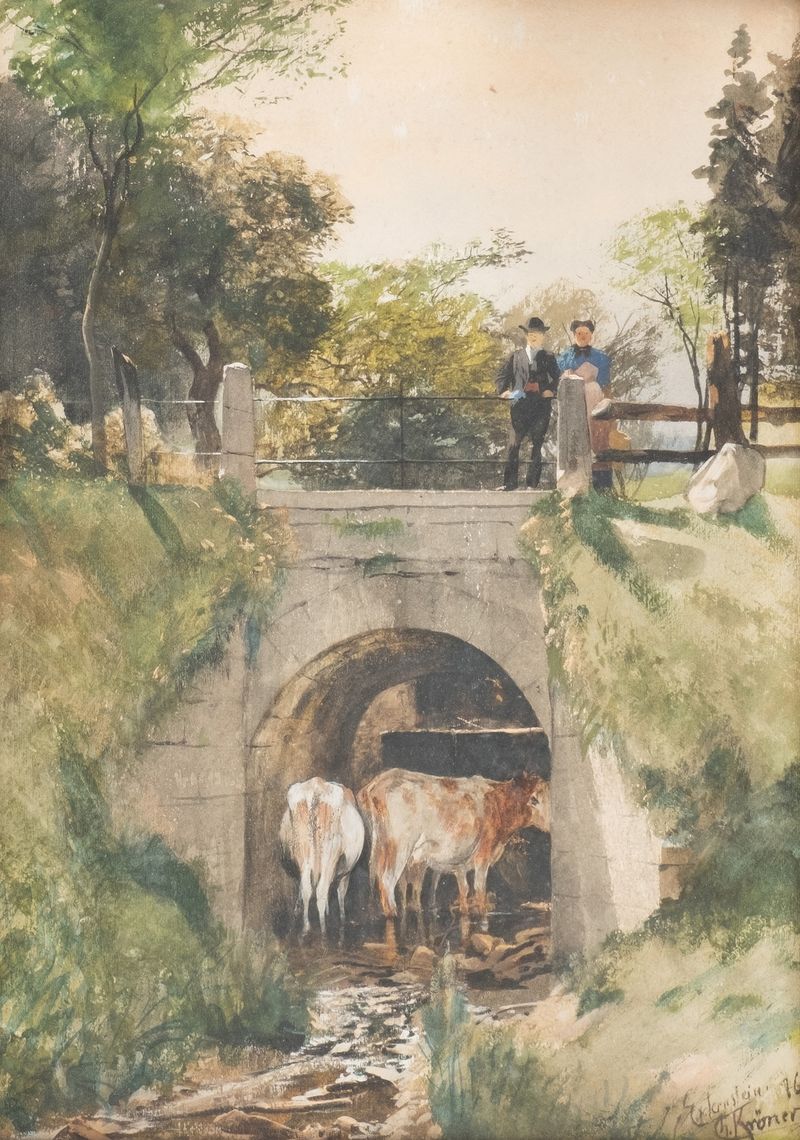
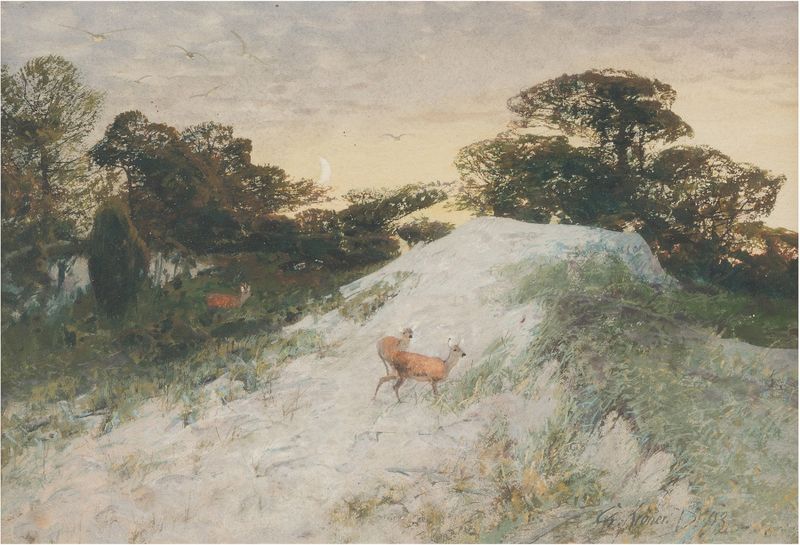
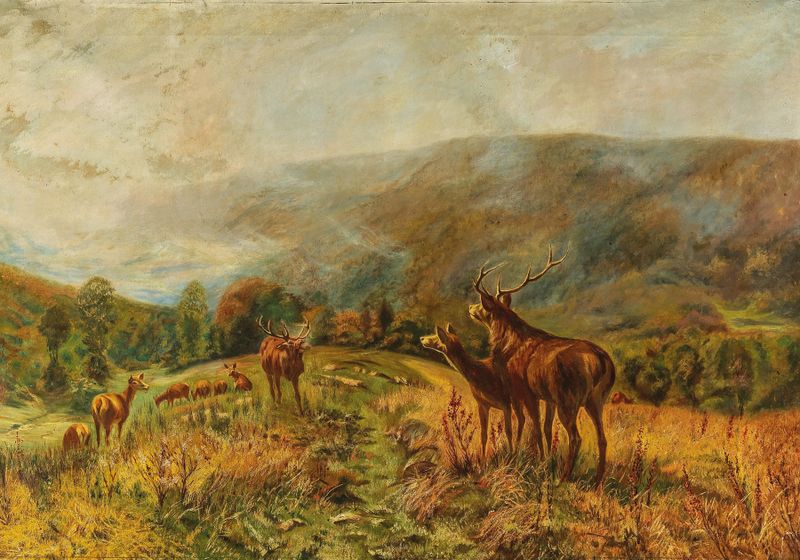
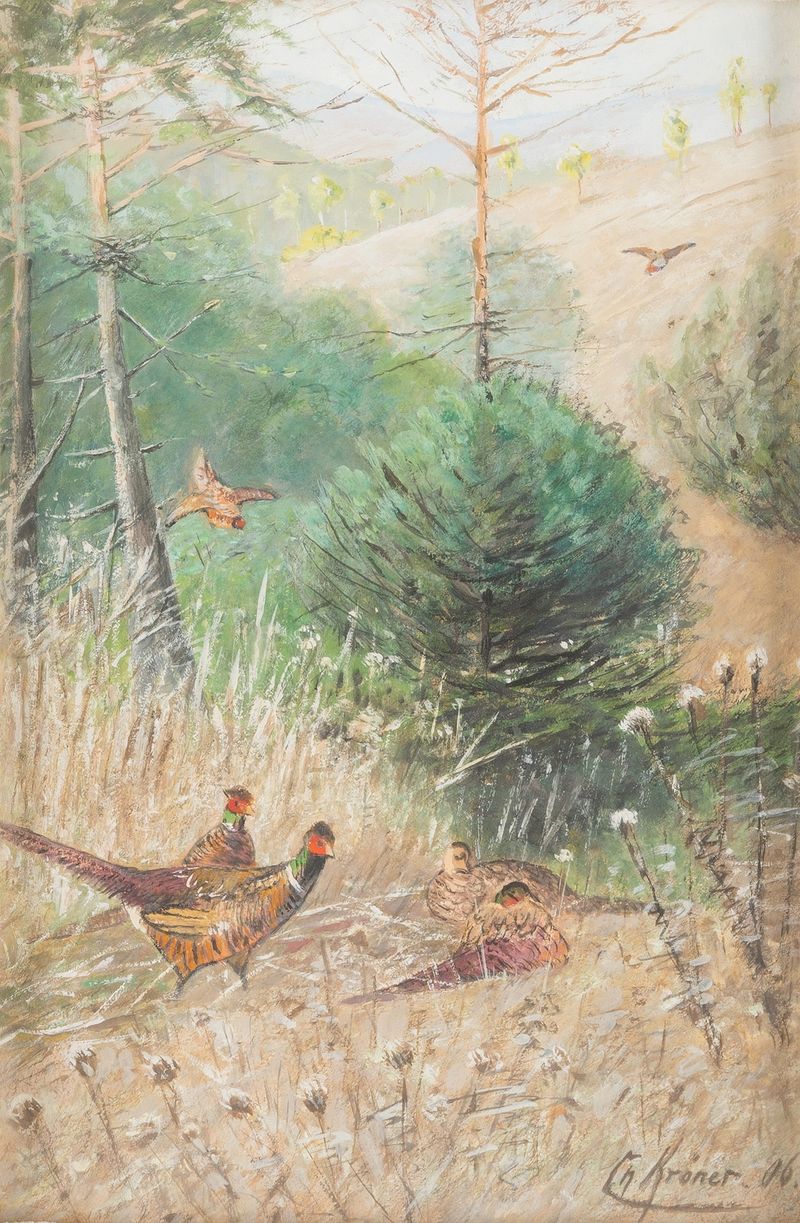
Time hangs heavily in the air, echoing the unspoken stories of those who have come before. In the stillness of the moment, a sense of melancholy and introspection envelops the viewer, inviting contemplation of the past and its lingering effects on the present. Look to the center of the canvas, where light delicately dances over the shapes and textures, illuminating the figures that inhabit this serene yet poignant tableau. The muted palette of earth tones creates a harmonious blend that evokes a sense of nostalgia, while the gentle brushstrokes convey both movement and quietude.
Notice how the shadows stretch and recede, giving the impression of time slipping away, each passage a reminder of both presence and absence. As you delve deeper, consider the contrasts that unfold: the juxtaposition of light and shadow, the tension between stillness and motion, and the interplay of hope against despair. Each figure appears lost in thought, their postures revealing a profound connection to their surroundings and each other, yet also an isolation that speaks volumes. The painting encapsulates the transient nature of human experience, suggesting that while moments may fade, their echoes persist—forever captured in silence. Created in 1898, this work emerged during a period of significant change in the art world, characterized by a shift towards modernism and a focus on individual emotion.
The artist navigated a landscape marked by industrialization and societal upheaval, influencing his explorations of time and memory. Am Schluss des Treibens stands as a testament to both personal reflection and the broader cultural currents that shaped his creative vision.