Rotwildrudel — History & Facts
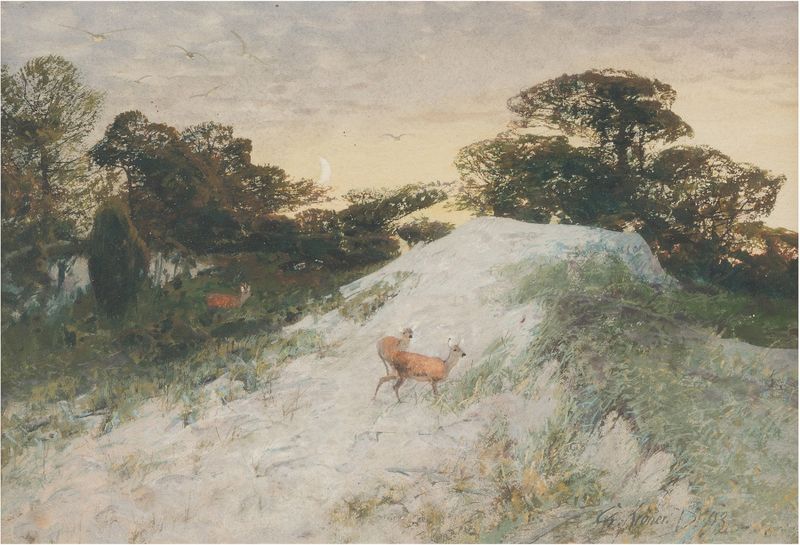
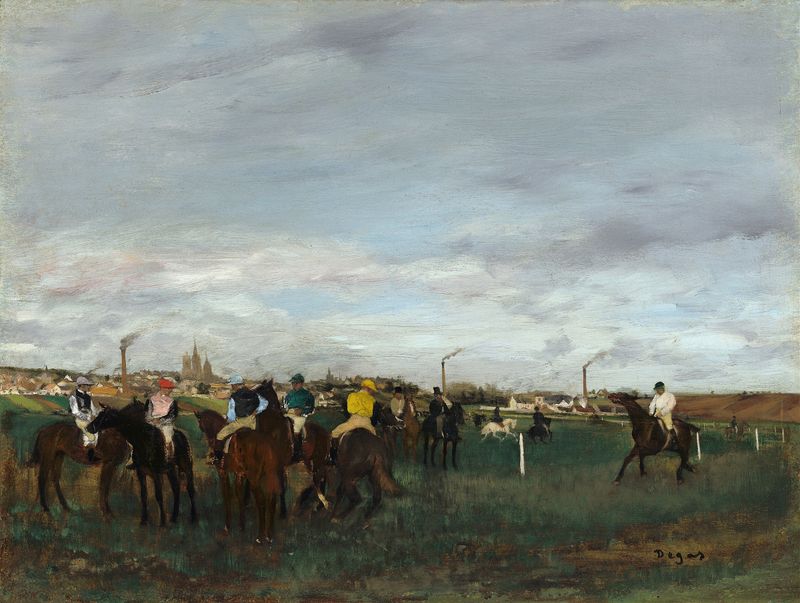
In the stillness of an awakening moment, the viewer is drawn into a world that speaks through the absence of sound, where each subtle whisper of nature tells a story waiting to unfold. Focus on the central figures in Rotwildrudel, where a group of deer stands poised in serene elegance. Their graceful forms are rendered with a delicate touch, accentuated by the soft palette of earthy tones. Notice how the brushwork creates a sense of movement in the underbrush, suggesting a gentle rustle of leaves stirred by an unseen breeze.
The light filters through the treetops, casting a dappled pattern that dances across their sleek coats, inviting you to linger on the details of their expressive eyes, which seem to hold the wisdom of the forest. Yet, beneath this tranquil surface lies a tension between vulnerability and instinct. The deer, embodiments of grace, are also symbols of survival, poised between the tranquility of their surroundings and the lurking threat of the unknown. The interplay of light and shadow mirrors this duality, evoking a sense of impending revelation.
Each animal’s presence contributes to a collective consciousness, a reminder of the interconnectedness of life and the delicate balance of nature. Christian Kröner painted Rotwildrudel at a time when he sought to capture the essence of wildlife in an age of increasing urbanization. The exact date remains uncertain, but his work reflects a deep respect for nature and a desire to awaken awareness in viewers about the fragility of these moments. In an evolving art world, Kröner emerged with a focus on ecological themes, rendering these beautiful creatures as both subject and metaphor for broader environmental concerns.