
Amsterdam Skating Scene — History & Facts
The fleeting nature of joy can often mask the sorrow beneath, a sentiment beautifully encapsulated in the artistry of the 19th century. To truly appreciate this work, look first at the skaters gracefully gliding across the frozen canal, their movements elegantly choreographed against a backdrop of somber sky. Notice how the light catches the edges of their forms, casting elongated shadows that stretch across the ice, hinting at both motion and stillness. The muted palette of blues and grays evokes a chill in the air, while warm tones in the skaters' clothing create a striking contrast that draws the eye, inviting you into their world of fleeting pleasure. As you delve deeper, consider the juxtaposition of joy and melancholy woven into the scene.
The joyful faces of the skaters suggest an exuberance that belies the bitter cold, while the distant, shadowy figures lining the bank symbolize the passage of time and unfulfilled desires. Each brushstroke carries the weight of nostalgia, evoking the duality of happiness intertwined with sadness – a reminder that these moments, though vibrant, are transient. Created in 1848, this painting emerged during a tumultuous period in Europe, marked by revolutions and social upheaval. Sørensen, working in Amsterdam, was influenced by the romantic ideals of his time, aiming to capture not just a moment but also the emotional complexities of life.
As the art world was shifting, he found a unique way to blend realism with emotion, leaving behind a poignant reflection that resonates even today.
More Artworks by Carl Frederik Sørensen
Browse all →
Svenske Kongens Besøg paa Kronborg
Carl Frederik Sørensen
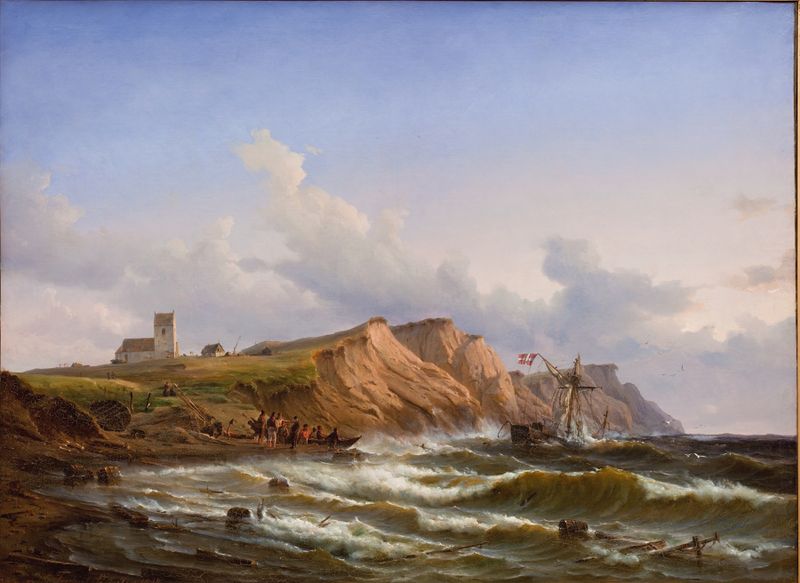
Shipwreck after a Storm off the West Coast of Jutland near Ferring Church
Carl Frederik Sørensen
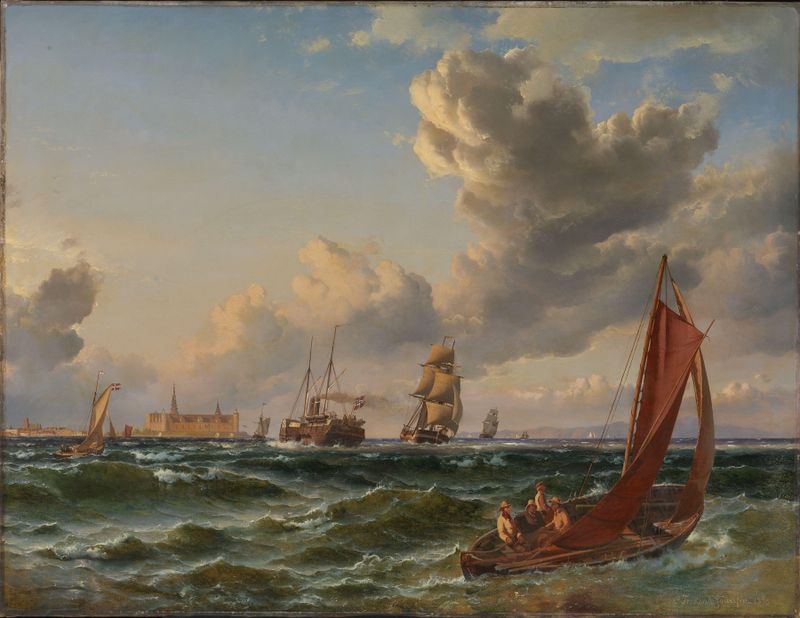
Parti fra Øresund med Kronborg
Carl Frederik Sørensen

A Norwegian Coastline
Carl Frederik Sørensen

Både til kajs ved Kronborg
Carl Frederik Sørensen
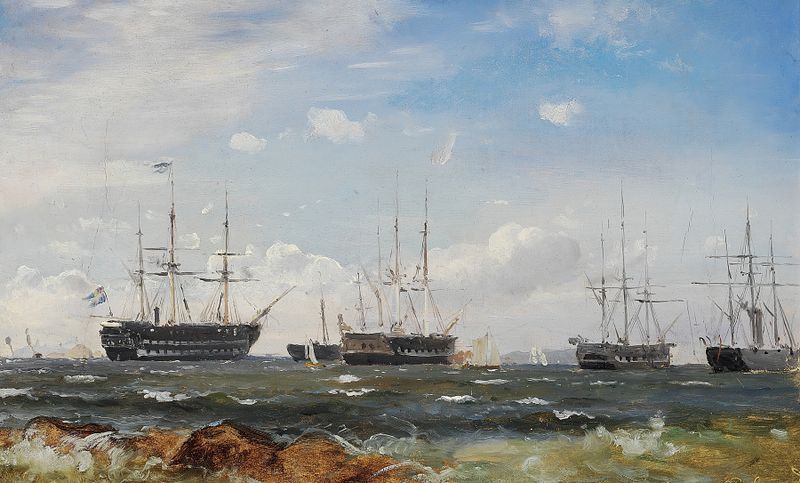
Svenske orlogsskibe ud for Göteborg
Carl Frederik Sørensen
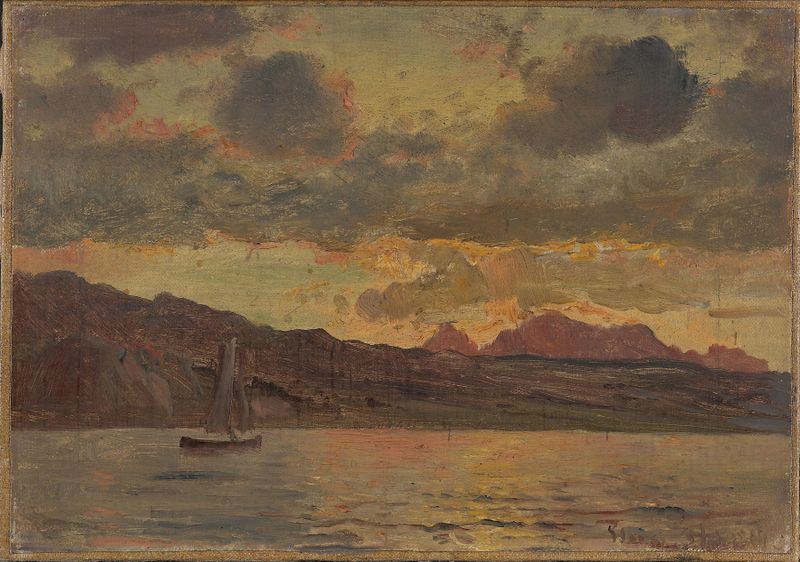
Marine
Carl Frederik Sørensen

Seascape
Carl Frederik Sørensen
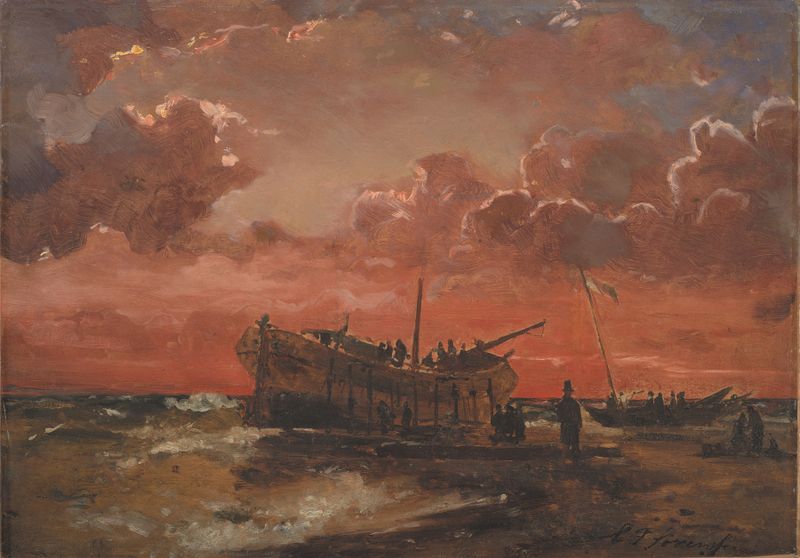
A Wreck on the West Coast of Jutland at Sunset
Carl Frederik Sørensen
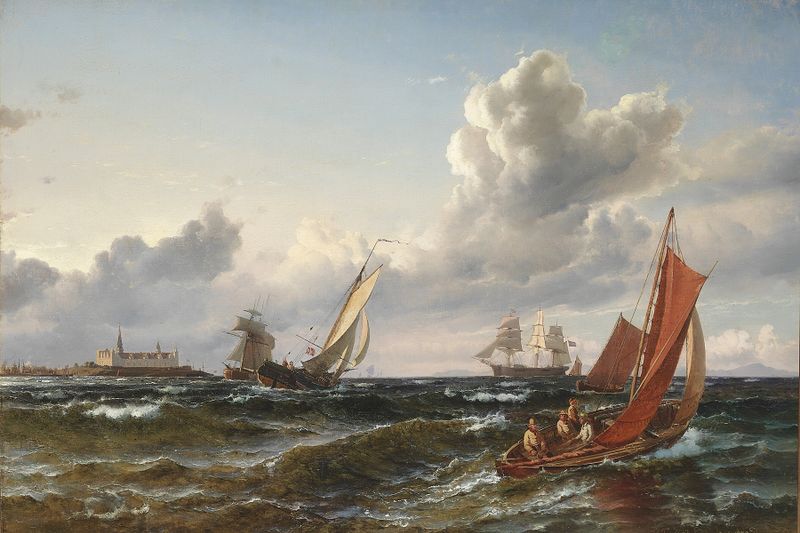
Sejlskibe og fiskerbåd i Sundet ud for Kronborg
Carl Frederik Sørensen





