
An Allegory of Fruitfulness — History & Facts
In An Allegory of Fruitfulness, Jacob Jordaens presents a vibrant scene filled with an array of fruits and figures. The colors are rich and warm, with deep reds, yellows, and greens dominating the composition. The figures are engaged in various activities, symbolizing abundance and fertility.
The setting is lush, evoking a sense of bountiful harvest and prosperity. The painting is executed in oil on canvas, a common medium for Baroque artists, allowing for vivid colors and detailed textures. Jordaens employs a dynamic composition, with figures arranged in a way that leads the viewer's eye throughout the scene. The use of light and shadow adds depth, enhancing the three-dimensional quality of the figures and fruits.
This technique is characteristic of the Baroque style, emphasizing realism and emotional engagement. Jacob Jordaens was a prominent Flemish painter known for his lively and colorful works. An Allegory of Fruitfulness reflects the artist's interest in themes of abundance and fertility, common in his oeuvre. Interestingly, this painting was likely created during a period when Jordaens was influenced by the works of Rubens, which is evident in the dynamic figures and rich color palette.
This piece is a celebration of life and the prosperity of nature.
More Artworks by Jacob Jordaens

The Temptation of the Magdalene
Jacob Jordaens
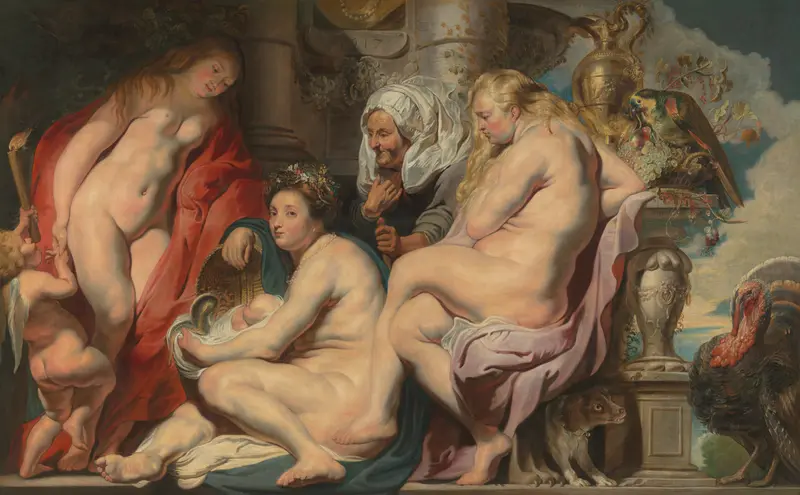
The Daughters of Cecrops Finding the Child Erichthonius
Jacob Jordaens
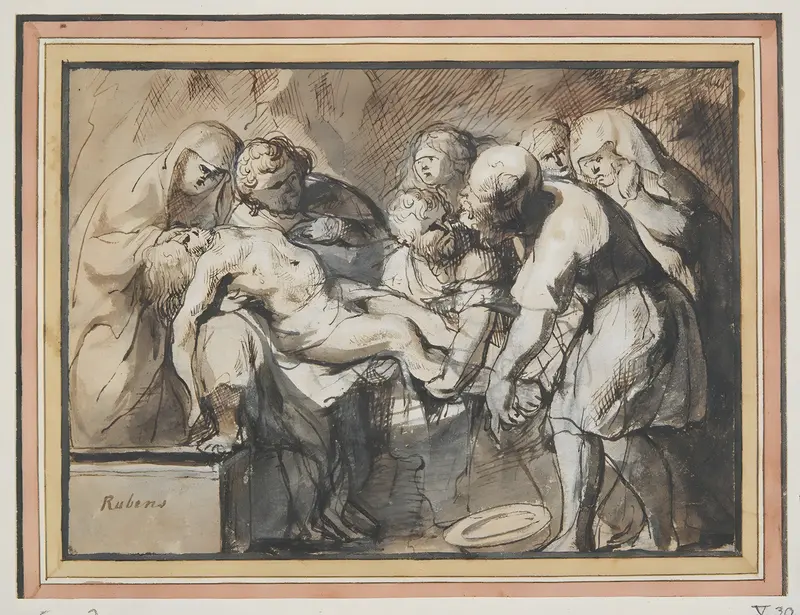
The Entombment
Jacob Jordaens
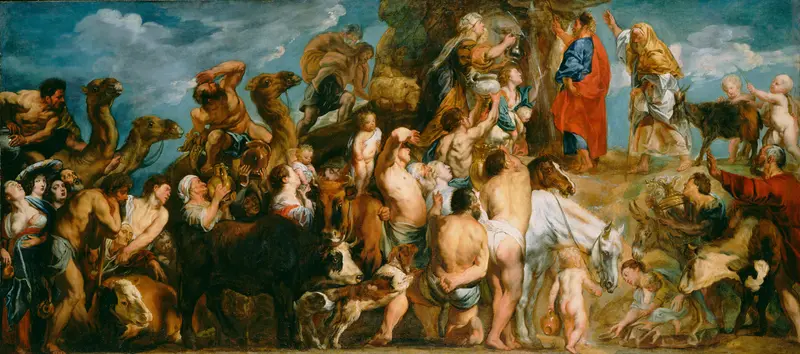
Moses Striking Water from the Rock
Jacob Jordaens
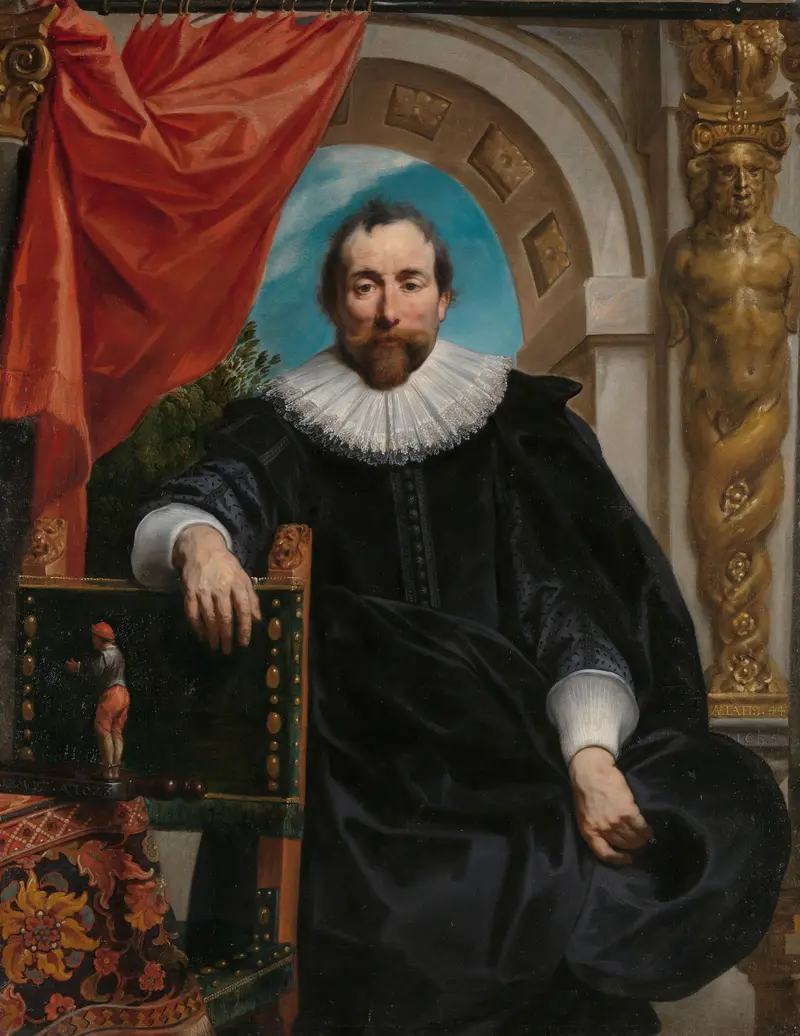
Portrait of Rogier Le Witer
Jacob Jordaens
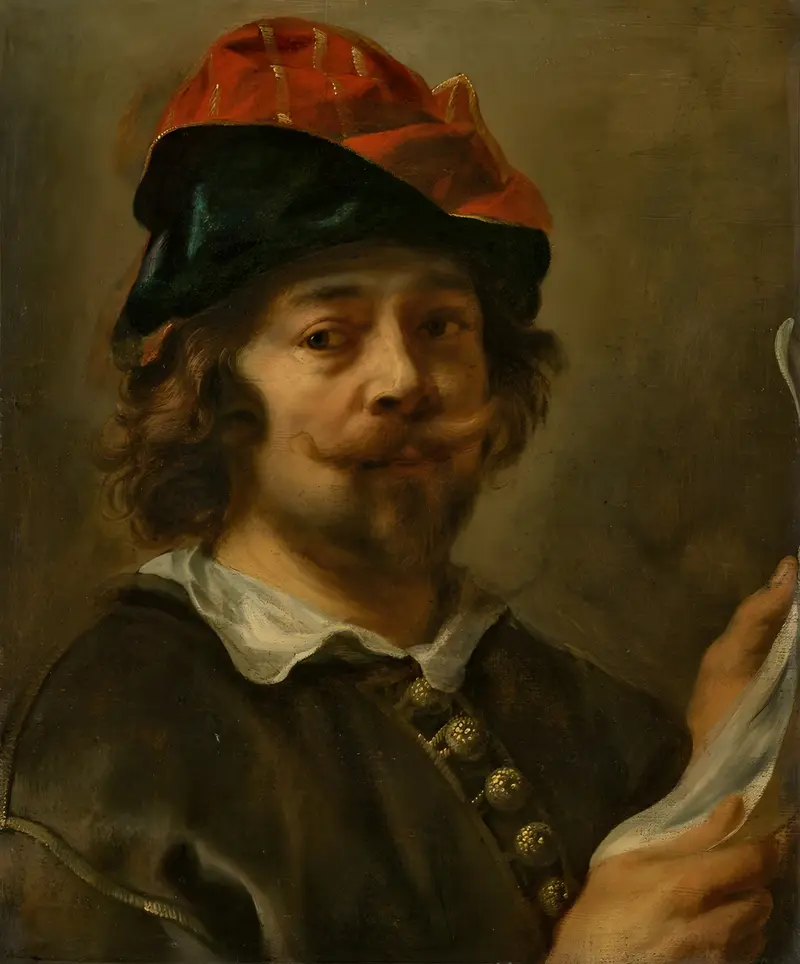
Portrait of the artist
Jacob Jordaens
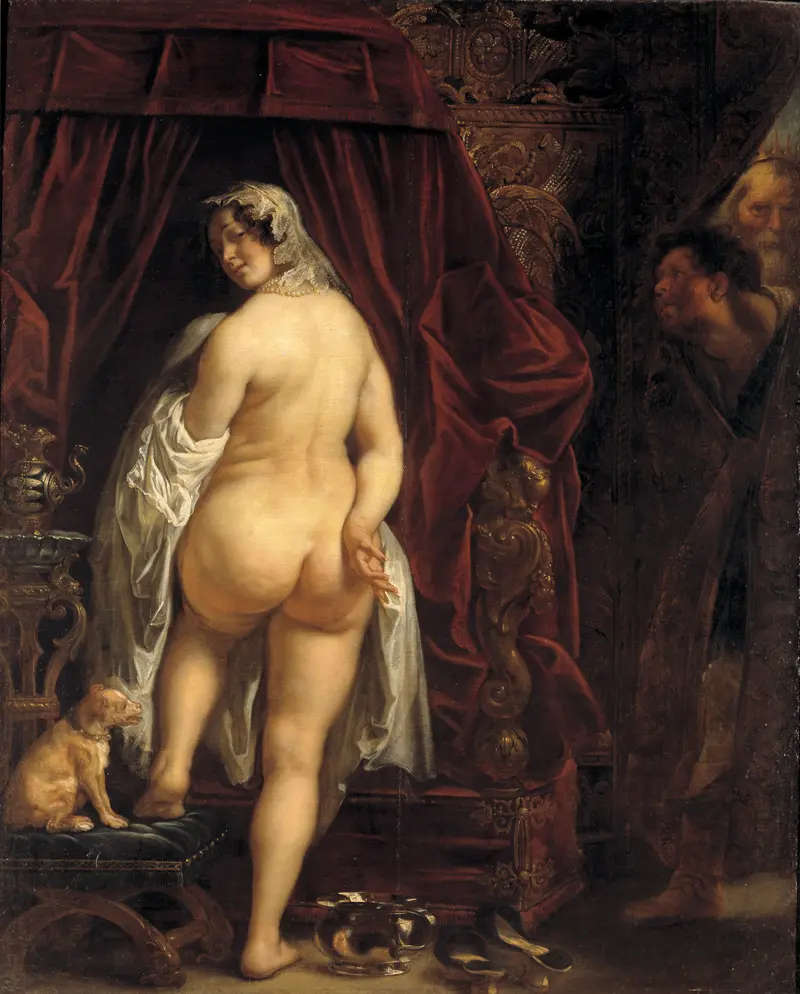
King Candaules of Lydia Showing his Wife to Gyges
Jacob Jordaens
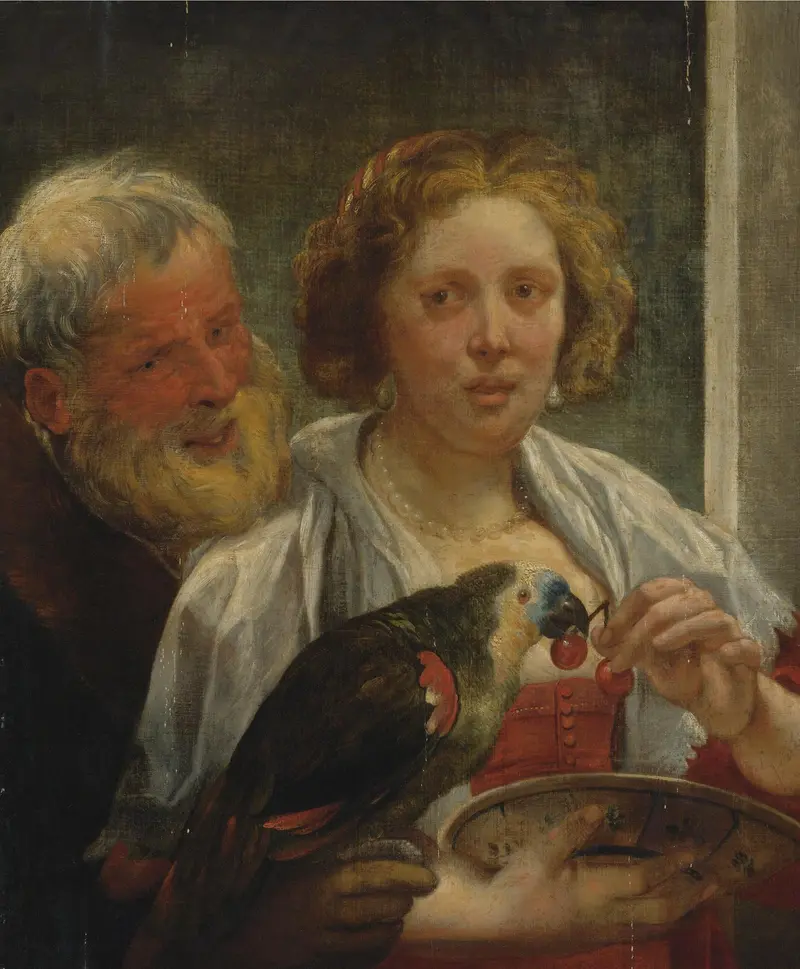
A Bearded Man And a Woman With a Parrot; ‘unrequited Love’
Jacob Jordaens
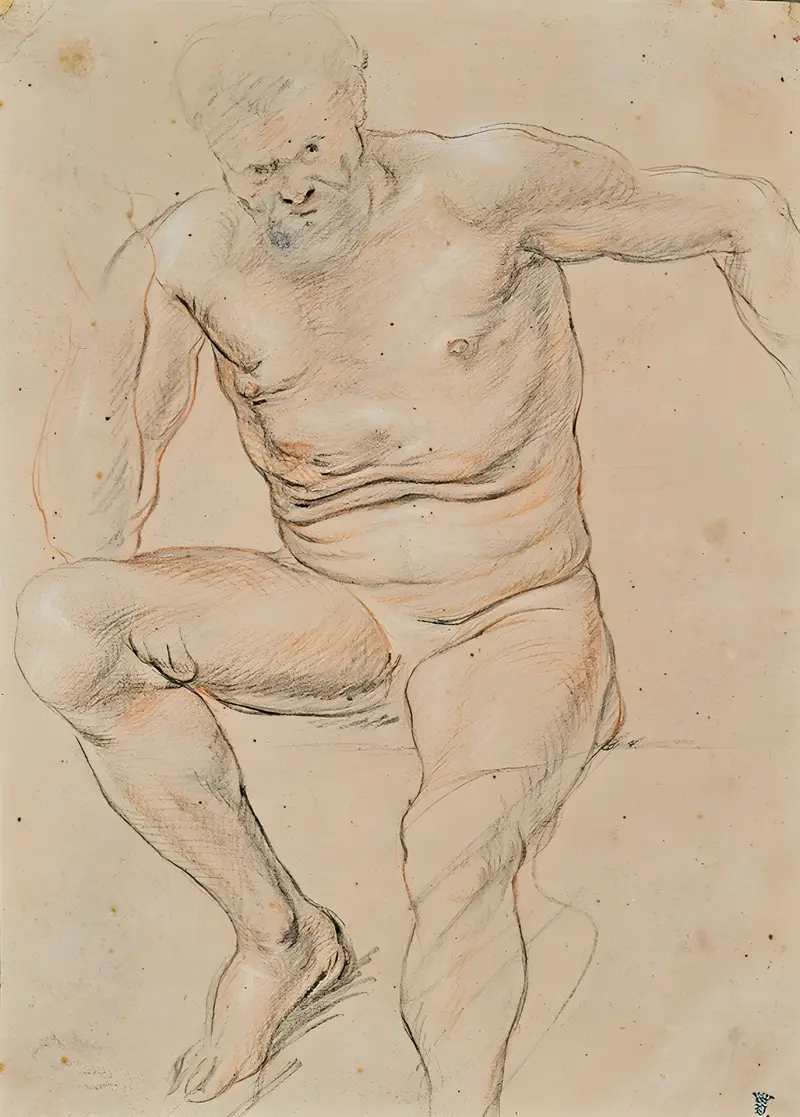
An academy of a male nude seated
Jacob Jordaens
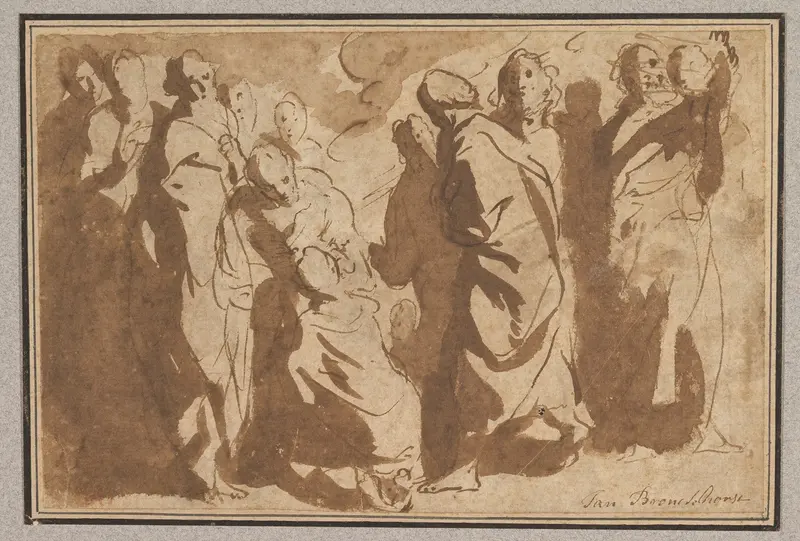
Christ Healing the Paralytic
Jacob Jordaens





