
An Architectural Capriccio with Figures — History & Facts
Can beauty exist without sorrow? In the intricate dance of illusion and architecture, the answer unfolds, revealing layers of meaning that invite contemplation. Look to the left at the delicate figures, their postures suggesting a moment frozen in time, each element echoing the graceful architecture that looms above. The vibrant hues of blues and ochres blend seamlessly, drawing the eye from the ornate columns that frame the scene to the distant landscapes that cradle the horizon. Notice how the light gently bathes the foreground, illuminating the myriad details—from the fine drapery of the clothing to the meticulous textures of the pillars—each stroke a testament to the artist's keen observation and meticulous technique. Yet, beneath the surface of this harmonious composition lies a tension.
The architectural grandeur, while captivating, stands in stark contrast to the small figures, evoking a sense of isolation amidst beauty. Their expressions hint at a narrative steeped in longing or contemplation, perhaps wrestling with the disparity between their humble existence and the grandiosity surrounding them. This interplay of scale and emotion encourages a deeper reflection on the human experience—how we navigate our paths within realms of splendor and illusion. Created in the 18th century, this piece was born in a time when the neoclassical movement was gaining momentum, merging classical ideals with emerging individual expression.
Bison, influenced by his Italian heritage, was exploring themes of architecture and human interaction amidst his travels in northern Italy. During this period, he sought to capture not just the physical world but the emotional currents that flow beneath the surface, ultimately crafting a dialogue between the ornate and the ordinary.
More Artworks by Giuseppe Bernardino Bison
Browse all →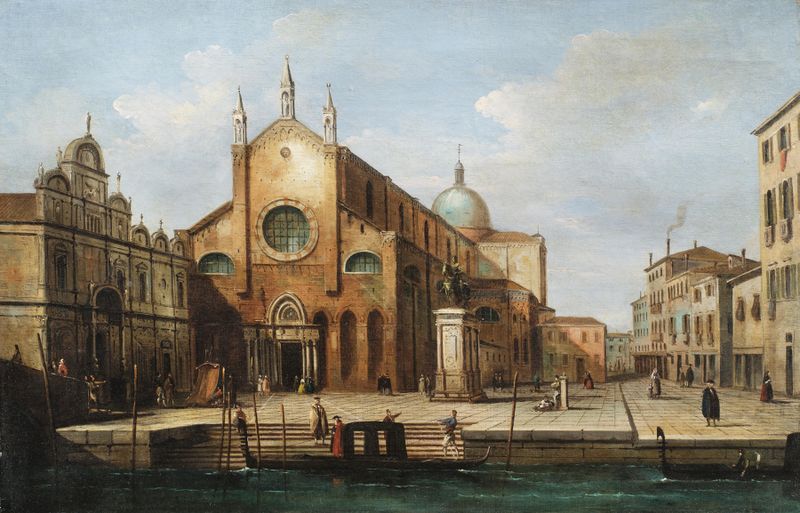
Venice, View of Campo Santi Giovanni e Paolo and the Scuola Grande di San Marco
Giuseppe Bernardino Bison
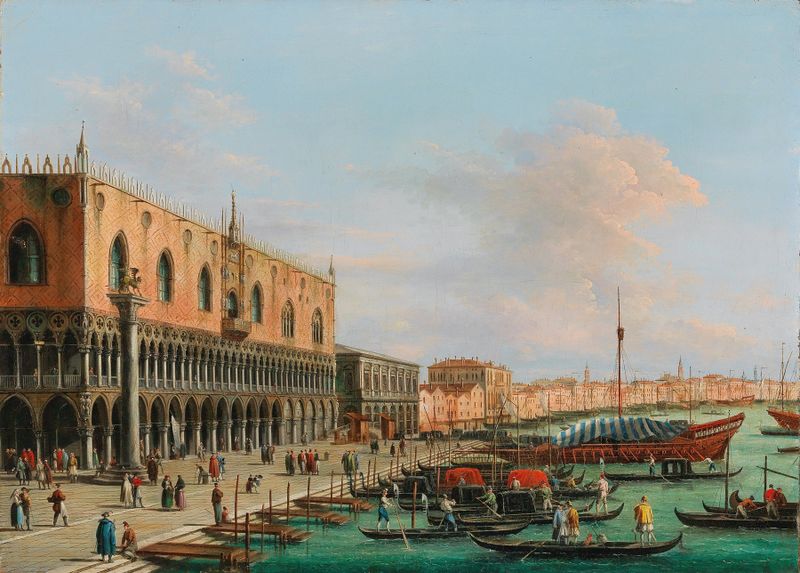
The Palazzo Ducale and the Riva degli Schiavoni, Venice
Giuseppe Bernardino Bison
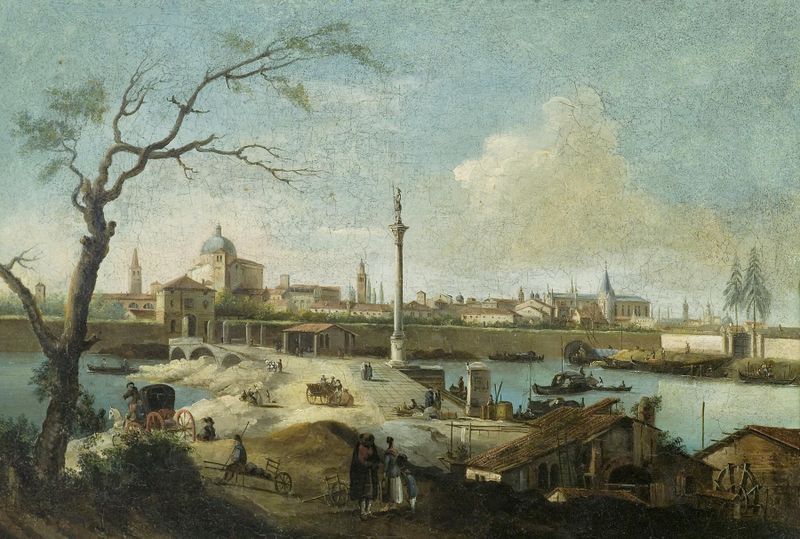
Capriccio mit der Ansicht von Padua
Giuseppe Bernardino Bison
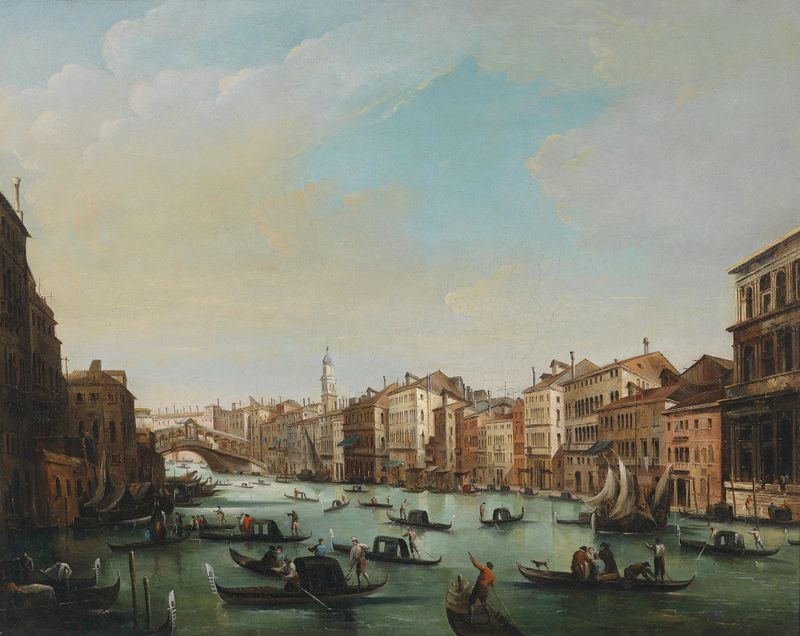
Venedig Canal Grande mit Ponte Rialto
Giuseppe Bernardino Bison
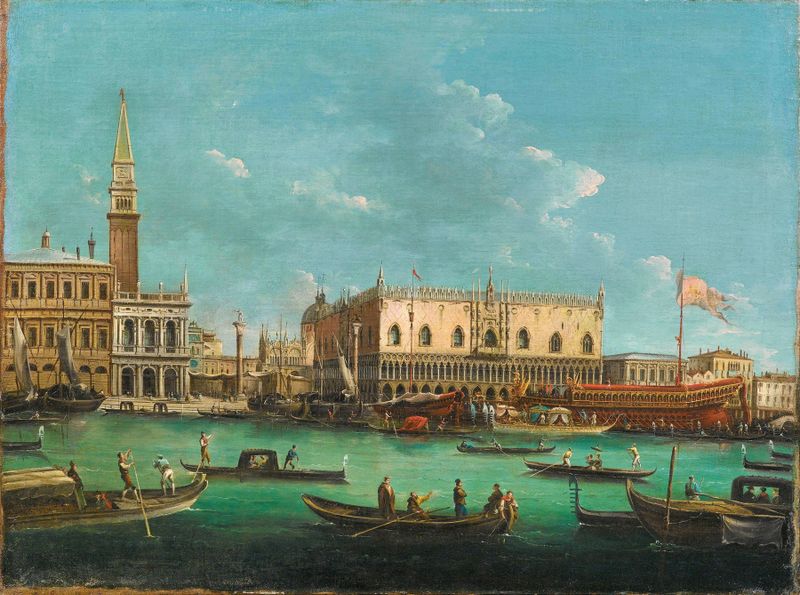
The Bucintoro at the Molo, Venice, on Ascension Day
Giuseppe Bernardino Bison
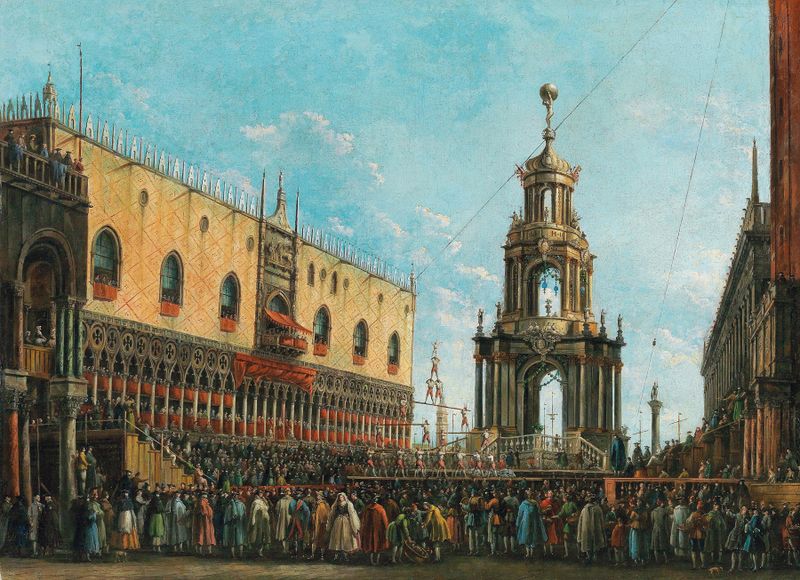
The ‘Giovedi Grasso’ Festival before the Ducal Palace in Venice
Giuseppe Bernardino Bison
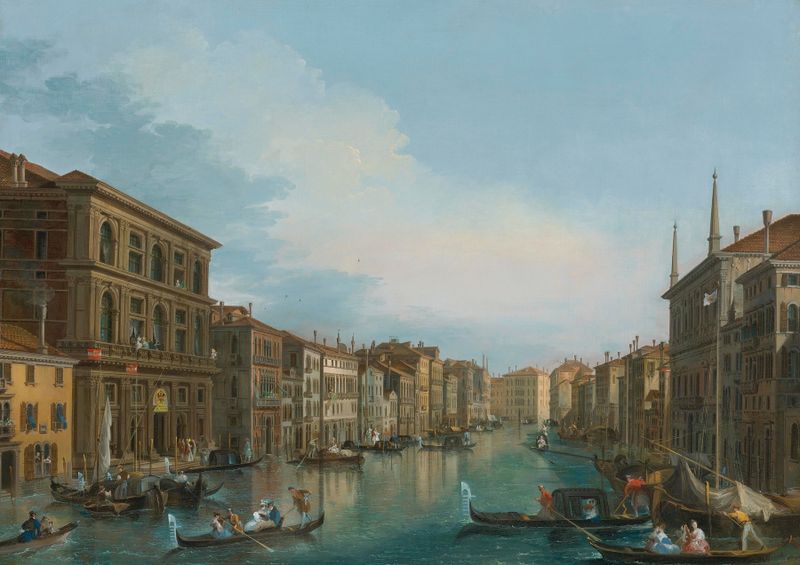
View Of The Grand Canal From The Palazzo Grimani
Giuseppe Bernardino Bison
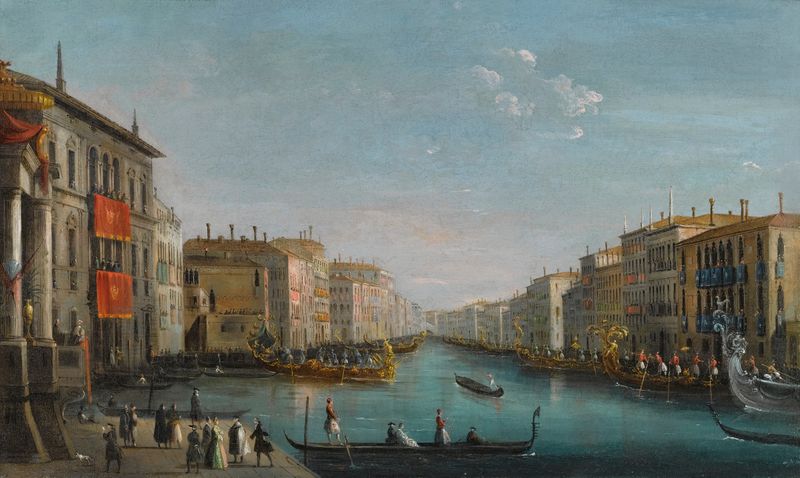
Venice, A View Of The Grand Canal From The Palazzo Balbi Looking Toward The Rialto Bridge With A Regata
Giuseppe Bernardino Bison
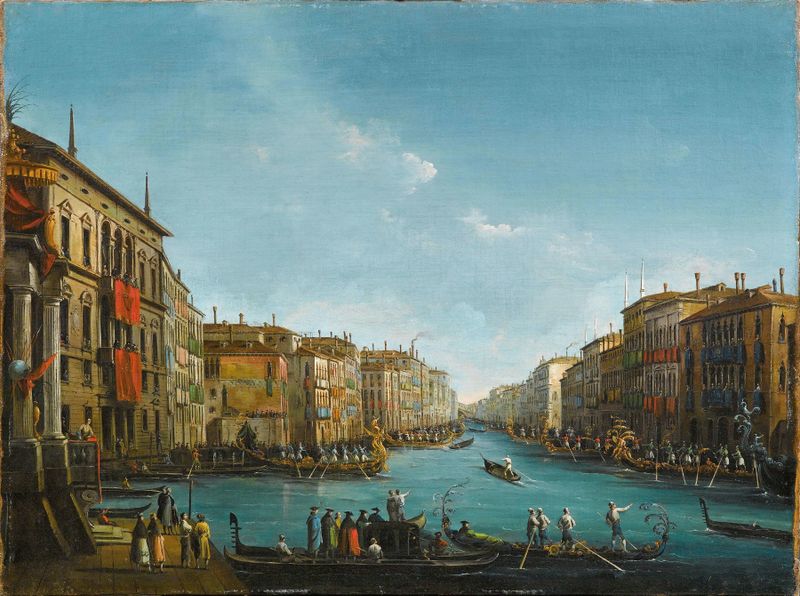
The Regatta on Grand Canal, Venice
Giuseppe Bernardino Bison
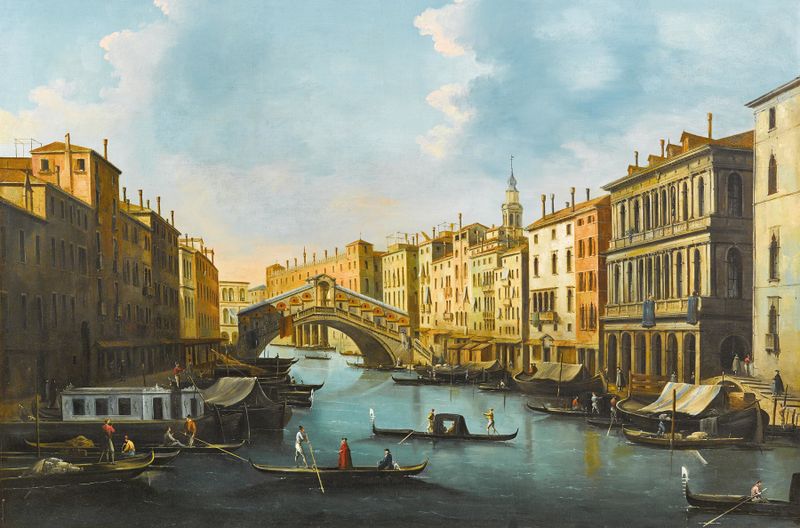
Venice, the Grand Canal with the Rialto bridge
Giuseppe Bernardino Bison
More Architecture Art
Browse all →
The statue of Liberty
Frédéric Auguste Bartholdi

View of Houses in Delft, Known as ‘The Little Street’
Johannes Vermeer

View of Houses in Delft, Known as ‘The Little Street’
Johannes Vermeer

The Cathedral in Rouen. The portal, Grey Weather
Claude Monet

The yellow house
Vincent van Gogh

The Church in Auvers-sur-Oise, View from the Chevet
Vincent van Gogh