
Capriccio mit der Ansicht von Padua — History & Facts
Within the stillness of a city captured in time, silence reigns, echoing the whispers of history and dreams woven into every brushstroke. Look at the center of the composition; the enchanting domes of Padua rise majestically under a cloud-streaked sky. The vibrant greens of the landscape contrast beautifully with the warm earth tones of the architecture, creating a harmonious balance that invites contemplation. Notice how the delicate play of light dances across the buildings, emphasizing their intricate details while casting soft shadows that hint at the passage of time. Delve into the subtle contrasts present in the work: the serenity of the landscape juxtaposed against the grandeur of human achievement, the muted colors enveloping the scene, infusing it with a profound stillness.
The careful arrangement of elements creates a dialogue between nature and civilization, suggesting an ongoing conversation between what is natural and what is man-made. The absence of figures emphasizes solitude, urging the viewer to reflect on their place within this tranquil panorama. During the early 19th century, Capriccio mit der Ansicht von Padua emerged from the brush of Giuseppe Bernardino Bison, likely while he resided in Italy. At this time, Bison was exploring themes of romanticism in landscape painting, capturing the essence of his surroundings with meticulous detail.
The canvas reflects both his personal journey as an artist and the broader cultural shift towards celebrating nature and history in art.
More Artworks by Giuseppe Bernardino Bison
Browse all →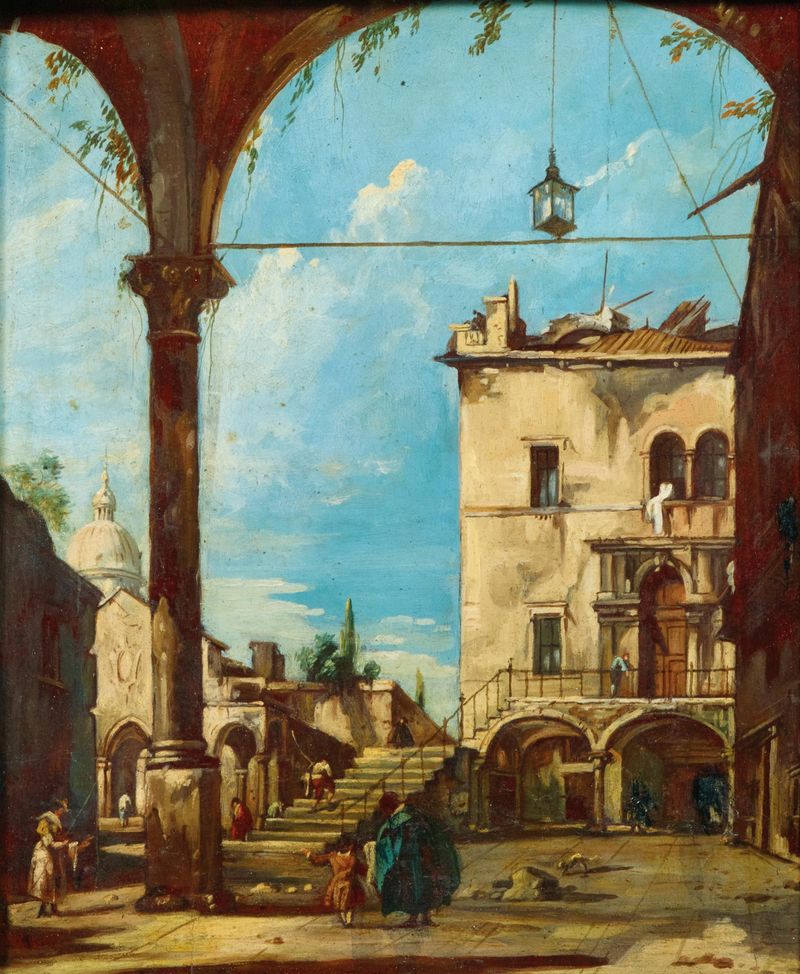
An Architectural Capriccio with Figures
Giuseppe Bernardino Bison
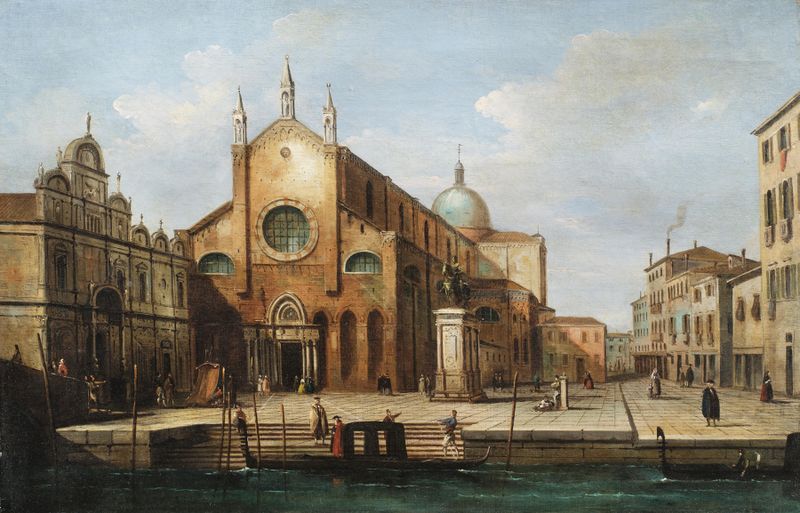
Venice, View of Campo Santi Giovanni e Paolo and the Scuola Grande di San Marco
Giuseppe Bernardino Bison
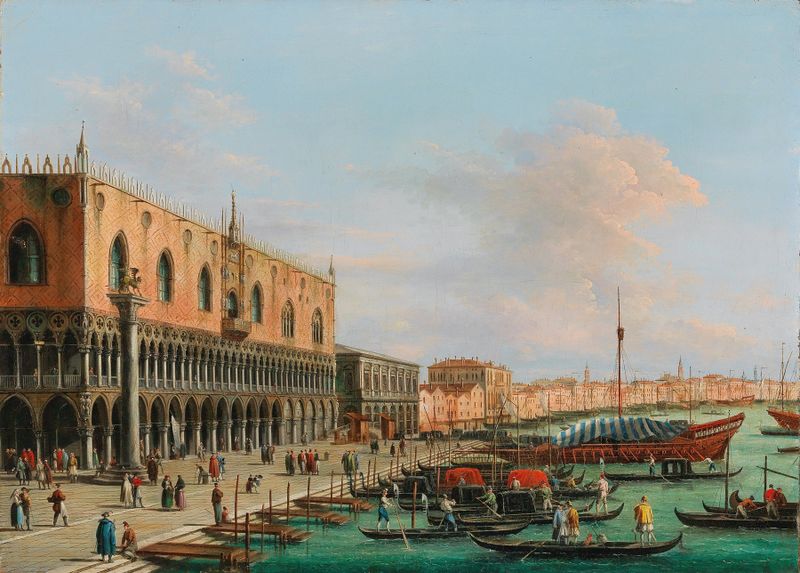
The Palazzo Ducale and the Riva degli Schiavoni, Venice
Giuseppe Bernardino Bison
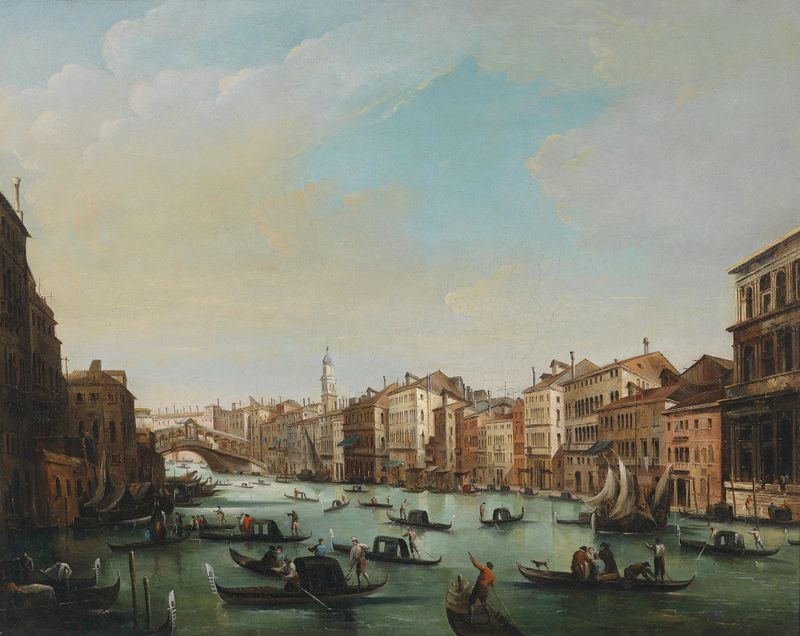
Venedig Canal Grande mit Ponte Rialto
Giuseppe Bernardino Bison
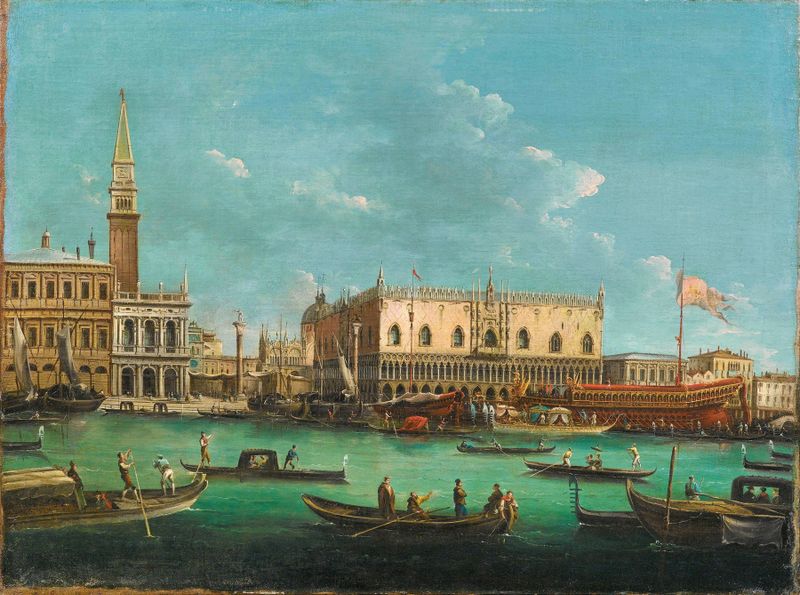
The Bucintoro at the Molo, Venice, on Ascension Day
Giuseppe Bernardino Bison
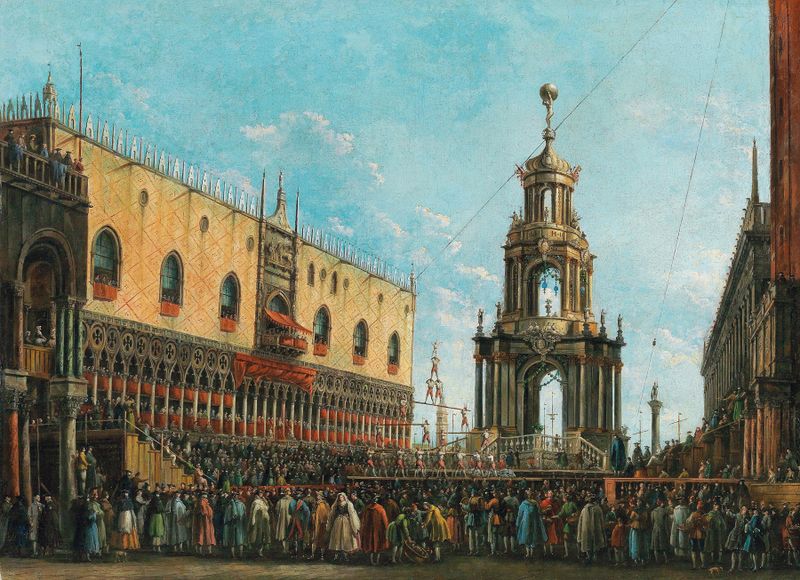
The ‘Giovedi Grasso’ Festival before the Ducal Palace in Venice
Giuseppe Bernardino Bison
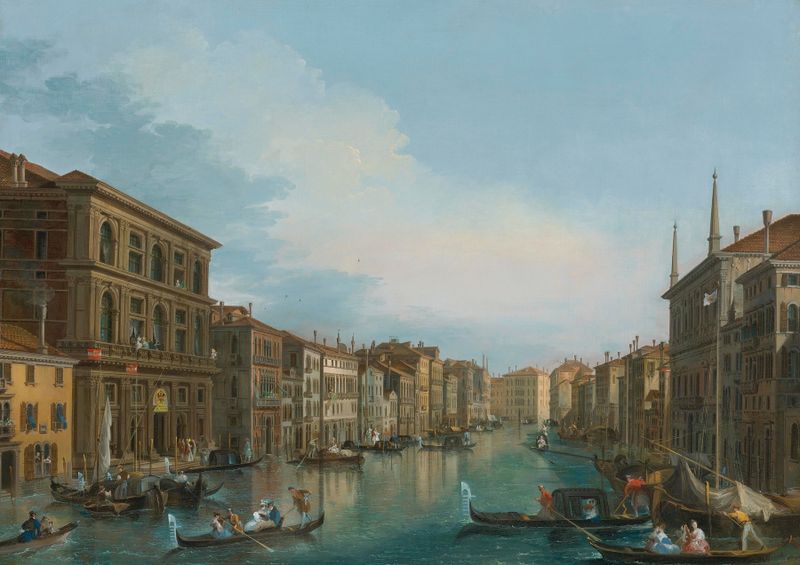
View Of The Grand Canal From The Palazzo Grimani
Giuseppe Bernardino Bison
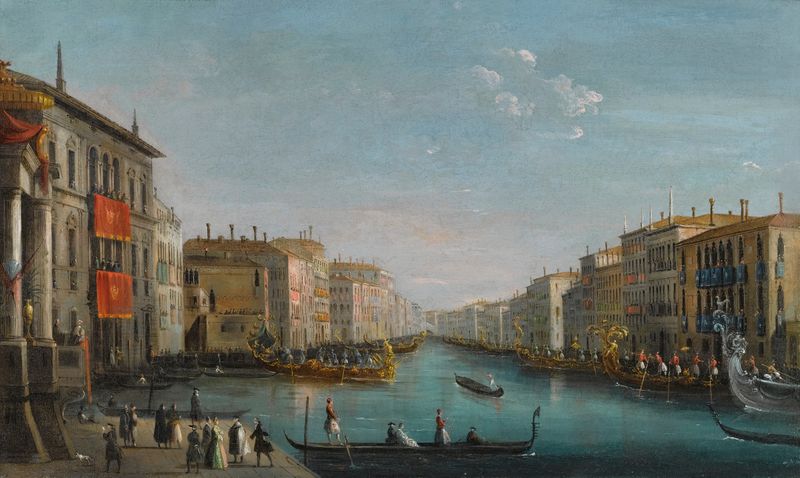
Venice, A View Of The Grand Canal From The Palazzo Balbi Looking Toward The Rialto Bridge With A Regata
Giuseppe Bernardino Bison
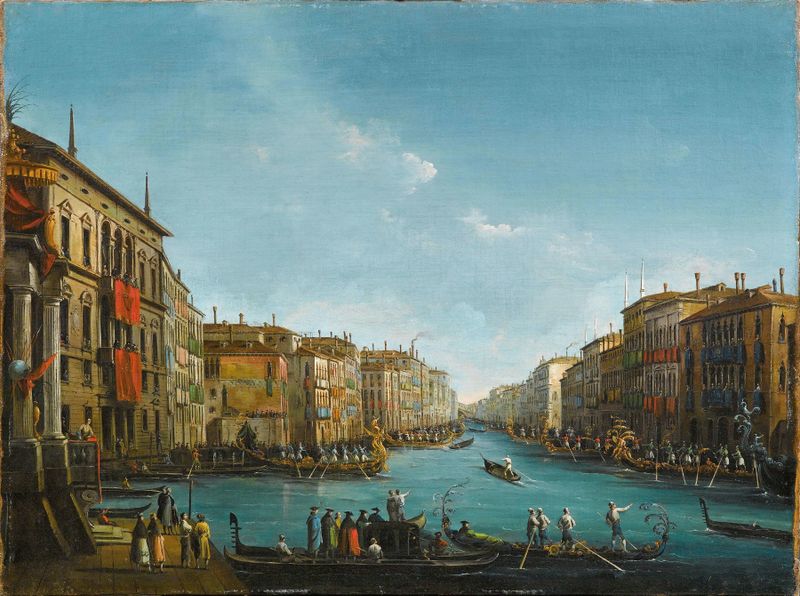
The Regatta on Grand Canal, Venice
Giuseppe Bernardino Bison
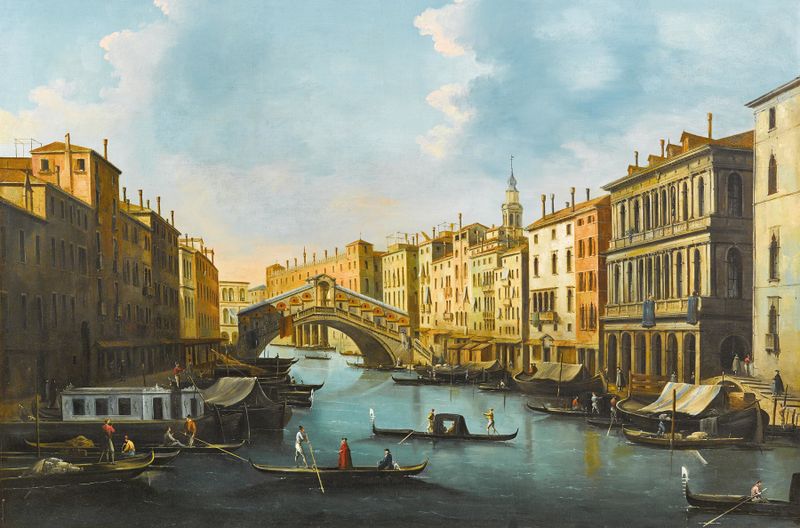
Venice, the Grand Canal with the Rialto bridge
Giuseppe Bernardino Bison





