
The Bucintoro at the Molo, Venice, on Ascension Day — History & Facts
How does destiny whisper through the stillness of a moment? In the heart of Venice, a gathering unfolds, brimming with expectation, yet wrapped in a veil of unspoken thoughts. Look to the left at the magnificently adorned Bucintoro, its golden sheen glimmering under the soft light of the Ascension Day. The grand vessel, a symbol of power and tradition, draws your eye as it dominates the scene, surrounded by smaller boats that seem almost like anxious courtiers. The palette is a harmonious blend of blues and golds, where the deep azure of the water mirrors the sky, creating a seamless horizon.
Notice how the meticulous brushwork brings texture to the waves, suggesting movement beneath the tranquil surface, while delicate figures dot the composition, embodying the festivity and reverence of the occasion. Yet, beneath the festive veneer lies a tension of fate intertwined with ritual. The gathering reflects not only a celebration of Ascension but also a poignant reminder of Venice's maritime legacy—a city caught between glory and decline. The way the figures lean towards the Bucintoro hints at a collective yearning, perhaps for connection or a return to a bygone era.
Each glance, each gesture captures an essence of anticipation, laden with the weight of what is yet to come. Bison painted this scene during a time when Venice was grappling with its identity amidst changing political landscapes. Though the exact date is unknown, his work reflects the city's grandeur and fragility in the 18th century, when artists were increasingly focused on capturing contemporary life and its complexities. In creating this masterpiece, Bison not only commemorated a significant event but also encapsulated the interwoven destinies of the people and their beloved city.
More Artworks by Giuseppe Bernardino Bison
Browse all →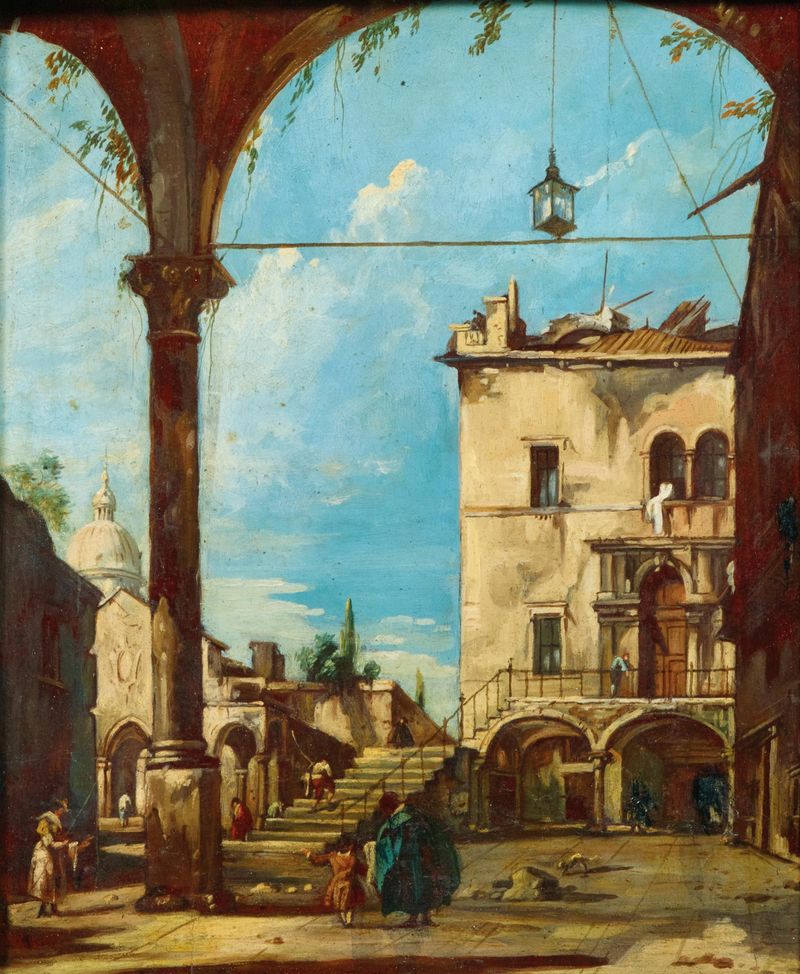
An Architectural Capriccio with Figures
Giuseppe Bernardino Bison
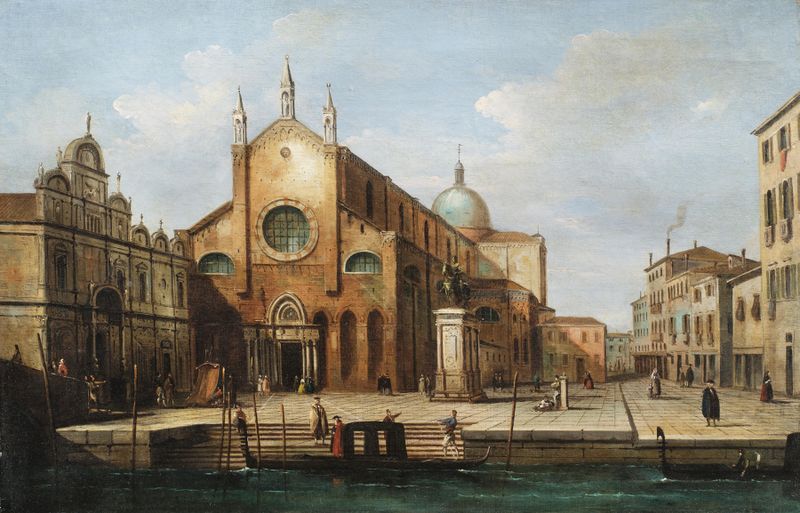
Venice, View of Campo Santi Giovanni e Paolo and the Scuola Grande di San Marco
Giuseppe Bernardino Bison
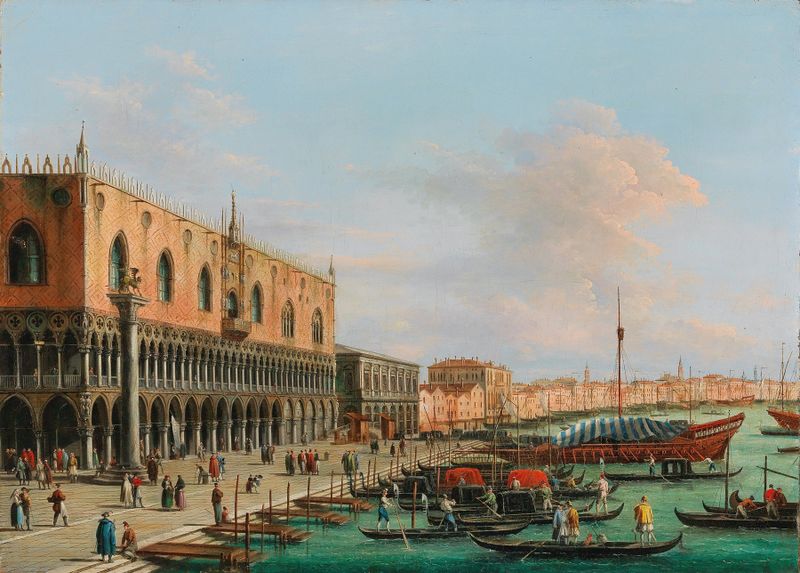
The Palazzo Ducale and the Riva degli Schiavoni, Venice
Giuseppe Bernardino Bison
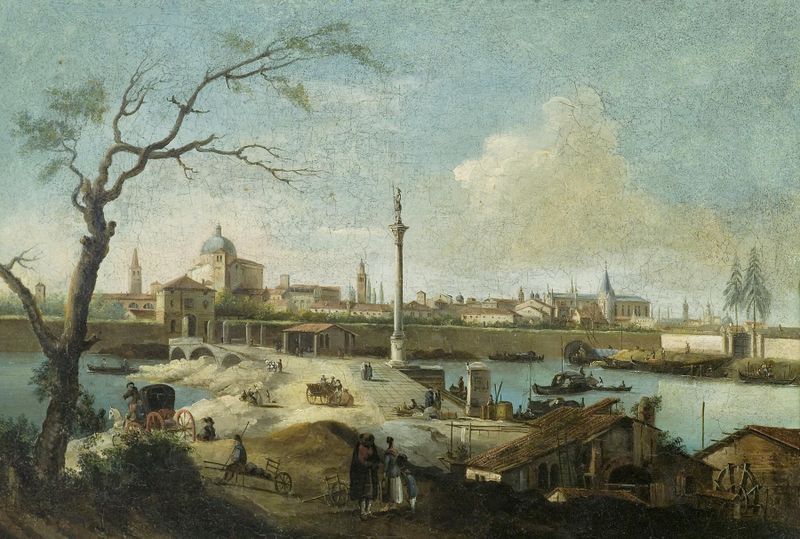
Capriccio mit der Ansicht von Padua
Giuseppe Bernardino Bison
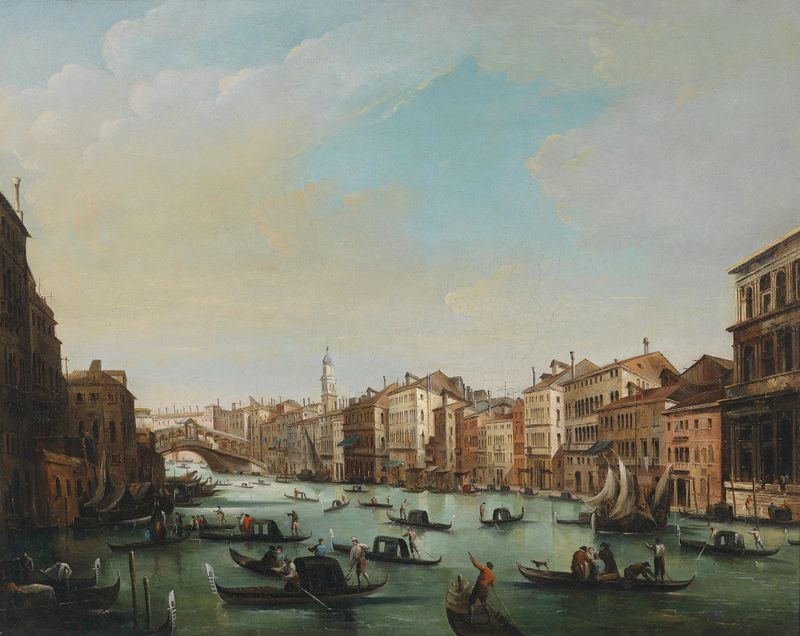
Venedig Canal Grande mit Ponte Rialto
Giuseppe Bernardino Bison
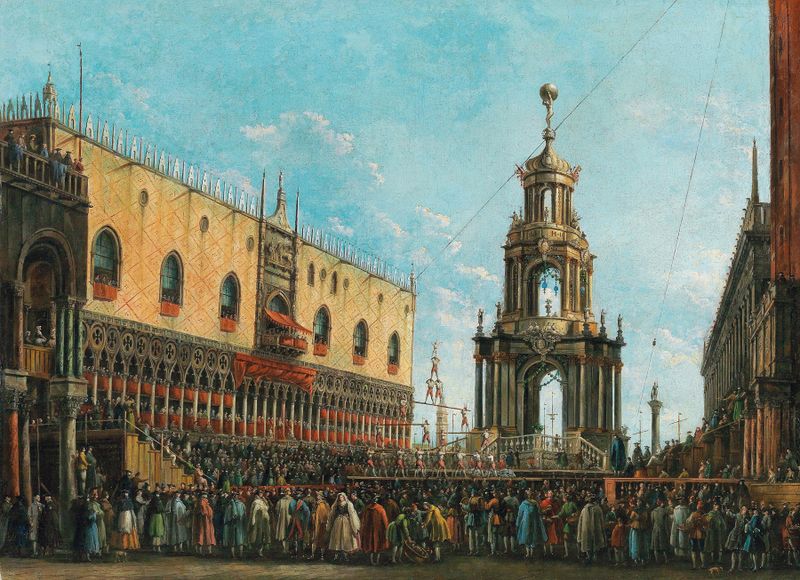
The ‘Giovedi Grasso’ Festival before the Ducal Palace in Venice
Giuseppe Bernardino Bison
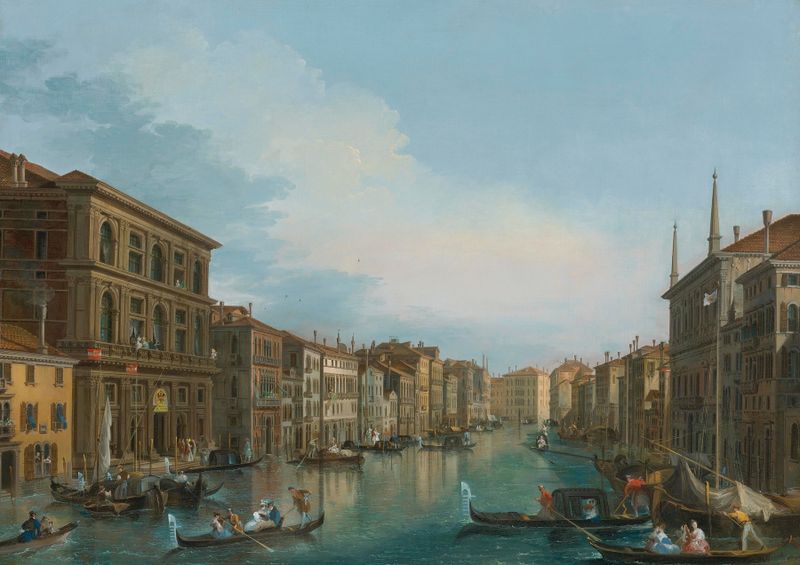
View Of The Grand Canal From The Palazzo Grimani
Giuseppe Bernardino Bison
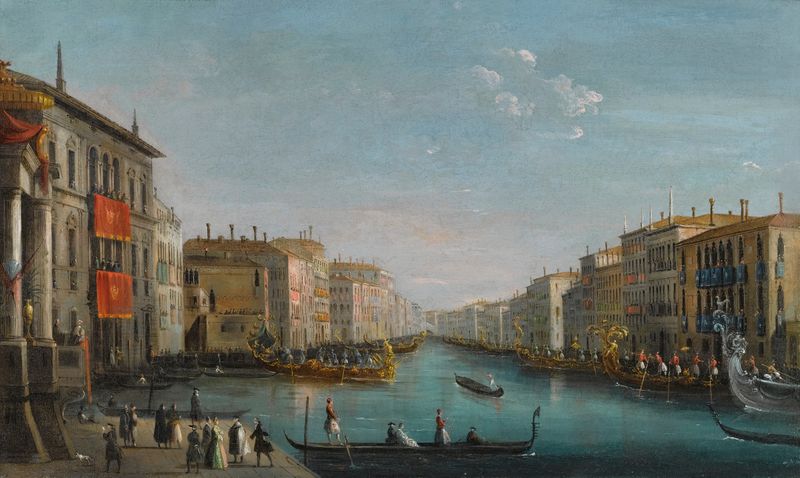
Venice, A View Of The Grand Canal From The Palazzo Balbi Looking Toward The Rialto Bridge With A Regata
Giuseppe Bernardino Bison
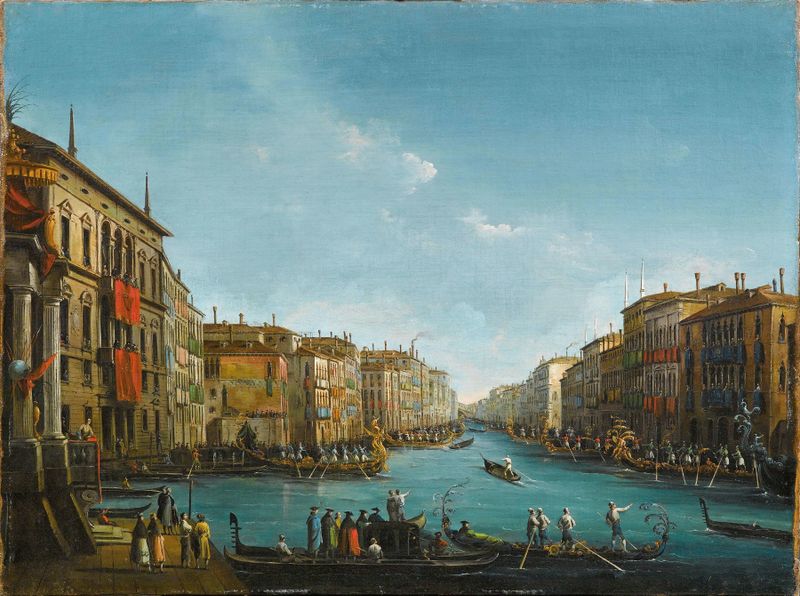
The Regatta on Grand Canal, Venice
Giuseppe Bernardino Bison
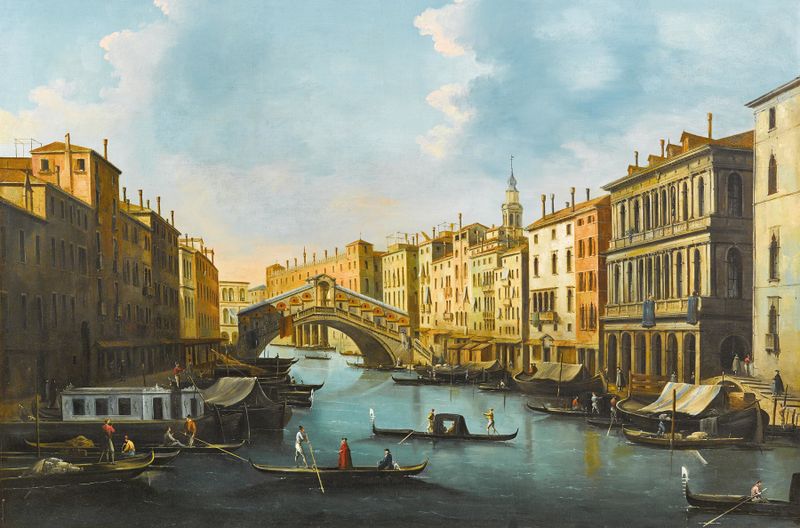
Venice, the Grand Canal with the Rialto bridge
Giuseppe Bernardino Bison
More Historical Art
Browse all →
The Night Watch Militia Company of District II under the Command of Captain Frans Banninck Cocq
Rembrandt van Rijn

Lincoln Memorial
Henry Bacon

The Third of May 1808
Francisco de Goya

Isaac and Rebecca, Known as ‘The Jewish Bride’
Rembrandt van Rijn

The Charge of the Mamelukes (1814)
Francisco de Goya

De vier ruiters van de apocalyps
Albrecht Dürer