An der Stadtmauer von Gelnhausen — History & Facts
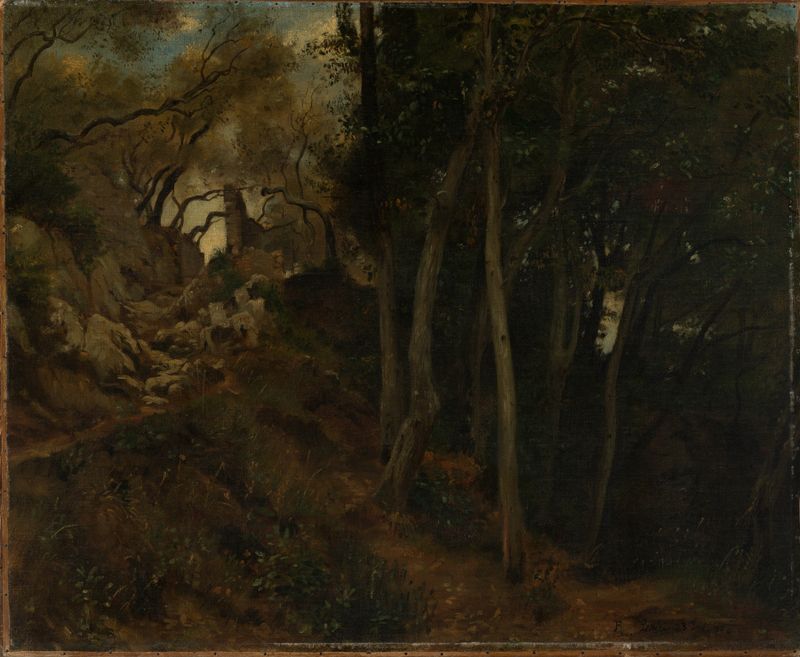
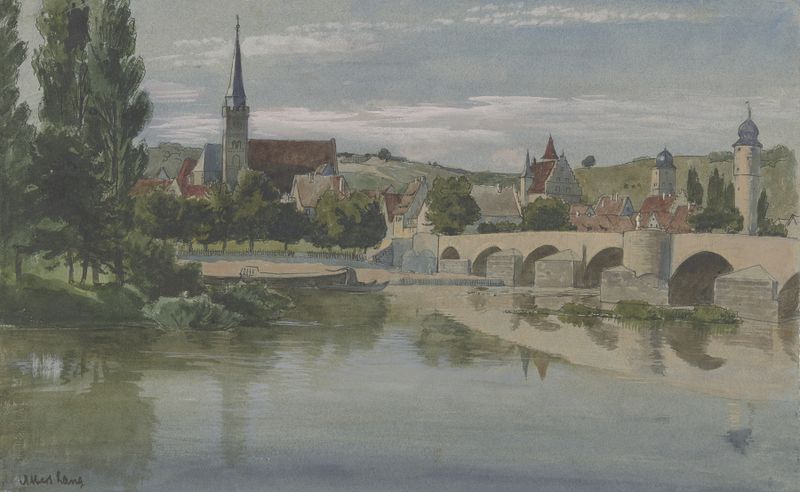
It captures a moment suspended in time, where emotions are etched into the very canvas of existence. This painting invites contemplation of the delicate interplay between the transient and the eternal. Look to the foreground, where the weathered stones of the city wall convey a sense of history. The artist’s meticulous brushwork brings out the texture of each stone, creating a tactile sensation that draws the viewer in.
Notice how the muted palette of earthy hues contrasts with the vibrant greens of the surrounding foliage, suggesting the persistence of nature amidst human constructs. The composition is thoughtfully balanced, guiding your gaze along the wall as it stretches into the distance, evoking a sense of journey and reflection. Within this seemingly serene landscape lies a deeper meditation on the passage of time. The crumbling stones symbolize both decay and endurance, serving as a reminder of the impermanence of human endeavors.
Shadows play across the scene, hinting at the fleeting moments that define our lives, while the resilient greenery suggests renewal and hope. This juxtaposition creates an emotional tension that resonates with the viewer, urging a deeper examination of their own relationship with time. In 1892, during a period marked by rapid industrial change, the artist was deeply invested in exploring themes of nostalgia and permanence. Painted in Gelnhausen, Germany, Lang sought to capture the essence of a world on the brink of transformation, where historical landmarks stood in quiet defiance against the tides of modernity.
His work reflects not only personal introspection but also a broader commentary on the shifting landscape of art and society at the time.