
An Erratic Rock In The Rapids — History & Facts
What secret hides in the quiet of the canvas? In the stillness of An Erratic Rock In The Rapids, time seems to suspend, inviting contemplation and reverie. Look to the center where a solitary, jagged rock emerges from the frothy currents, its surface textured and raw. Surrounding it, the water roils and swirls, captured with a delicate fluidity that contrasts the rock's steadfastness. Notice how the palette of muted greens and grays suggests a somber yet tranquil atmosphere, while the soft play of light glistens on the water's surface, emphasizing the tension between the solid and the ephemeral. At first glance, the scene may evoke a sense of solitude, yet it also represents the indomitable spirit of nature.
The juxtaposition of the immovable rock against the relentless flow of water symbolizes resilience amidst chaos. Perhaps it whispers of dreams held fast against the tides of change, each ripple a reminder of the impermanence that surrounds us. The meticulous brushwork captures the beauty of transience and stability, inviting deeper reflection on the relationship between permanence and the passage of time. Painted in 1830, during a period when Romanticism was flourishing, the artist found inspiration in the landscapes of Denmark.
Rørbye was immersed in a world that revered nature's grandeur and emotional depth, seeking to harmonize realism with the sublime. This piece reflects his exploration of the natural world, merging meticulous observation with abstract sensations, a hallmark of his artistic evolution at that time.
More Artworks by Martinus Rørbye
Browse all →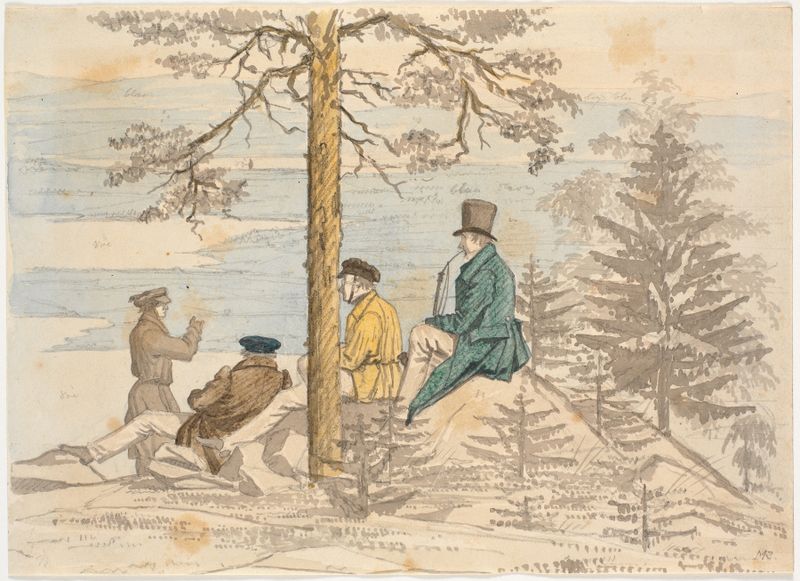
Fire mænd betragter udsigten fra Holmekollen
Martinus Rørbye
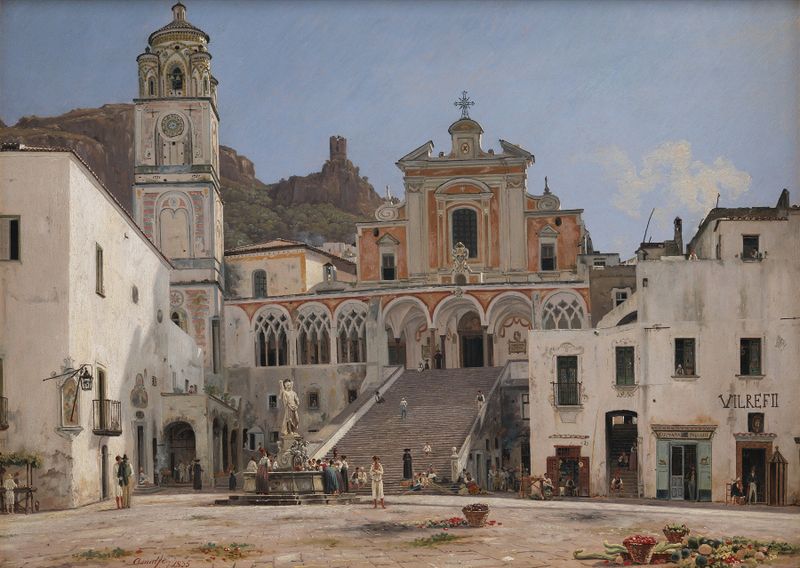
View of the Square in Amalfi
Martinus Rørbye
A Courtyard in Rome. Copy after Eckersberg
Martinus Rørbye
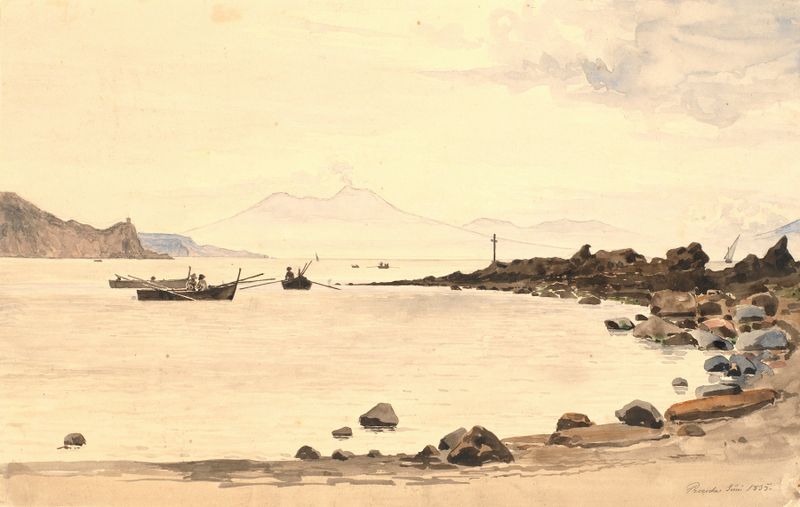
Udsigt mod Vesuv fra Procida
Martinus Rørbye
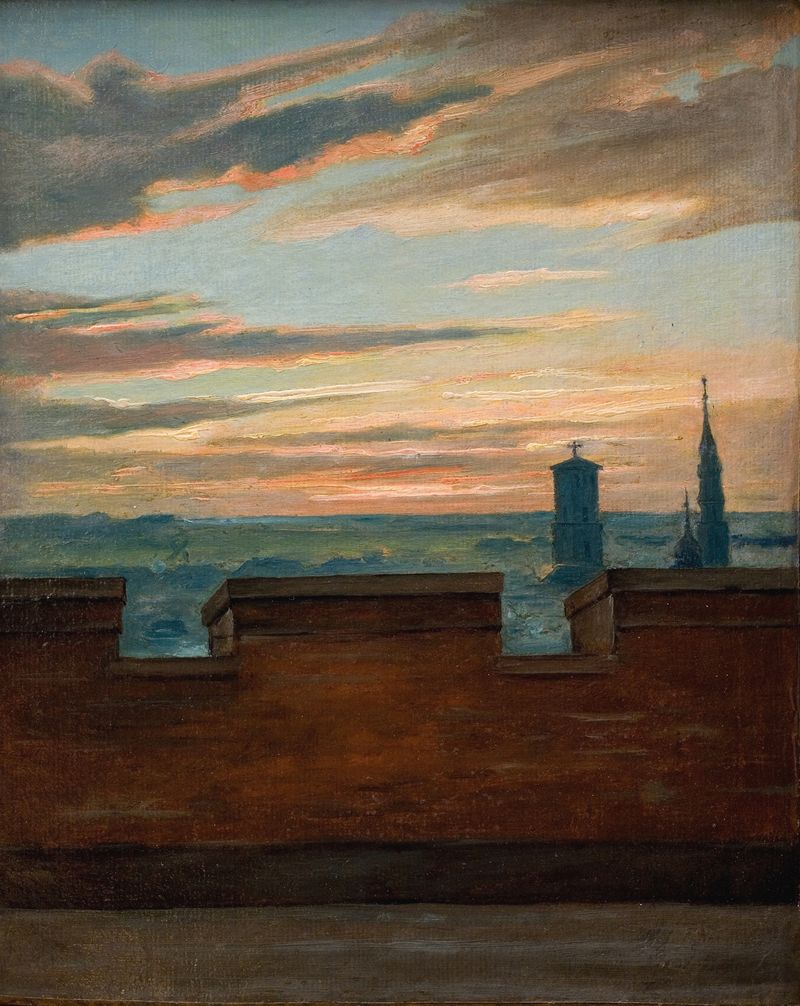
View of Copenhagen at Sunset
Martinus Rørbye
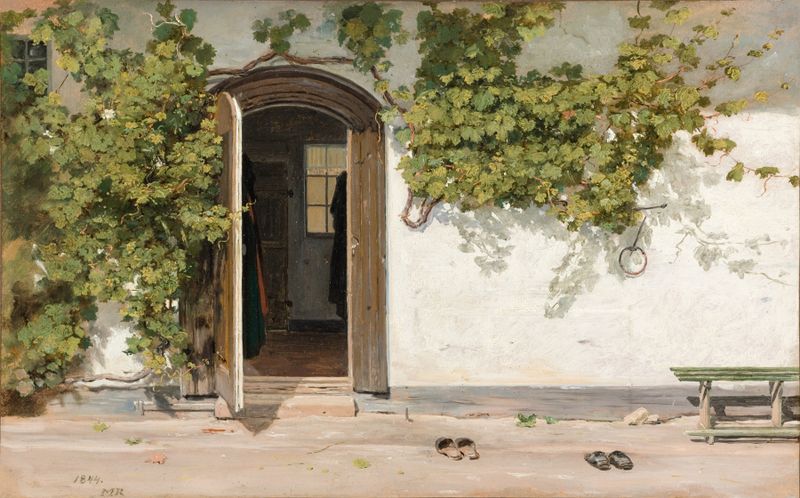
Entrance to an Inn in the Praestegarden at Hillested
Martinus Rørbye
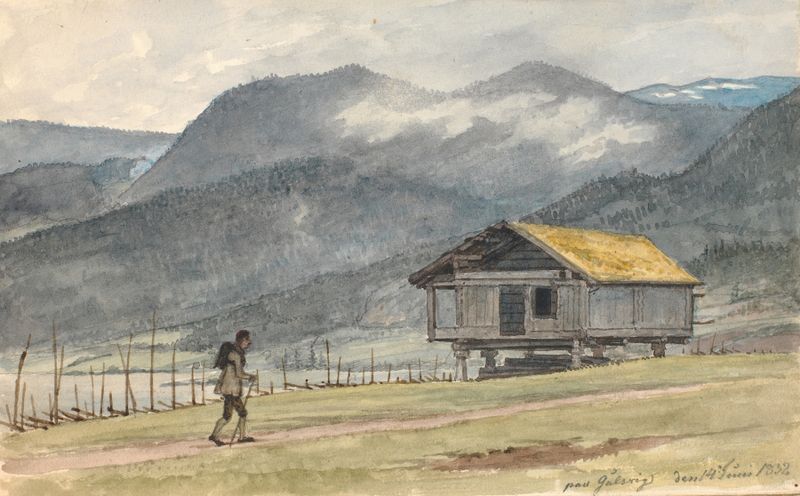
Fjeldlandskab med hytte og vandrer
Martinus Rørbye
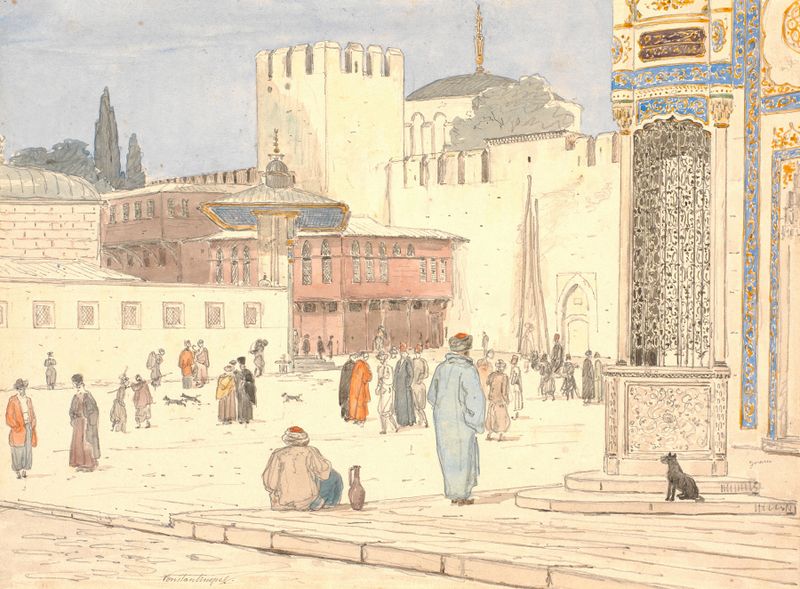
The Square in Front of Bab-i-Hümayan in Constantinople
Martinus Rørbye
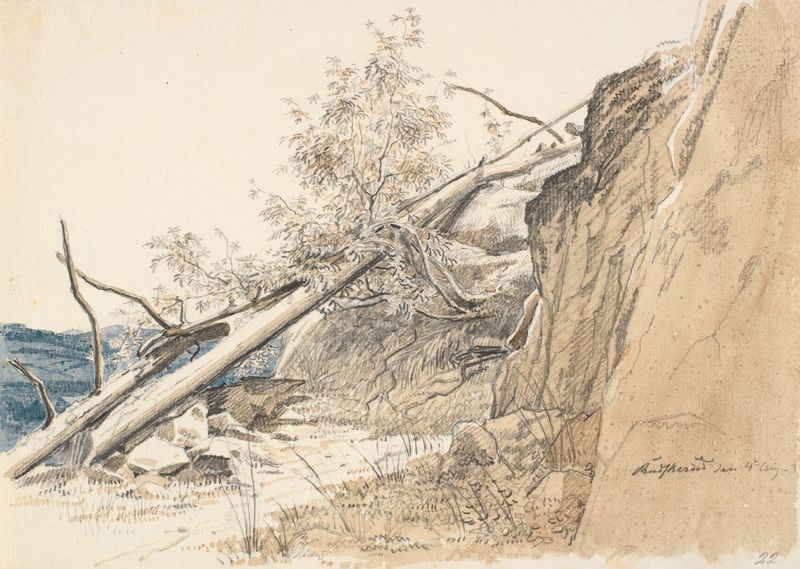
Tree Trunk Leaning Against a Rock. Norway
Martinus Rørbye
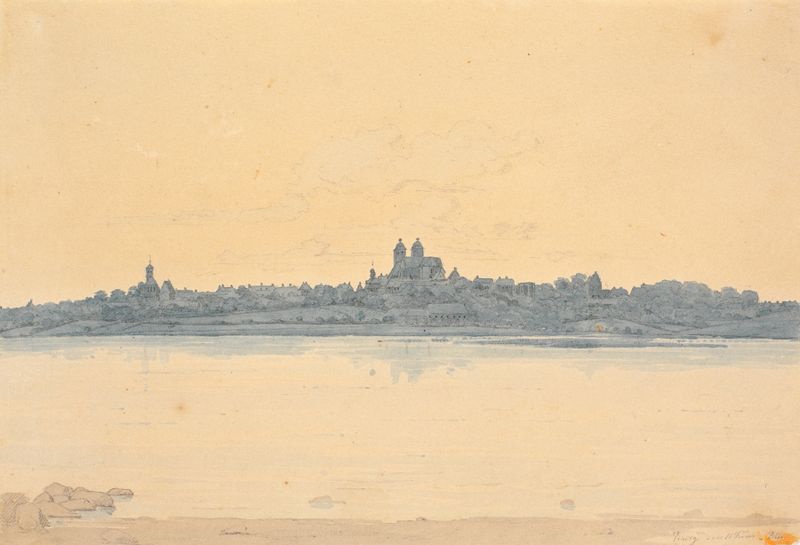
Viborg Seen from Asmild Klosterhave near Søndersø
Martinus Rørbye





