
An Icelandic bog — History & Facts
In An Icelandic bog, the allure of the landscape is intertwined with a haunting truth, hinting at the shadows hidden beneath the surface. Look to the center of the canvas, where the murky waters reflect a brooding sky. The palette of deep greens and browns presents a raw authenticity, drawing the eye to the shimmering highlights that dance along the water's edge. Notice how the dark, looming clouds above create a stark contrast against the vibrant patches of moss, heightening the emotional tension and enveloping the scene in a sense of foreboding. As you explore further, pay attention to the delicate interplay between light and shadow, a metaphor for the duality of nature itself.
The darkened bog evokes a certain eeriness, inviting contemplation about the beauty of desolation. Here, the isolation is palpable, suggesting an introspective moment in the artist’s journey, where he grapples with both the allure and the danger of the wild. Each brushstroke carries an emotional weight, creating a narrative of resilience amidst vulnerability. In 1862, Bayard Taylor was navigating his own artistic evolution while immersed in the landscapes of Iceland, drawing inspiration from its rugged beauty.
At that time, the world was captivated by Romanticism, a movement that celebrated the sublime in nature and human experience. Taylor’s work reflects this tension, as he sought to convey the grandeur of the Icelandic terrain while capturing the shadows lurking within its depths.
More Artworks by Bayard Taylor
Browse all →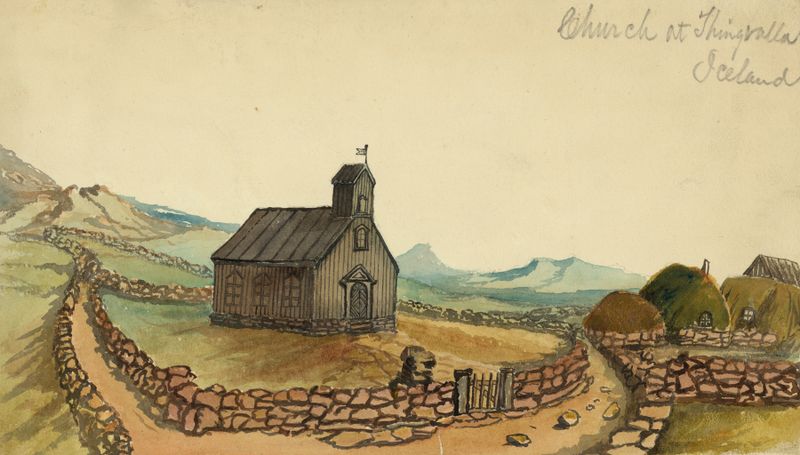
Church at Thingvalla Iceland
Bayard Taylor
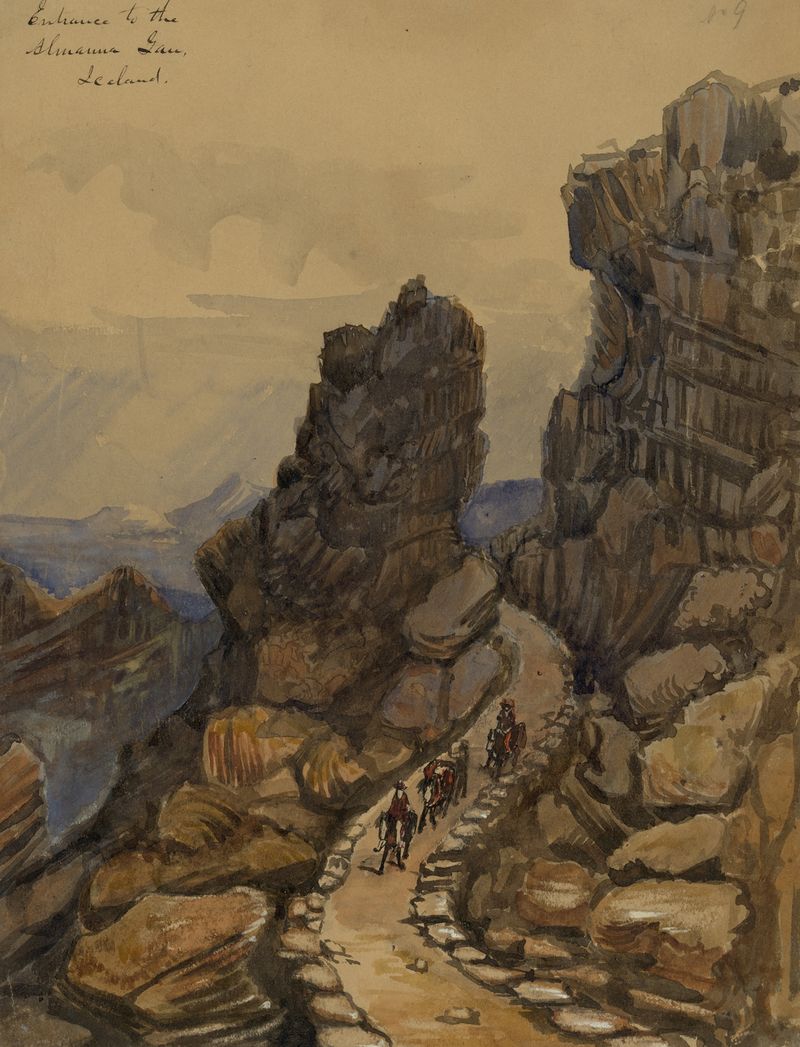
Entrance to the Almanna Gau, (e.g. Almannagjá) Iceland
Bayard Taylor
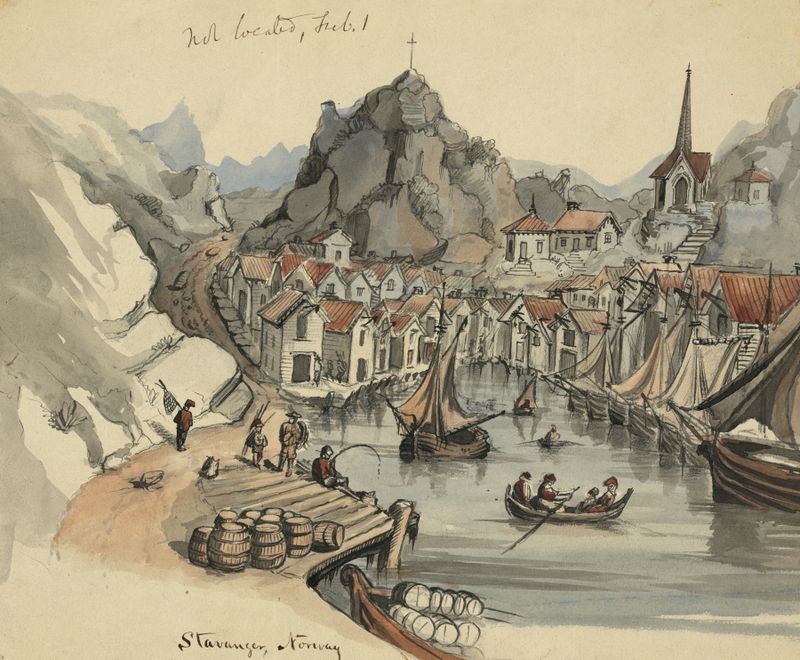
Stavanger, Norway
Bayard Taylor
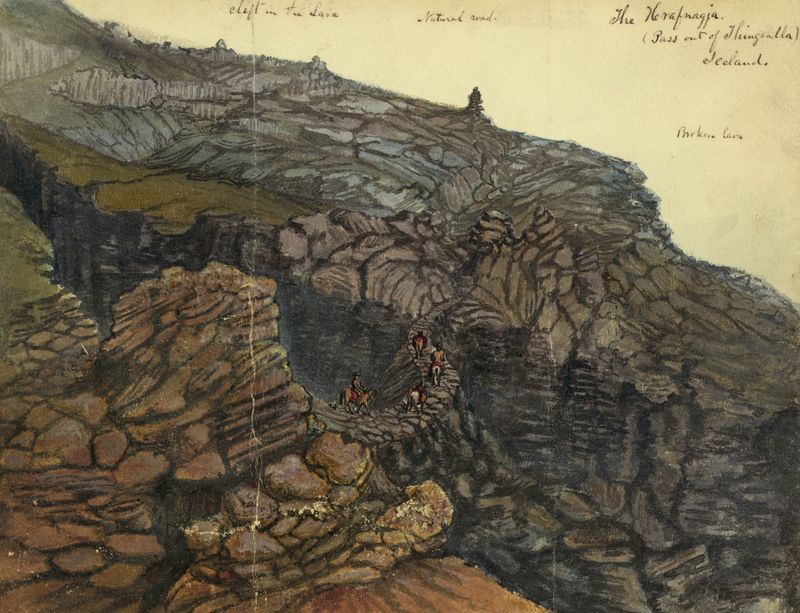
The Hrafnagja (pass out of Thingvalla Iceland)
Bayard Taylor

Kirk G boe Inn & ruins Faroe Island
Bayard Taylor
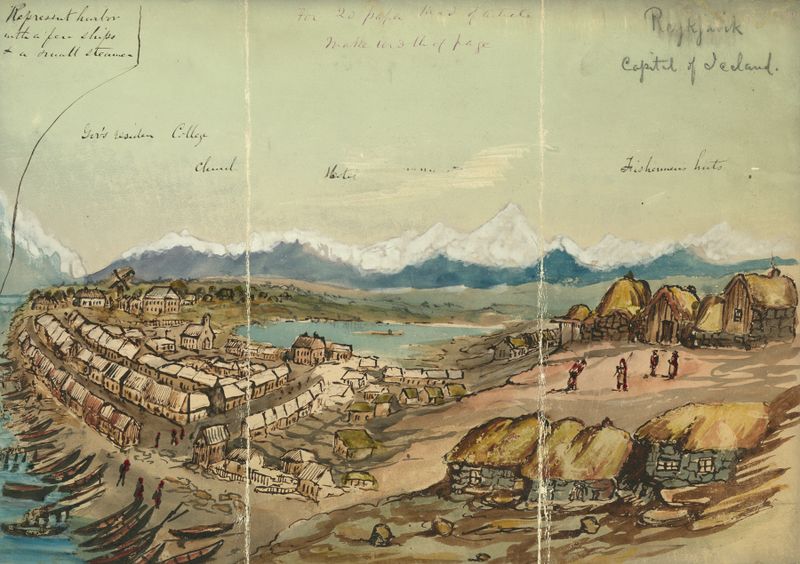
Rejkjavik capitol of Iceland
Bayard Taylor
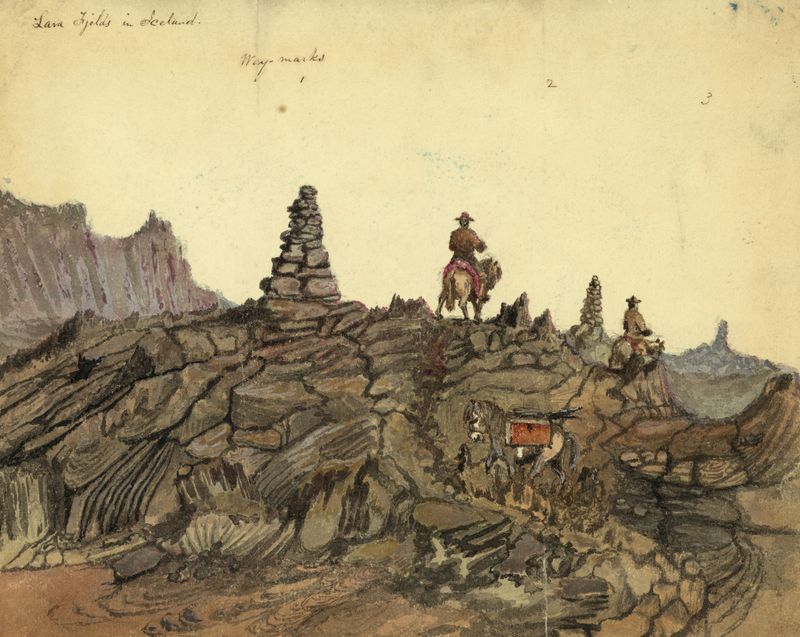
Lava fjelds in Iceland
Bayard Taylor
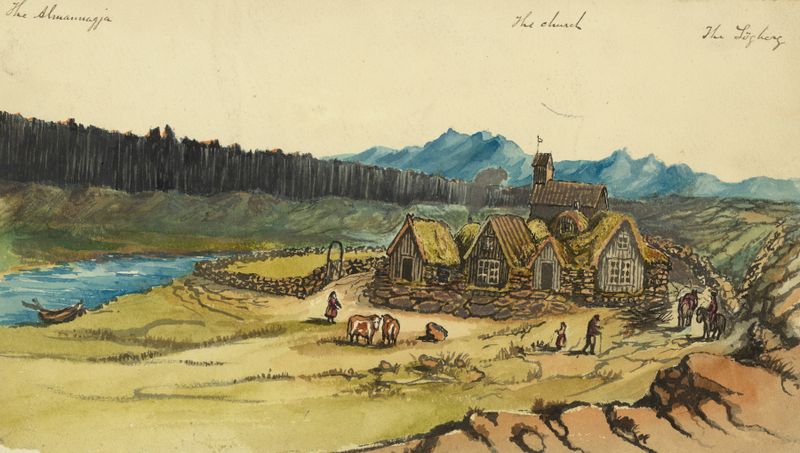
The Almannagjá the church the L’gherg
Bayard Taylor

The Tintron Rock, Iceland
Bayard Taylor
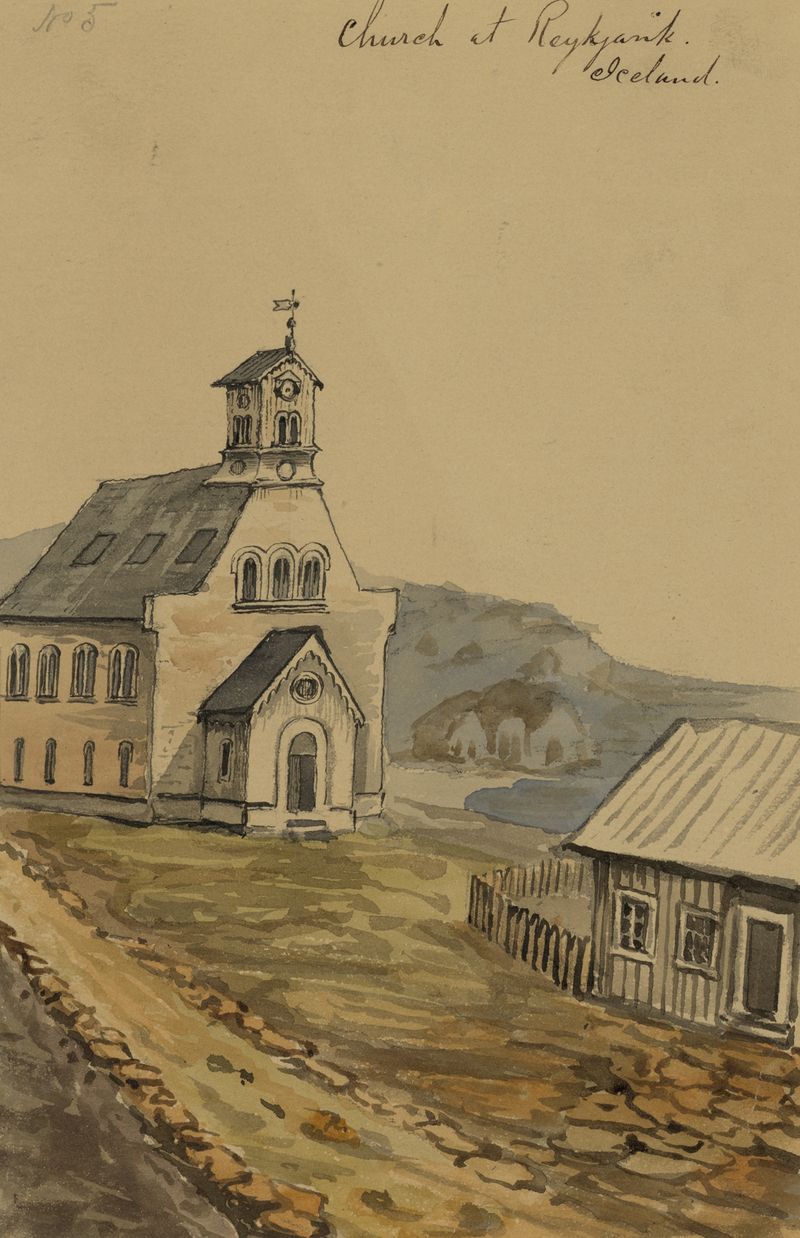
Church at Rejkjavik Iceland
Bayard Taylor





