
Church at Thingvalla Iceland — History & Facts
In the vast expanse of the Icelandic landscape, a church stands solemnly, yet resolutely, amidst a world of contrasts, evoking a sense of both tranquility and isolation. Look to the center of the canvas, where the church rises against an abyss of muted greens and grays, its architecture simple yet commanding. The sharp angles of the roof reach toward the pale sky, contrasted by the soft, swirling clouds that envelop it. Notice how Taylor employs a delicate palette, with every brushstroke inviting the viewer to explore the interplay of light and shadow that dances upon the church's façade.
The composition feels intentional, as if every element is a note in a hymn dedicated to the beauty of solitude in a wild landscape. There’s a poignant tension in the juxtaposition of the man-made structure and the rawness of nature surrounding it. The church, emblematic of faith and community, stands almost as a sentinel against the void – a symbol of hope against the existential silence of the land. This interplay prompts reflection on humanity’s desire to carve sanctity from the wilderness, while simultaneously revealing the vulnerability of such aspirations in the face of nature's grandeur. In 1862, Taylor was deeply engaged with landscapes that celebrated both the beauty and the desolation of his subjects.
Painting in Iceland during a time when Romanticism was at its zenith, he sought to express the sublime nature of the untamed world. This work reflects his efforts to bridge human experience with elemental forces, capturing a moment where architecture and landscape collide in a gripping dialogue about existence and purpose.
More Artworks by Bayard Taylor
Browse all →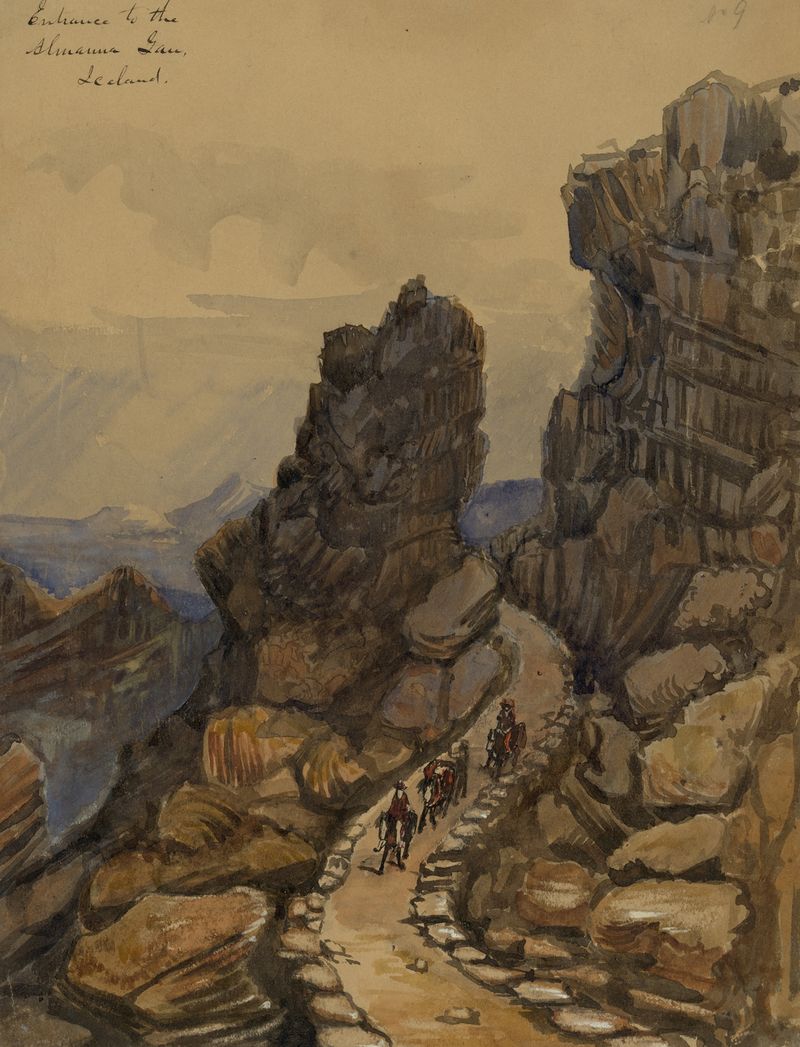
Entrance to the Almanna Gau, (e.g. Almannagjá) Iceland
Bayard Taylor
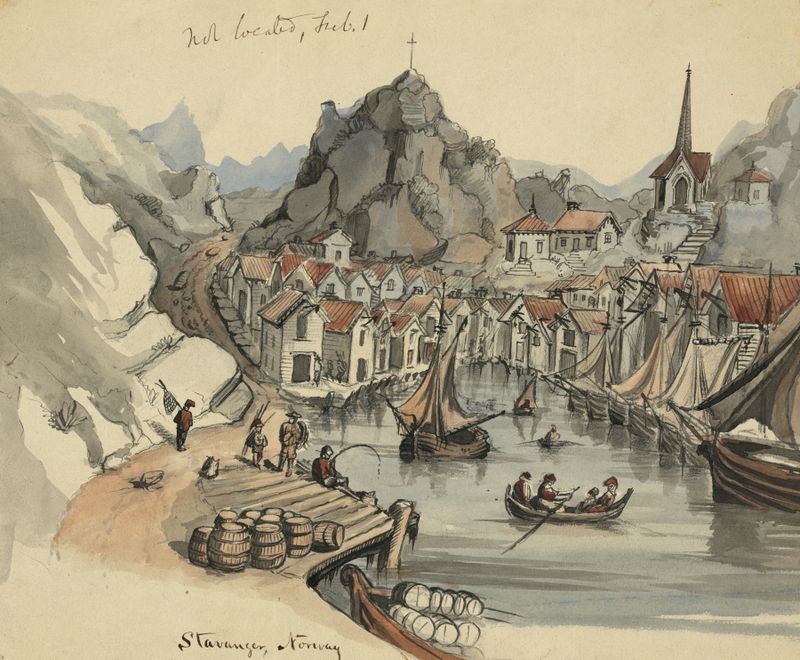
Stavanger, Norway
Bayard Taylor
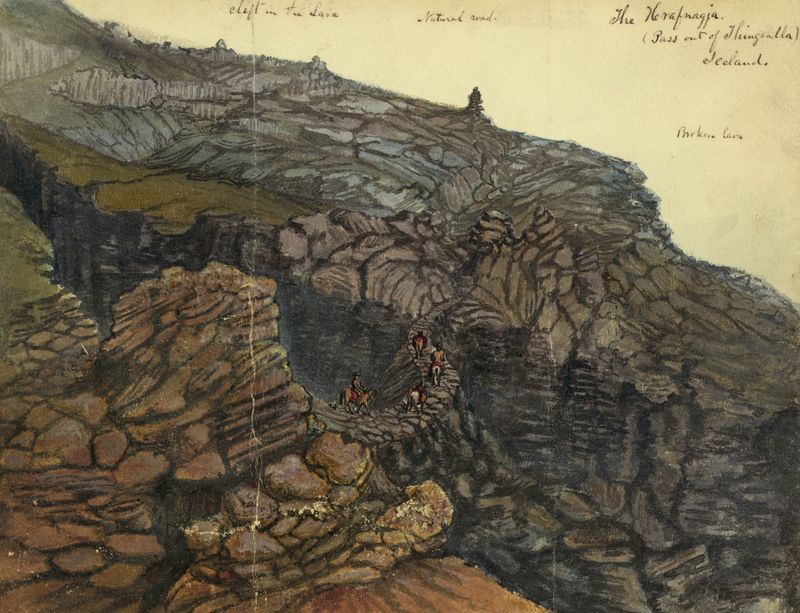
The Hrafnagja (pass out of Thingvalla Iceland)
Bayard Taylor

Kirk G boe Inn & ruins Faroe Island
Bayard Taylor
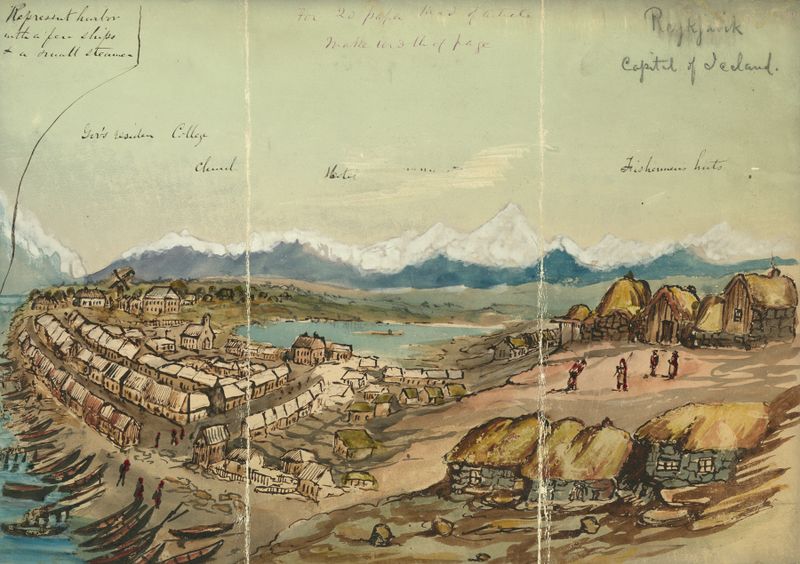
Rejkjavik capitol of Iceland
Bayard Taylor
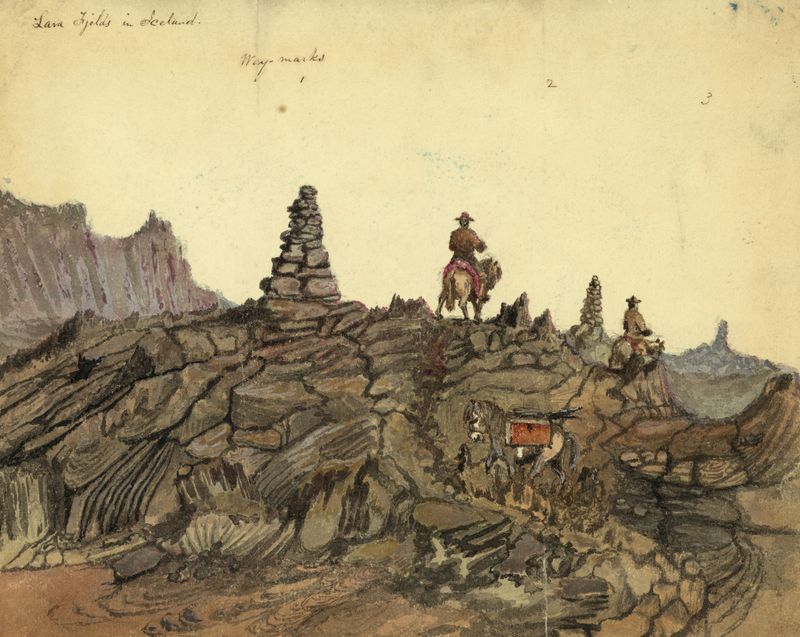
Lava fjelds in Iceland
Bayard Taylor
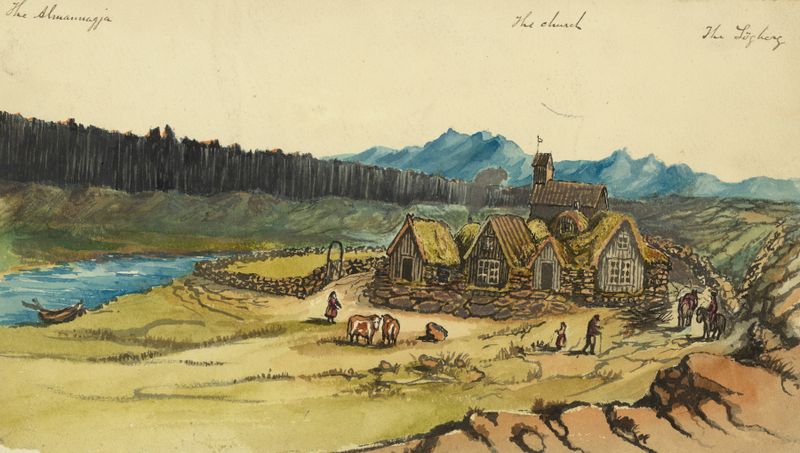
The Almannagjá the church the L’gherg
Bayard Taylor

The Tintron Rock, Iceland
Bayard Taylor
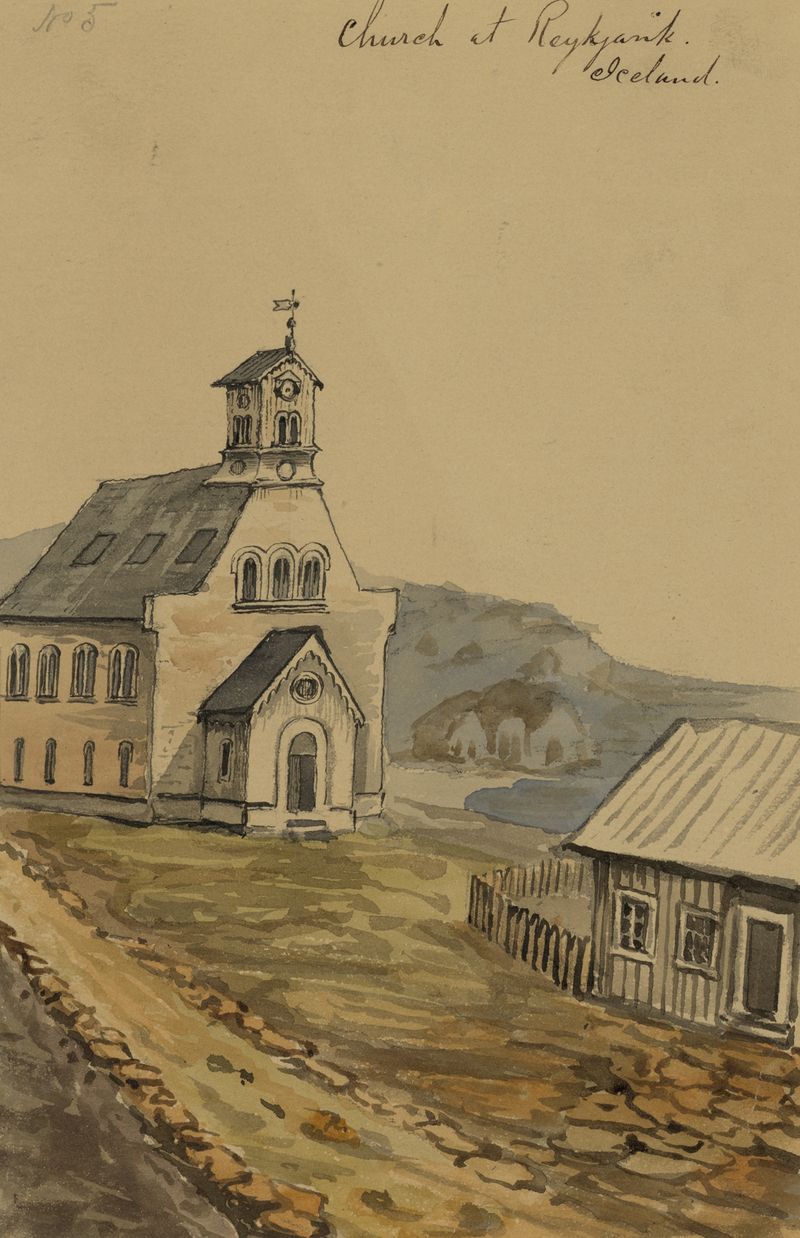
Church at Rejkjavik Iceland
Bayard Taylor

An Icelandic bog
Bayard Taylor





