
An Open Road — History & Facts
Did the painter know this moment would outlive them? In An Open Road, the silence envelops the viewer, inviting a deep contemplation of the journey ahead. Look to the left, where a meandering road unfurls like a ribbon, drawing your gaze into the distance. The horizon stretches wide under a dome of soft, atmospheric hues that shift from powdery blues to warm, inviting golds. Notice how the delicate brushstrokes evoke a sense of movement, capturing the gentle sway of trees that frame the pathway.
Each element, from the textured foliage to the subtle play of light, enhances the feeling of quiet anticipation. The open road serves as a metaphor for possibility, yet also hints at solitude. The absence of figures invites introspection, allowing viewers to project their own journeys onto the canvas. The contrast between the vibrant earth tones and the ethereal sky suggests a balance between the tangible and the dreamlike, evoking feelings of both freedom and uncertainty.
The silence is palpable, urging us to reflect on our own paths and the choices that shape them. Patrick Nasmyth painted An Open Road during a period when Romanticism was influencing the art world, likely in the early 19th century. His focus on landscapes coincided with a growing appreciation for nature's beauty and emotional depth. As he navigated his artistic journey, he sought to capture not just vistas, but the very essence of human experience intertwined with the natural world.
More Artworks by Patrick Nasmyth
Browse all →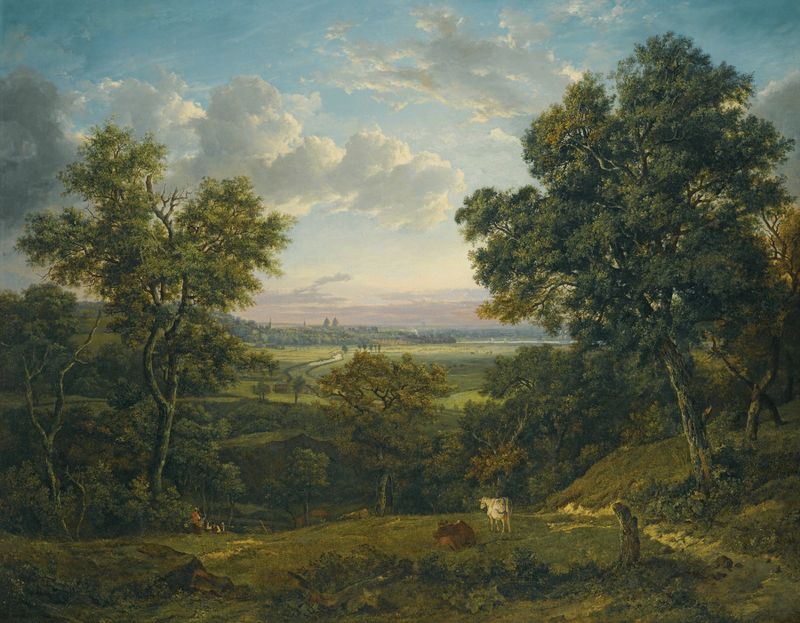
View Of Greenwich, From Charlton Wood, Near Woolwich
Patrick Nasmyth
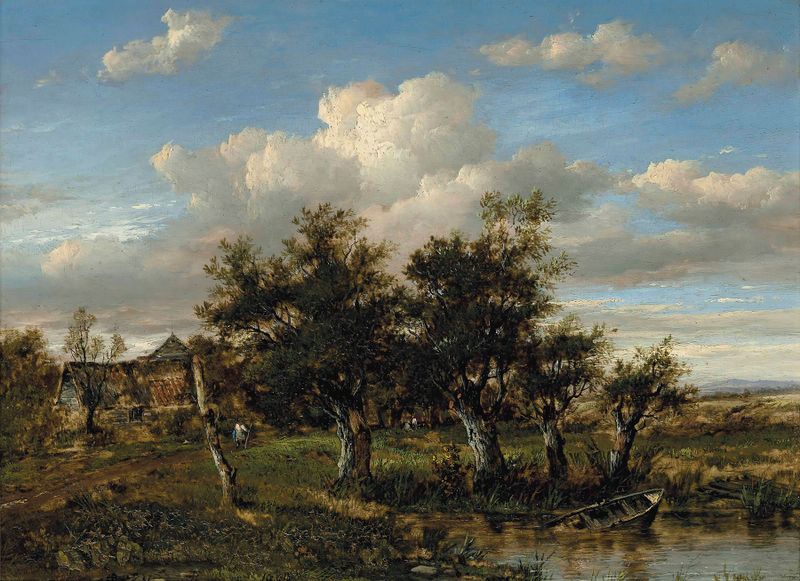
An Old Farmstead, Near St Albans
Patrick Nasmyth
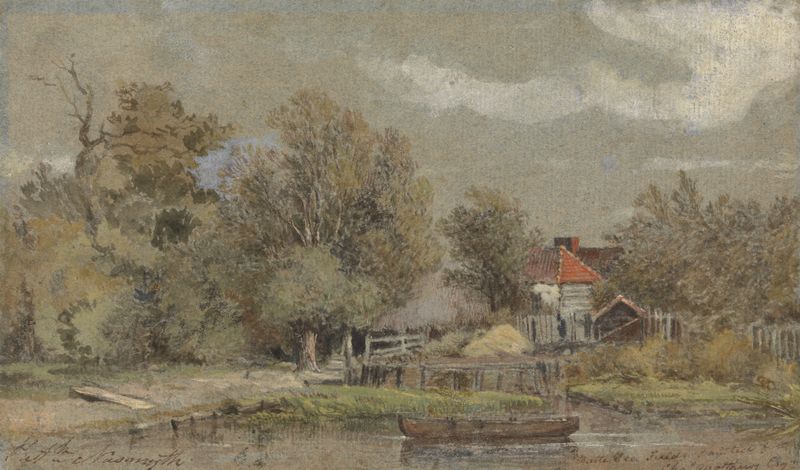
Battersea Fields
Patrick Nasmyth
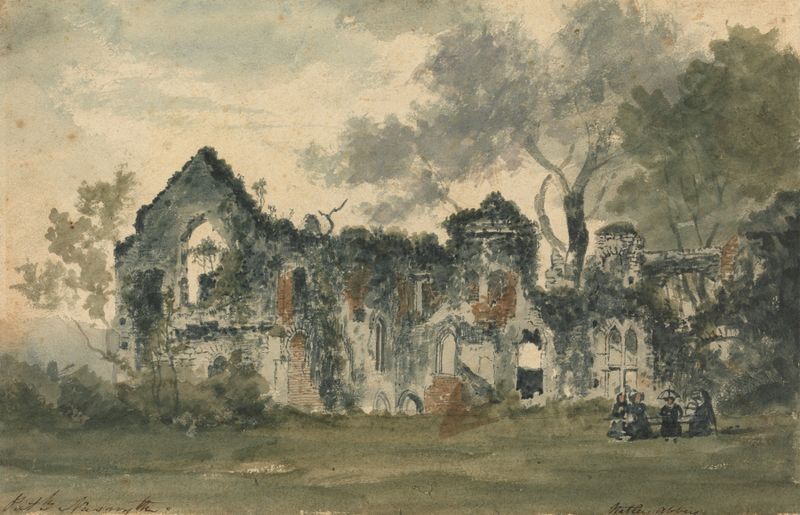
Netley Abbey
Patrick Nasmyth
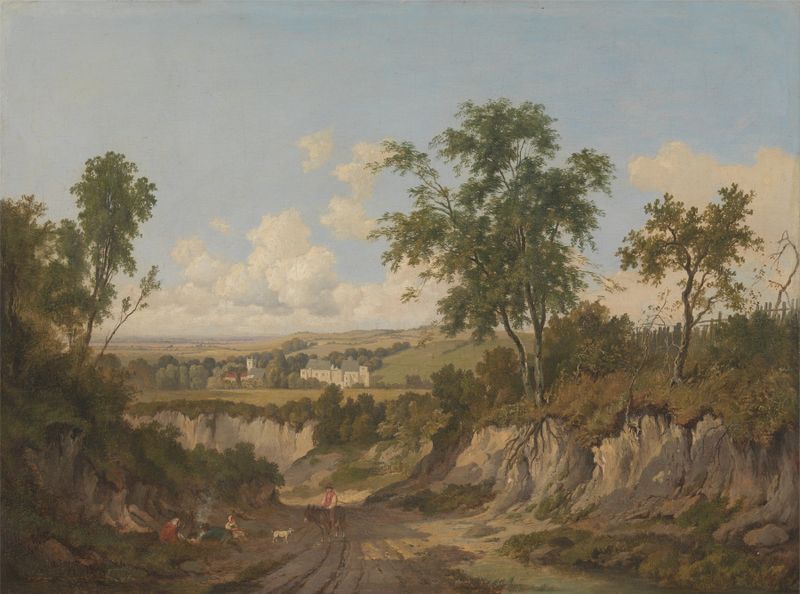
Penshurst Place, Kent
Patrick Nasmyth
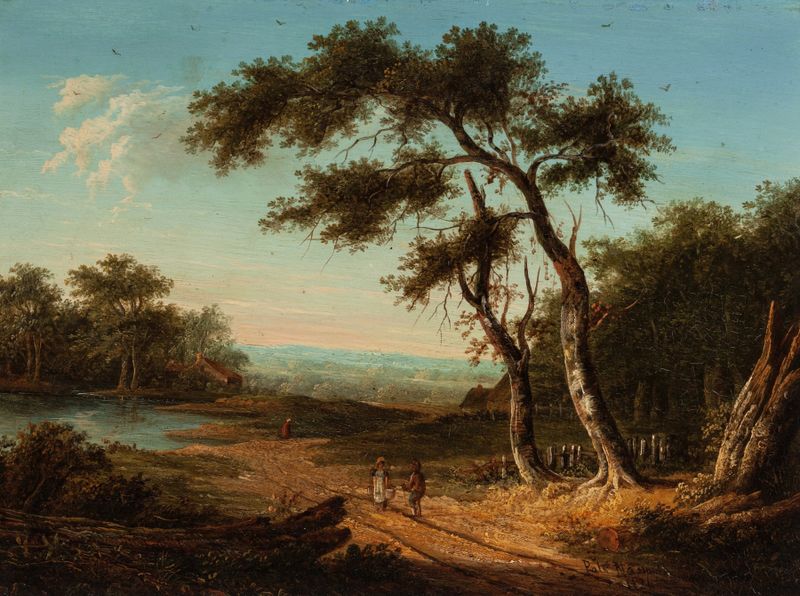
Figures on a Sunlit Country Road
Patrick Nasmyth
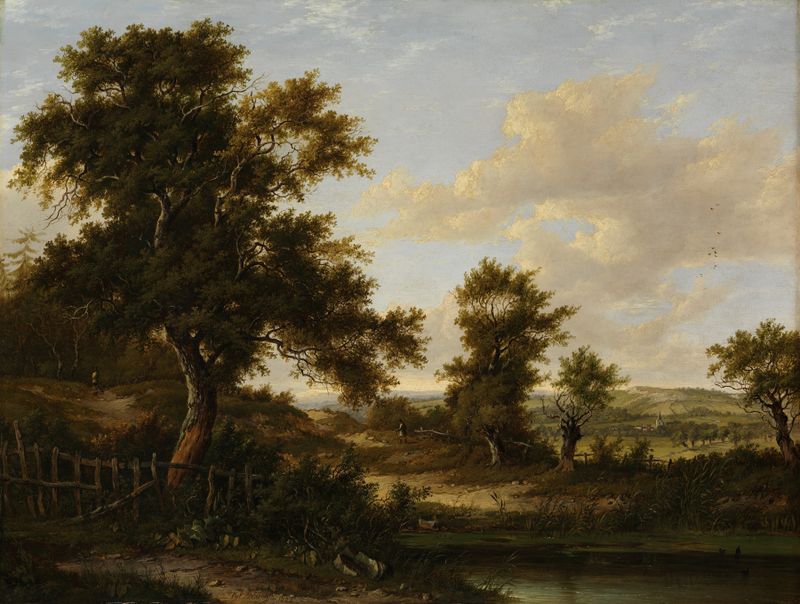
Near Penshurst, Kent
Patrick Nasmyth
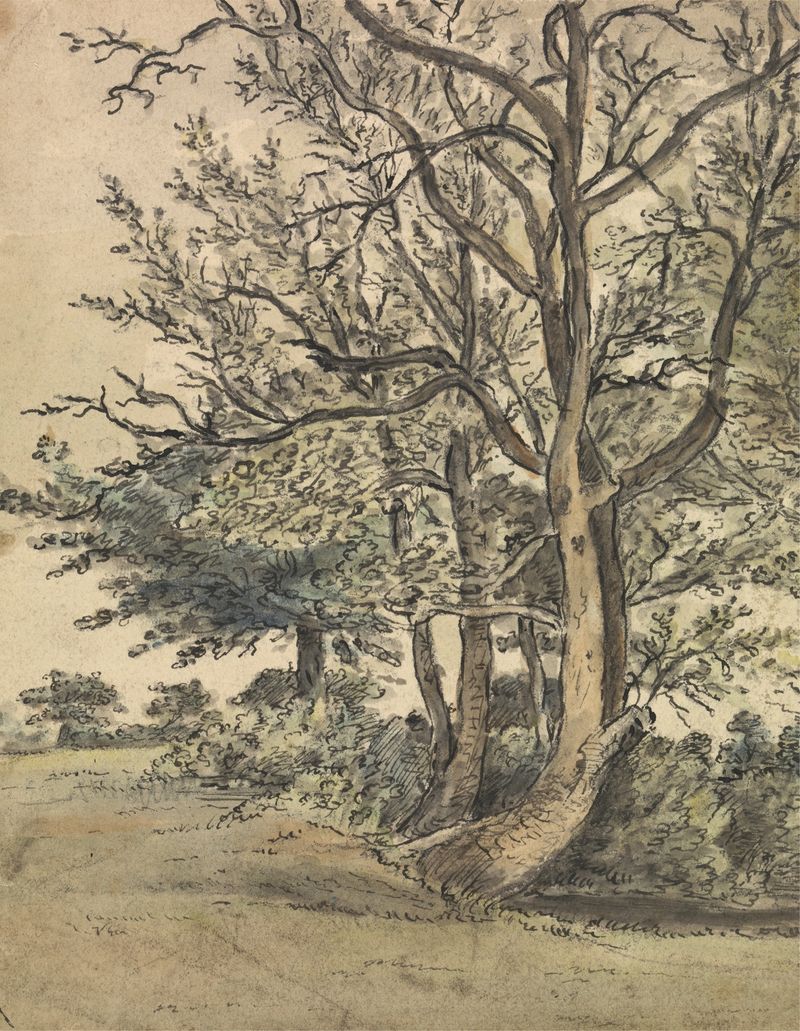
Part of Regent’s Park
Patrick Nasmyth
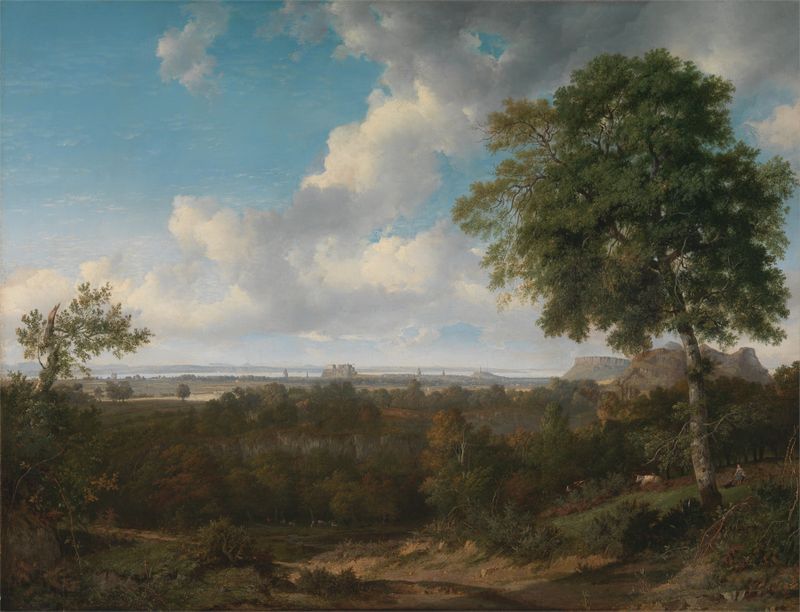
Edinburgh from the Braids
Patrick Nasmyth
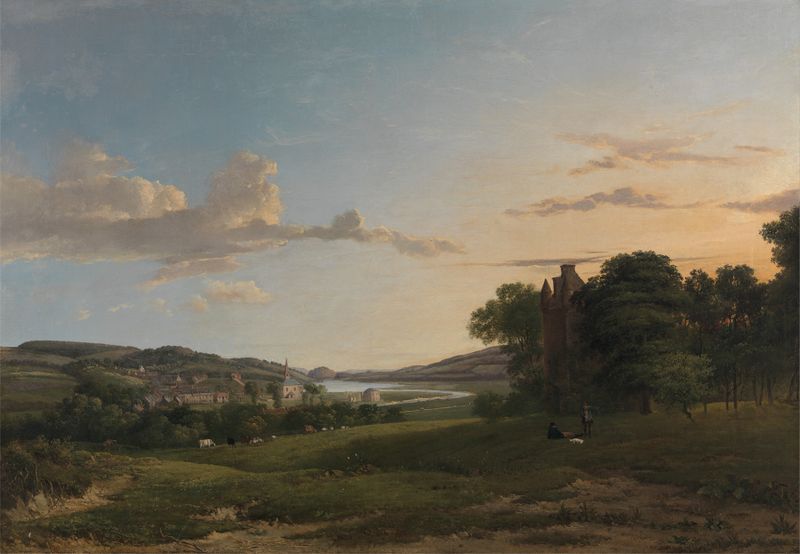
A View of Cessford and the Village of Caverton, Roxboroughshire in the Distance
Patrick Nasmyth





