
Netley Abbey — History & Facts
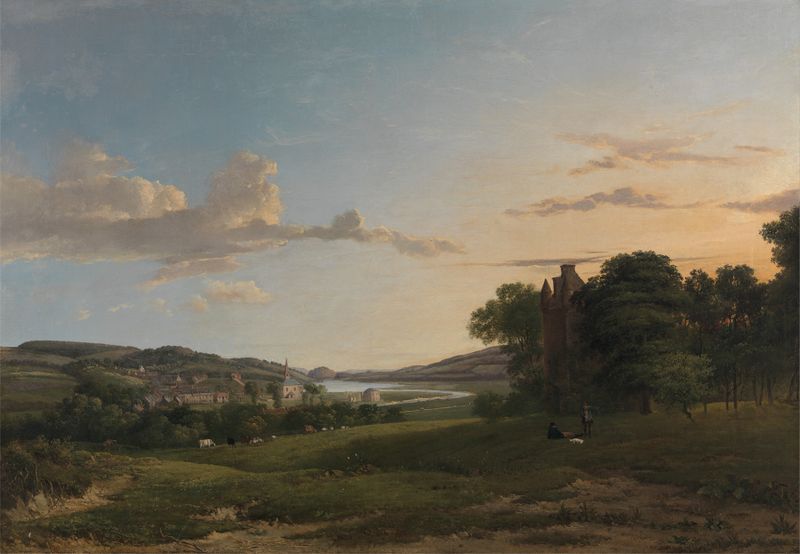
In the stillness of a quiet landscape, a world unfolds, beckoning discovery and admiration. Look to the center of the canvas, where the ruins of Netley Abbey rise from the lush greenery, their stonework woven with vines and soft shadows. Notice how the artist captures the interplay of light and shadow; warm golden rays filter through the trees, illuminating the ghostly remnants of the abbey while dappled emerald hues breathe life into the foreground. The delicate brush strokes create a sense of texture, inviting the viewer to almost feel the coolness of the stones and the gentle rustle of leaves in the breeze. Yet, within this serene depiction lies a profound tension between nature and decay.
The abbey stands as a beautiful, crumbling monument to time, whispering stories of its past glory, while the encroaching foliage suggests the relentless grip of nature drawing it back into its embrace. The contrast between the sturdy, man-made architecture and the ephemeral beauty of the surrounding landscape evokes awe, reminding us of the transient nature of existence and human endeavor. The artist painted this scene during the early 19th century, a time when the Romantic movement was flourishing in Britain, celebrating the sublime beauty of nature and the ruins of the past. Nasmyth, influenced by his contemporaries, sought to capture not merely the physicality of the landscape but also the emotional resonance it held for viewers.
In a period marked by industrialization, his work serves as both a homage to the past and a reflection on the enduring power of nature.
More Artworks by Patrick Nasmyth
Browse all →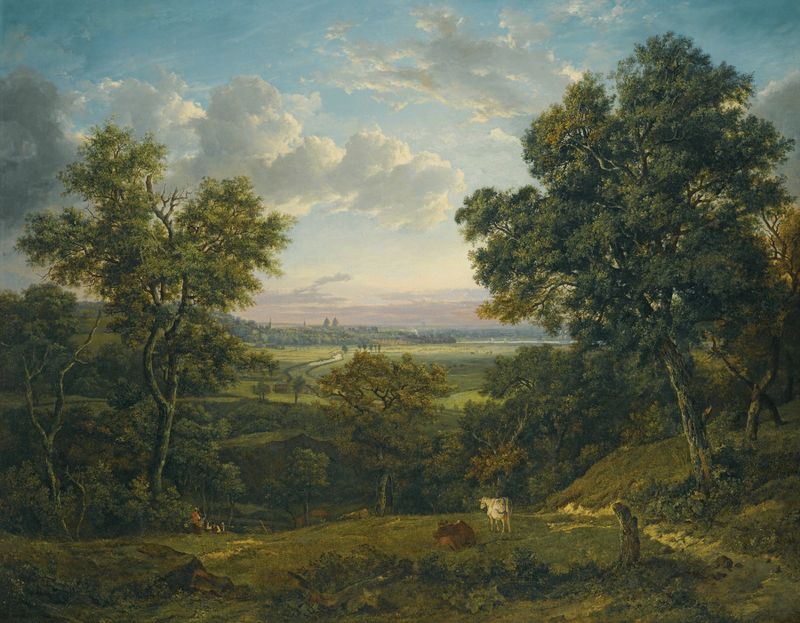
View Of Greenwich, From Charlton Wood, Near Woolwich
Patrick Nasmyth
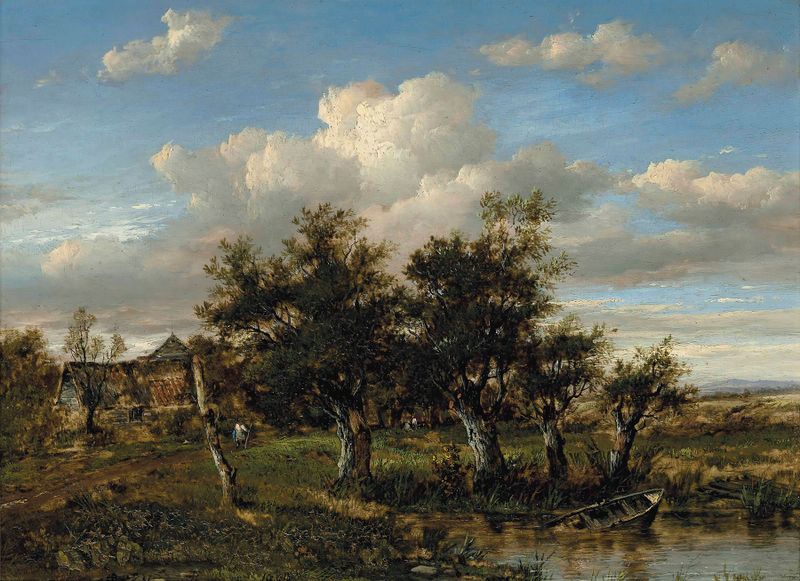
An Old Farmstead, Near St Albans
Patrick Nasmyth
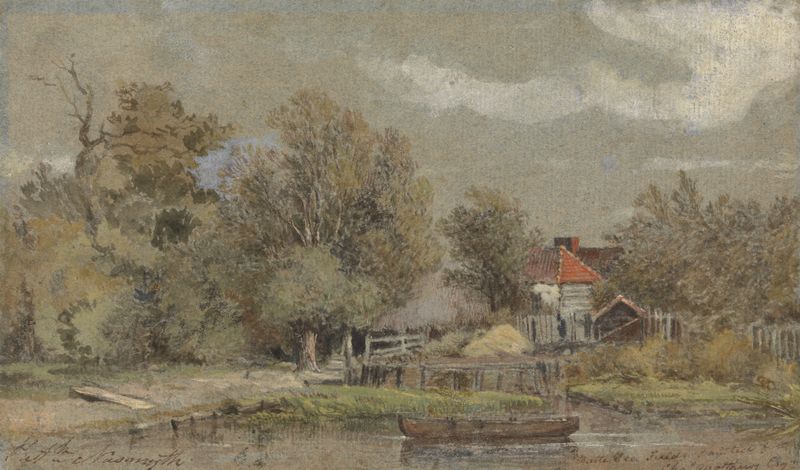
Battersea Fields
Patrick Nasmyth
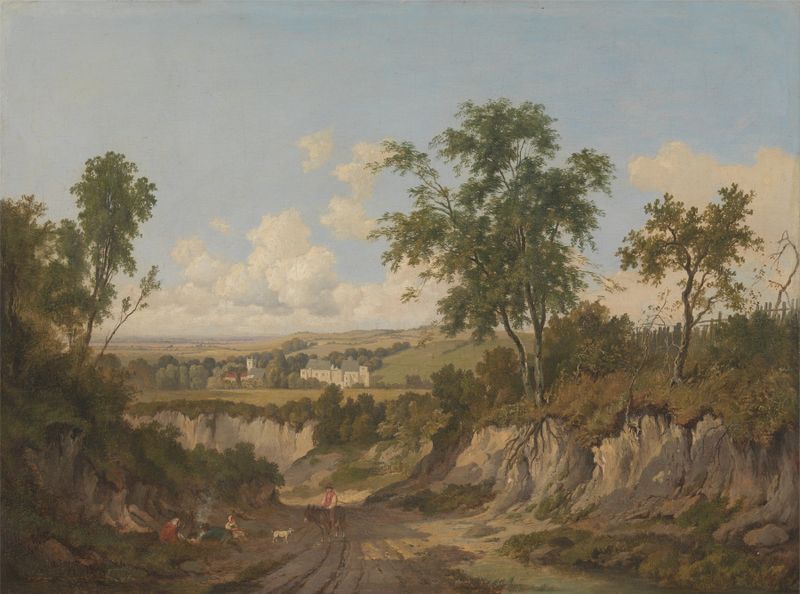
Penshurst Place, Kent
Patrick Nasmyth
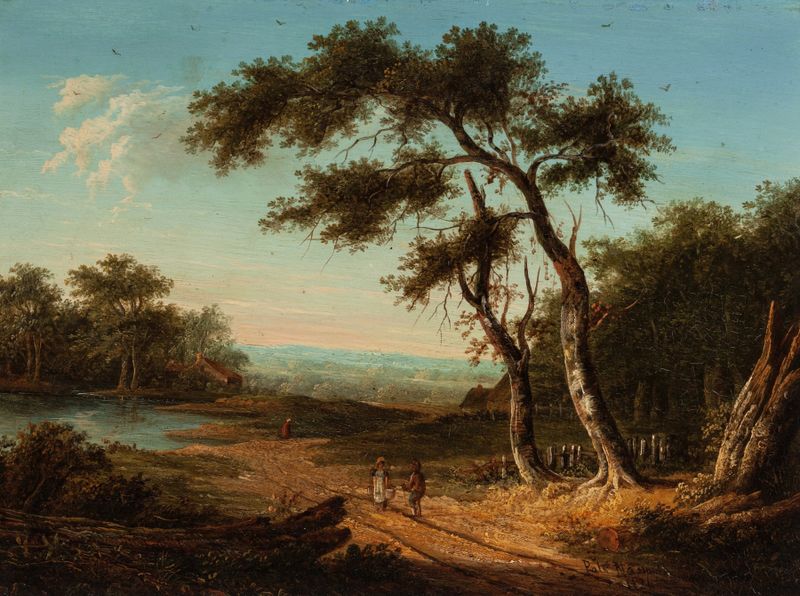
Figures on a Sunlit Country Road
Patrick Nasmyth
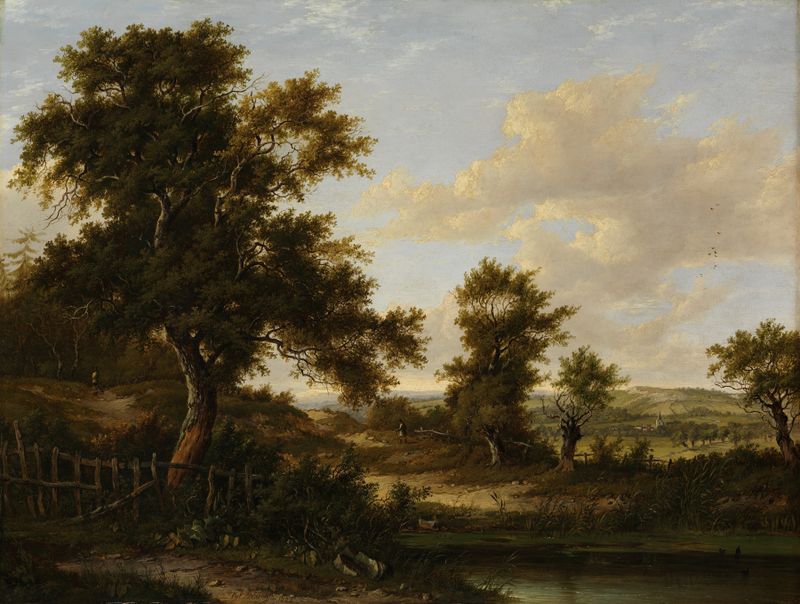
Near Penshurst, Kent
Patrick Nasmyth
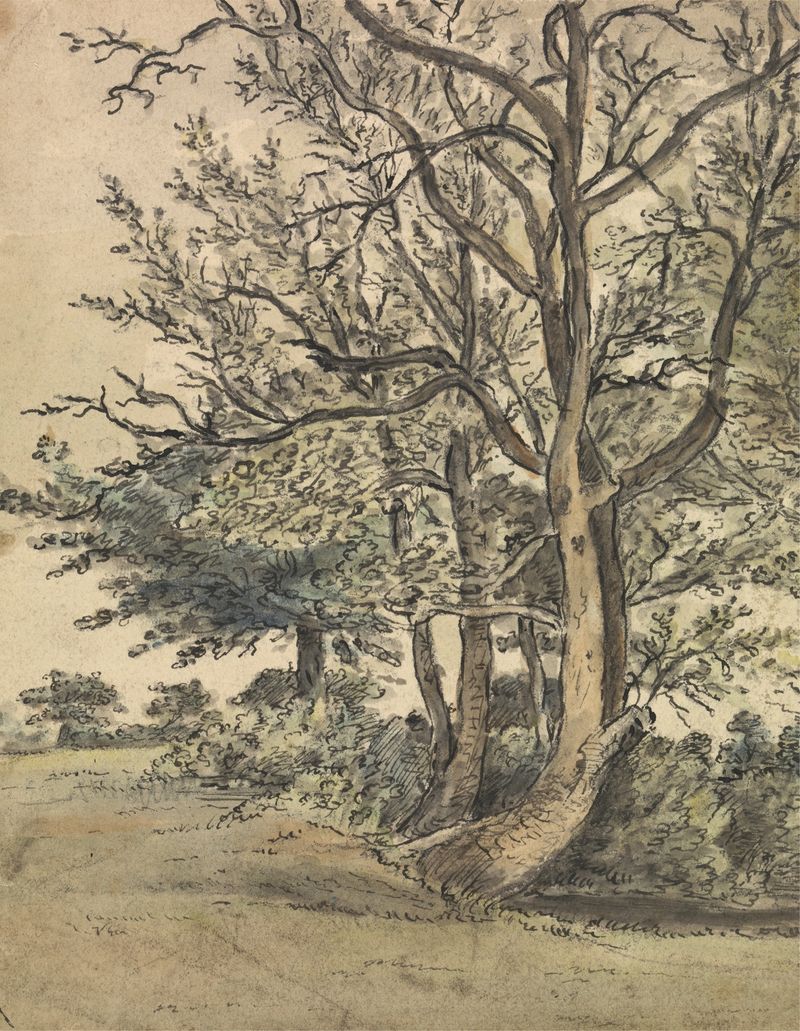
Part of Regent’s Park
Patrick Nasmyth
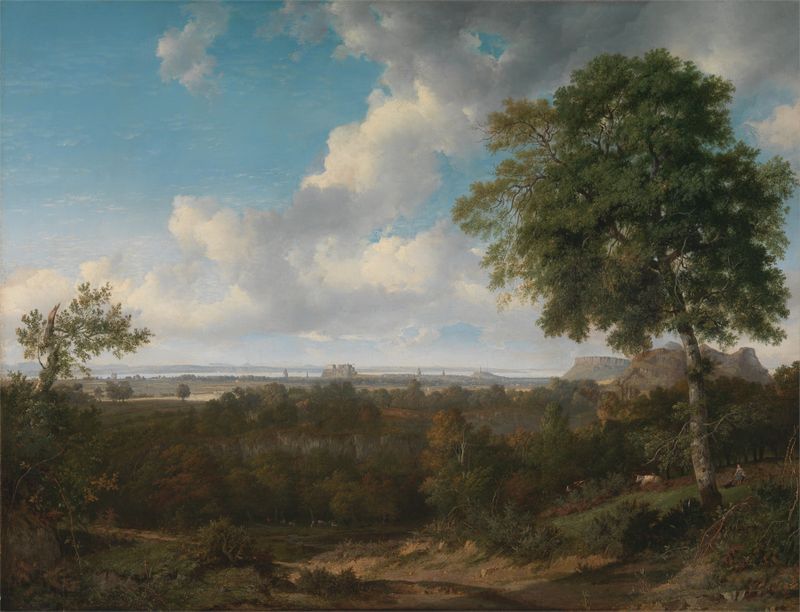
Edinburgh from the Braids
Patrick Nasmyth
A View of Cessford and the Village of Caverton, Roxboroughshire in the Distance
Patrick Nasmyth
An Open Road
Patrick Nasmyth





