
Anacapri — History & Facts
In Anacapri, the enchanting light dances across the canvas, illuminating the interplay between nature and emotion, revealing layers of hidden stories beneath the surface. Look to the foreground, where the sun-kissed rocks glimmer with vibrant yellows and soft whites. The deep azure seascape stretches into the distance, creating a serene backdrop that contrasts with the rugged terrain. Notice how Mønsted masterfully captures the reflection of the sunlight on the water, each brushstroke mirroring the gentle lapping of waves against the shore.
The color palette evokes warmth, inviting the viewer into a moment of stillness amidst the vitality of the scene. Yet, beneath the tranquil beauty lies the tension of isolation. The lone figure, dwarfed by the monumental cliffs, suggests a poignant solitude, whispering of the human experience within nature's vastness. The juxtaposition of the vibrant light against the rocky landscape hints at the fragility of existence, a fleeting moment of joy amidst the permanence of stone.
Each detail, from the delicate foliage to the distant horizon, resonates with the complexity of life — a blend of awe and melancholy. In 1884, Peder Mørk Mønsted created this work during a time when Impressionism was reshaping the landscape of art. Living in Denmark, he was influenced by the emerging European fascination with the natural world, particularly the interplay of light and color. As he painted Anacapri, he sought not just to depict a picturesque locale but to encapsulate the emotional essence of a moment, drawing upon both personal experience and broader artistic movements.
More Artworks by Peder Mørk Mønsted
Browse all →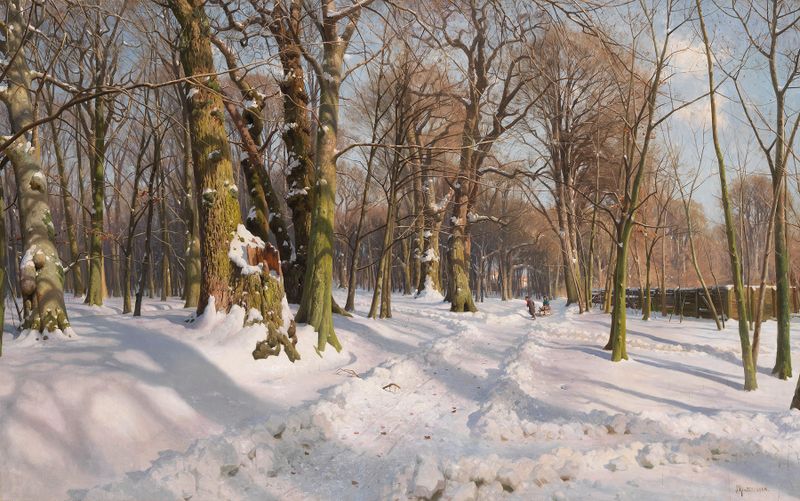
Snowy Forest Path in Sunlight
Peder Mørk Mønsted

Winter Landscape
Peder Mørk Mønsted
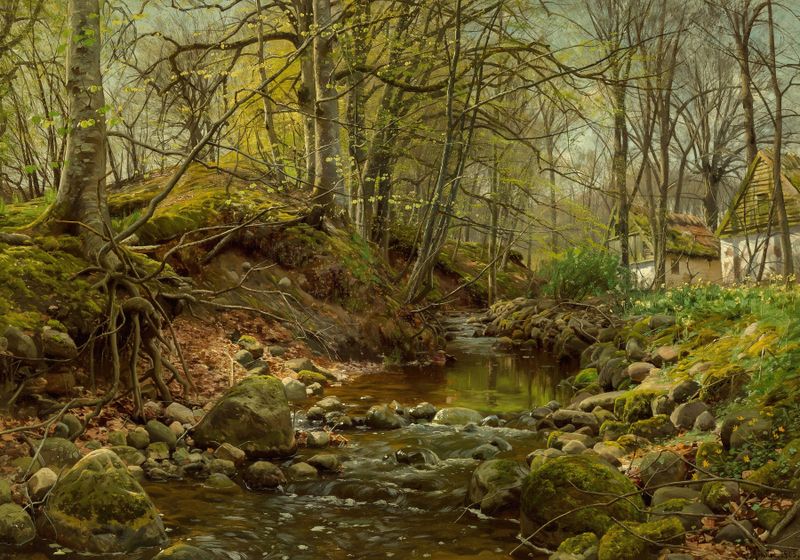
A forest stream
Peder Mørk Mønsted

Forest Stream
Peder Mørk Mønsted

Flußlauf am Waldesrand
Peder Mørk Mønsted

Wooded path by a river
Peder Mørk Mønsted
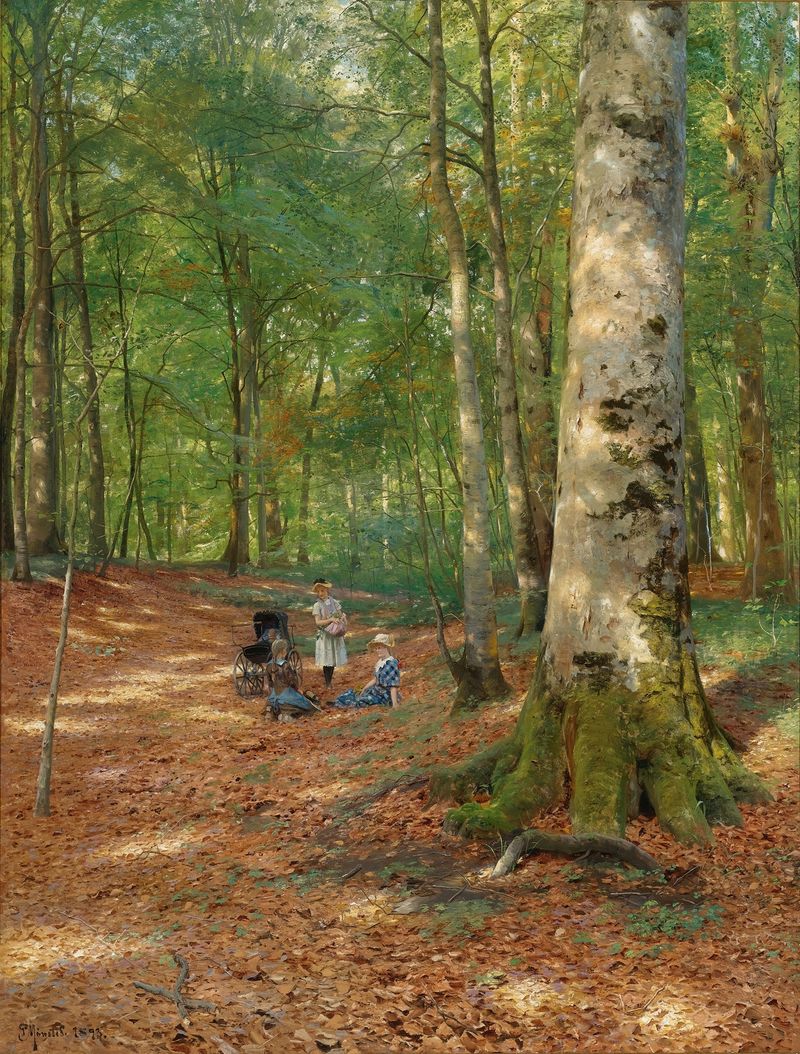
The Woodland Glade
Peder Mørk Mønsted

Summer In Capri
Peder Mørk Mønsted
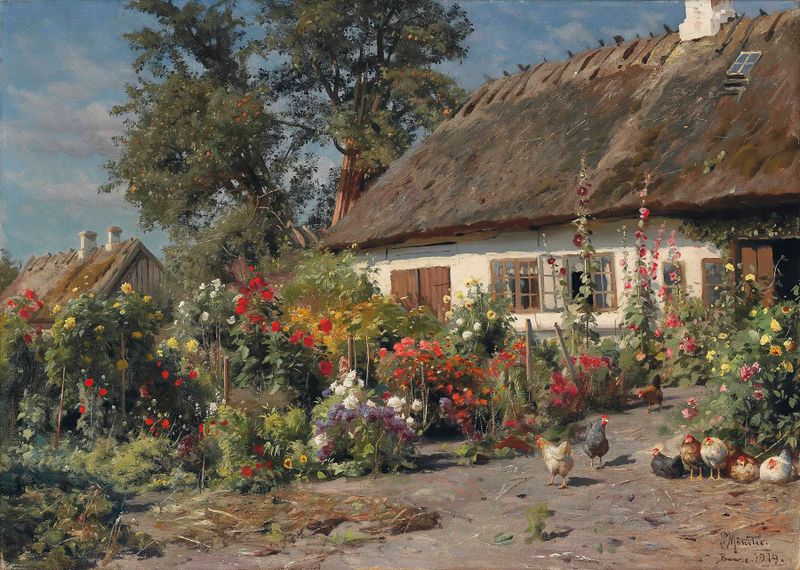
A Cottage Garden With Chickens
Peder Mørk Mønsted
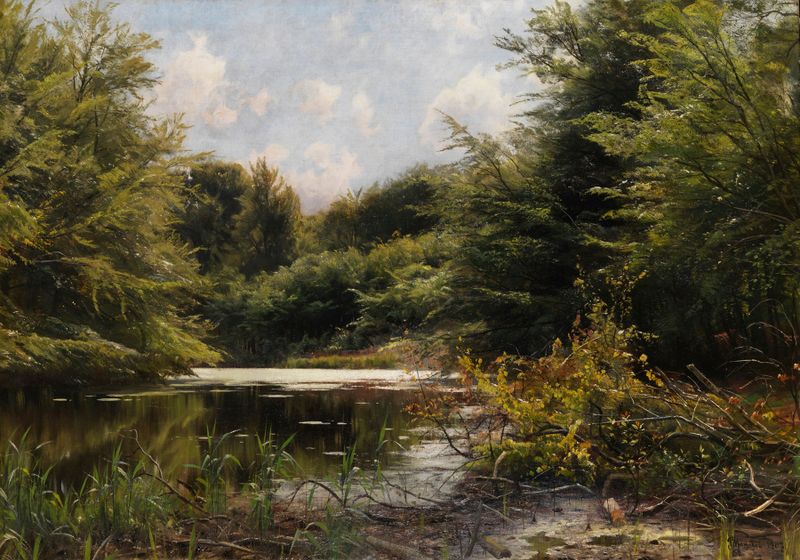
Late summer at Waldteich
Peder Mørk Mønsted





