
Ancient Aqueduct — History & Facts
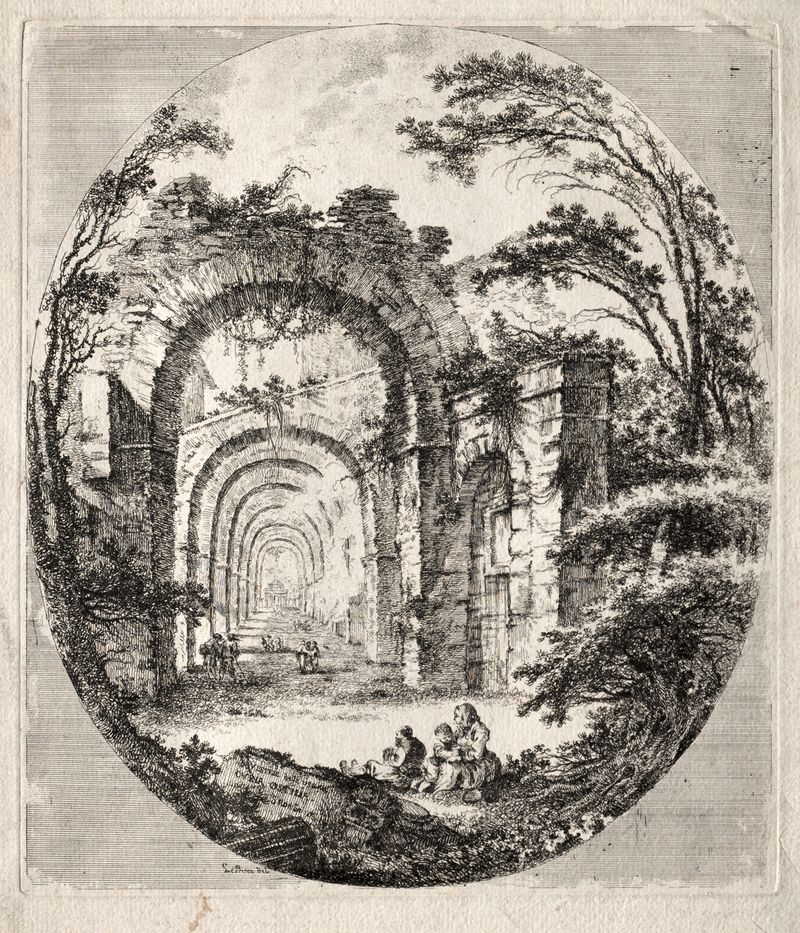
Is this a mirror — or a memory? The ancient aqueduct stands as a testament to human ingenuity, echoing the past while inviting contemplation of a world that has long vanished. To appreciate the artwork, look to the center where the monumental arches converge, framing an idyllic landscape that breathes life into the stone. Notice how the gentle curve of the aqueduct contrasts with the ruggedness of the terrain, echoing the tension between nature and human ambition. The soft hues of the sky, painted in delicate pastels, invite the eye to explore the depths of the scene, while subtle variations in light hint at the time of day, suggesting a fleeting moment caught in eternity. Hidden within the composition are themes of nostalgia and the passage of time.
The weathered stones symbolize the resilience of human creation against the relentless march of nature, while the verdant surroundings emphasize the cycle of life and decay. The aqueduct, once vibrant with purpose, now stands in silence, provoking a reflection on what remains after the builders have gone. The void it implies speaks of history lost, yet also the enduring spirit of human aspiration. In 1756, while residing in Italy, the artist captured Ancient Aqueduct against a backdrop of a burgeoning interest in classical ruins and landscape painting.
The period was characterized by a fascination with antiquity and a shift towards romanticism in art. This work demonstrates an engagement with those themes, positioning the artist within a larger conversation about the beauty and fragility of human creations amidst the passage of time.
More Artworks by Jean-Claude-Richard de Saint-Non
Browse all →

More Architecture Art
Browse all →
The statue of Liberty
Frédéric Auguste Bartholdi

View of Houses in Delft, Known as ‘The Little Street’
Johannes Vermeer

View of Houses in Delft, Known as ‘The Little Street’
Johannes Vermeer

The Cathedral in Rouen. The portal, Grey Weather
Claude Monet

The yellow house
Vincent van Gogh

The Church in Auvers-sur-Oise, View from the Chevet
Vincent van Gogh