Part of the Old Appian Way — History & Facts
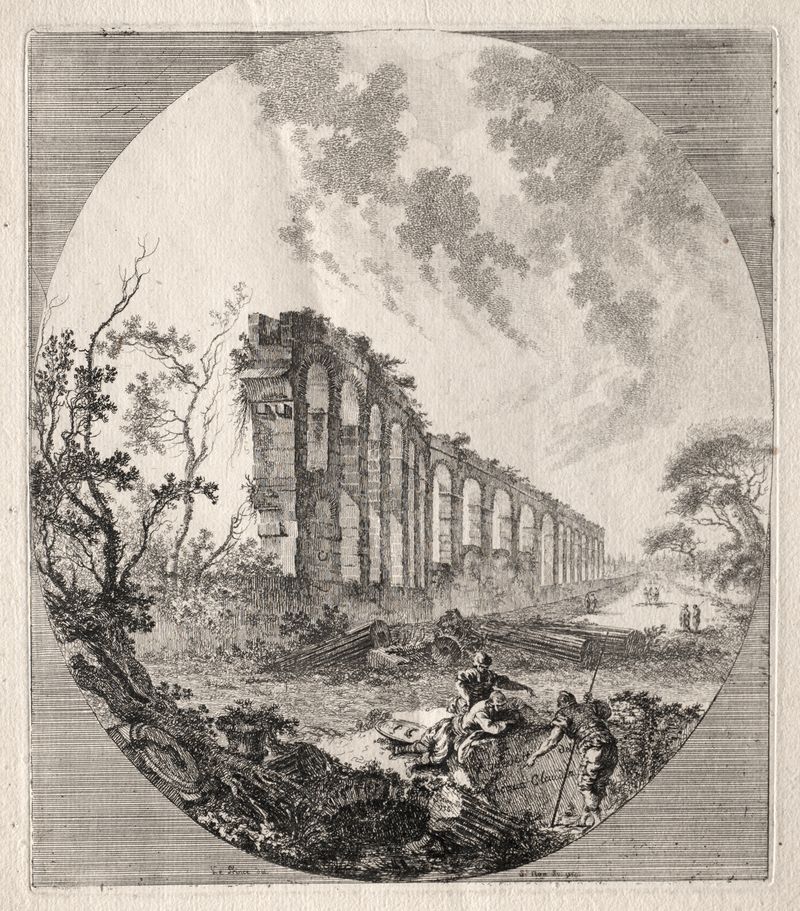
This reflection resonates deeply as one observes the tranquil vistas captured in this artwork, where memory dances just beyond the edge of perception. Look to the right at the gentle curve of the ancient road, where soft greens and earthy browns blend seamlessly, inviting you on a journey into the past. Notice how the light falls upon the weathered stones, each one telling a story of countless travelers who once tread this historic path. The meticulous brushstrokes create a sense of texture, as if you could reach out and feel the warmth of the sun-soaked earth beneath your fingers, while the distant hills rise like whispers of forgotten tales. The juxtaposition of vibrant foliage against the muted palette reflects a poignant contrast between life and decay, evoking nostalgia for a world that has long since faded.
Look closely at the shadows deepening along the road; they embody both the passage of time and the memories that linger, evoking a bittersweet longing for what once was. Each element serves as a reminder of the intersection between nature and human history, where the path itself symbolizes continuity and change. In 1756, Jean-Claude-Richard de Saint-Non created this work during a significant period marked by the burgeoning appreciation for classical antiquity and the picturesque. Residing in France, he was deeply influenced by the Enlightenment, which encouraged exploration and reflection on nature’s beauty and humanity’s place within it.
This painting reflects not only his personal artistic journey but also the broader cultural movement that sought to connect the present with the enduring echoes of history.