
Angel — History & Facts
When did color learn to lie? In the delicate brushstrokes and ethereal hues, Angel breathes a quiet hope, evoking an emotion that lingers long after one has stepped away from the canvas. Focus on the figure at the center, a serene angelic form enveloped in glimmering whites and soft pastels. The gentle interplay of light and shadow gracefully carves the figure, highlighting its flowing garments that seem to merge with the surrounding atmosphere. Notice how the luminescence radiates from the angel's face, illuminating the innocence and grace that characterize this celestial being, while the soft background creates a sense of boundless space, encouraging contemplation. As you delve deeper, consider the juxtaposition between the angel's serene expression and the heavier, muted tones that surround it.
This contrast speaks to the tension between the purity of the divine and the complexities of human existence. The folds of the fabric suggest movement, as if the angel is caught in a moment of rising or departing, embodying the fragility of hope and the transient nature of life itself. The composition invites a duality of interpretation — an invitation to both observe and to reflect on the nature of aspiration amidst despair. Abbott Handerson Thayer created Angel between 1900 and 1903, during a time when the American art scene was shifting towards Symbolism and a deeper exploration of themes such as spirituality and the natural world.
Living in New Hampshire, Thayer drew inspiration from the beauty of his surroundings and the emotional depths of human experience, channeling these influences into his work. This period in his life was marked by a profound engagement with the ideas of purity and hope, and this painting embodies those aspirations beautifully.
More Artworks by Abbott Handerson Thayer
Browse all →
Mount Monadnock
Abbott Handerson Thayer

Winter, Monadnock
Abbott Handerson Thayer

Mount Monadnock
Abbott Handerson Thayer

Mount Monadnock
Abbott Handerson Thayer

Winged Figure
Abbott Handerson Thayer

Dublin Pond, New Hampshire
Abbott Handerson Thayer

The Sky Simulated By Red Flamingoes, Study For Book Concealing Coloration In The Animal Kingdom
Abbott Handerson Thayer
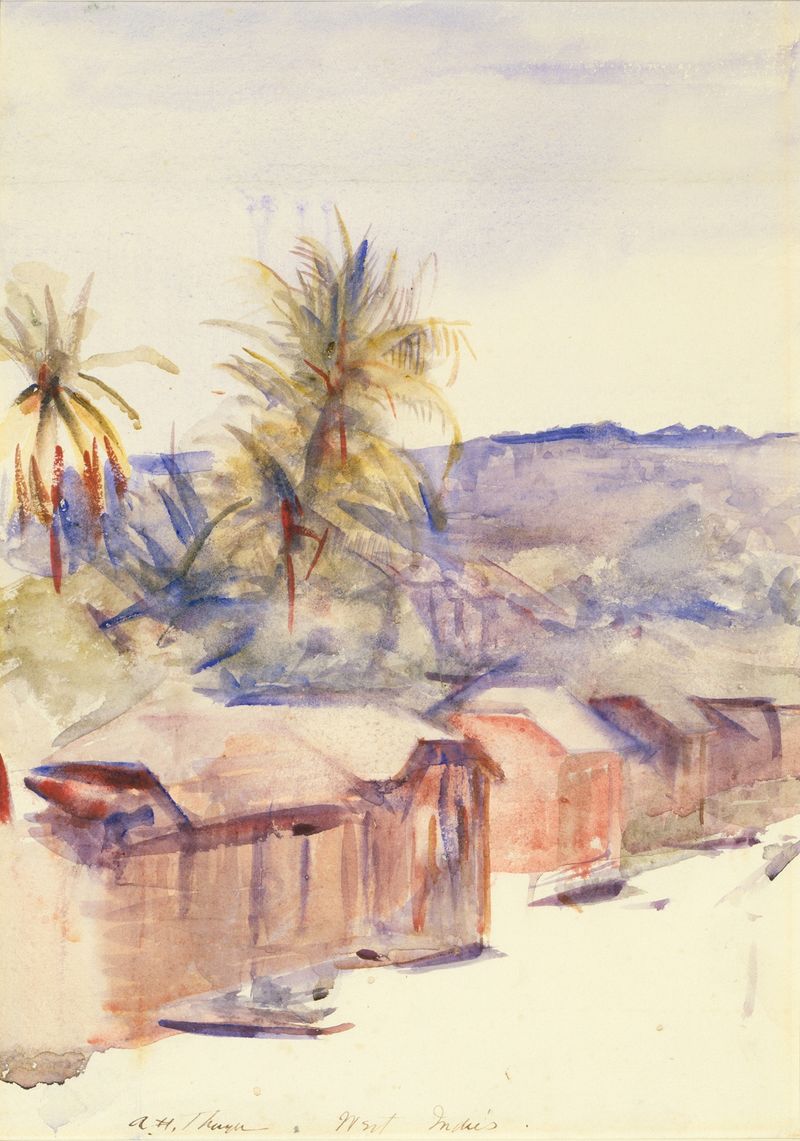
Village Street, Dominica
Abbott Handerson Thayer
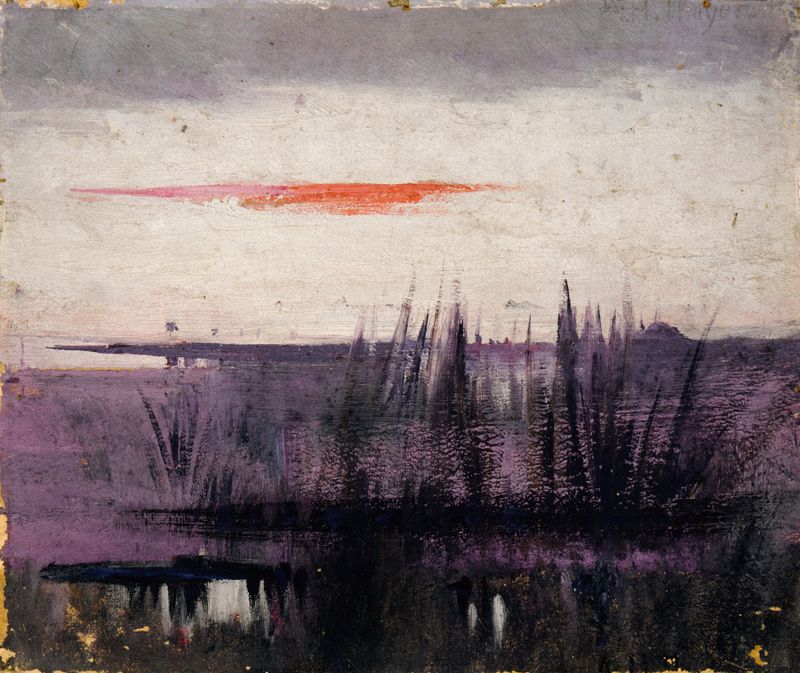
The Sky Simulated By White Flamingoes Study For Book, Concealing Coloration In The Animal Kingdom
Abbott Handerson Thayer

Sunrise Or Sunset, Study For Book, Concealing Coloration In The Animal Kingdom
Abbott Handerson Thayer
More Religious Art
Browse all →
The Return of the Prodigal Son
Rembrandt van Rijn

The Garden of Earthly Delights
El Bosco

Count Orgaz’ funeral
El Greco

The Hundred Guilder Print: the central piece with Christ preaching, the plate arched
Rembrandt van Rijn

The Descent from the Cross
Rogier van der Weyden

The return of the prodigal son
Rembrandt van Rijn