
Winged Figure — History & Facts
What secret hides in the quiet of the canvas? The stillness within Winged Figure evokes a deep nostalgia, pulling the viewer into a realm where memory and identity intertwine. Focus on the gentle curve of the figure’s wings, which stretch gracefully outward, creating a sense of openness and ethereality. The soft palette of muted blues and earth tones invites contemplation, while the careful blending of light and shadow gives depth to the figure's serene expression. Notice how the subtle gradation of color draws your eye to the delicate details of the figure's form, merging flesh with the celestial, suggesting a whispered connection between the earthly and the divine. Dive deeper into the emotional layers that pulse beneath the surface.
The juxtaposition of the figure’s peaceful demeanor against the expansive void surrounding it evokes a sense of solitude, reflecting the longing for transcendence. The wings, a symbol of freedom and escape, also hint at the weight of earthly existence, capturing the tension between aspiration and reality. This duality resonates with viewers, stirring reflections on their own desires for liberation and belonging. In 1889, Abbott Handerson Thayer painted Winged Figure during a period of personal upheaval and artistic evolution.
Living in New Hampshire, he was deeply influenced by the natural beauty surrounding him, which shaped his explorations of idealized forms and themes of spirituality. This work emerged against the backdrop of American Impressionism's rise, as artists sought to capture emotional resonances within their subjects and the world, a pursuit that Thayer embraced with poignant sensitivity.
More Artworks by Abbott Handerson Thayer
Browse all →
Mount Monadnock
Abbott Handerson Thayer

Winter, Monadnock
Abbott Handerson Thayer

Mount Monadnock
Abbott Handerson Thayer

Mount Monadnock
Abbott Handerson Thayer

Dublin Pond, New Hampshire
Abbott Handerson Thayer

The Sky Simulated By Red Flamingoes, Study For Book Concealing Coloration In The Animal Kingdom
Abbott Handerson Thayer
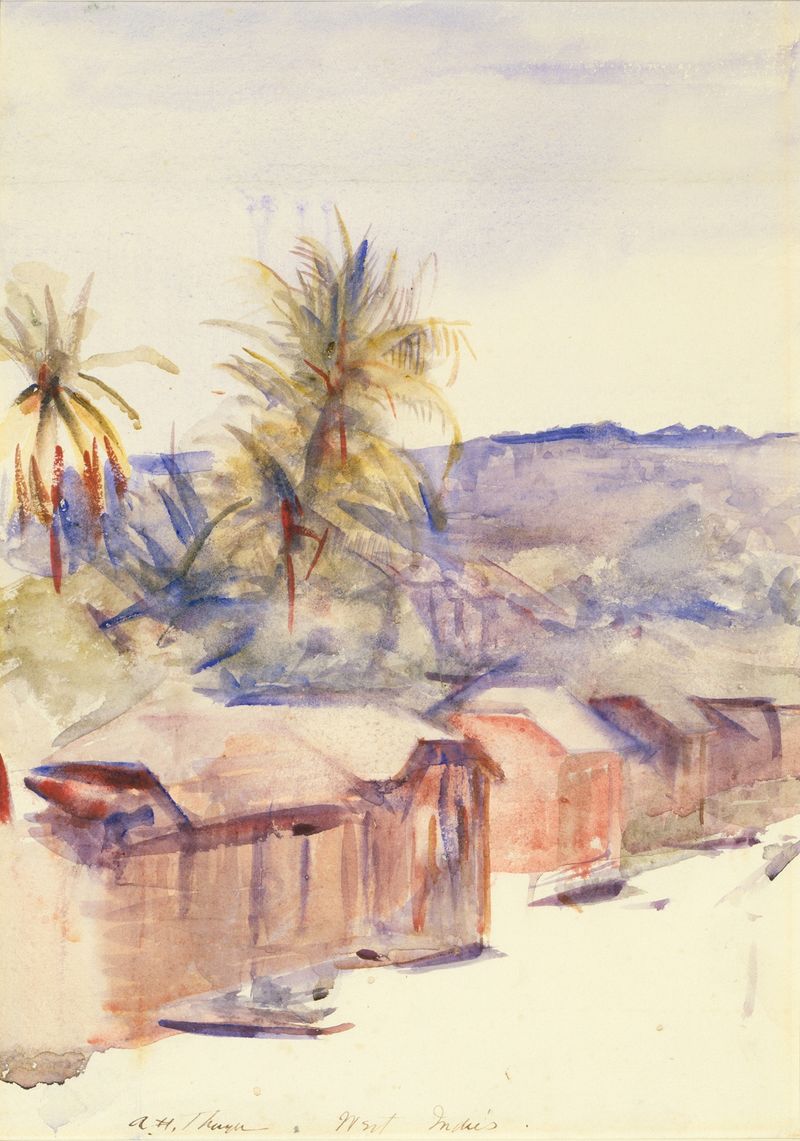
Village Street, Dominica
Abbott Handerson Thayer
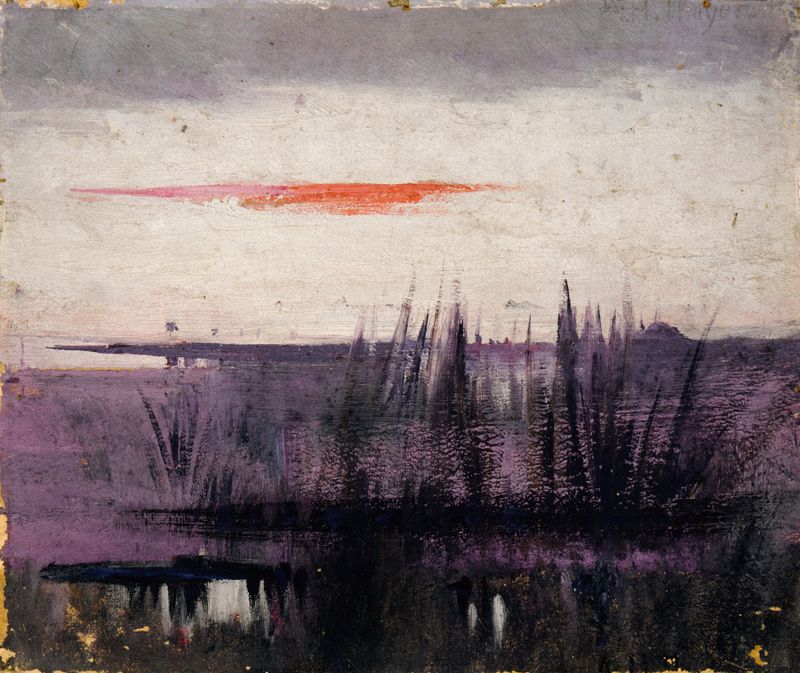
The Sky Simulated By White Flamingoes Study For Book, Concealing Coloration In The Animal Kingdom
Abbott Handerson Thayer
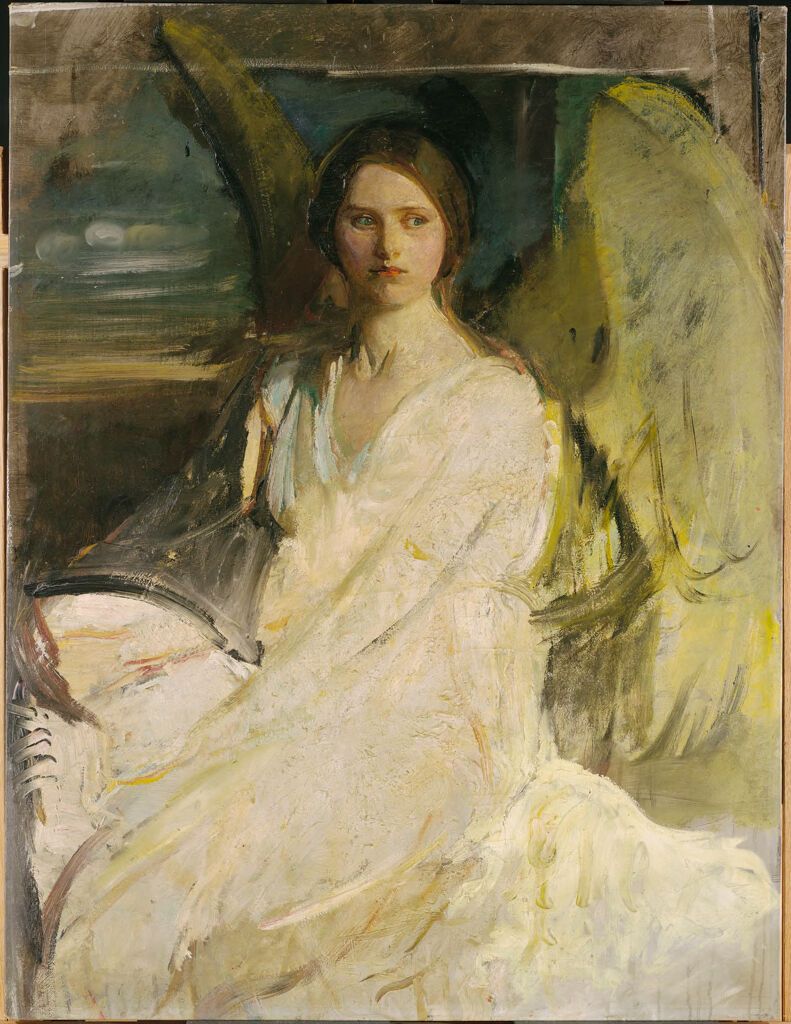
Angel
Abbott Handerson Thayer

Sunrise Or Sunset, Study For Book, Concealing Coloration In The Animal Kingdom
Abbott Handerson Thayer





