
Mount Monadnock — History & Facts
Did the painter know this moment would outlive them? In Mount Monadnock, the sheer permanence of the landscape juxtaposes the fleeting life of the artist, inviting us to ponder the revolution of time and perception. Look to the center of the canvas where the mountain rises majestically, its rugged contours softened by the gentle embrace of the surrounding foliage. The palette is a harmonious blend of greens and earthy tones, capturing the essence of nature’s calm resilience. Notice how the textured brushstrokes convey both the solidity of the mountain and the ephemeral play of light filtering through the trees, creating a serene yet dynamic atmosphere that beckons the viewer to step inside the scene. Within this tranquil representation lies an undercurrent of tension between permanence and change.
The mountain stands as a testament to the passage of time, yet the lush vegetation around it hints at the continuous cycle of life and decay. The contrasting elements of solidity and fragility invite contemplation of humanity's place within nature’s grand design, suggesting that while we may yearn for permanence, we are ultimately part of a greater, ever-evolving tapestry. Abbott Handerson Thayer painted Mount Monadnock between 1915 and 1919, a period marked by personal loss and the tumult of World War I. Living in New Hampshire at the time, the artist sought solace in the landscape, reflecting a deep connection with the natural world.
Amidst the shifting tides of society and art, Thayer was part of a movement advocating for the importance of nature in fostering emotional well-being, cementing his legacy in the pantheon of American art.
More Artworks by Abbott Handerson Thayer
Browse all →
Mount Monadnock
Abbott Handerson Thayer

Winter, Monadnock
Abbott Handerson Thayer

Mount Monadnock
Abbott Handerson Thayer

Winged Figure
Abbott Handerson Thayer

Dublin Pond, New Hampshire
Abbott Handerson Thayer

The Sky Simulated By Red Flamingoes, Study For Book Concealing Coloration In The Animal Kingdom
Abbott Handerson Thayer
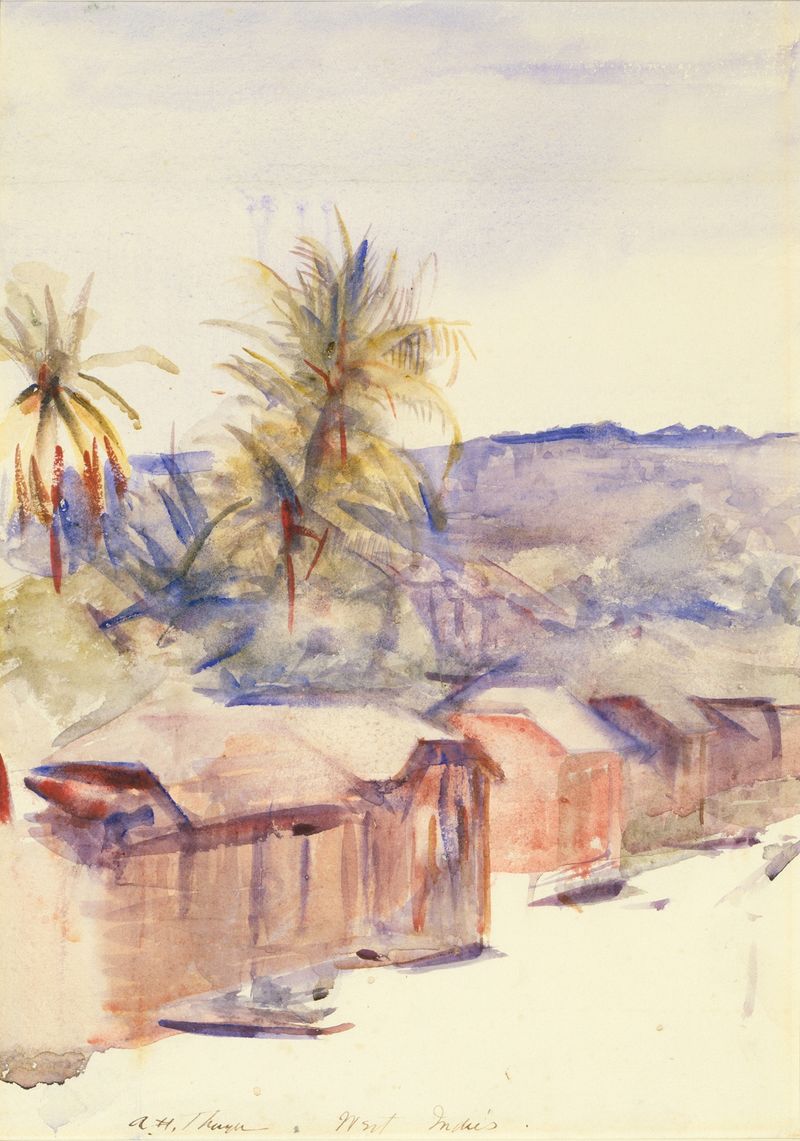
Village Street, Dominica
Abbott Handerson Thayer
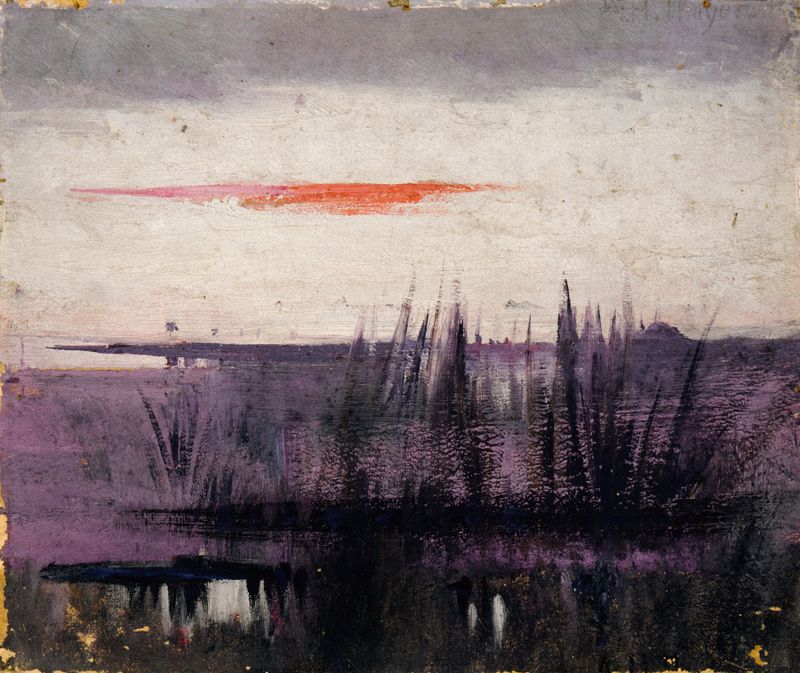
The Sky Simulated By White Flamingoes Study For Book, Concealing Coloration In The Animal Kingdom
Abbott Handerson Thayer
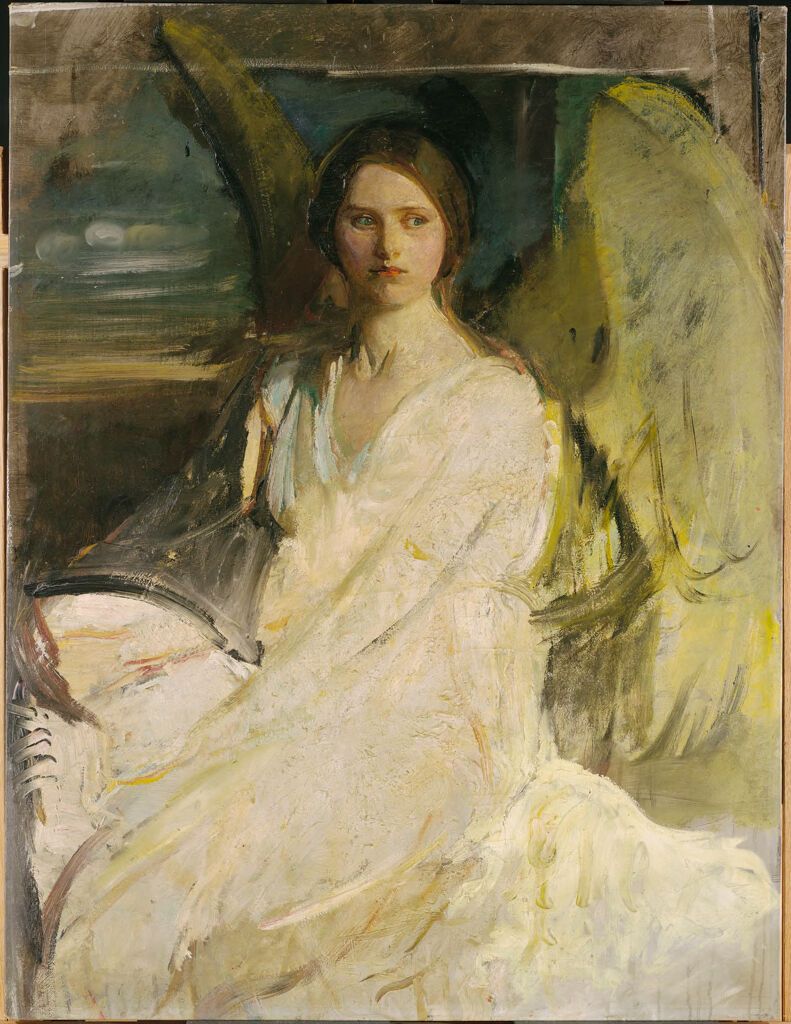
Angel
Abbott Handerson Thayer

Sunrise Or Sunset, Study For Book, Concealing Coloration In The Animal Kingdom
Abbott Handerson Thayer





