
Winter, Monadnock — History & Facts
Could beauty survive in a century of chaos? In Winter, Monadnock, the juxtaposition of serene landscapes against the foreboding undertones of mortality invites viewers to reflect on the fleeting nature of existence. Look to the lower right corner where the snow blankets the earth, shimmering under a muted winter sun. The stark white contrasts sharply with the deep blues and grays of the sky, creating a visual tension that draws the eye upward towards the imposing silhouette of Mount Monadnock. Thayer's delicate brushstrokes breathe life into the winter scene, while soft gradients of color evoke a sense of tranquility, reminding us of the quiet stillness before storms. Yet, hidden in this picturesque moment lies the fragility of life.
The solitary trees, stripped of their leaves, stand as silent sentinels against the encroaching winter, symbolizing both endurance and inevitable decay. The interplay of light and shadow not only captures the essence of winter but also reflects the emotional weight of isolation, urging us to consider what beauty might remain as nature asserts its power over mortality. Abbott Handerson Thayer painted Winter, Monadnock in 1900, during a period marked by shifting artistic movements and personal challenges. As a pivotal figure in the American Impressionism movement, Thayer grappled with the complexities of nature and human emotion.
The turn of the century brought both technological advancements and societal upheaval, and in response, he sought solace in the natural world, illustrating its resilience and beauty through his unique lens.
More Artworks by Abbott Handerson Thayer
Browse all →
Mount Monadnock
Abbott Handerson Thayer

Mount Monadnock
Abbott Handerson Thayer

Mount Monadnock
Abbott Handerson Thayer

Winged Figure
Abbott Handerson Thayer

Dublin Pond, New Hampshire
Abbott Handerson Thayer

The Sky Simulated By Red Flamingoes, Study For Book Concealing Coloration In The Animal Kingdom
Abbott Handerson Thayer
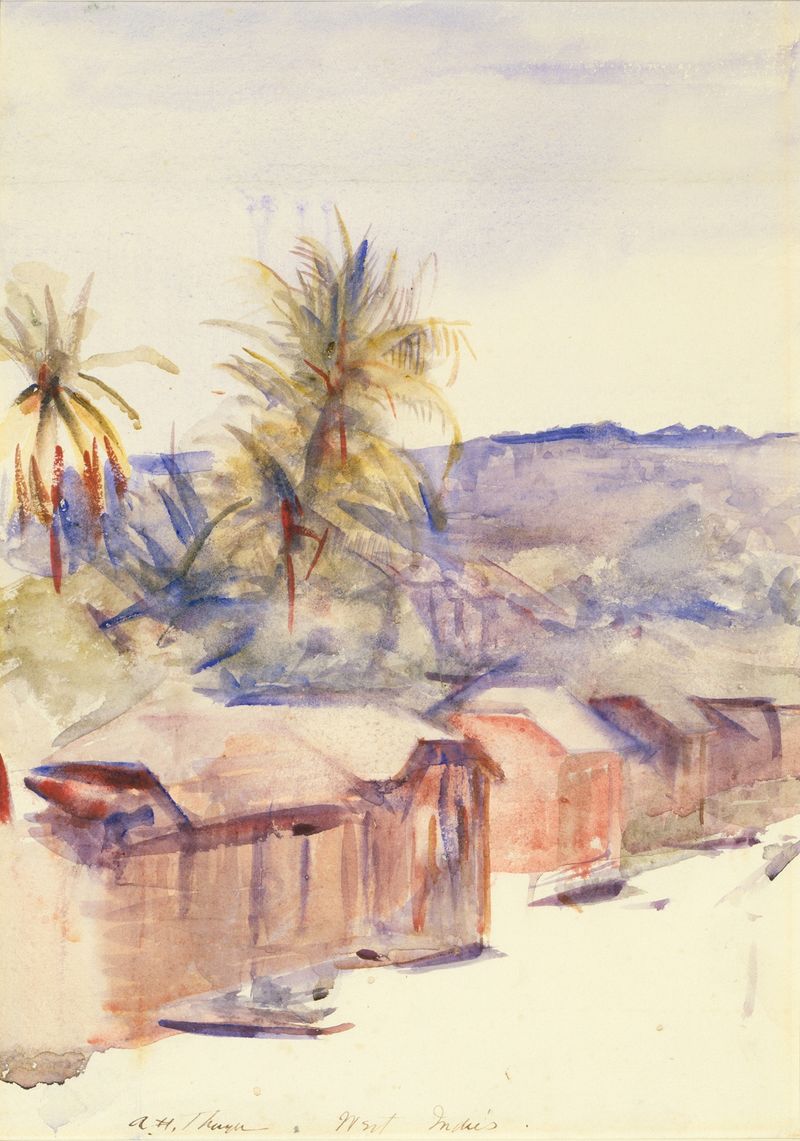
Village Street, Dominica
Abbott Handerson Thayer
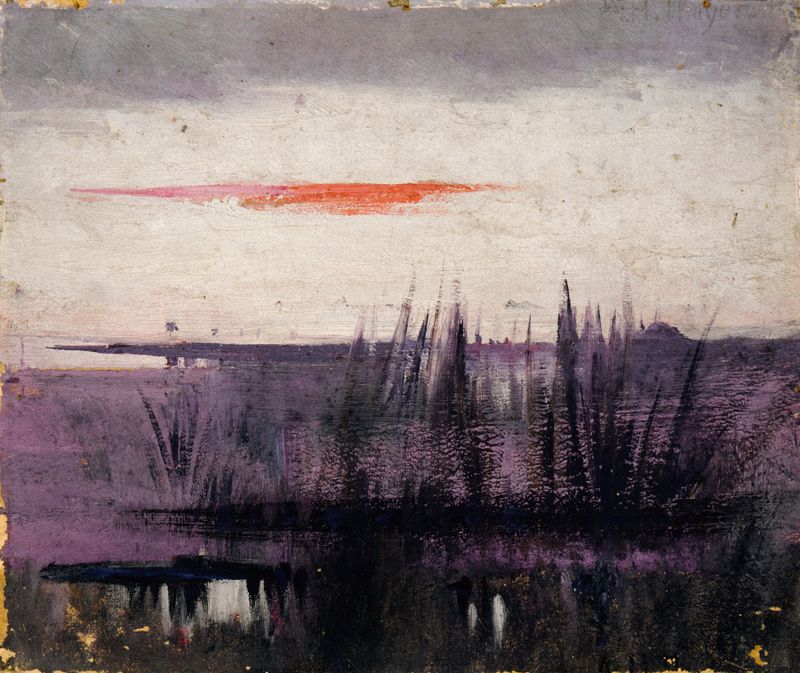
The Sky Simulated By White Flamingoes Study For Book, Concealing Coloration In The Animal Kingdom
Abbott Handerson Thayer
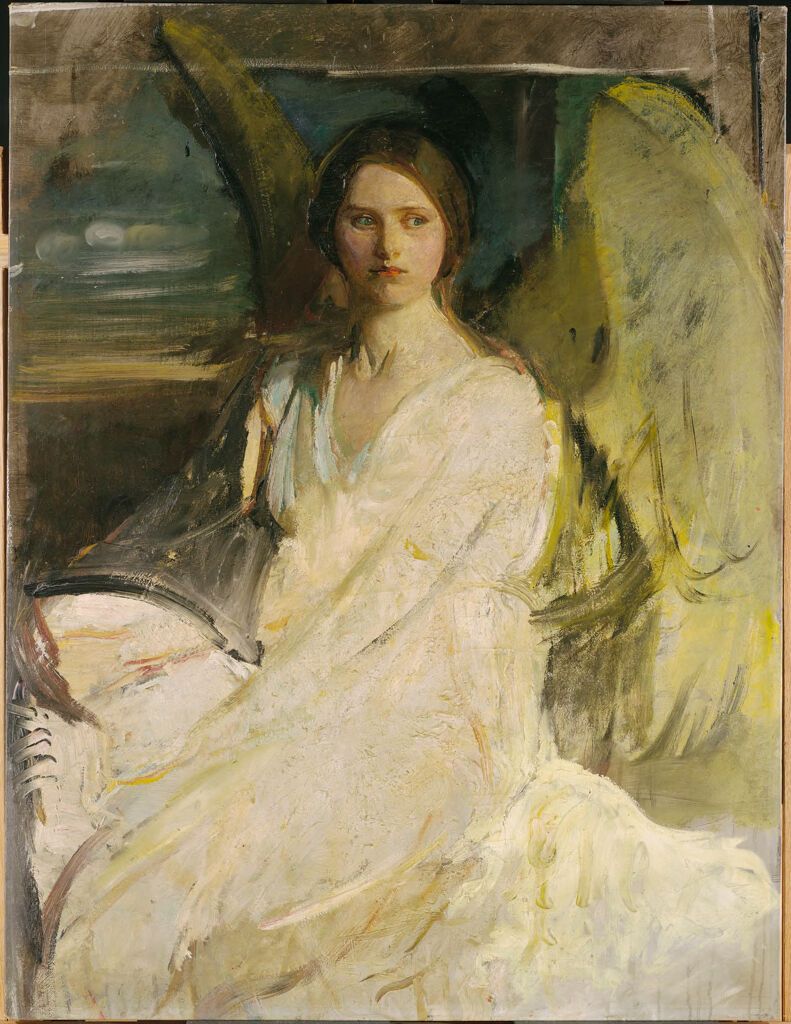
Angel
Abbott Handerson Thayer

Sunrise Or Sunset, Study For Book, Concealing Coloration In The Animal Kingdom
Abbott Handerson Thayer





