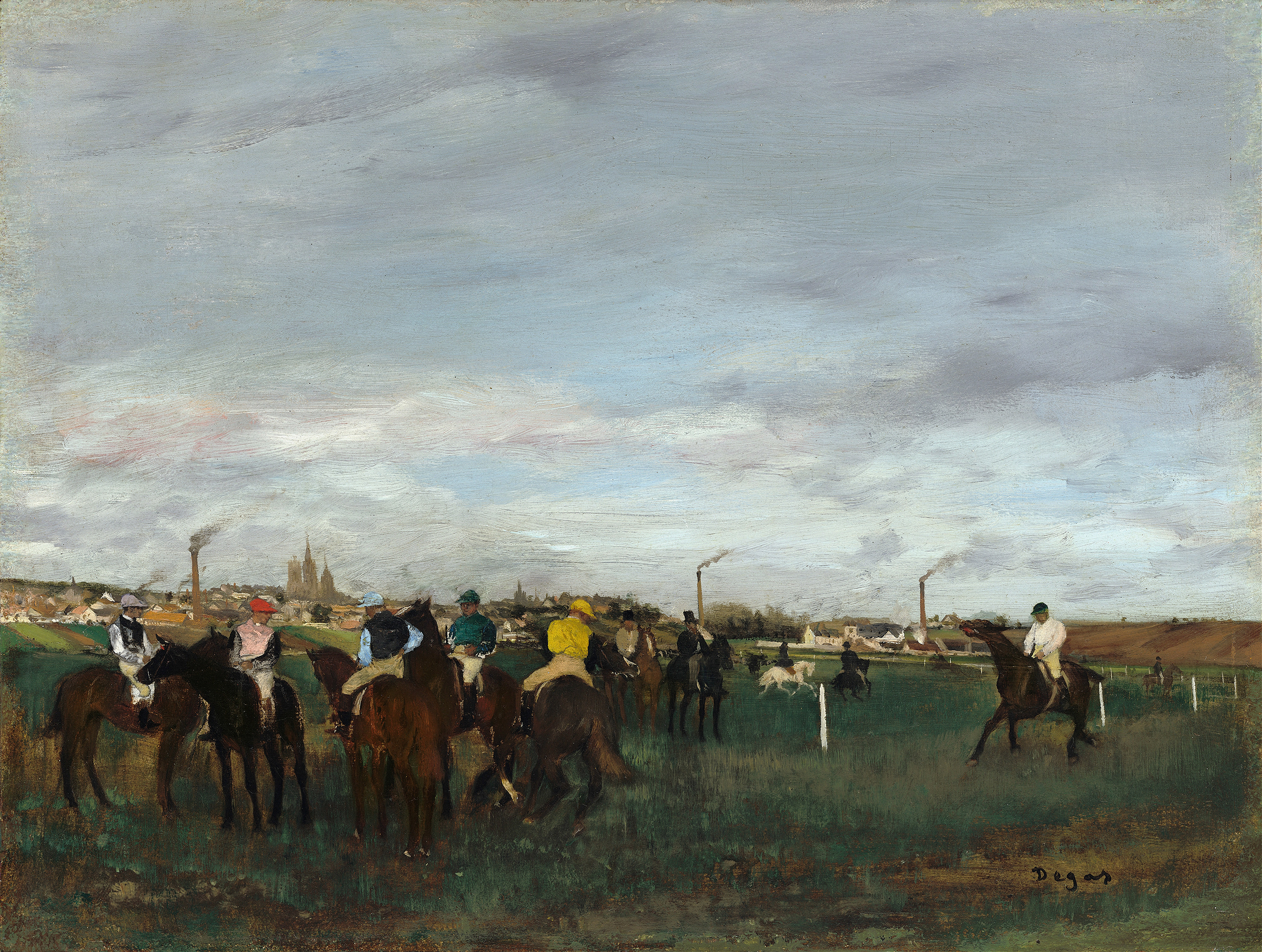
Discover insights about this artwork
Animal Studies — History & Facts
In Animal Studies, vibrant colors dominate the canvas, with a variety of animal figures depicted in dynamic poses. The setting appears to be a natural environment, possibly inspired by Gauguin's travels. Rich greens and earthy tones contrast with the bright colors of the animals, creating a lively scene.
The composition draws the viewer's eye across the canvas, inviting exploration of each figure. The painting is executed in oil on canvas, a medium that allows for the rich color palette and texture evident in the work. Gauguin's brushwork is expressive, with visible strokes that add depth and movement to the animals. The dimensions are approximately 60 x 80 cm, making it a medium-sized piece that can be appreciated up close.
The use of color and form showcases Gauguin's Post-Impressionist style, emphasizing emotion over realism. Paul Gauguin was a leading figure in the Post-Impressionist movement, known for his bold colors and innovative compositions. Animal Studies reflects his fascination with nature and the exotic, influenced by his time in Tahiti. An interesting fact about this work is that it exemplifies Gauguin's shift from traditional European themes to a more personal and symbolic approach to art.
This painting highlights his desire to capture the essence of his subjects rather than their exact likeness.
More Artworks by Paul Gauguin
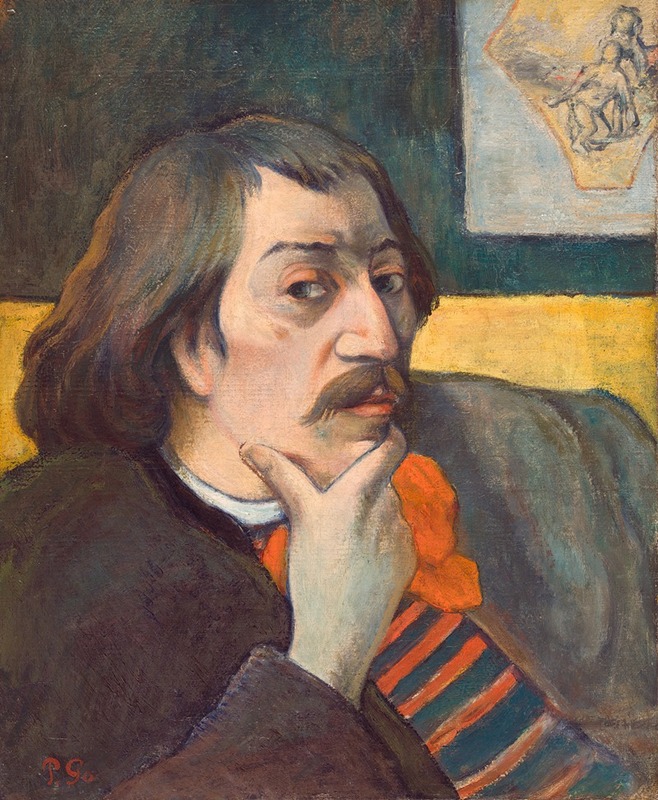
Self Portrait
Paul Gauguin
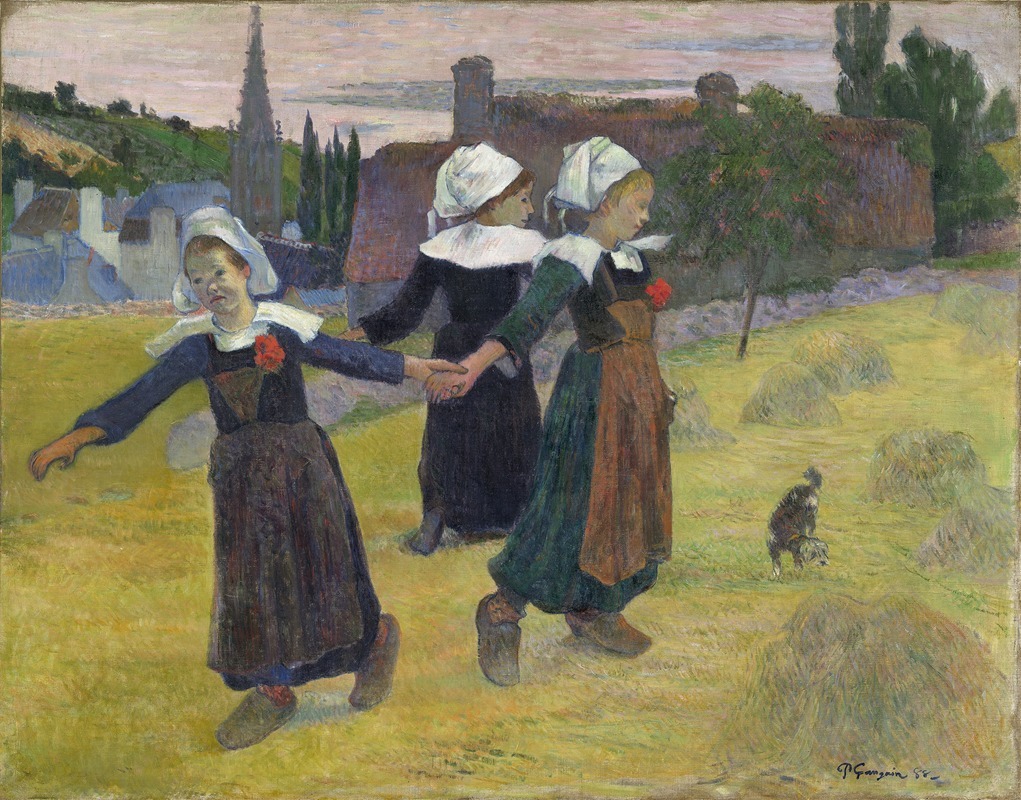
Breton Girls Dancing,Pont-Aven
Paul Gauguin
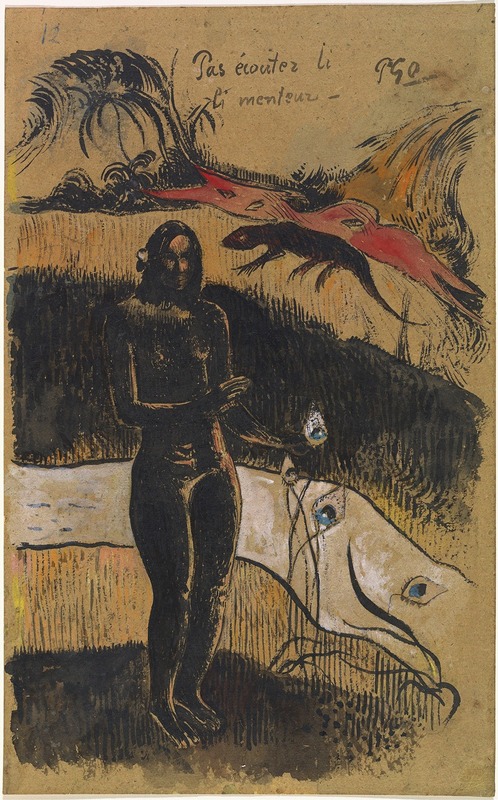
Nave Nave Fenua
Paul Gauguin
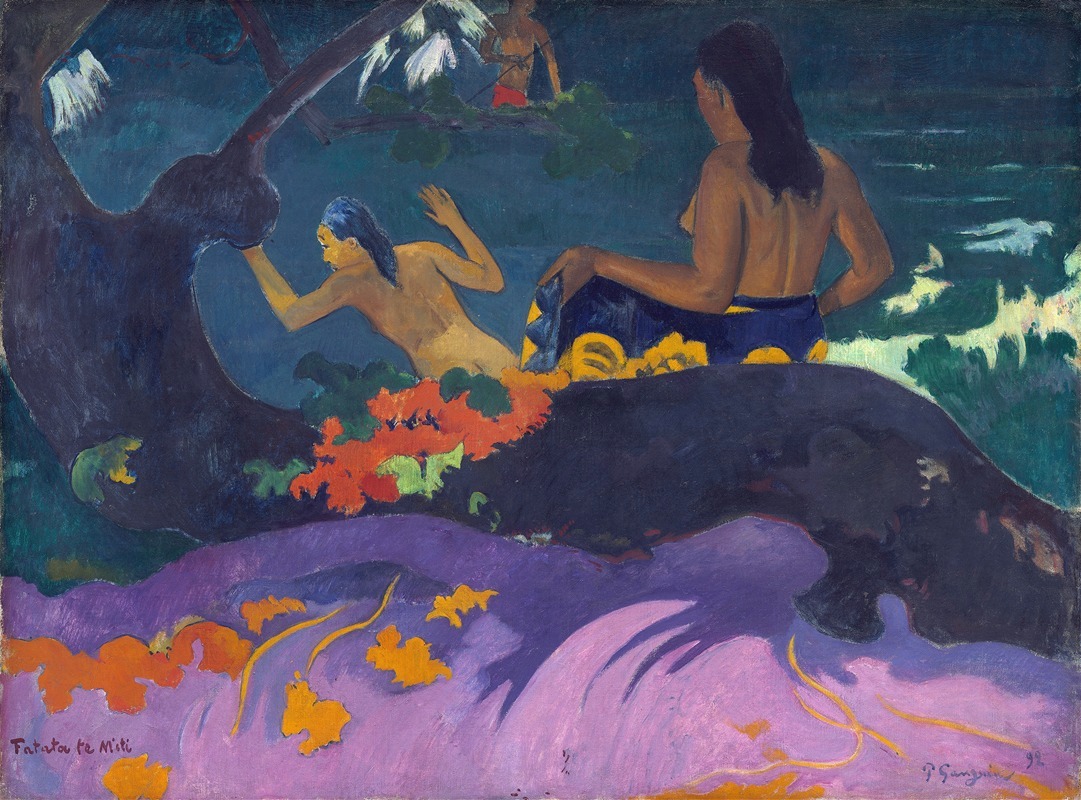
Fatata te Miti (By the Sea)
Paul Gauguin
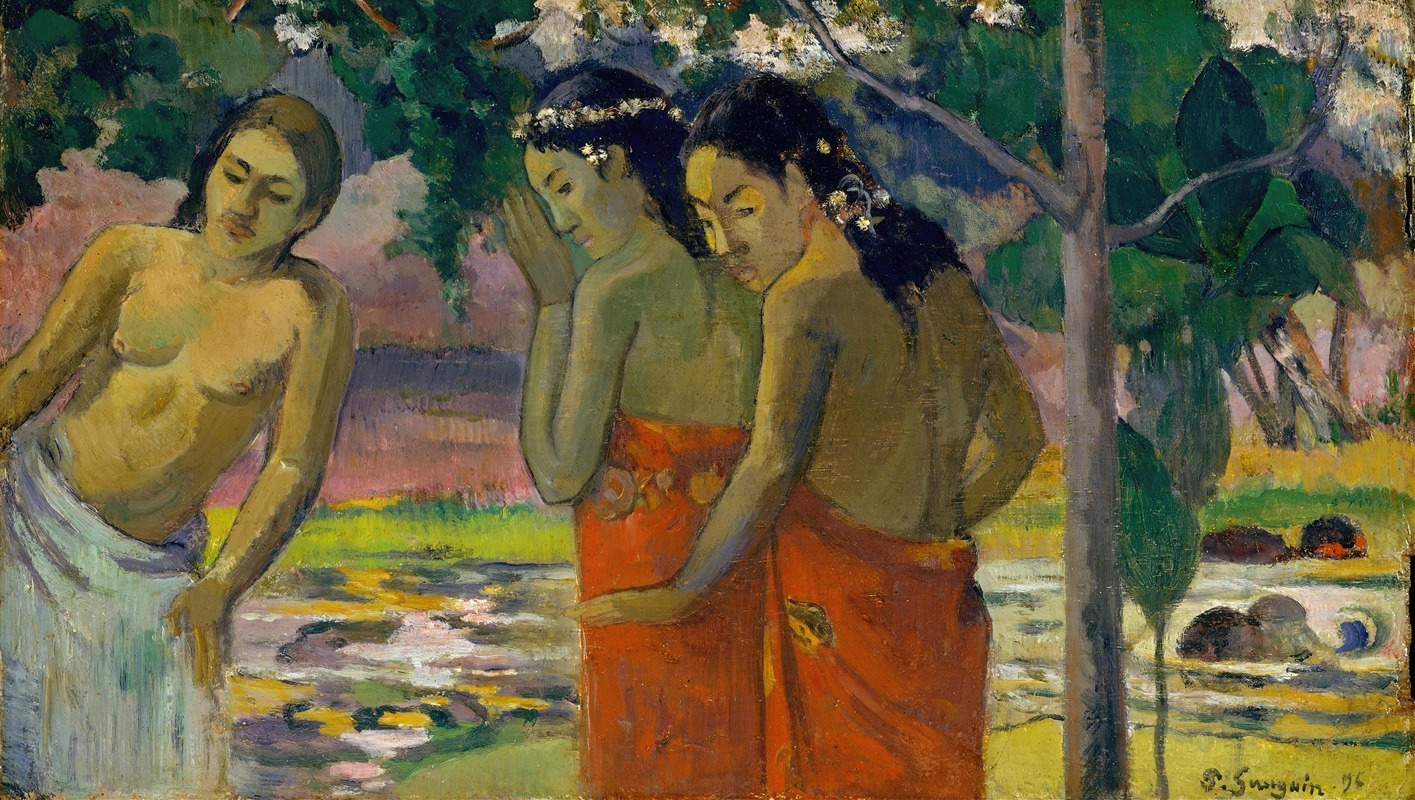
Three Tahitian Women
Paul Gauguin
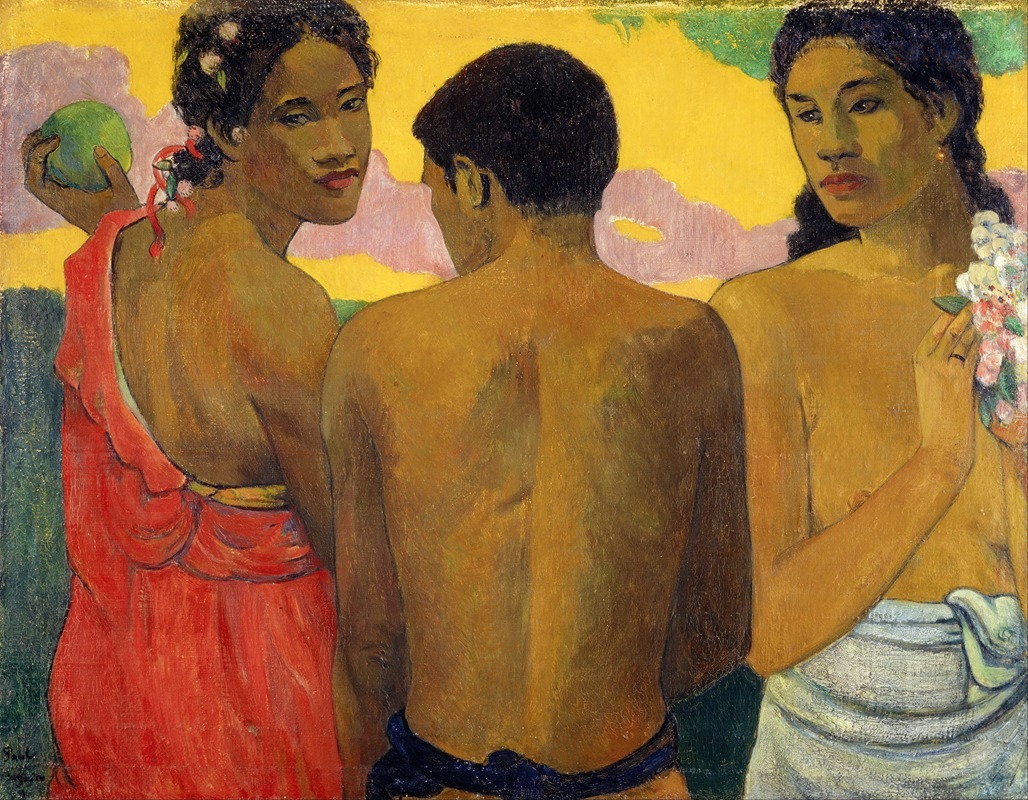
Three Tahitians
Paul Gauguin
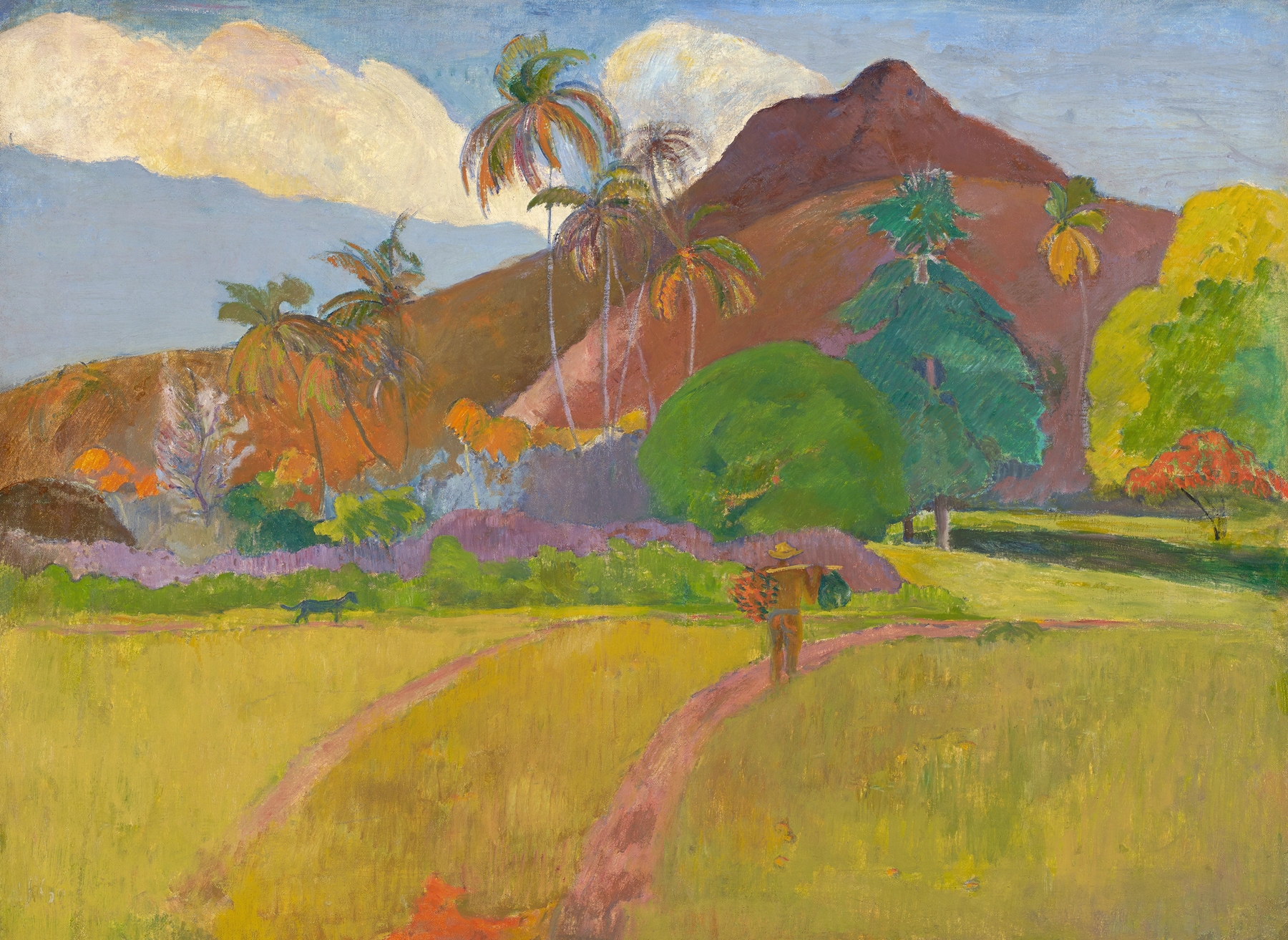
Tahitian Landscape
Paul Gauguin
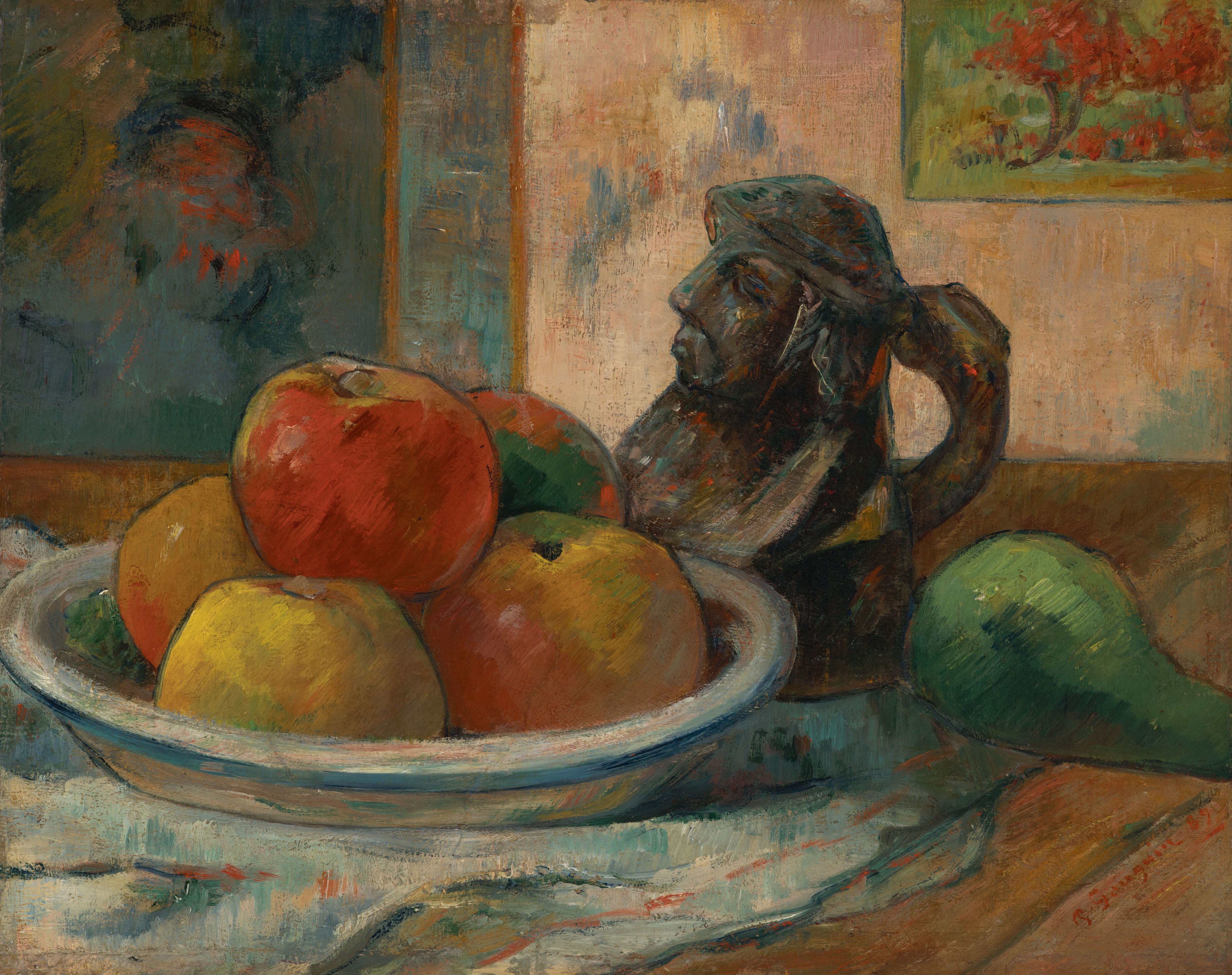
Still Life with Apples, a Pear, and a Ceramic Portrait Jug
Paul Gauguin
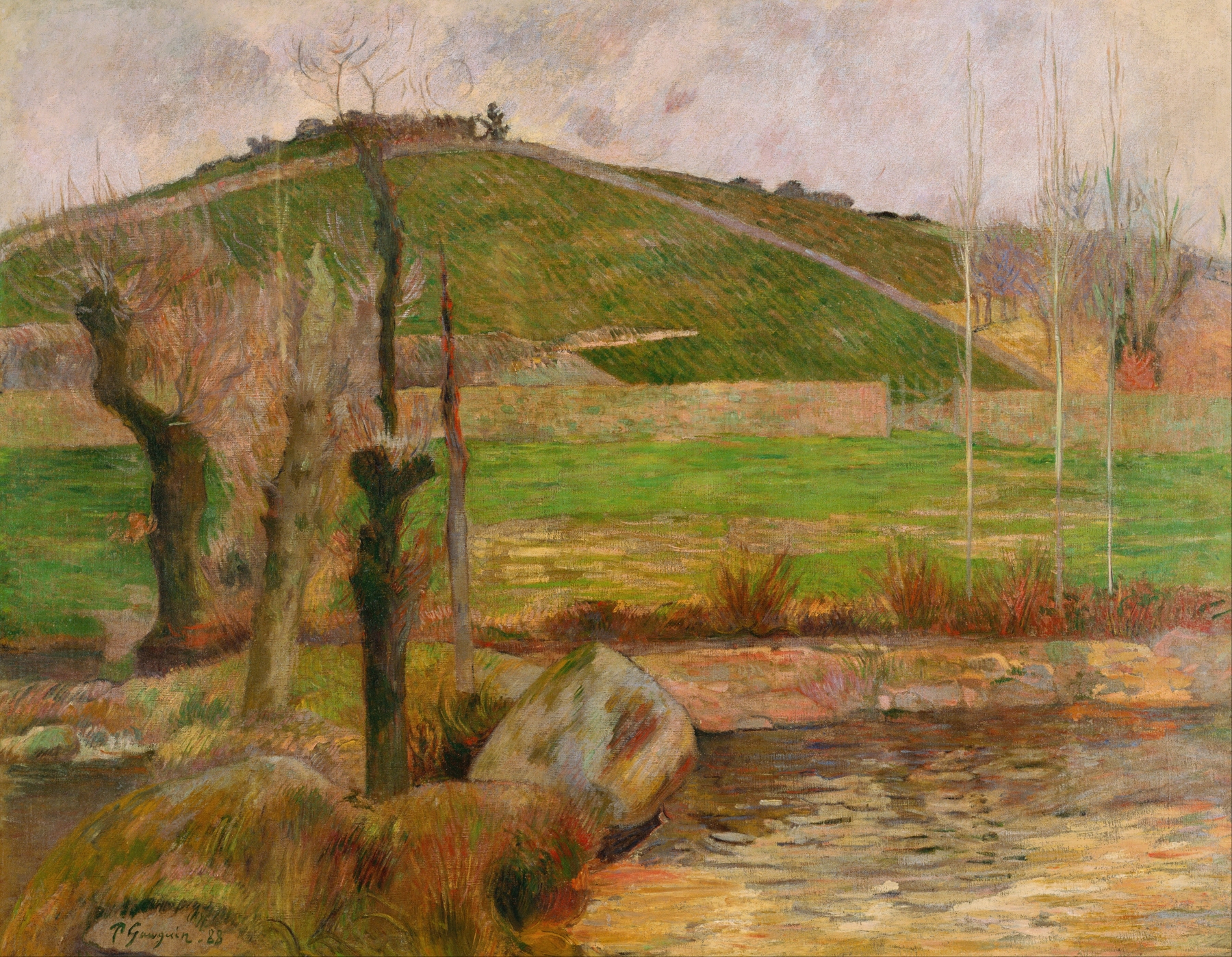
Landscape near Pont-Aven
Paul Gauguin

No te aha oe riri (Why Are You Angry?)
Paul Gauguin