
Antieke Ruïnes bij Talavera in Castillie — History & Facts
In its stillness, it captures a divine moment where time stretches, revealing the eternal beauty of decay. Look to the center, where ancient structures rise against an expansive sky, their weathered forms imbued with soft hues of ochre and muted greens. The artist employs a gentle palette, inviting the viewer to marvel at the interplay of light and shadow. Notice how the warm glow illuminates the ruins, casting intricate patterns that blend with the delicate textures of the landscape.
Each brushstroke speaks of history, drawing the eye deeper into its story. In these ruins, there lies a profound tension between permanence and transience. The crumbling stones whisper of past glories, yet they are embraced by the encroaching nature, signaling a delicate balance between human endeavor and the relentless force of time. The ethereal clouds above seem to cradle the scene, hinting at a sense of divinity amidst the decay, reminding us that all things are both beautiful and fleeting. Otto Howen created this piece in the early twentieth century, during a time when Europe was grappling with the aftermath of war and the changing tides of modernity.
His focus on antiquity reflects a longing for the past, a search for solace in the remnants of history. As artists responded to the shifting cultural landscape, Howen's work stands out, celebrating the divine beauty found in both ruin and revival.
More Artworks by Otto Howen
Browse all →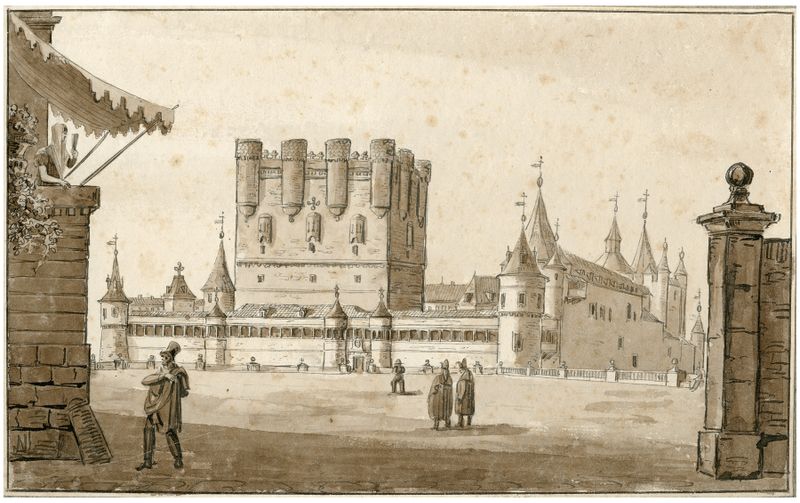
Het Alcazar te Segovia
Otto Howen
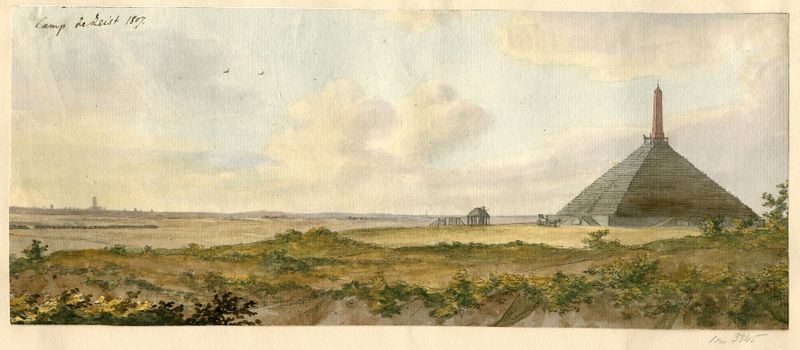
De piramide van Austerlitz bij Zeist
Otto Howen
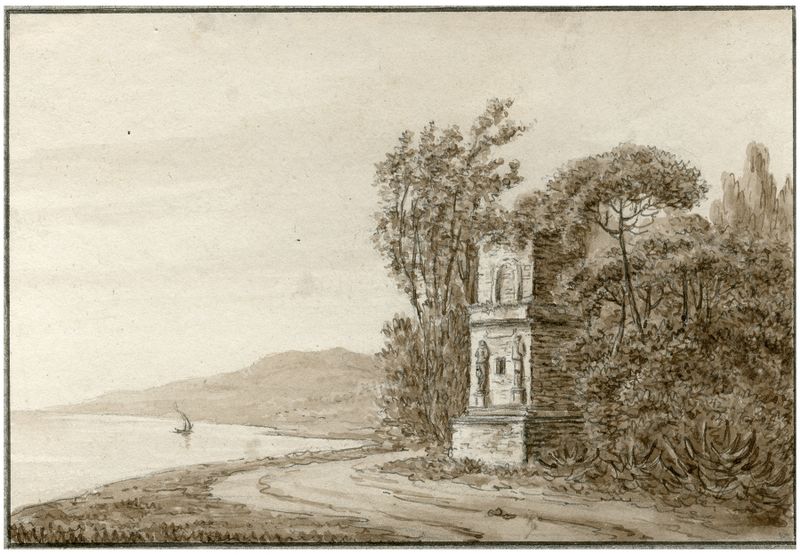
Een antiek monument in de omgeving van Taragone
Otto Howen
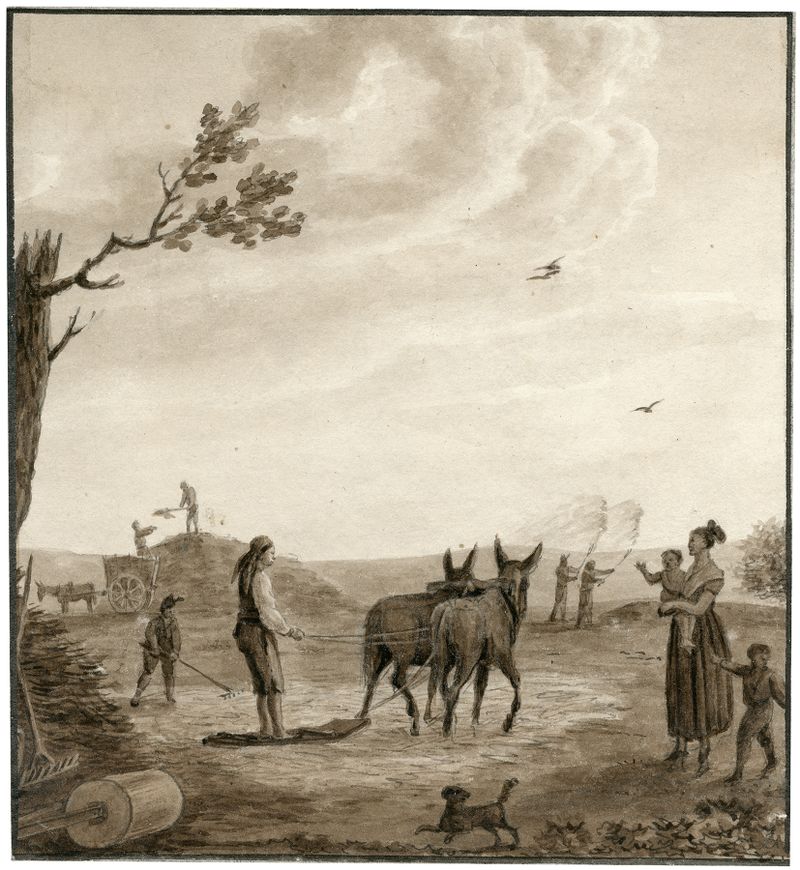
Het dorsen van het graan
Otto Howen
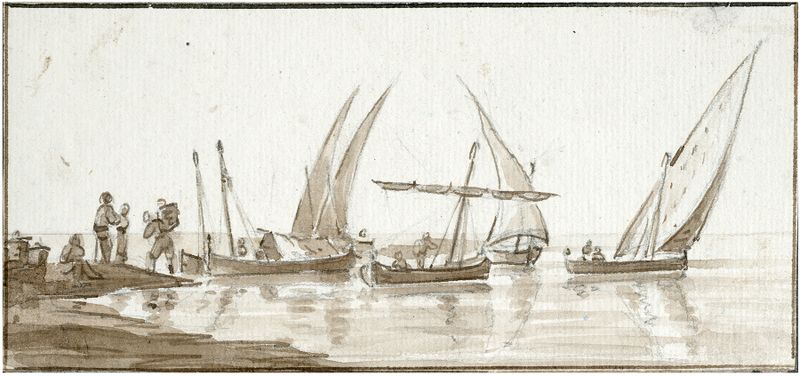
Zeilscheepjes bij een kust
Otto Howen
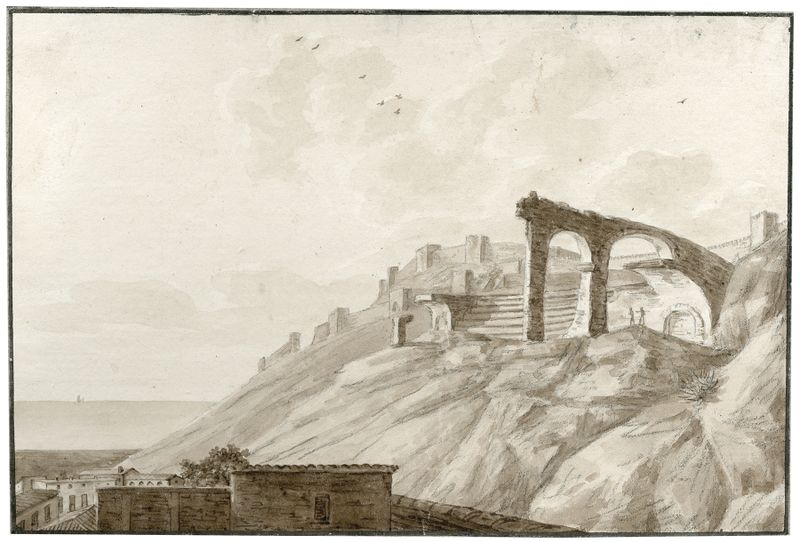
Ruïnes van het amfitheater te Sagonte
Otto Howen
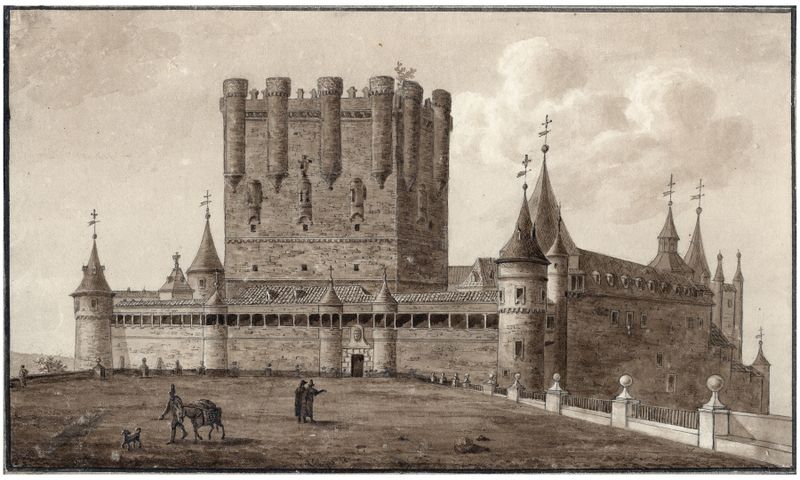
Het Alcazar te Segovia
Otto Howen
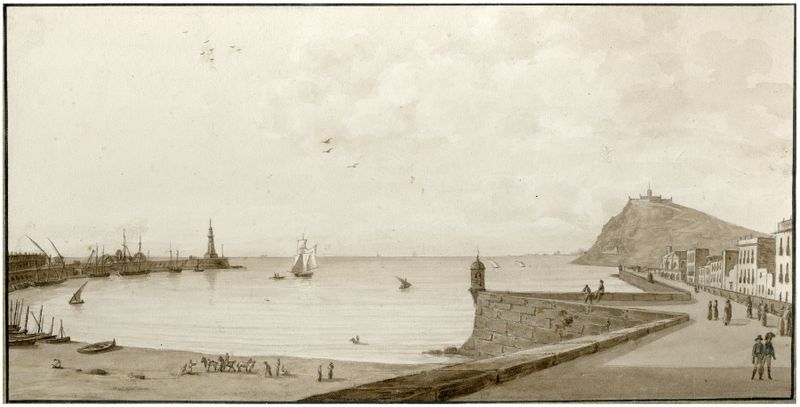
Gezicht op de haven van Barcelona
Otto Howen
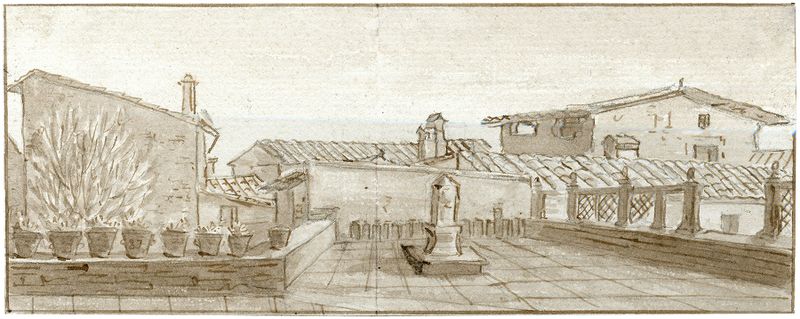
Gezicht in de omgeving van Gerona
Otto Howen
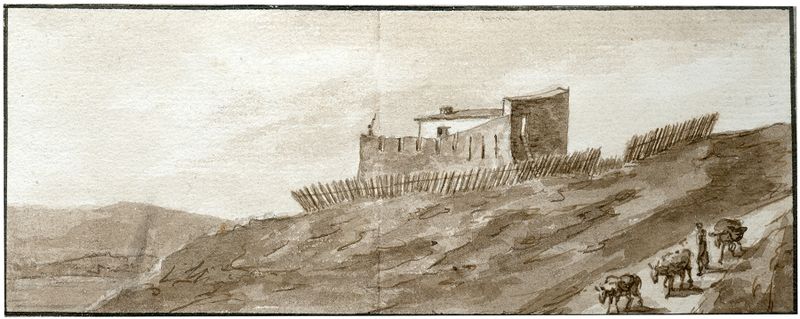
Gezicht in de omgeving van Gerona
Otto Howen





