Antique Pastorale — History & Facts
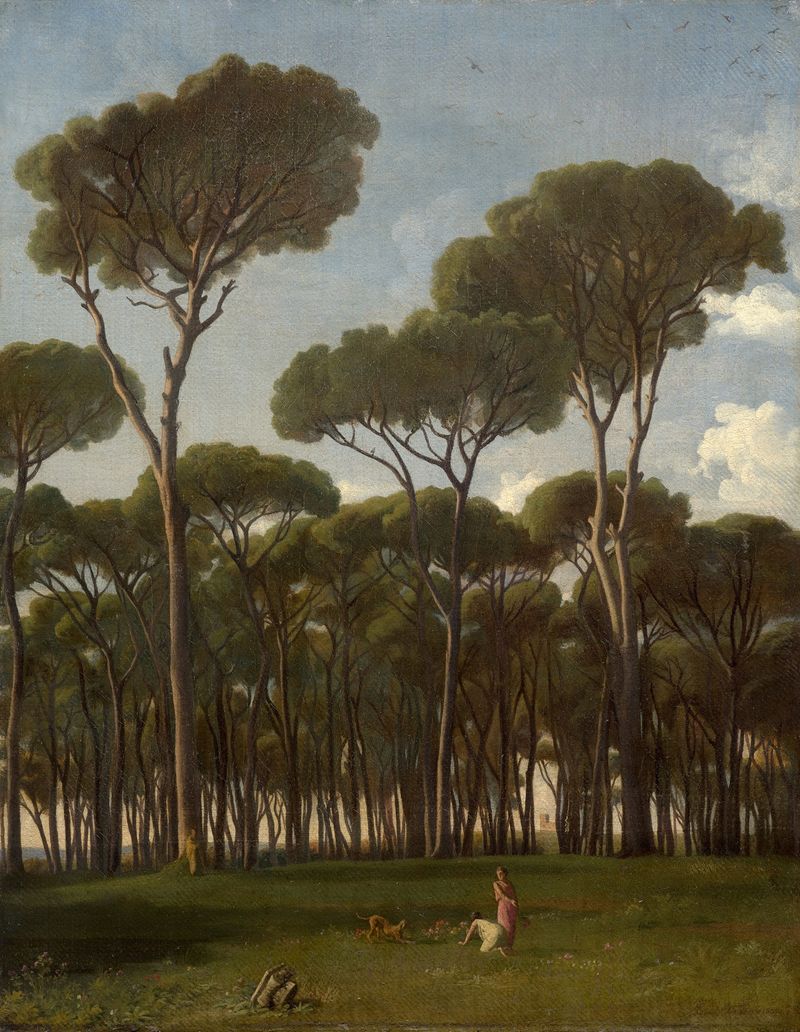
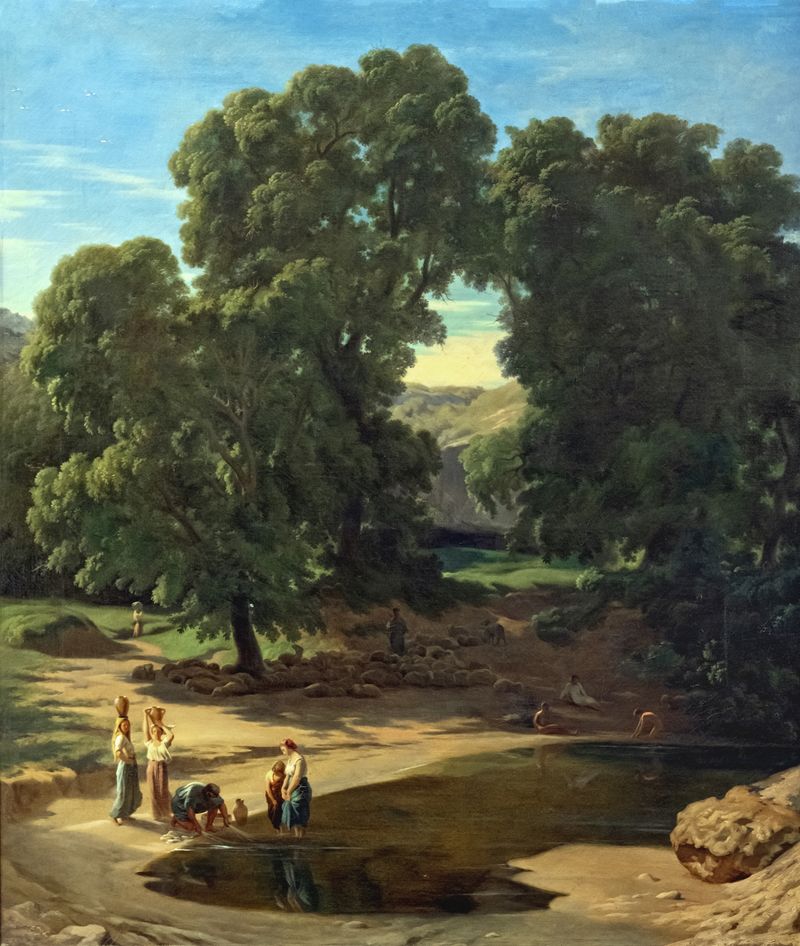
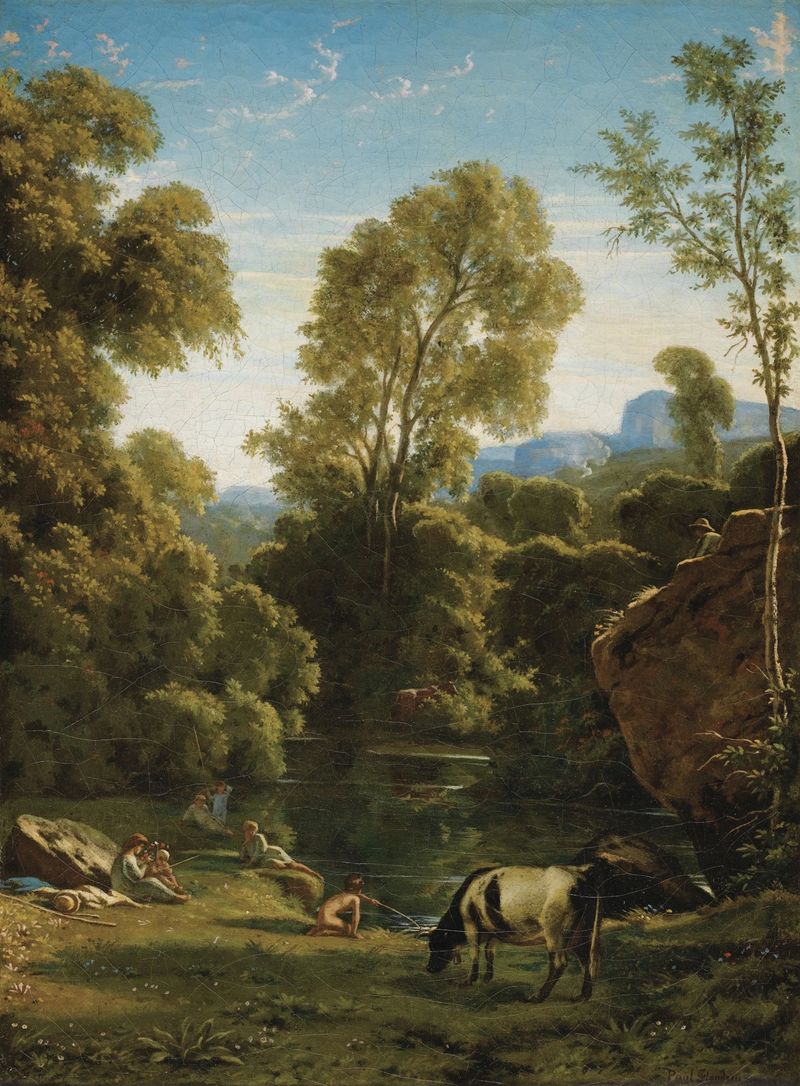
When did color learn to lie? In Antique Pastorale, divine hues deceive the eye, whispering tales of pastoral bliss while echoing deeper truths about faith and illusion. Look to the foreground, where soft greens and golden browns cradle a tranquil scene, drawing your gaze to the serene figures depicted within. Notice how the light dances across the smooth surfaces, illuminating the smiling faces of the shepherds and their flock. The delicate brushwork invites the viewer to linger, revealing the subtle gradations of color that breathe life into the landscape, yet simultaneously mask the undercurrents of doubt and longing. Beneath the idyllic surface, contrasts emerge.
The idyllic nature of the setting juxtaposes the potential for loss and uncertainty in the characters' expressions, hinting at a faith that is not easily won. The shepherds, caught in a moment of respite, might represent the fleeting nature of peace and the fragility of pastoral life, where the weight of existence looms behind the beauty. Each figure is anchored in their role, yet their eyes seem to search for something just beyond the horizon, revealing a deeper yearning that challenges the visual serenity. This piece was created in a period of rich transformation in the art world, with Flandrin beginning to establish his unique voice during the early 19th century.
Influenced by neoclassical ideals and evolving romantic sentiments, he painted in France at a time when artists struggled to reconcile the ideals of beauty with the complexities of human experience. The juxtaposition of tranquility and tension in Antique Pastorale reflects not just personal contemplation but also a broader exploration of faith amidst changing societal landscapes.