The banks of the Gardon — History & Facts
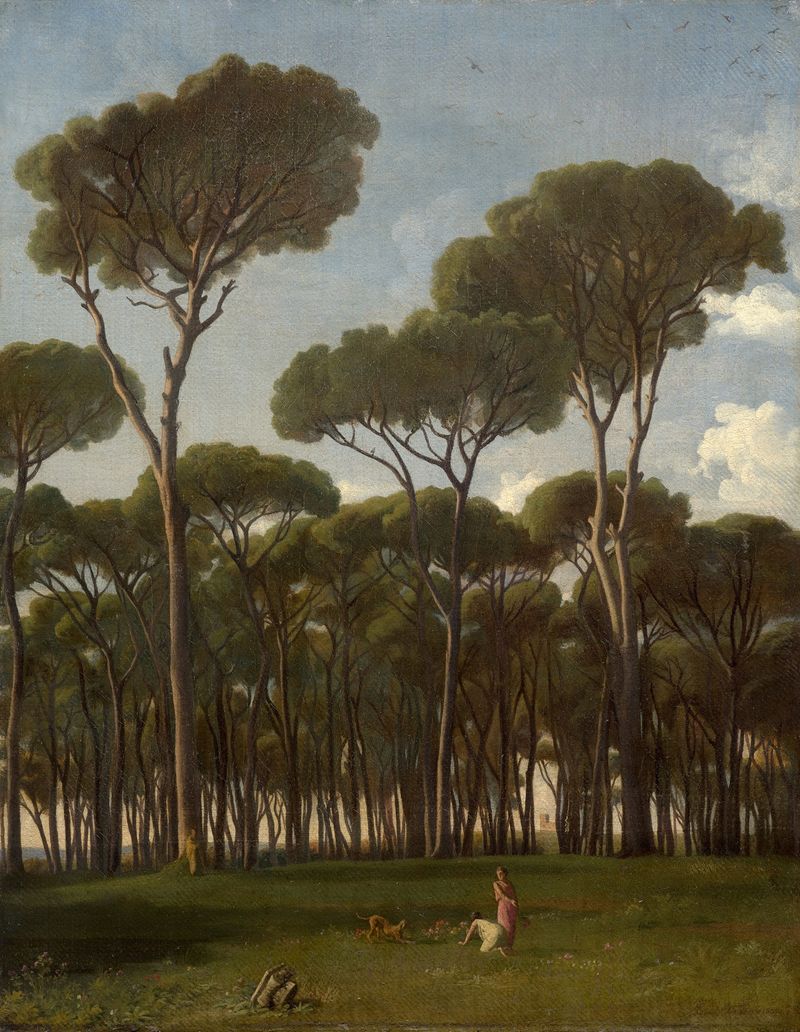
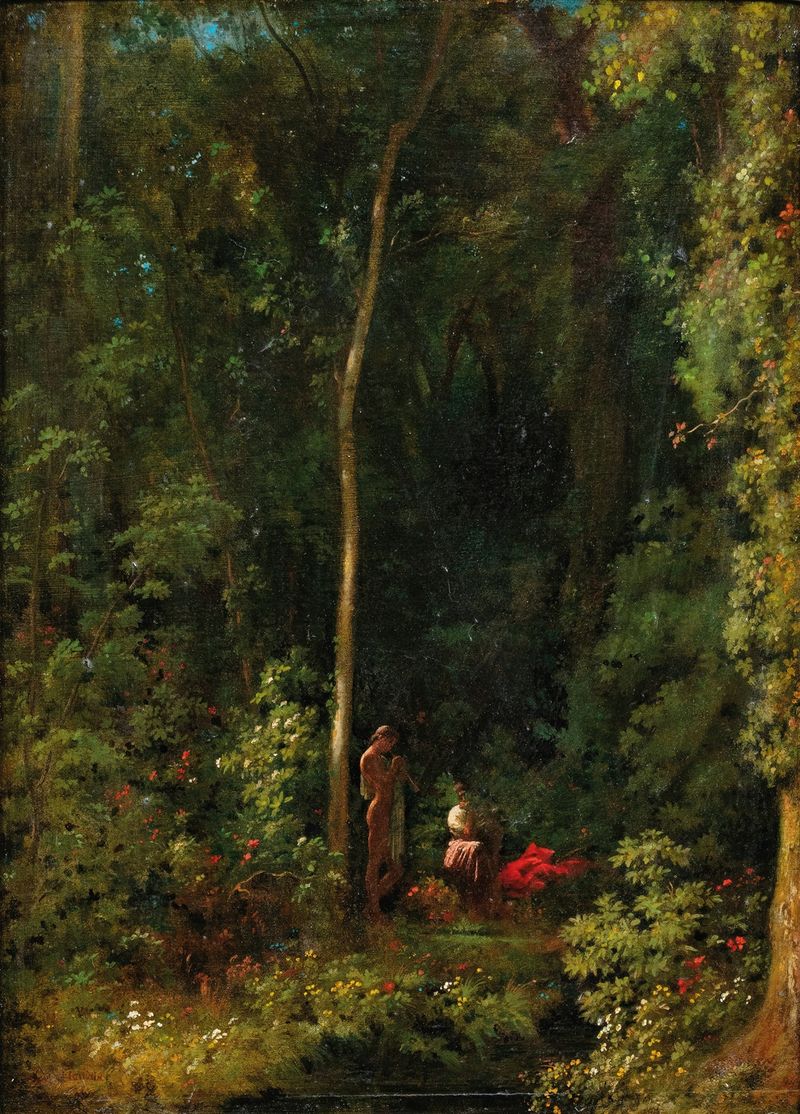
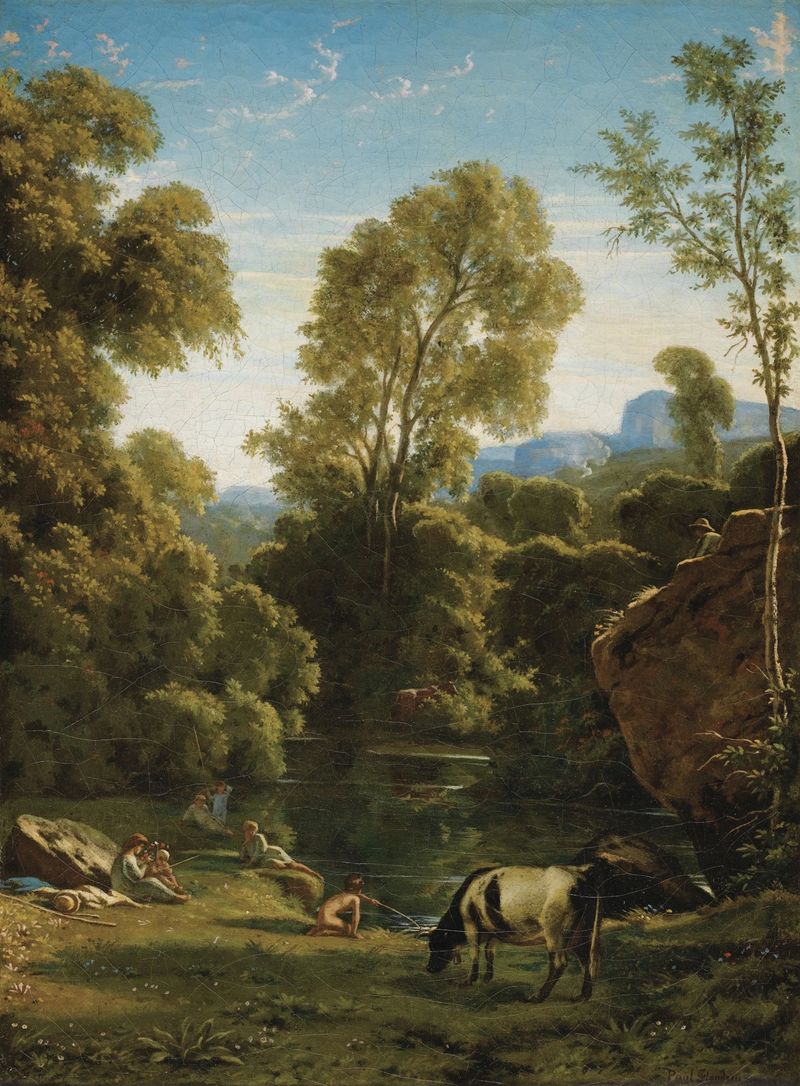
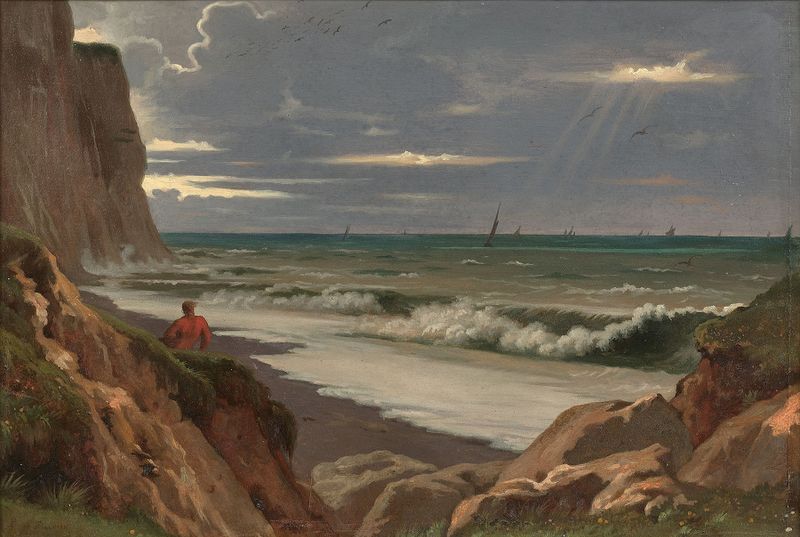
In the stillness of The banks of the Gardon, the essence of solitude lingers, evoking a longing that transcends time and space. This canvas captures not just a moment, but the echoes of quiet reflection and the weight of isolation. Focus first on the serene waters of the Gardon, where gentle ripples catch glimmers of sunlight, creating a dance of light and shadow. The lush greenery on the banks draws the eye, inviting you to explore the interplay between nature and stillness.
Notice how Flandrin’s soft palette, predominantly greens and blues, envelops the scene, imbuing it with a sense of calm yet hinting at an underlying melancholy. Delve deeper into the small details: the way the trees bend slightly, as if sharing secrets with the water, or the distant horizon that beckons yet remains unreachable. Each element seems to whisper stories of those who might have sought refuge by the riverbanks, highlighting the contrasts between the vibrant life of nature and the somber solitude of human experience. This tension resonates, illustrating the paradox of seeking solace in the natural world while grappling with existential loneliness. In 1850, Flandrin found himself in a transitional period in his career, having established his reputation within the Parisian art scene.
He painted this work in France, amidst the rise of Romanticism and Realism, where artists began to explore introspective themes and emotional depth. This moment in art history was marked by a growing appreciation for the beauty of nature and its ability to reflect the human condition, a sentiment that reverberates poignantly in this piece.