
Appenzell — History & Facts
Who listens when art speaks of silence? In Appenzell, one can almost hear the profound hush that envelops the landscape, a whisper of longing echoing through the valleys and peaks. Look to the soft curves of the hills, where muted greens and browns blend seamlessly into the distant horizon. The sky, brushed with delicate strokes of lavender and pale blue, drapes over the scene like a veil, imbuing it with a contemplative stillness. Notice how the solitary farmhouse, tucked into the embrace of nature, draws your gaze with its humble architecture, a testament to isolation amidst the grandeur of the Swiss landscape.
The play of light here is gentle, casting subtle shadows that evoke a sense of nostalgia, as if the land holds memories of lives lived within its embrace. In this composition, contrasts emerge: the solidity of the structures against the ephemeral beauty of the sky, and the vibrant life of the fields juxtaposed with the quietude surrounding them. This duality speaks to a yearning for connection, both to the land and to one another, underscoring the emotional tension that resonates in the solitude. The serene palette enhances this atmosphere, inviting the viewer into a moment of reflection, where silence becomes a canvas for unspoken thoughts and desires. David Alois Schmid painted Appenzell during the tumultuous years between 1915 and 1945, a time marked by both world wars and societal upheaval.
Living in Switzerland, he was influenced by the serene landscapes around him while navigating the profound contrasts of a world in conflict. This work reflects not only his artistic development but also a collective yearning for peace amidst the chaos of his time.
More Artworks by David Alois Schmid
Browse all →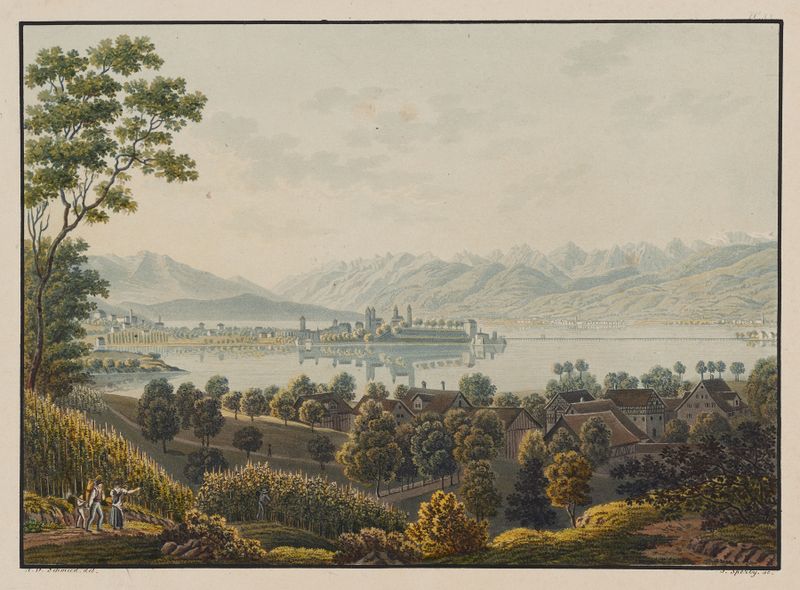
Vue de Rapperschwyl vers Lachen lac de Zurich
David Alois Schmid
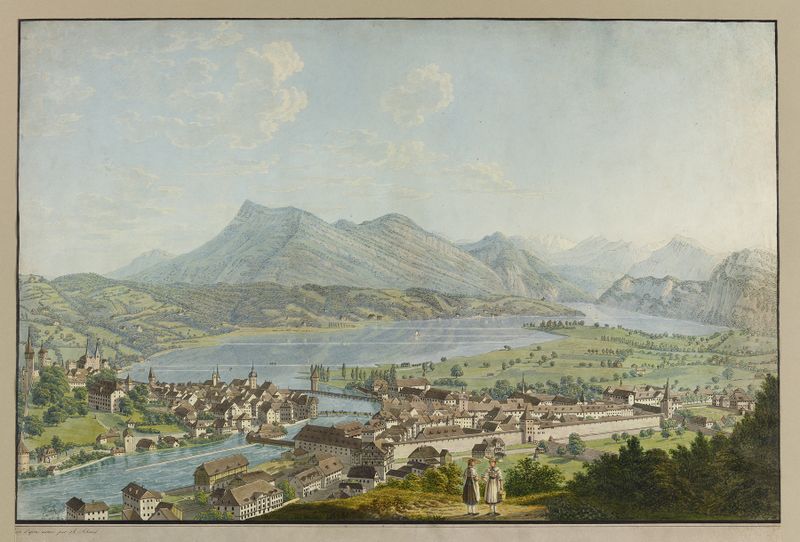
Luzern, von Westen
David Alois Schmid
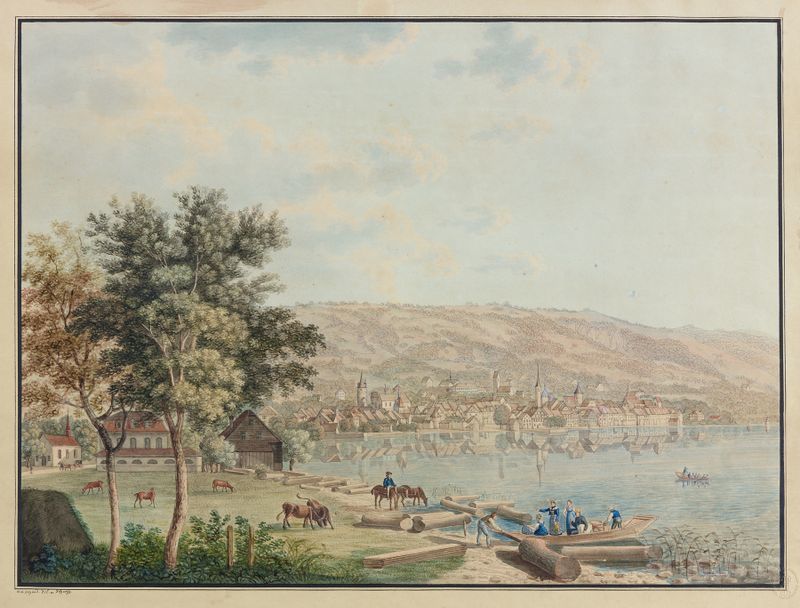
Ansicht der Stadt Zug und des Zugersees
David Alois Schmid
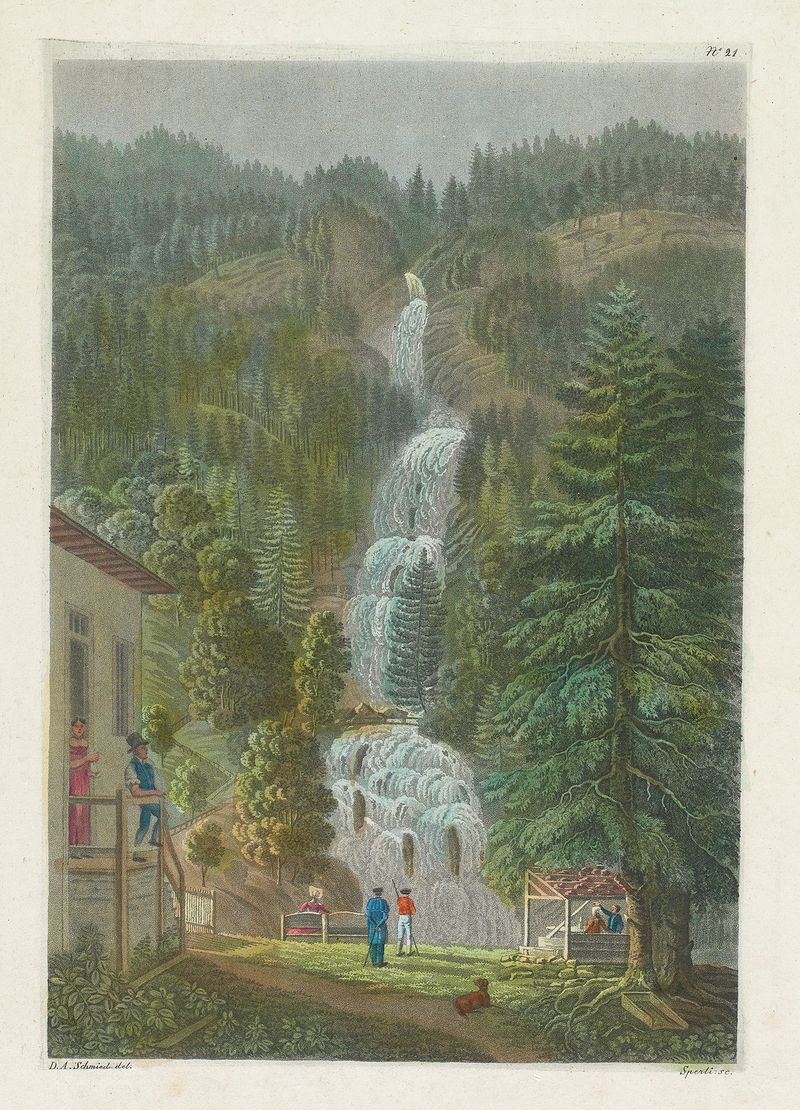
La Cascade du Giessbach
David Alois Schmid
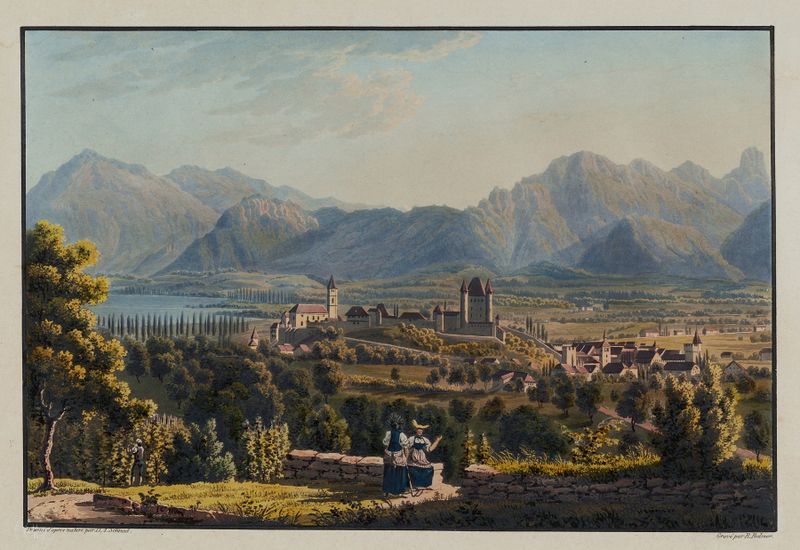
Thoun vers le Niesen et le Stokhorn
David Alois Schmid
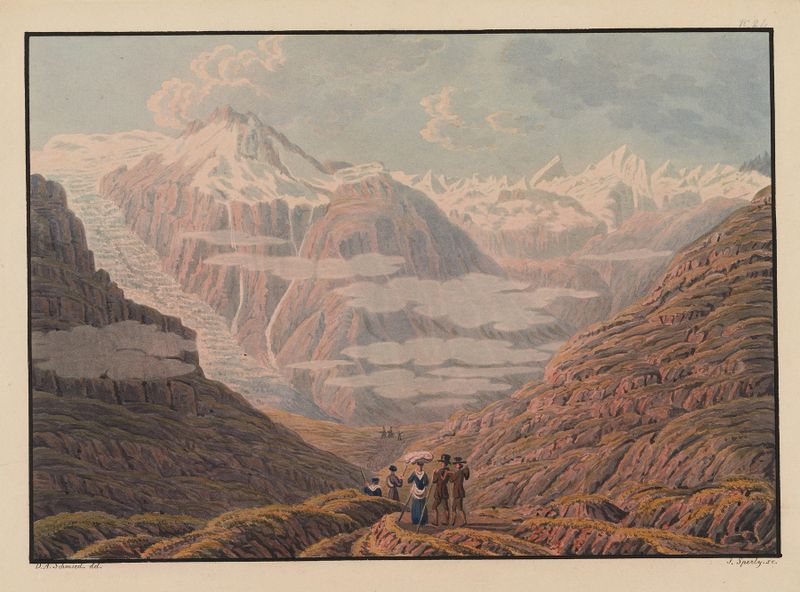
Vue prise au passage de la Furka Cant. d’Ury
David Alois Schmid
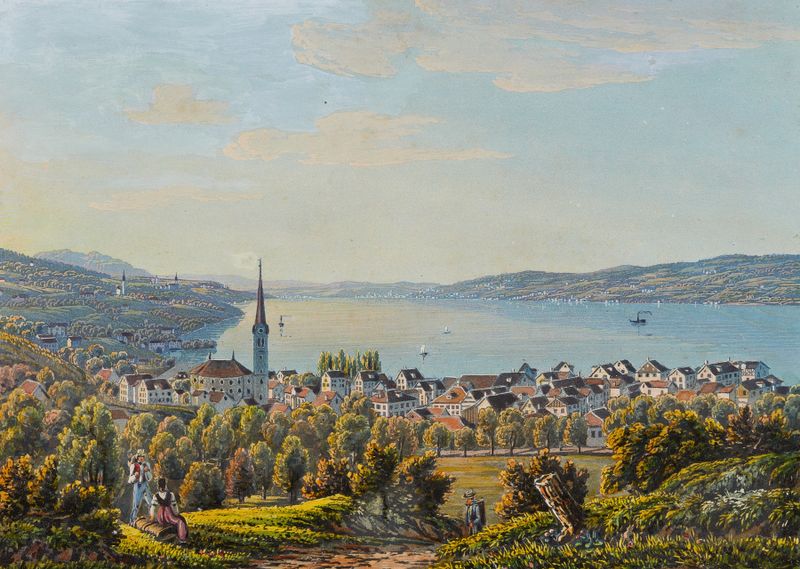
Vue de Horgen lac de Zurich
David Alois Schmid
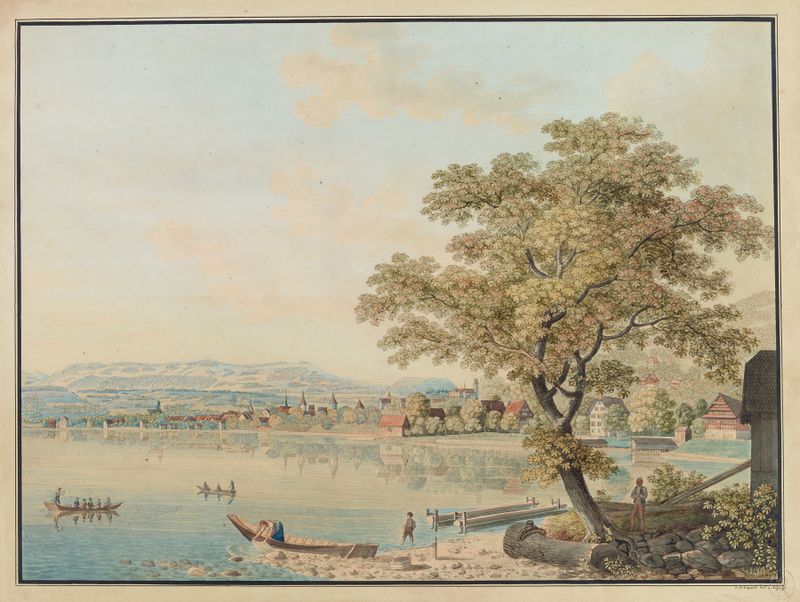
Zug, Ortsteilansicht
David Alois Schmid
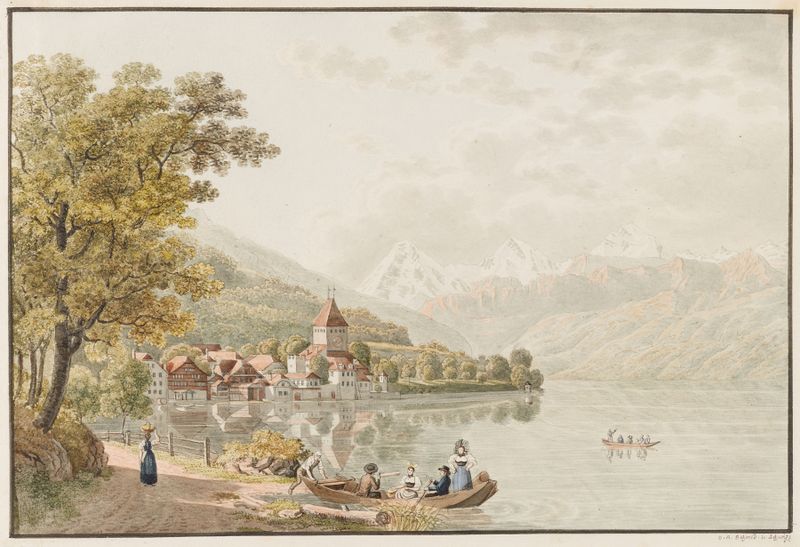
Ansicht Oberhofens am Thunersee
David Alois Schmid
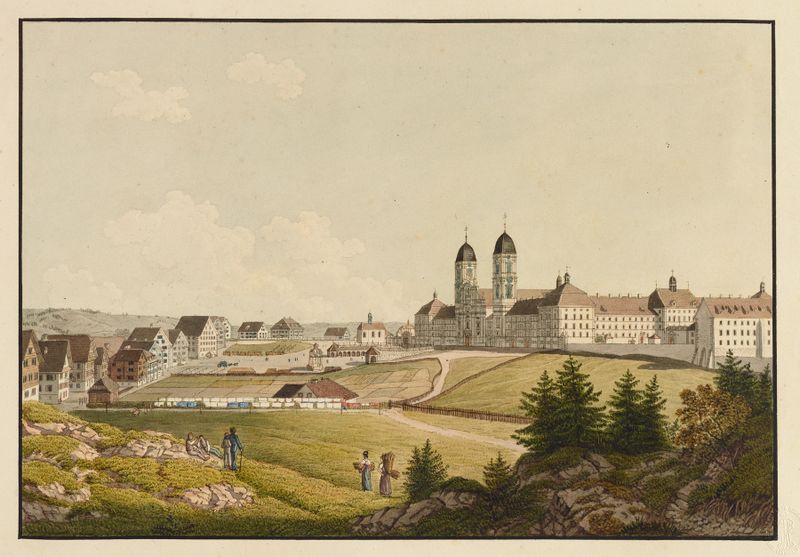
Das Kloster Einsiedeln im Canton Schwyz
David Alois Schmid





