
Aqueduct at Marly — History & Facts
In a fleeting moment, eternity is captured, a whisper of existence immortalized on canvas. Look closely at the scene before you. Notice how the delicate brushstrokes create a soft focus along the aqueduct’s arches, drawing your gaze along its tranquil pathway. The muted blues and greens cradle the structure in a serene embrace, while the dappled light dances upon the water's surface, reflecting the gentle sky above.
The interplay of light and shadow serves not only to highlight the architecture but also to evoke a sense of calm and nostalgia, reminding us of the passage of time. Beneath this peaceful facade, contrasting elements emerge. The stark lines of the aqueduct suggest permanence, yet the lush foliage encroaching upon it tells a different story of nature’s reclaiming hand — a sagacious reminder of mortality. The tranquil water mirrors the fleeting moments of life, where serenity coexists with the inevitable decay.
Within this harmonious tension lies a profound exploration of existence, whispering the transient nature of beauty and the enduring mark of time. In the late 19th century, Sisley painted this work during his time in France, where Impressionism was gaining prominence. Surrounded by fellow artists experimenting with light and color, he sought to capture the essence of landscapes and their emotional resonance. This period was marked by personal challenges; Sisley struggled with financial instability and a yearning for acceptance in the art world.
His paintings resonate with an introspective quality, revealing both his artistic vision and the complexities of his life as he grappled with the ephemerality of nature and existence.
More Artworks by Alfred Sisley
Browse all →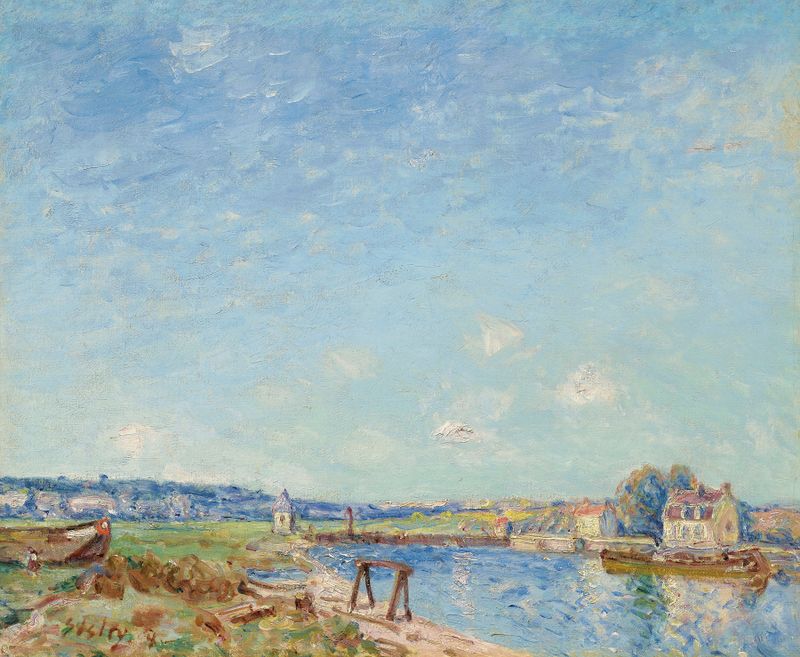
Le Loing à Saint-Mammès
Alfred Sisley
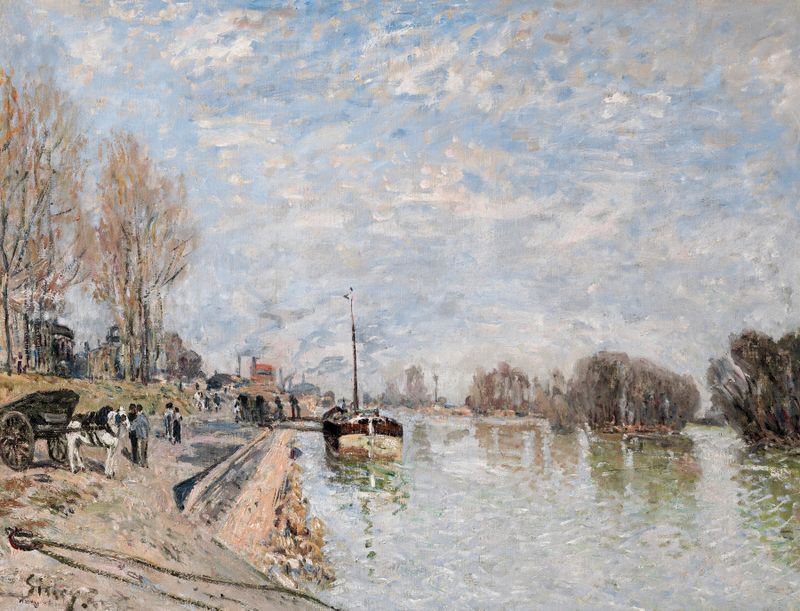
La Seine à Suresnes
Alfred Sisley
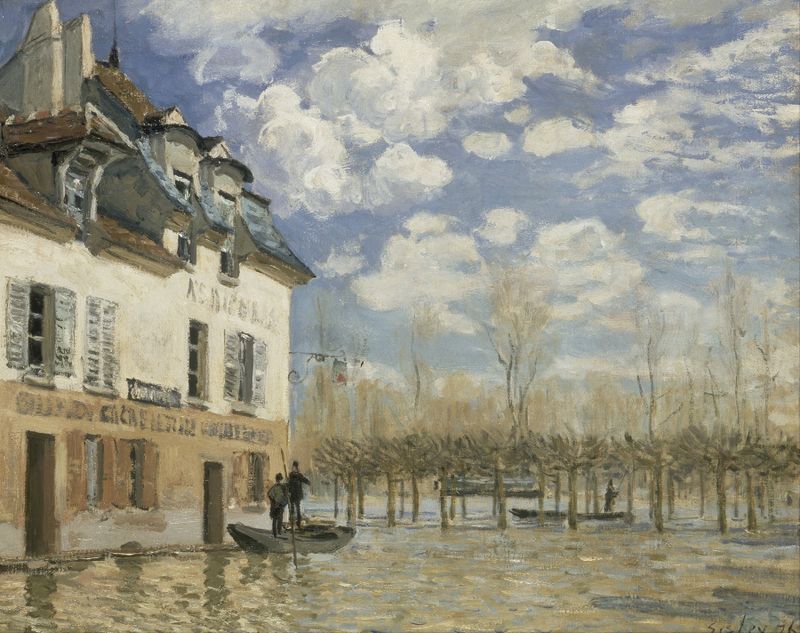
Boat in the Flood at Port Marly
Alfred Sisley
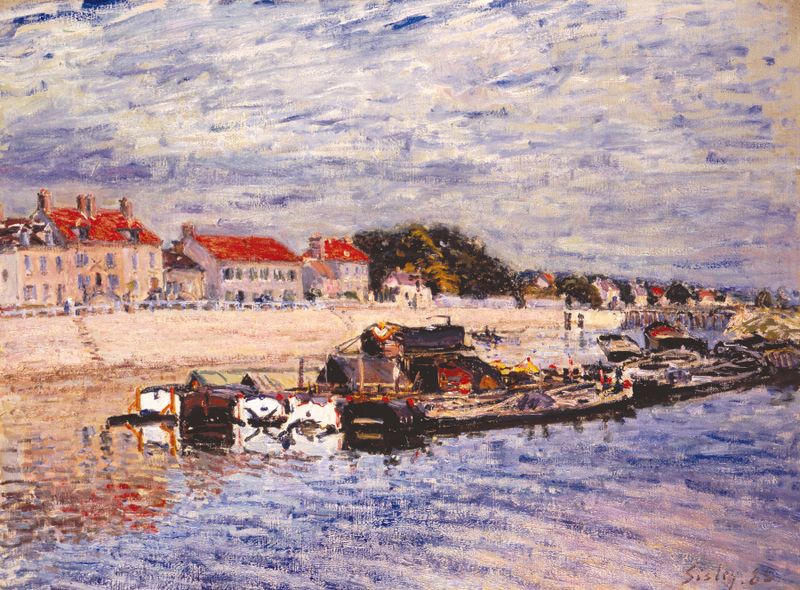
Barges on the Loing at Saint-Mammès
Alfred Sisley

L’allée des peupliers au bord du Loing
Alfred Sisley

Molesey Weir, Hampton Court
Alfred Sisley
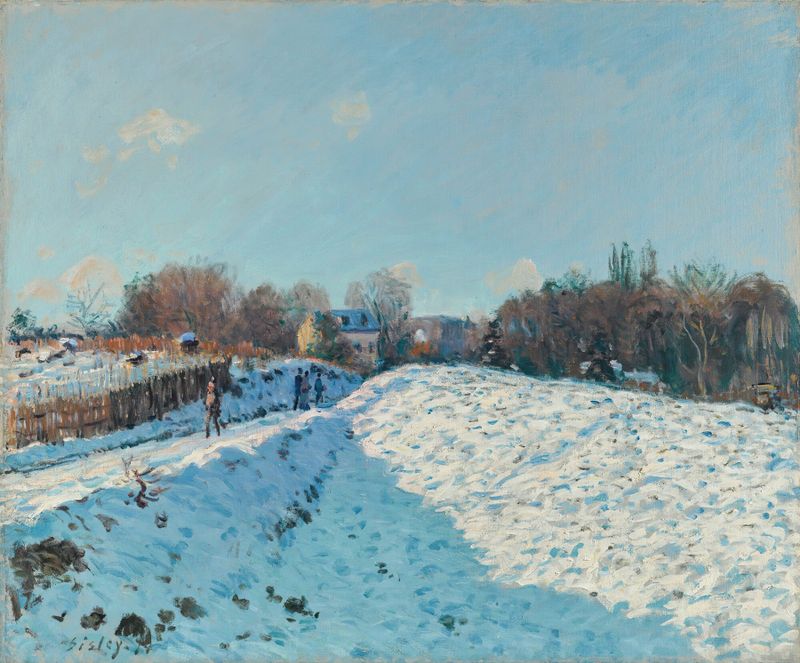
Effet De Neige À Louveciennes
Alfred Sisley
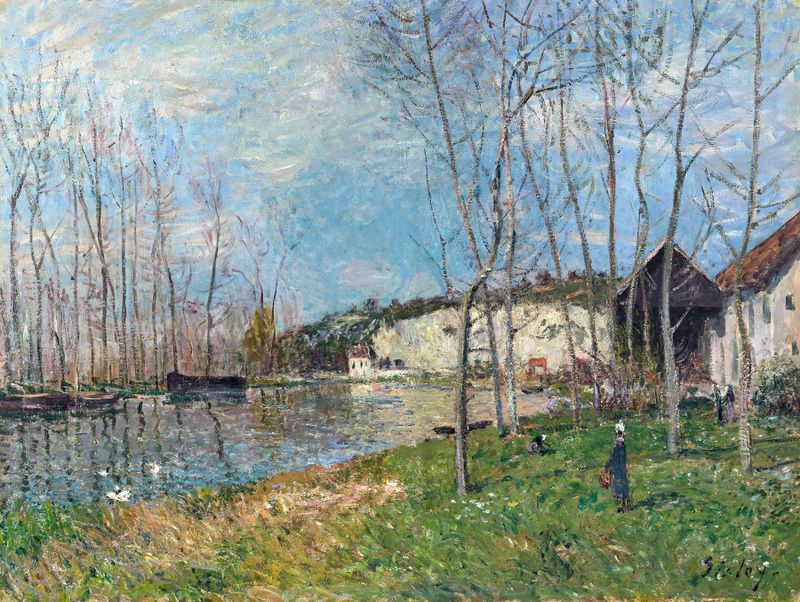
Printemps au bord du Loing
Alfred Sisley
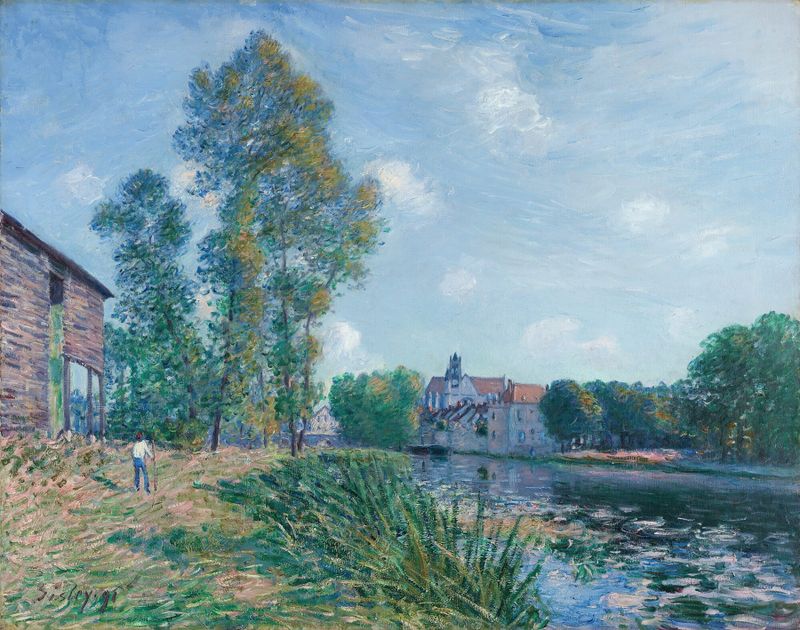
Le Loing À Moret, En Été
Alfred Sisley
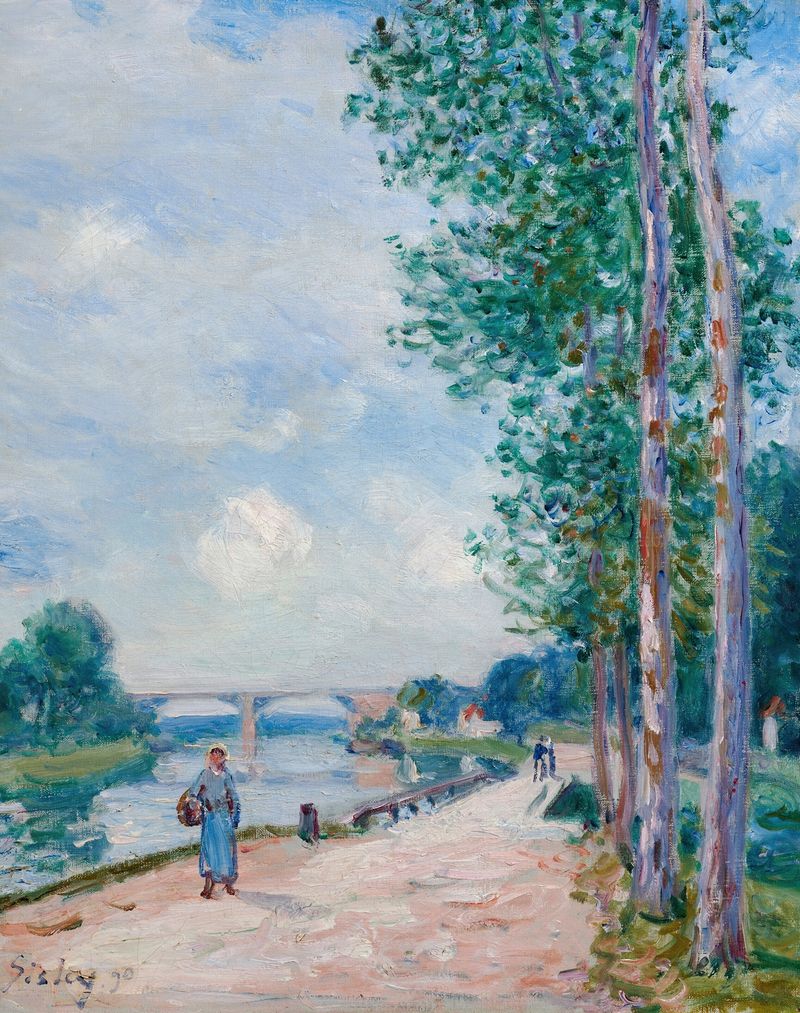
Les bords du Loing près de Moret
Alfred Sisley





