
Arab Horsemen Carrying Away Their Dead — History & Facts
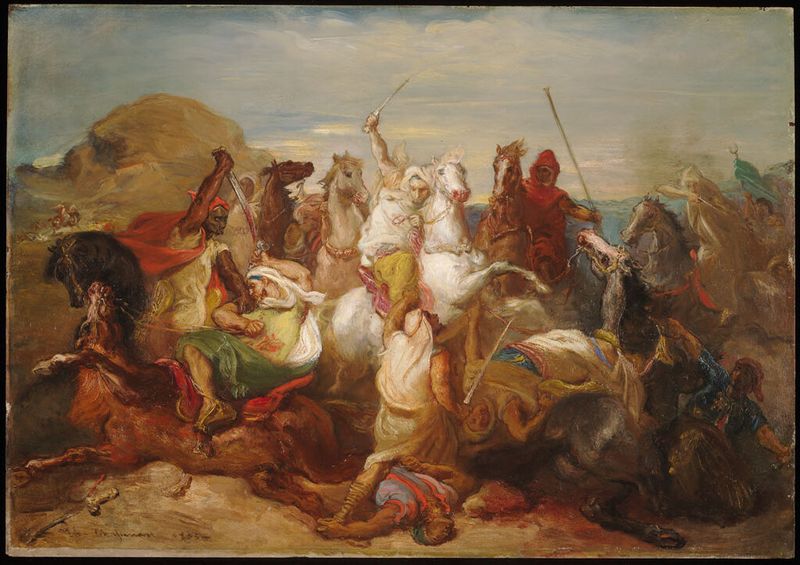
What if beauty was never meant to be finished? In a moment suspended between life and loss, a haunting stillness envelops the viewer, urging them to confront the depths of longing and sorrow. Look closely at the figures emerging from the canvas, their muscular horses straining with the weight of what they bear. Notice the dramatic interplay of light and shadow that dances across the scene, illuminating the ornate saddles and the somber expressions of the men. Each brushstroke carries the weight of their burden, a testament to Chassériau's mastery of color and form that envelops the viewer in an intoxicating blend of vulnerability and strength. The juxtaposition of the warriors’ heroic postures against the backdrop of mourning speaks to an intricate emotional tension.
The vibrant hues of the landscape contrast sharply with the muted tones of the fallen, capturing a moment rife with yearning and loss. Each detail—the glint of a sword, a whisper of fabric—reveals layers of story, inviting contemplation on the fragility of life and the cost of conflict. In 1850, Chassériau painted this work while living in Paris, amidst a vibrant art scene marked by Romanticism and burgeoning Realism. He was deeply influenced by his travels and studies of the East, reflecting a fascination with exotic subjects and the human condition.
This piece embodies his desire to encapsulate both the beauty and tragedy of existence, a struggle mirrored in the tumultuous world around him.
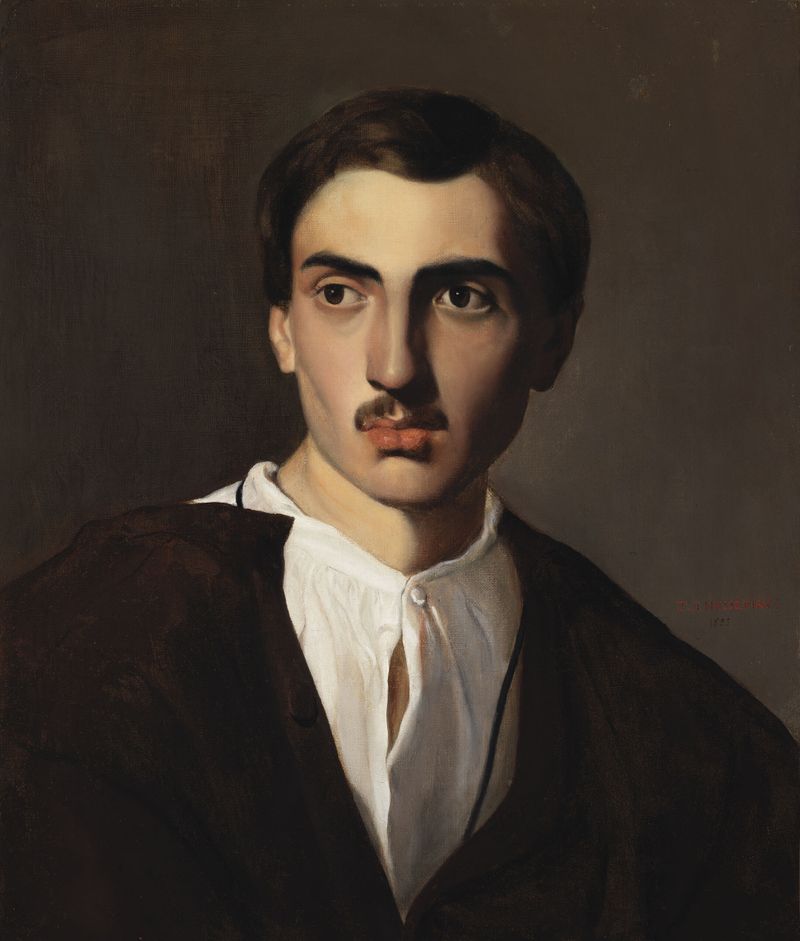
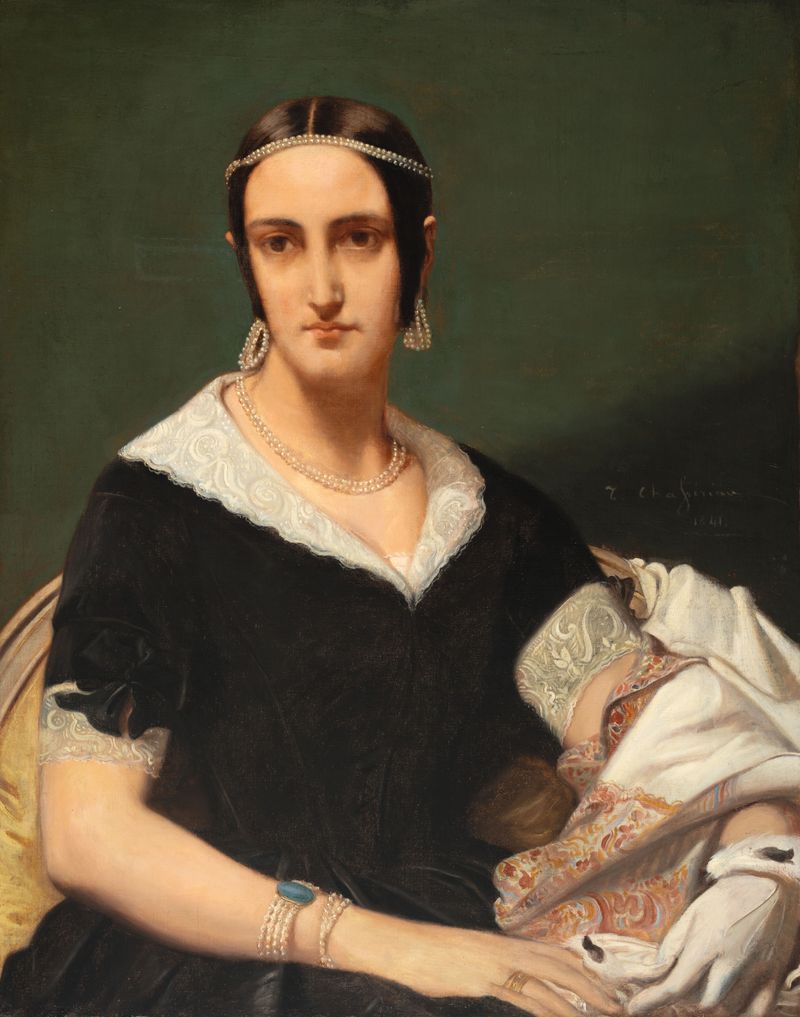
More Artworks by Théodore Chassériau
Browse all →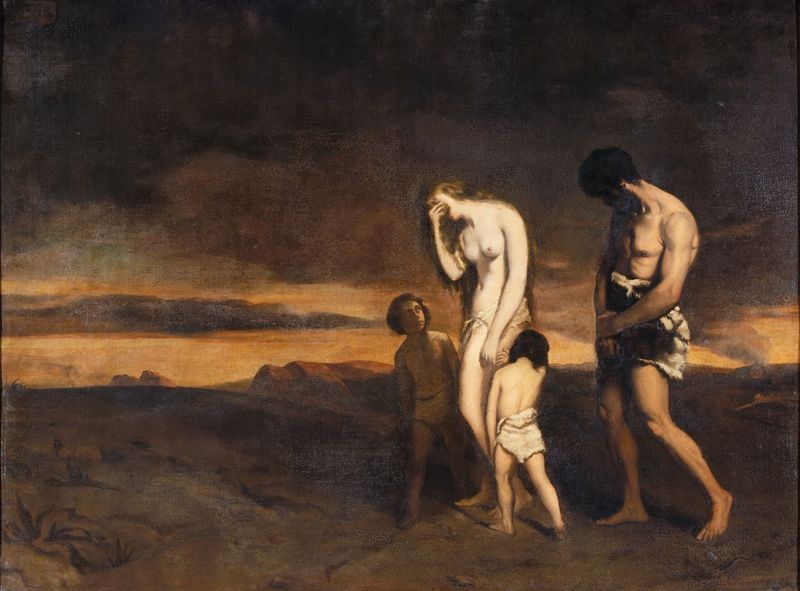
More Historical Art
Browse all →
The Night Watch Militia Company of District II under the Command of Captain Frans Banninck Cocq
Rembrandt van Rijn

Lincoln Memorial
Henry Bacon

The Third of May 1808
Francisco de Goya

Isaac and Rebecca, Known as ‘The Jewish Bride’
Rembrandt van Rijn

The Charge of the Mamelukes (1814)
Francisco de Goya

De vier ruiters van de apocalyps
Albrecht Dürer