
Arab Warrior — History & Facts
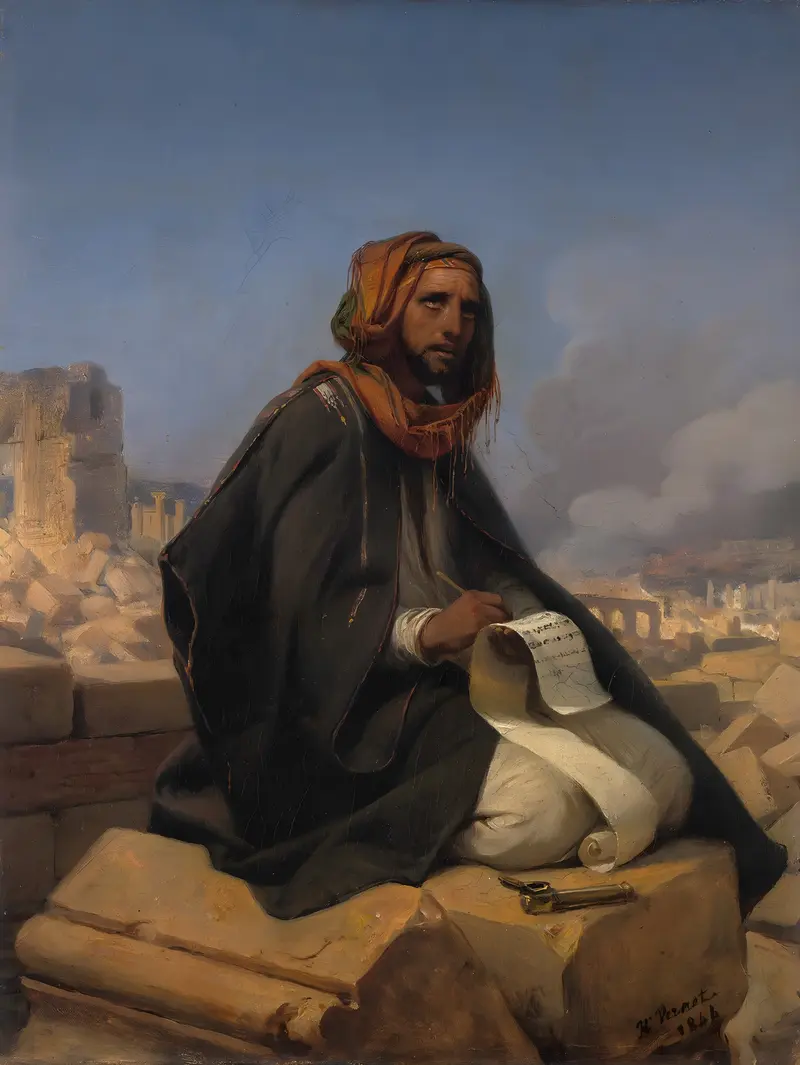
In Arab Warrior, Horace Vernet presents a striking depiction of an Arab warrior in a vibrant setting. The use of rich colors, particularly deep reds and golds, creates a sense of drama and intensity. The warrior is shown in a dynamic pose, suggesting movement and action, with intricate details in his attire and weaponry.
The background features a desert landscape, enhancing the exotic feel of the scene. The painting is executed in oil on canvas, showcasing Vernet's skill in capturing texture and detail. The dimensions are approximately 100 x 150 cm, making it a substantial work that draws the viewer's eye. The brushwork is expressive, with a focus on the play of light and shadow across the warrior's figure.
This attention to detail adds depth and realism to the composition. Horace Vernet was a prominent French painter known for his depictions of military subjects and Orientalist themes. Created in the 1840s, Arab Warrior reflects the fascination with the East that was prevalent in European art during this period. An interesting fact about this work is that it was part of a larger trend of Orientalism, where Western artists romanticized and depicted Eastern cultures.
Vernet's ability to blend historical accuracy with dramatic flair makes this painting a notable example of his oeuvre.
More Artworks by Horace Vernet
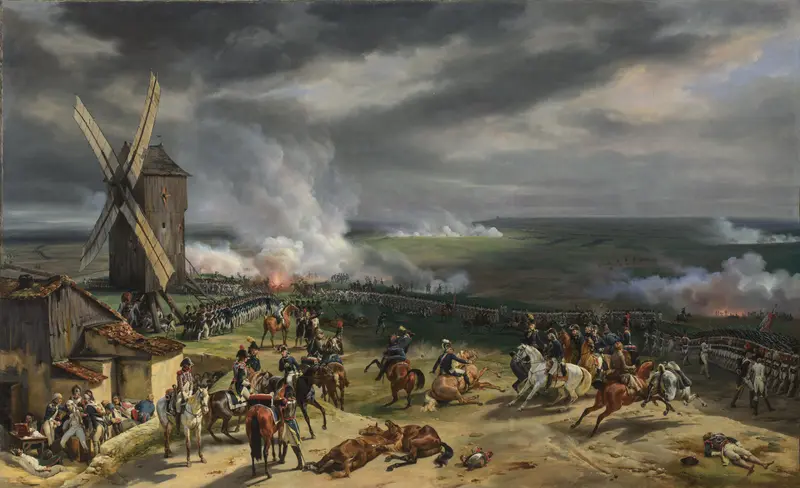
The Battle of Valmy
Horace Vernet

African War – Battle of Isly won against the Moroccans (August 13, 1844)
Horace Vernet
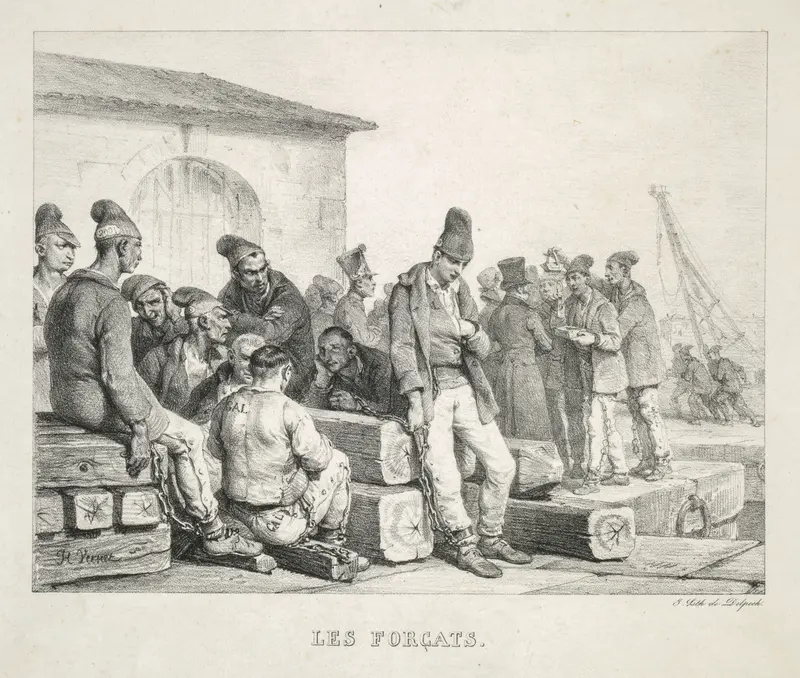
The Convicts
Horace Vernet
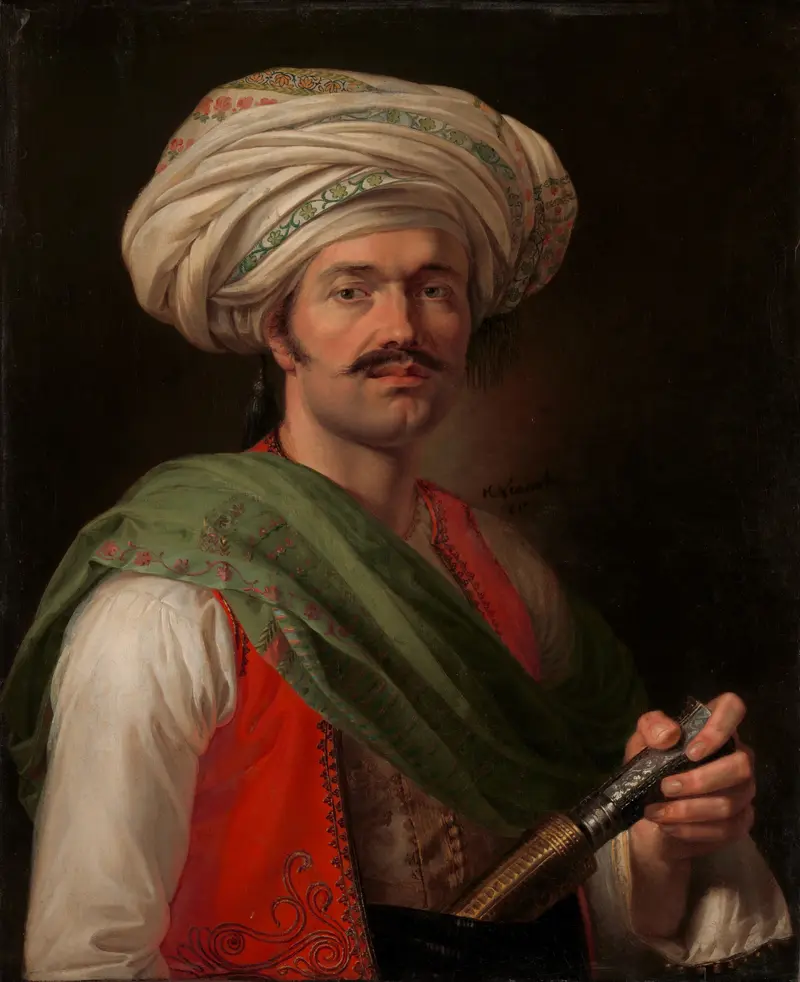
Portrait of a Mameluke. Said to Be Roustam Raza
Horace Vernet
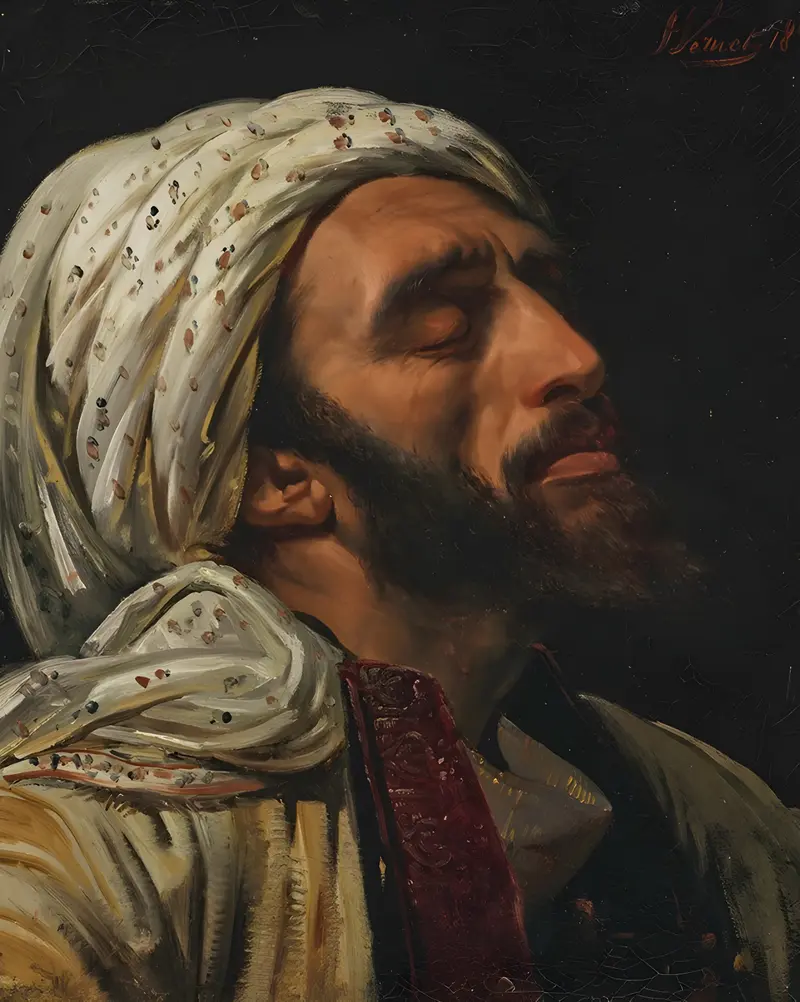
Portrait of an Arab man
Horace Vernet
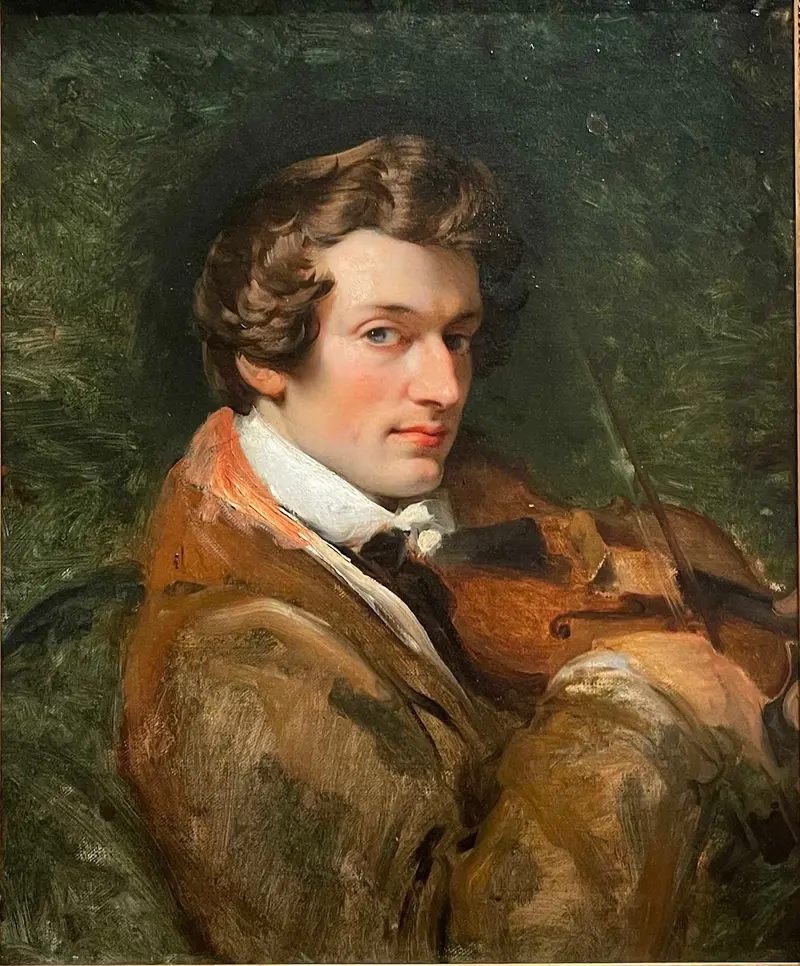
Portrait of Charles Auguste de Bériot
Horace Vernet
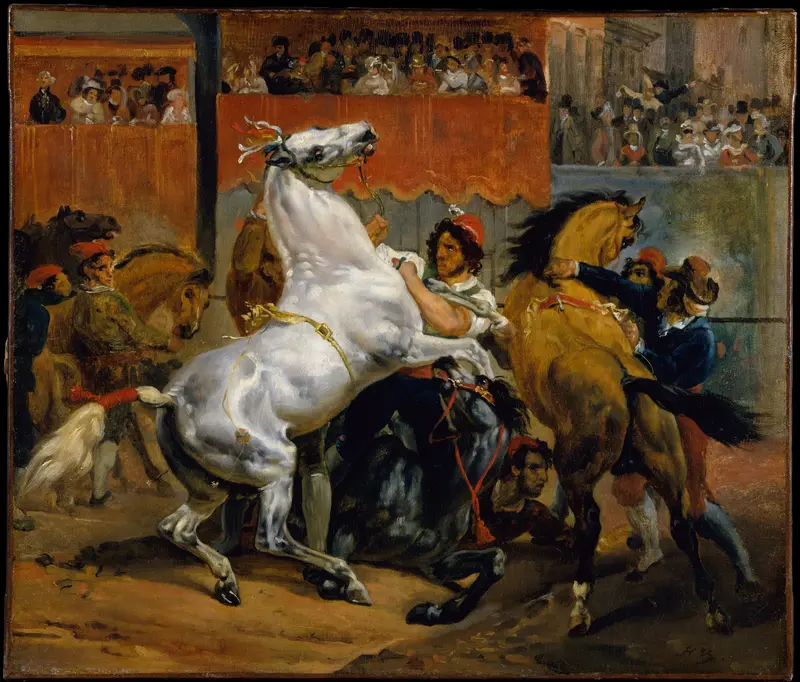
The Start of the Race of the Riderless Horses
Horace Vernet
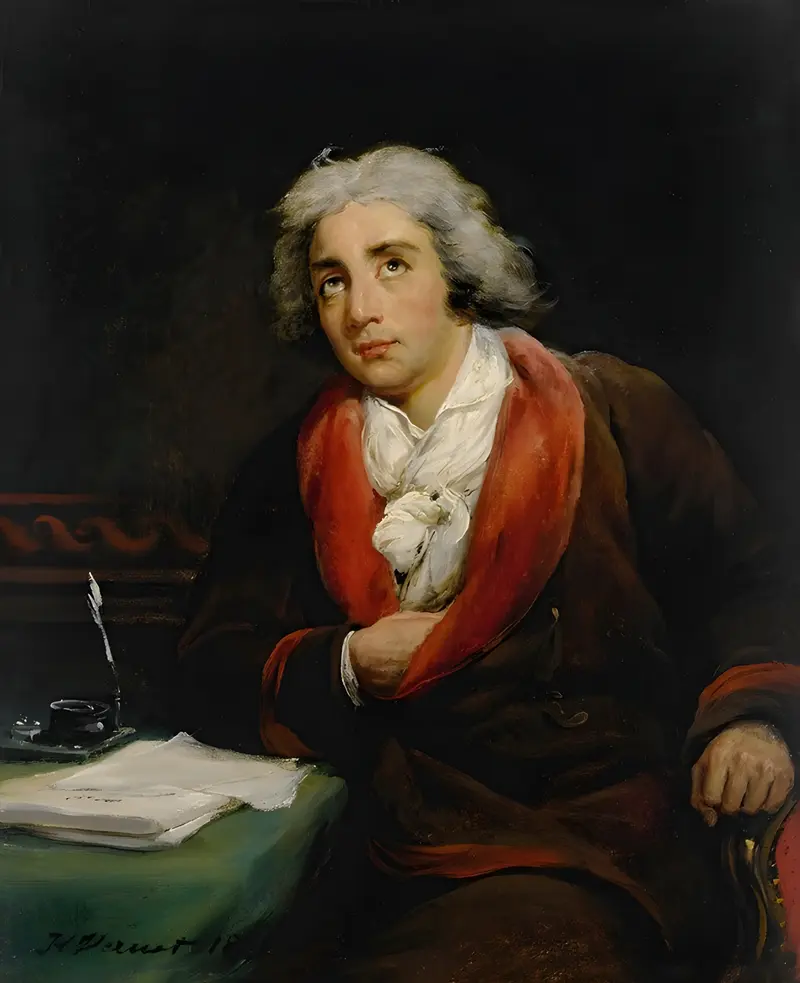
Portrait of the poet André Chénier (1762-1794)
Horace Vernet
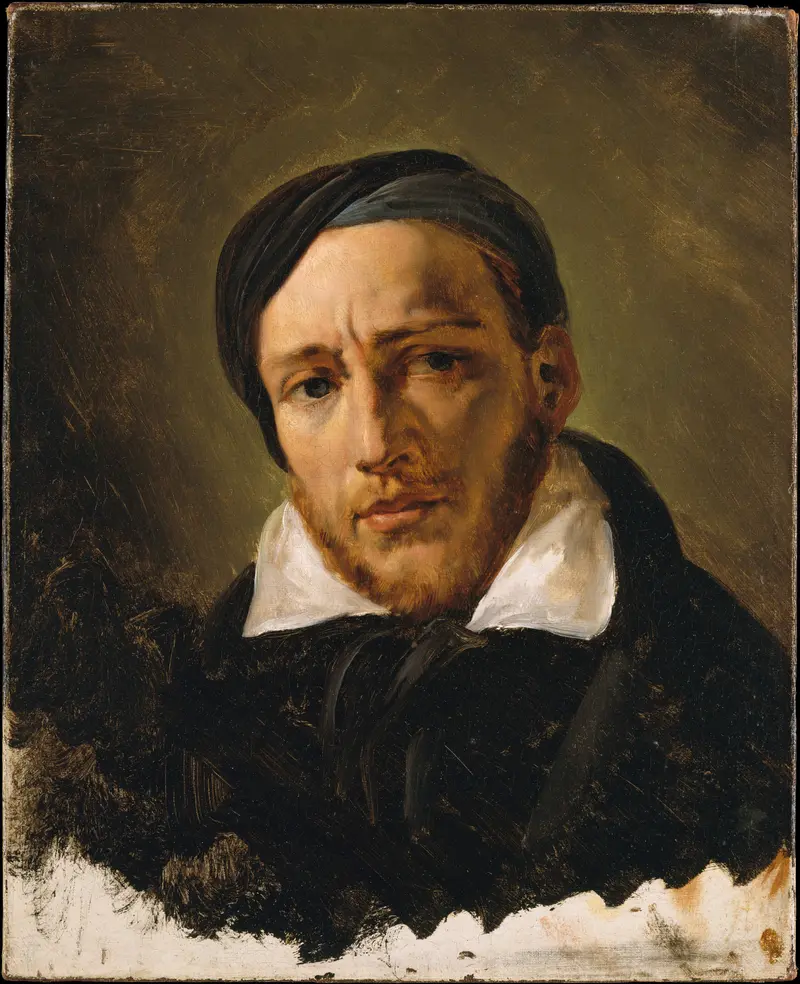
Jean-Louis-André-Théodore Gericault (1791–1824)
Horace Vernet
Jeremiah on the ruins of Jerusalem
Horace Vernet





