
Discover insights about this artwork
Belshazzar’s feast — History & Facts
In Belshazzar’s Feast, Rembrandt van Rijn presents a dramatic scene filled with vibrant colors. The figures are depicted in a moment of shock and awe, surrounded by opulent decorations. The rich reds, golds, and deep shadows create a sense of tension and urgency.
The setting is lavish, reflecting the grandeur of the biblical banquet. The painting is executed in oil on canvas, showcasing Rembrandt's skillful use of light and shadow. The contrast between the illuminated figures and the dark background draws the viewer's eye to the central action. The intricate details in the clothing and the expressions of the figures add depth to the narrative.
This work is approximately 166 x 209 cm in size. Rembrandt van Rijn painted Belshazzar’s Feast around 1635, during the Dutch Golden Age. This period was marked by a flourishing of the arts and a focus on realism. An interesting fact about this painting is that it illustrates a biblical story where King Belshazzar sees a mysterious hand writing on the wall, a moment of divine judgment.
The work is now housed in the Rijksmuseum in Amsterdam.
More Artworks by Rembrandt van Rijn
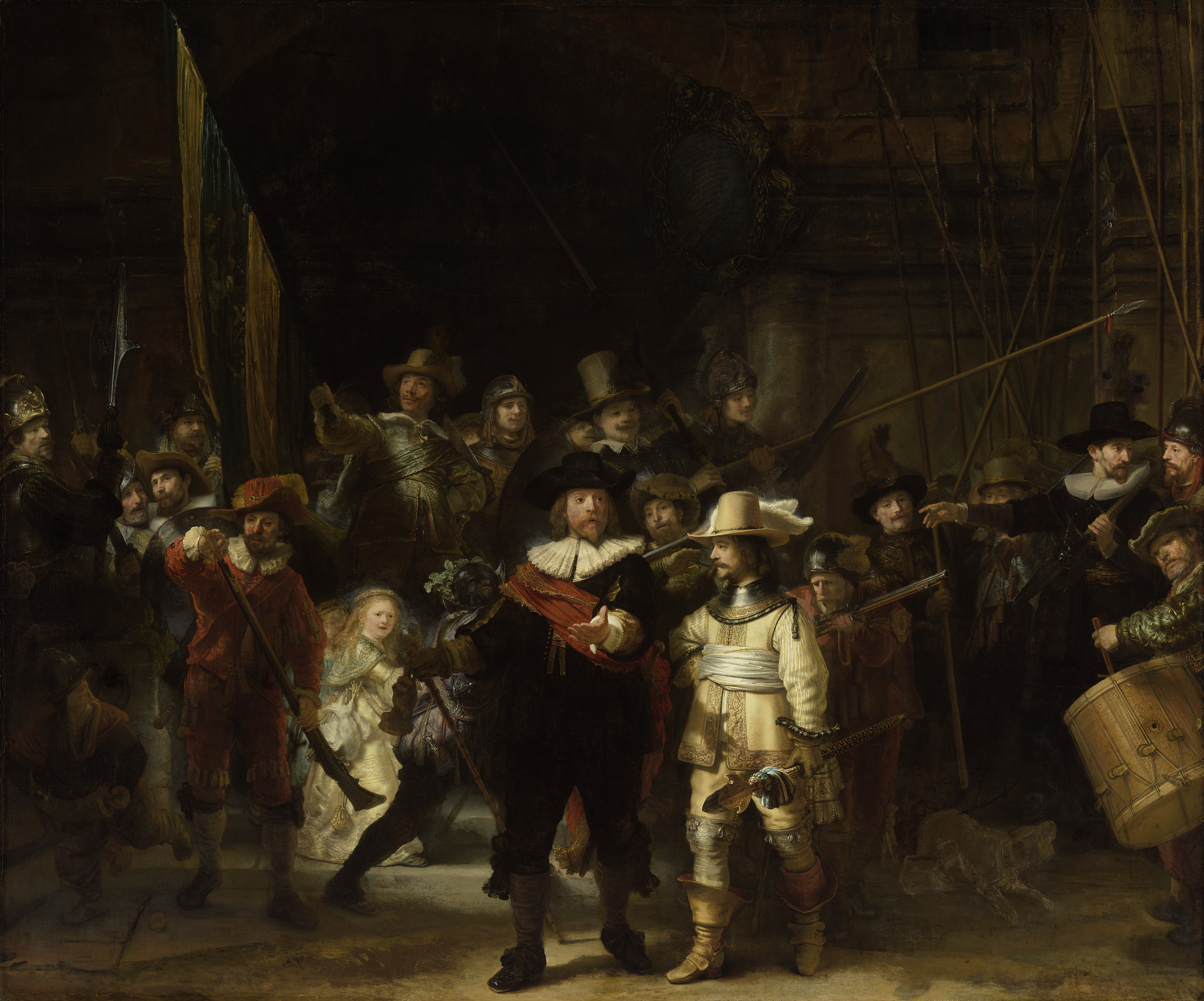
The Night Watch Militia Company of District II under the Command of Captain Frans Banninck Cocq
Rembrandt van Rijn
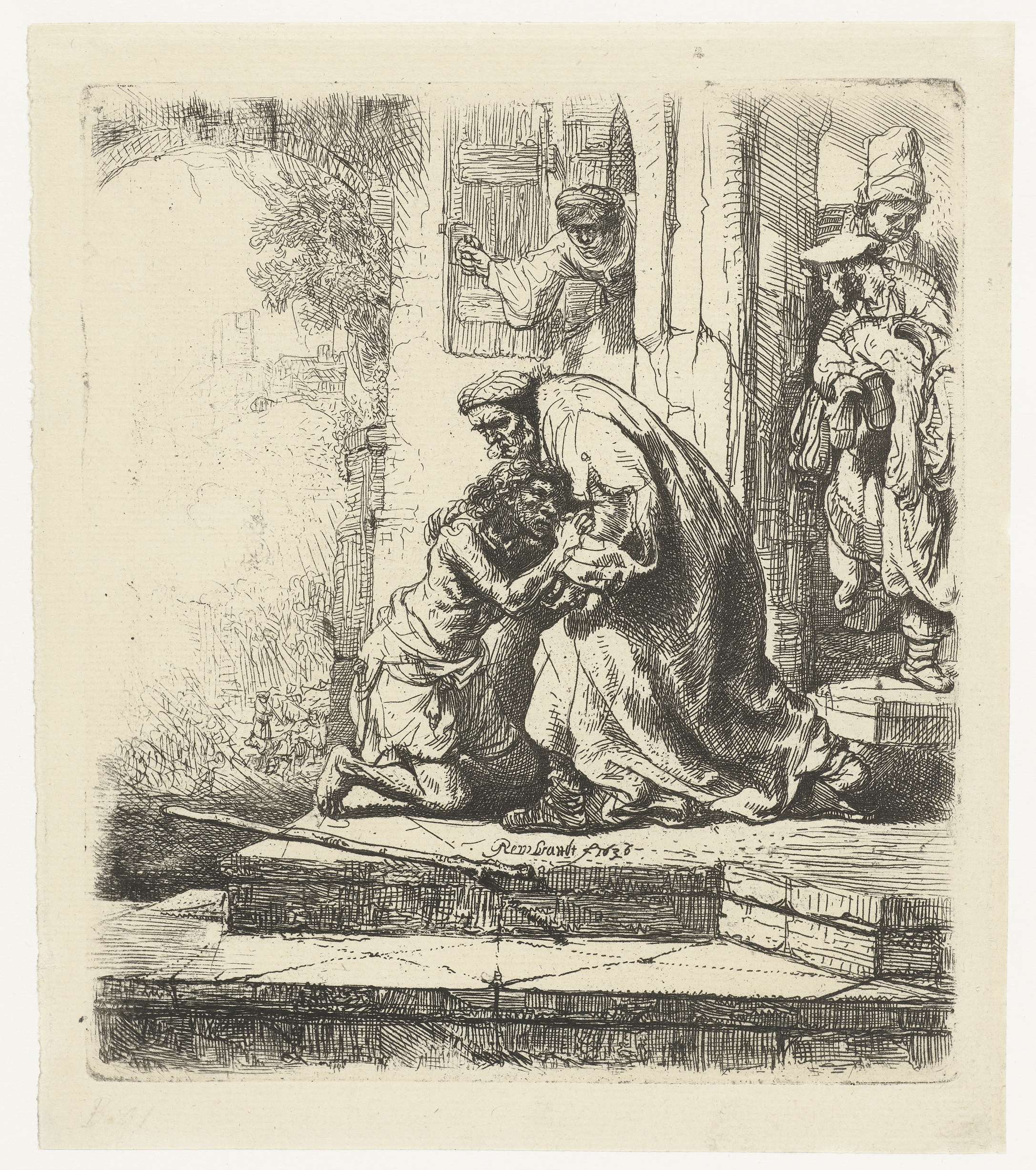
The Return of the Prodigal Son
Rembrandt van Rijn
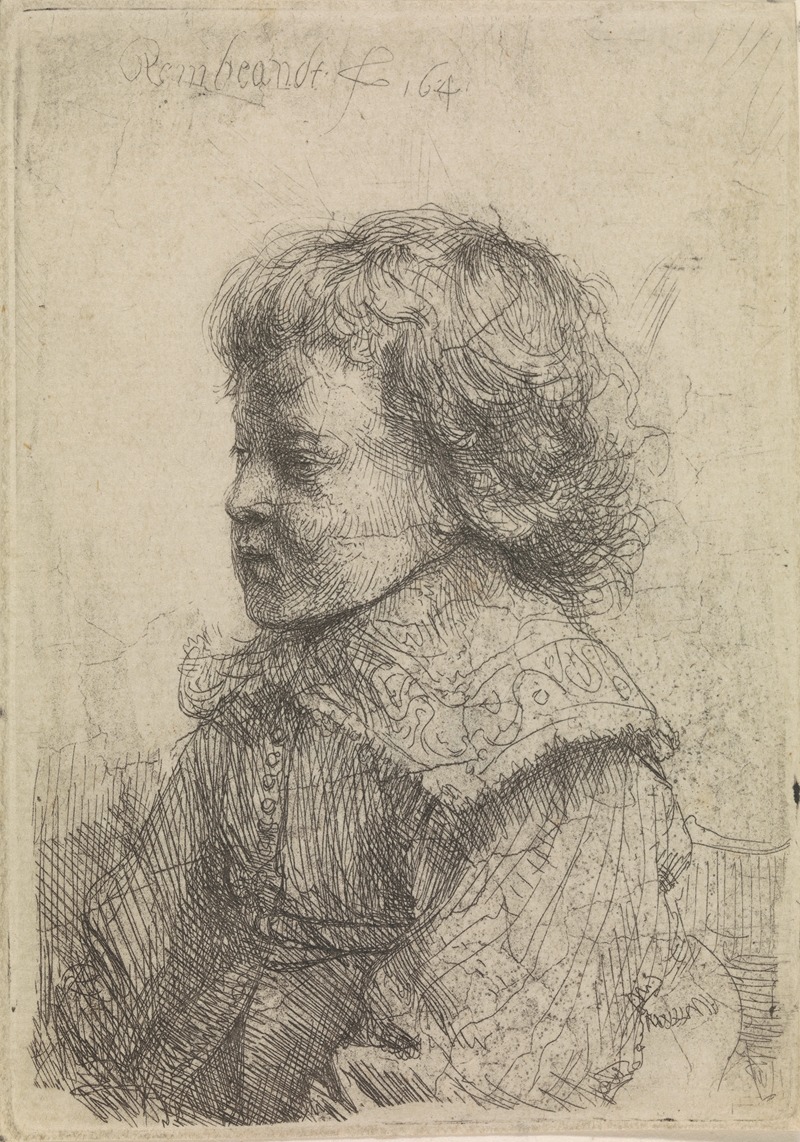
Portrait of a boy in profile
Rembrandt van Rijn
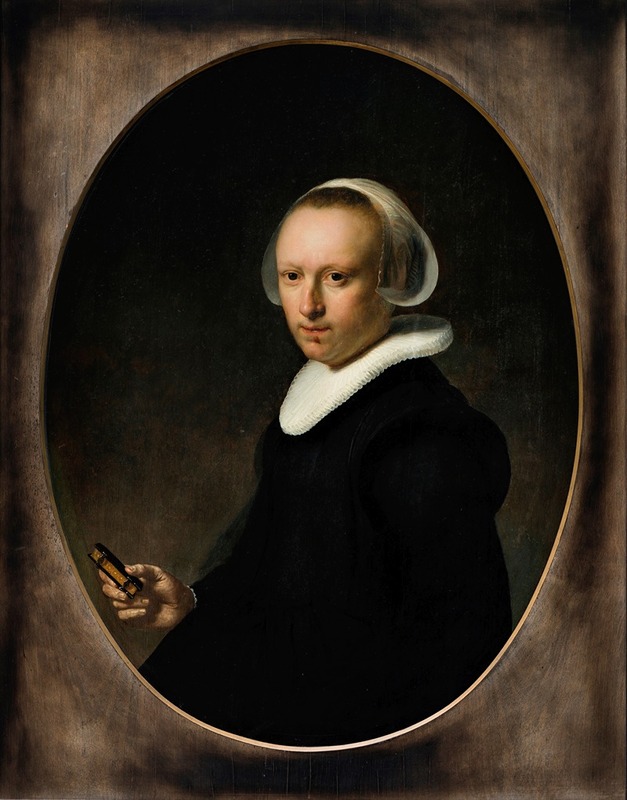
Portrait of a 39-year-old Woman
Rembrandt van Rijn
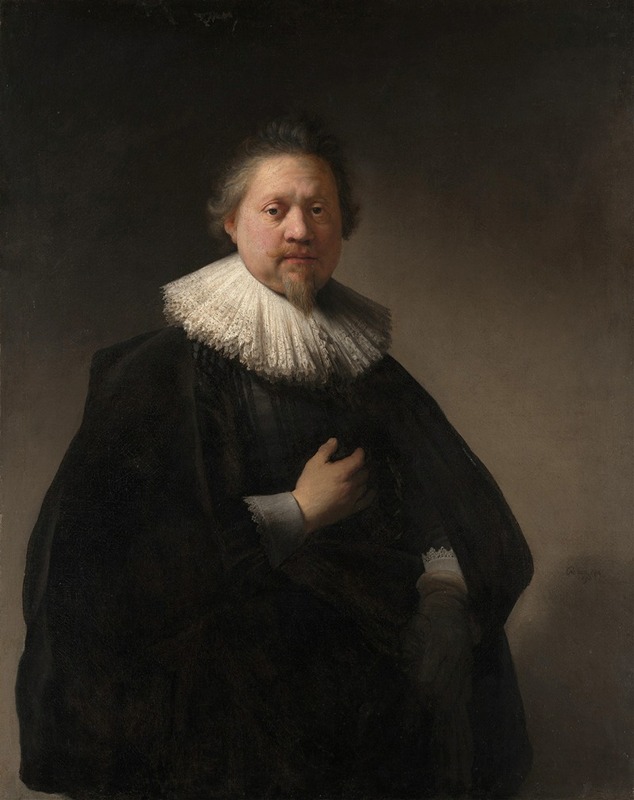
Portrait of a Man
Rembrandt van Rijn
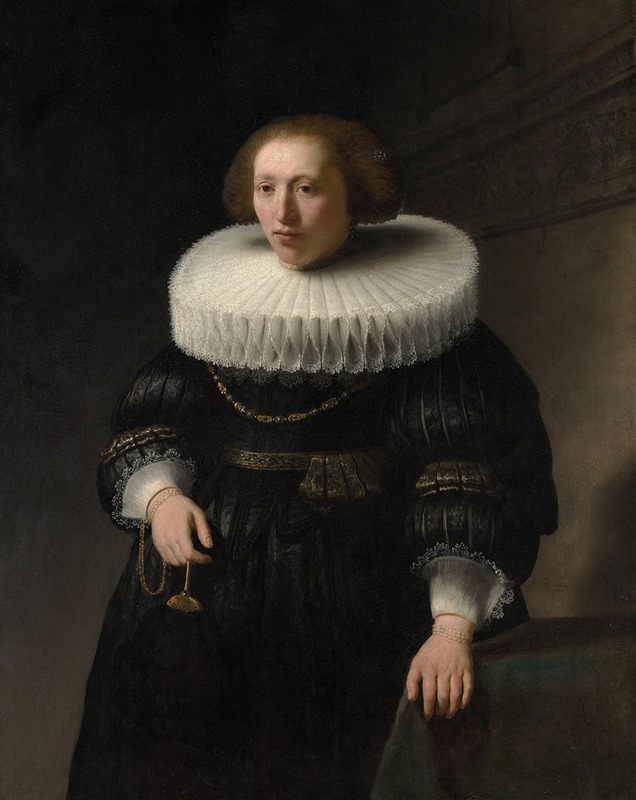
Portrait of a Woman
Rembrandt van Rijn
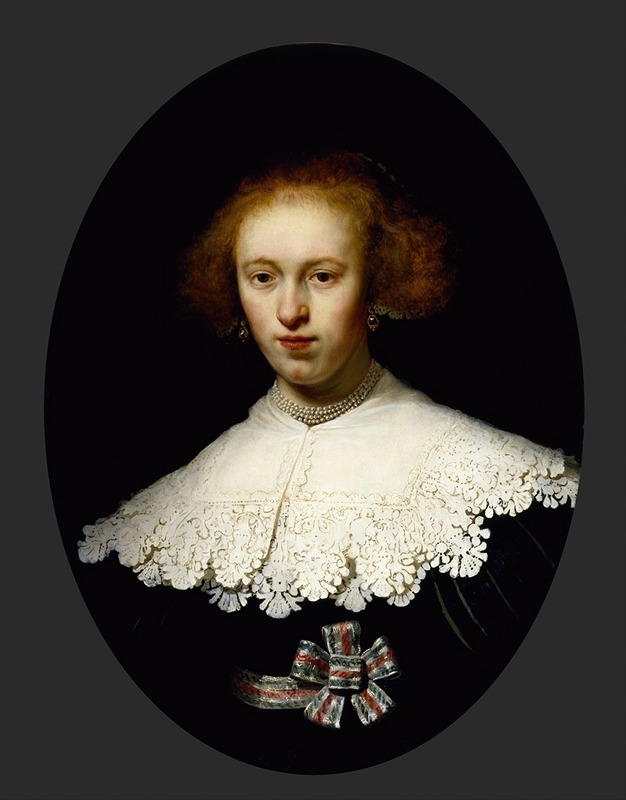
Portrait of a Young Woman
Rembrandt van Rijn
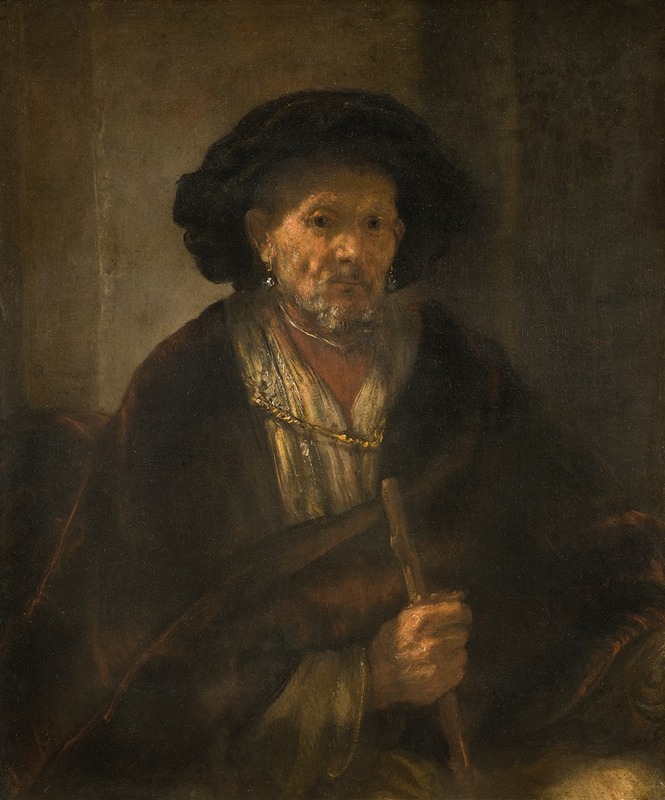
Portrait of an Old Man
Rembrandt van Rijn
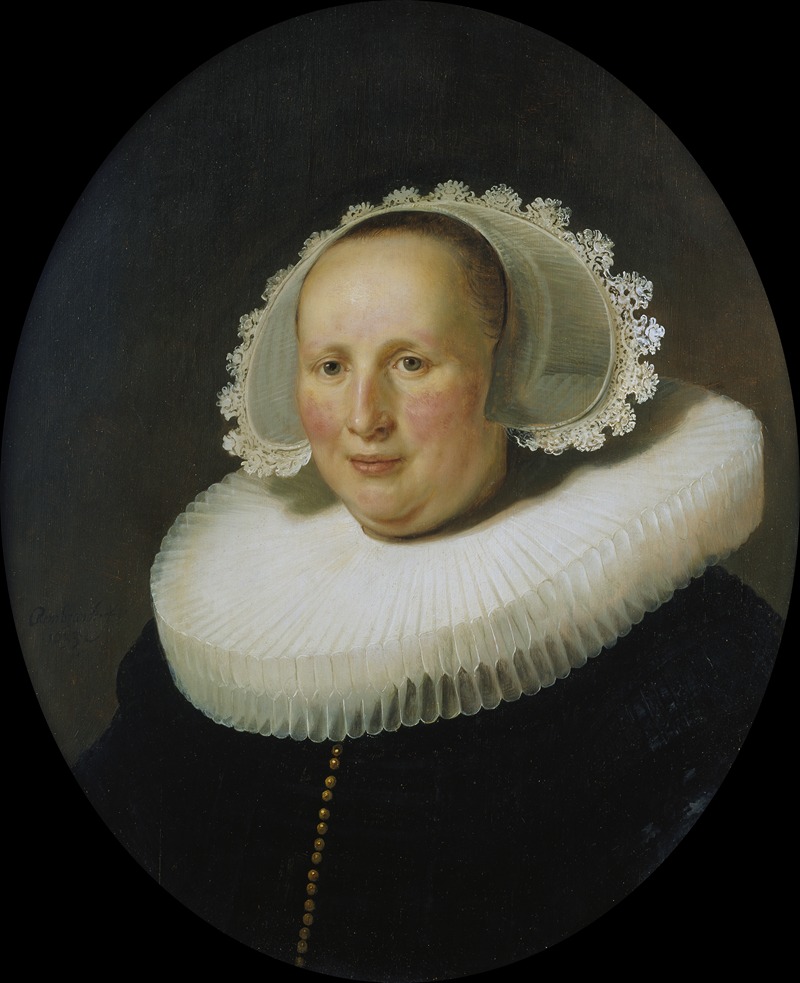
Portrait of Maertgen van Bilderbeecq
Rembrandt van Rijn
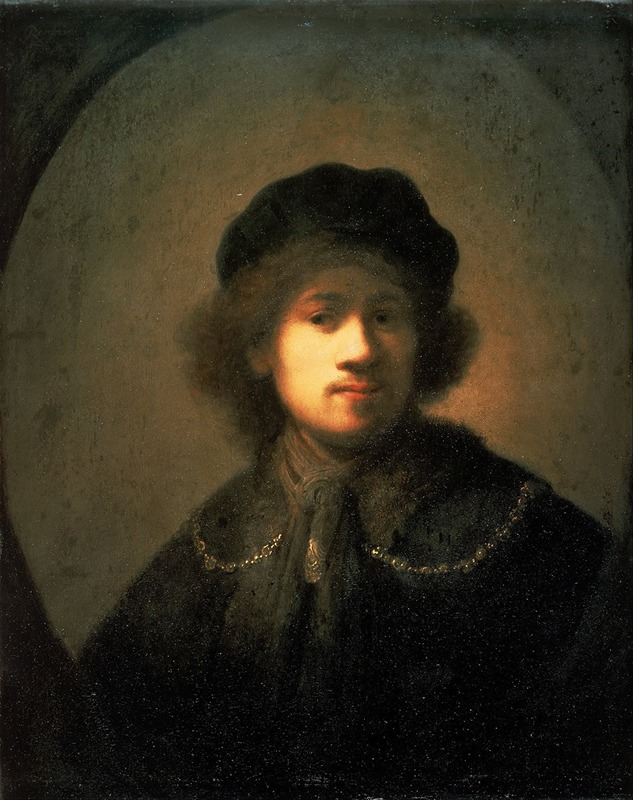
Portrait of the Artist as a Young Man
Rembrandt van Rijn
More Historical Art
The Night Watch Militia Company of District II under the Command of Captain Frans Banninck Cocq
Rembrandt van Rijn
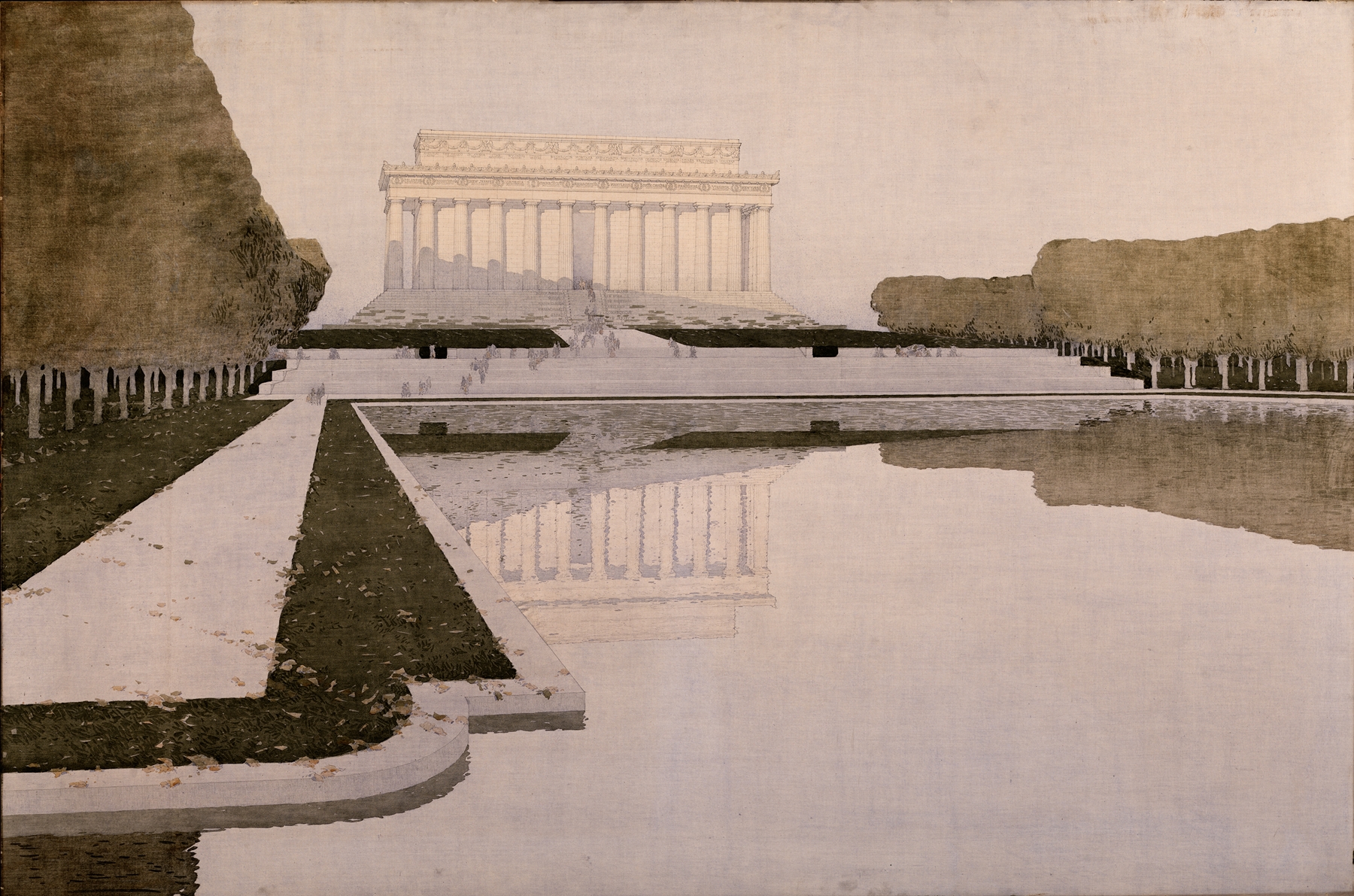
Lincoln Memorial
Henry Bacon
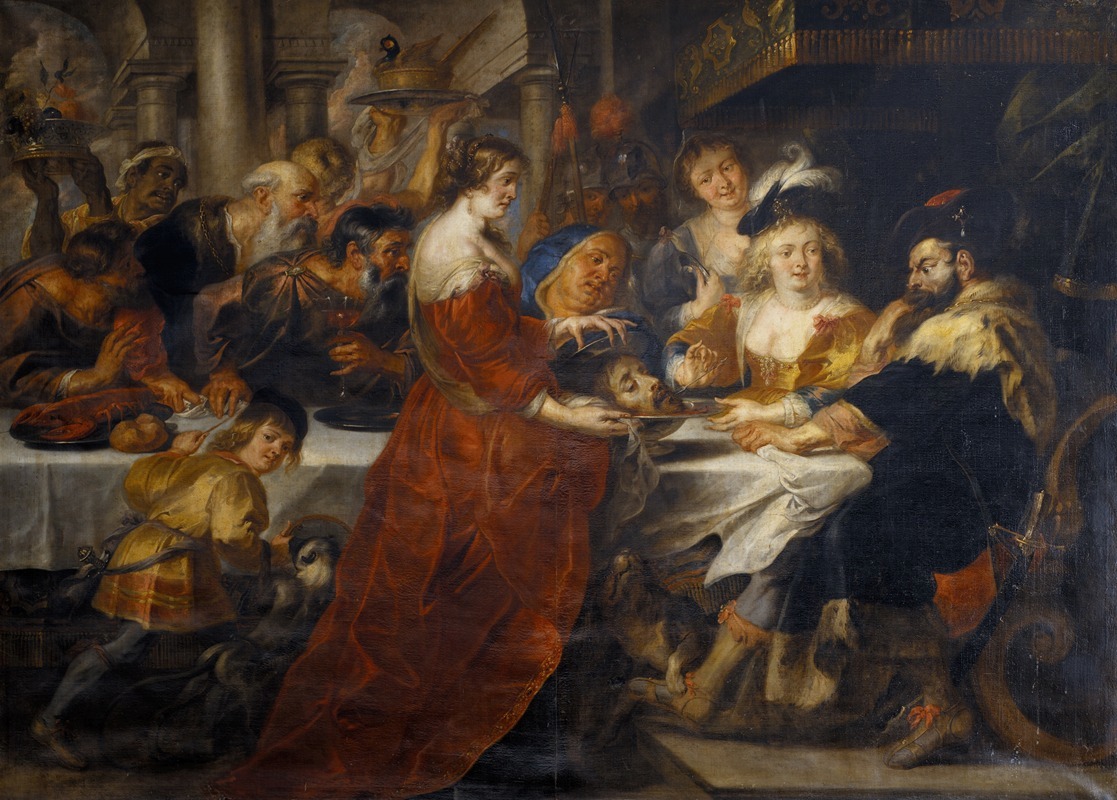
The Feast of Herod. Salome Bringing the Head of St John the Baptist on a Charger
Peter Paul Rubens
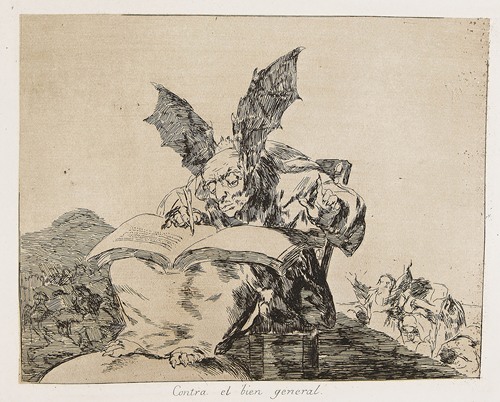
Los desastres de la guerra
Francisco de Goya
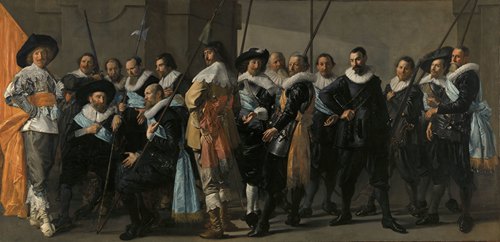
Militia Company of District XI under the Command of Captain Reynier Reael, Known as ‘The Meagre Company’
Frans Hals
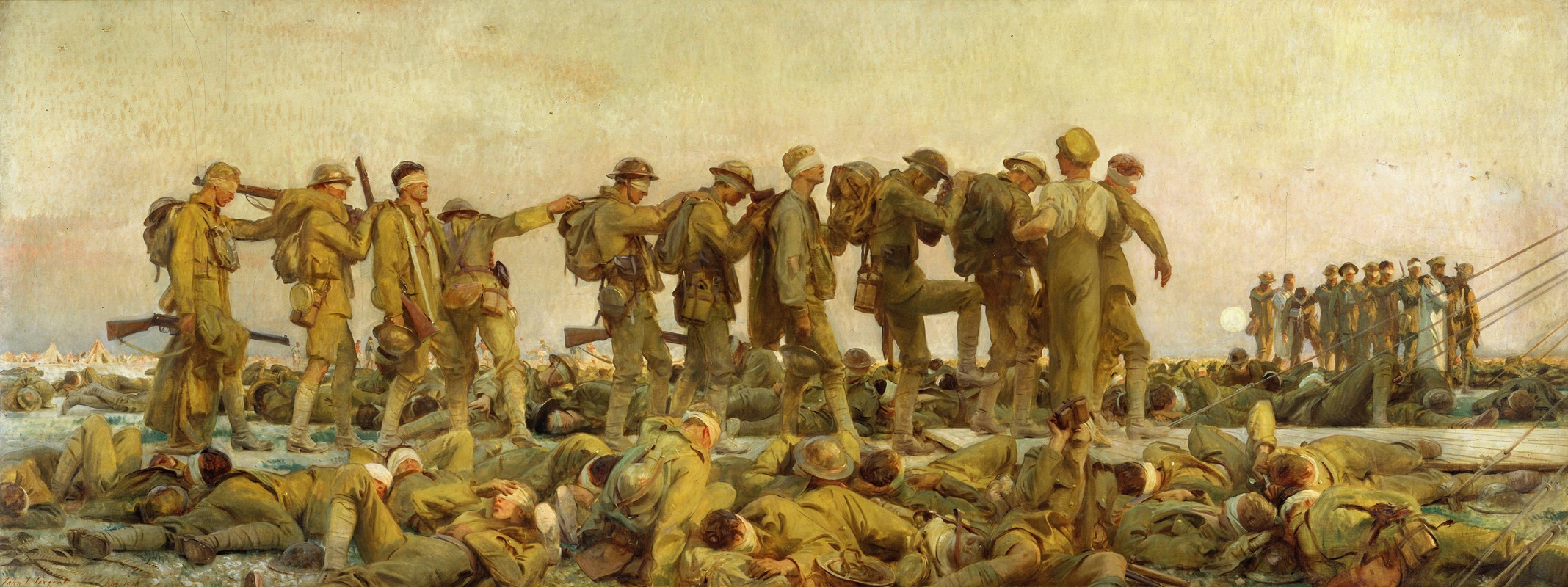
Gassed
John Singer Sargent