
Arch of Titus Vespasian — History & Facts
What if beauty was never meant to be finished? The allure of incomplete visions lingers at the heart of artistic expression, inviting viewers to ponder the essence of creation itself. Look to the center of the canvas, where the majestic Arch rises, its weathered stones capturing the ravages of time. The artist’s brushwork elegantly delineates the ornate carvings, every detail alive with texture and history. Notice how the warm hues of ochre and sienna interact with the cool grays, creating a dialogue of contrast that breathes depth into the structure.
The play of light across its surface hints at the passage of time, drawing your gaze upward towards the arch’s open expanse — a portal to the past. Deeper layers emerge in the shadows cast by the arch, whispering tales of triumph and loss. The juxtaposition of grandeur and decay informs a narrative steeped in both celebration and nostalgia. Small figures meander beneath the colossal structure, their scale emphasizing the vastness of history, while their hurried gestures suggest the fleeting nature of human endeavor.
This complex interplay between the monumental and the minuscule offers poignant commentary on the relentless march of time, questioning what we cherish and what we forget. Created in a period marked by artistic exploration and a burgeoning interest in historical subjects, the work emerged from the hands of an artist deeply inspired by the beauty of antiquity. Blau painted this piece amidst a flourishing art scene in late 19th-century Vienna, where she found herself navigating the currents of the avant-garde while simultaneously honoring the classical traditions that shaped her vision. The Arch of Titus Vespasian stands as a testament to her skill, bridging the past with the present.
More Artworks by Tina Blau
Browse all →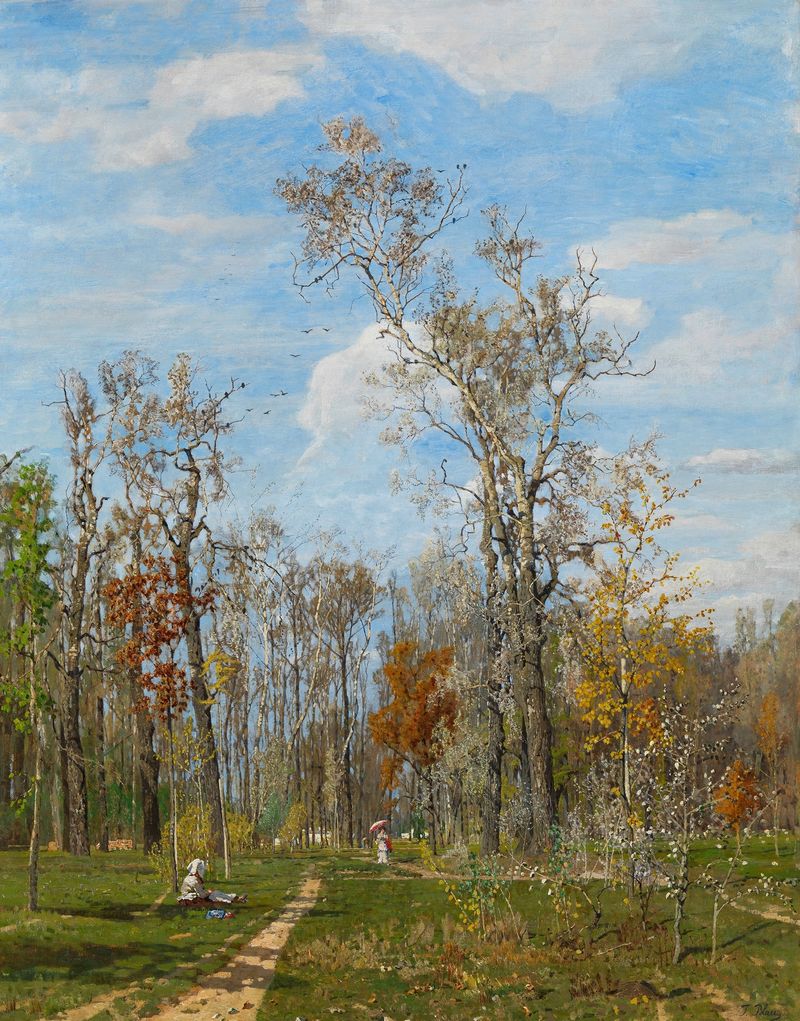
In der Krieau (Praterpartie im Frühling)
Tina Blau
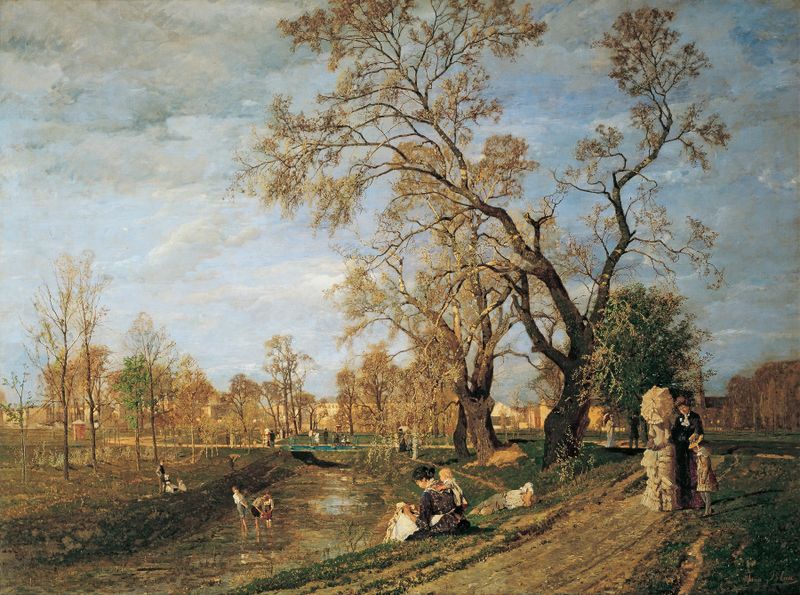
Frühling im Prater
Tina Blau
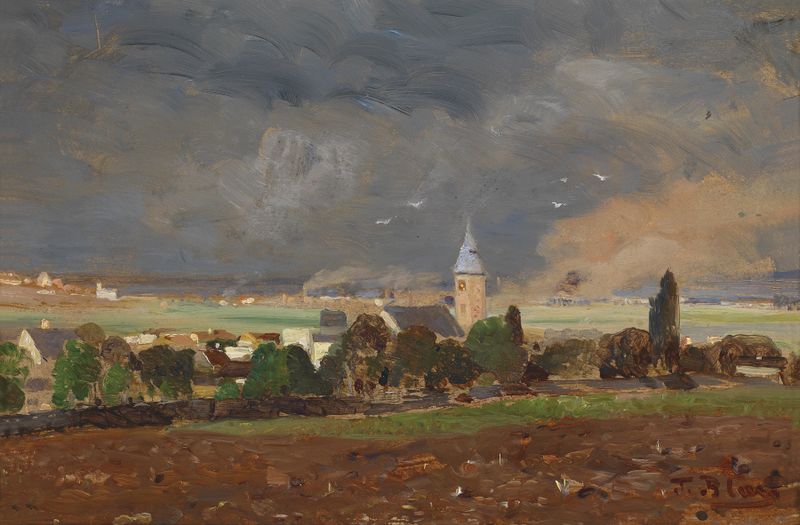
Dorflandschaft vor dem Unwetter
Tina Blau
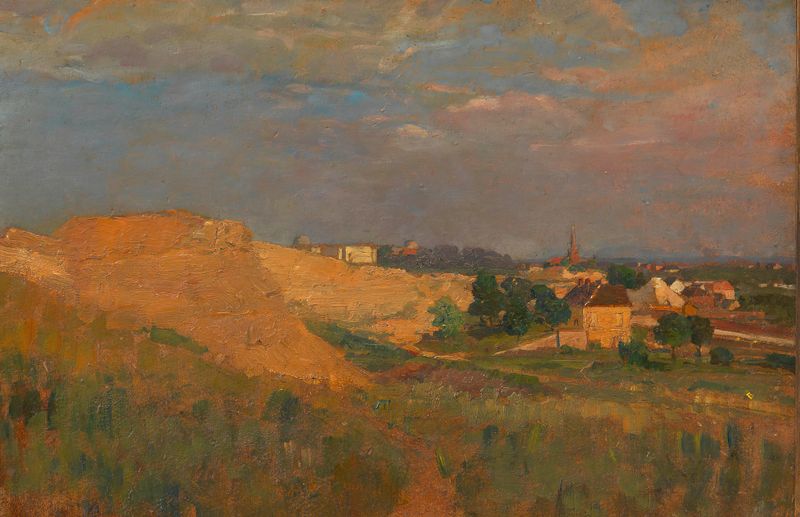
Blick auf Wien von der Türkenschanze
Tina Blau

Im Prater bei der Rotunde
Tina Blau

Malcesine
Tina Blau
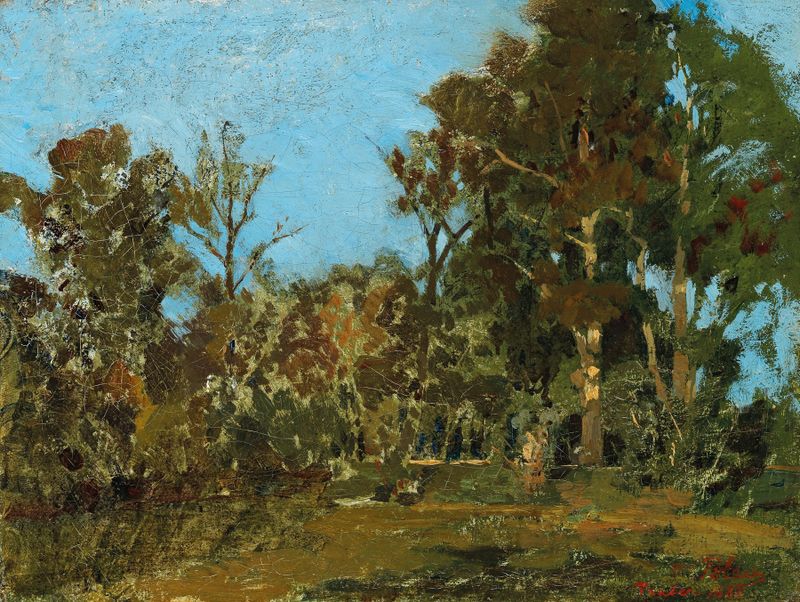
Prater Landscape
Tina Blau
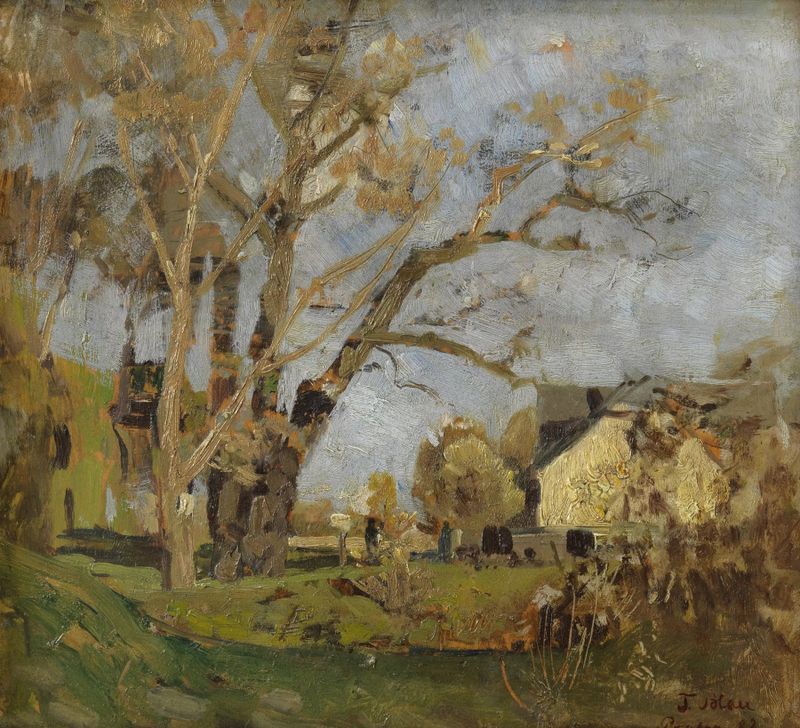
Meierei im Prater
Tina Blau

A Scene in Mannswörth on the Danube
Tina Blau
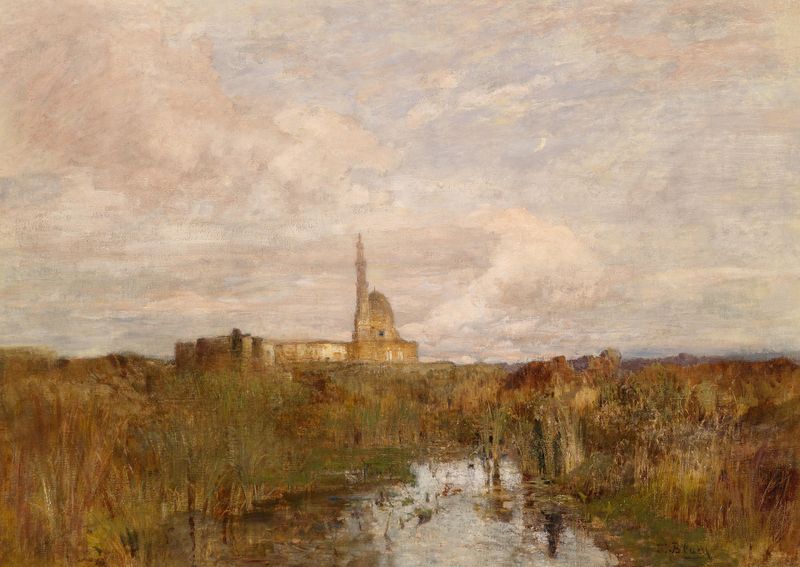
Ägyptischer Palast Weltausstellung 1873 Wien
Tina Blau
More Architecture Art
Browse all →
The statue of Liberty
Frédéric Auguste Bartholdi

View of Houses in Delft, Known as ‘The Little Street’
Johannes Vermeer

View of Houses in Delft, Known as ‘The Little Street’
Johannes Vermeer

The Cathedral in Rouen. The portal, Grey Weather
Claude Monet

The yellow house
Vincent van Gogh

The Church in Auvers-sur-Oise, View from the Chevet
Vincent van Gogh