Argos and Larissa — History & Facts
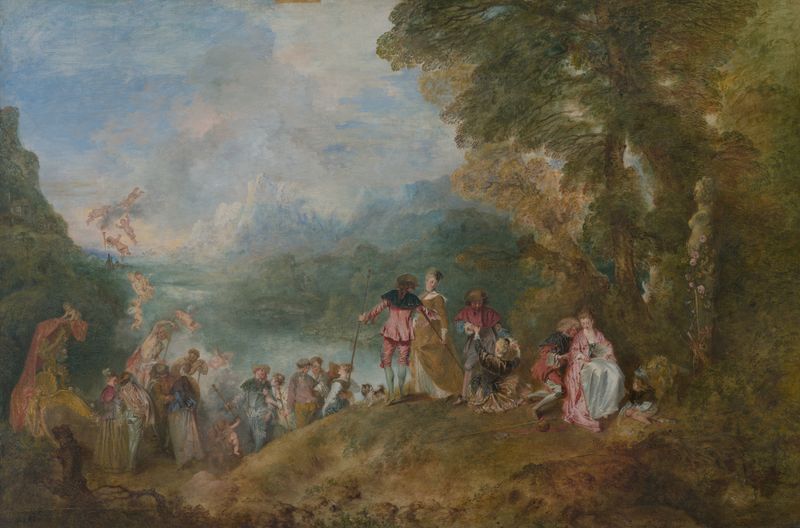
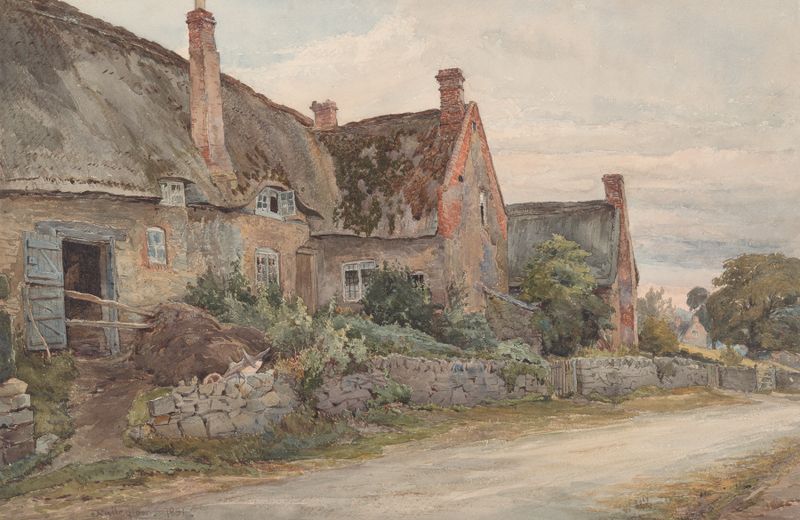
This stillness echoes in the heart of obsession, where colors collide and narratives intertwine. The relentless pursuit of beauty and truth in art becomes a mirror reflecting our deepest yearnings and desires. Look to the left, where vivid greens and blues evoke the lush landscape that cradles the figures of Argos and Larissa. Notice how the artist employs delicate brushwork, capturing the gentle sway of the foliage and the soft ripple of water.
The light filters through the scene, illuminating the subjects with a tender glow, creating a sense of intimacy and urgency. This interplay of vibrant hues against a pastel backdrop invites the viewer to explore the emotional depth beneath the surface. Deeper still, the figures convey an unspoken tension; their poses suggest longing and hesitation. The placement of Argos, slightly apart from Larissa, hints at both connection and distance, reflecting the complexities of desire.
The subtle shadows cast across their expressions hint at inner turmoil, inviting speculation about the nature of their bond. Each detail, from the intricate folds of their garments to the delicate flowers at their feet, serves as a testament to the artist’s obsession with capturing fleeting moments of beauty and emotional resonance. During an undated period of creativity, the artist poured his passion into this work, exploring themes of love and longing. As an active participant in the late 19th-century art scene, he navigated a world transitioning between traditional representation and the emerging influences of Impressionism.
In this context, the painting stands as a poignant reflection of a time steeped in both innovation and introspection, revealing how deeply personal narratives can resonate within a broader artistic movement.
More Artworks by John Fulleylove
Browse all →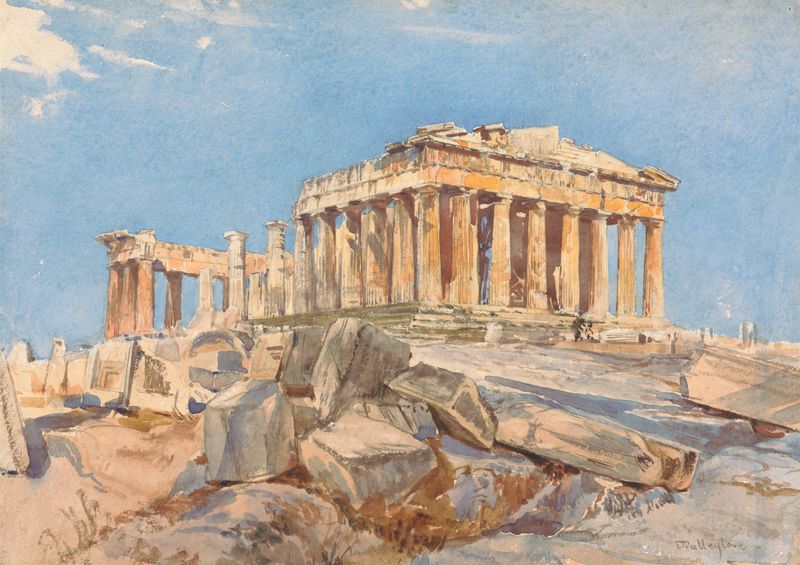
The Parthenon from the North End of the Eastern Portico of the Propylae, Evening Light
John Fulleylove
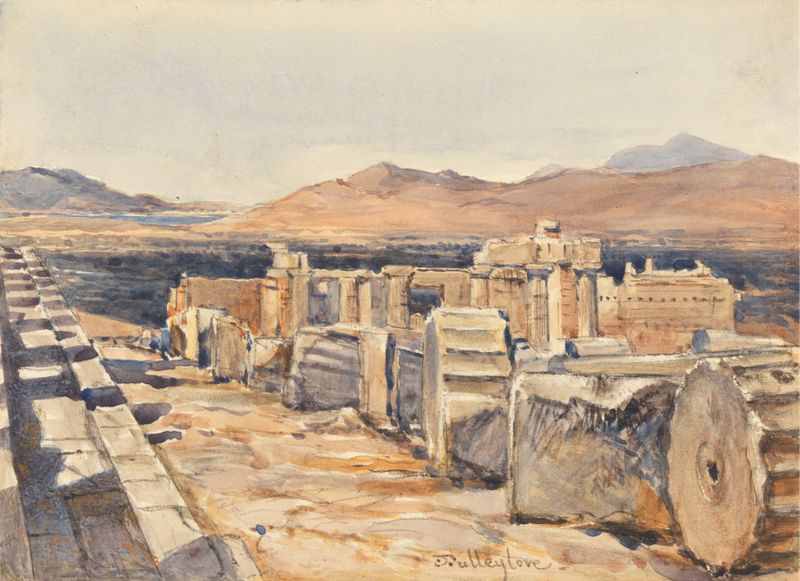
The Propylaea from the Northern Edge of the Stylobate of the Parthenon, Athens
John Fulleylove
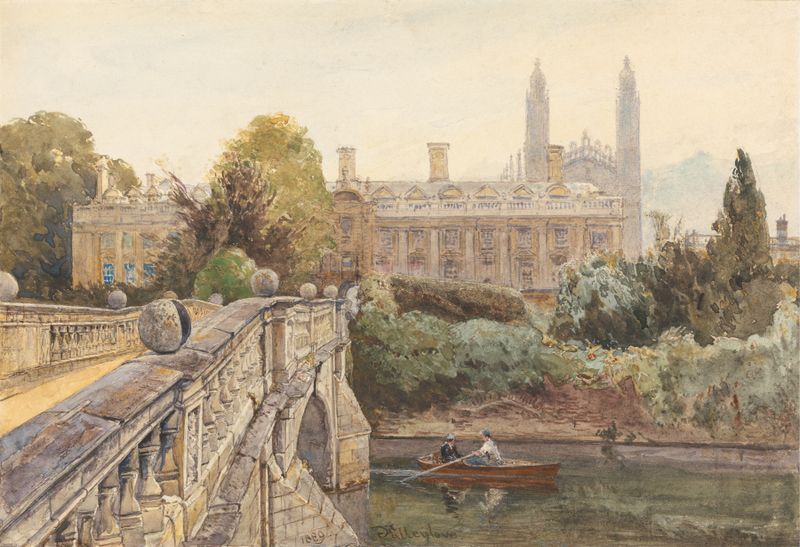
Clare College and Bridge over the Cam with King’s College in the background
John Fulleylove
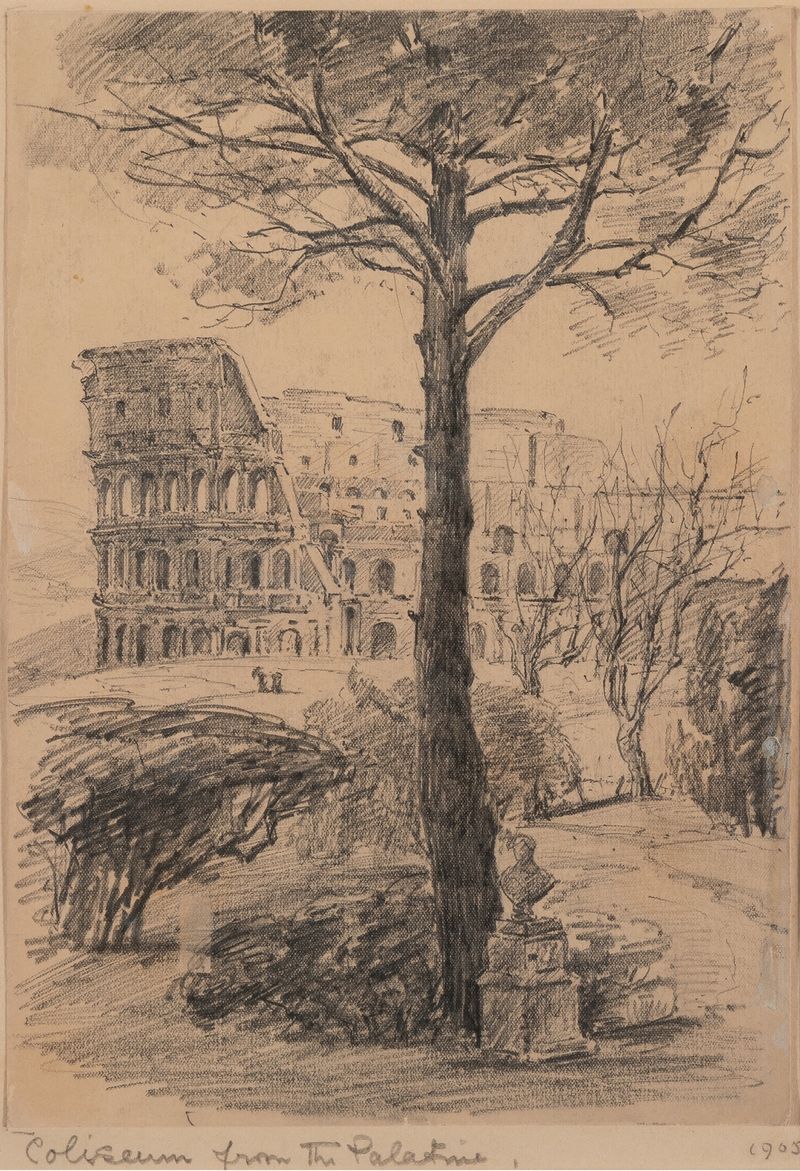
The Colosseum seen from the Palatine hill, Rome
John Fulleylove
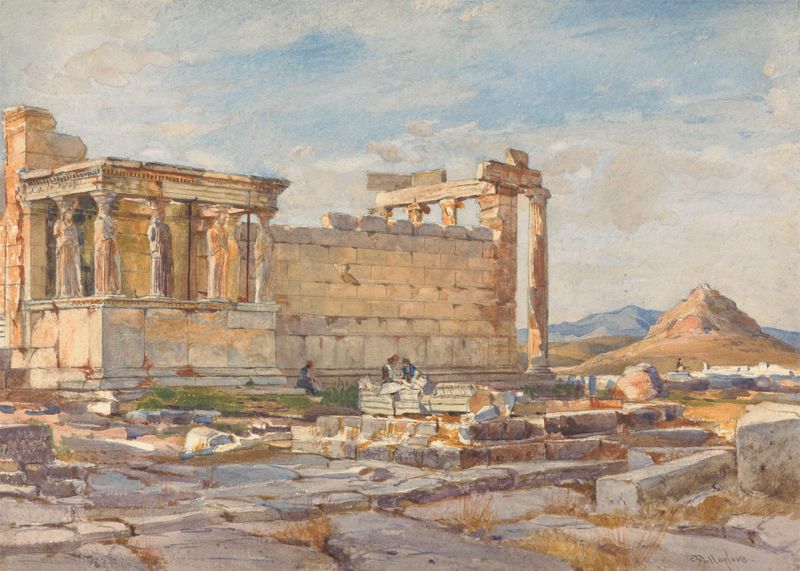
The Southern Side of the Erectheum, with the Foundation of the Earlier Temple of Athena Polias
John Fulleylove
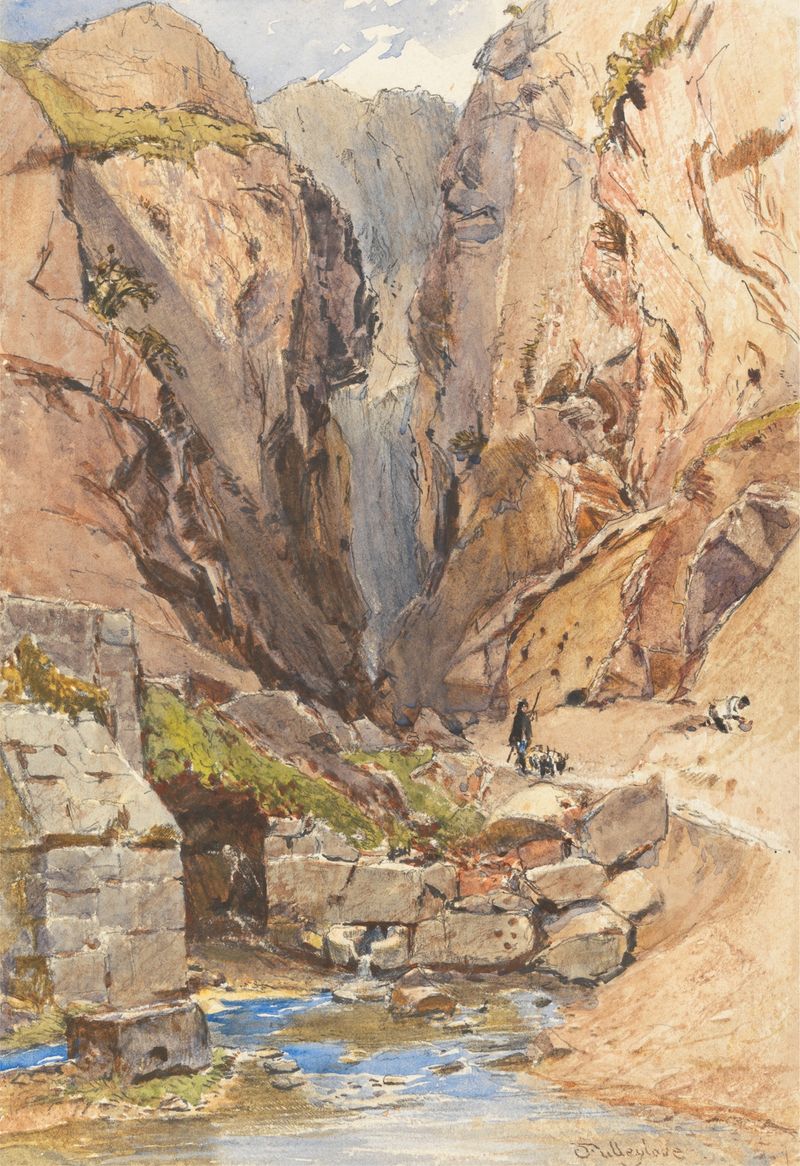
The Castalian Spring, Delphi
John Fulleylove
Thatched Cottage with Barn Adjoining
John Fulleylove