Discover insights about this artwork
Arrival of the Normandy Train, Gare Saint-Lazare — History & Facts
In Arrival of the Normandy Train, Gare Saint-Lazare, Claude Monet presents a lively scene filled with movement and color. The painting features a steam train arriving at the station, surrounded by a crowd of people. Monet uses a palette of soft blues, grays, and whites, creating a sense of atmosphere and light.
The billowing steam and the reflections on the wet platform add to the dynamic quality of the scene. This artwork is an oil on canvas, measuring 81 x 101 cm. Monet's technique involves loose brushwork that captures the fleeting effects of light and movement. The composition is characterized by its diagonal lines, leading the viewer's eye through the bustling station.
The use of color and light is typical of the Impressionism style, emphasizing the momentary experience of the scene. Claude Monet painted this work in 1877, during a time when he was exploring the effects of modernity on urban life. The Gare Saint-Lazare was a significant location in Paris, symbolizing the rise of the railway and the changes it brought to society. Interestingly, this painting is one of a series of works Monet created depicting the station, showcasing his fascination with the interplay of light and steam.
It remains a celebrated example of Impressionism, reflecting both the artist's style and the era's technological advancements.
More Artworks by Claude Monet

Water Lilies
Claude Monet
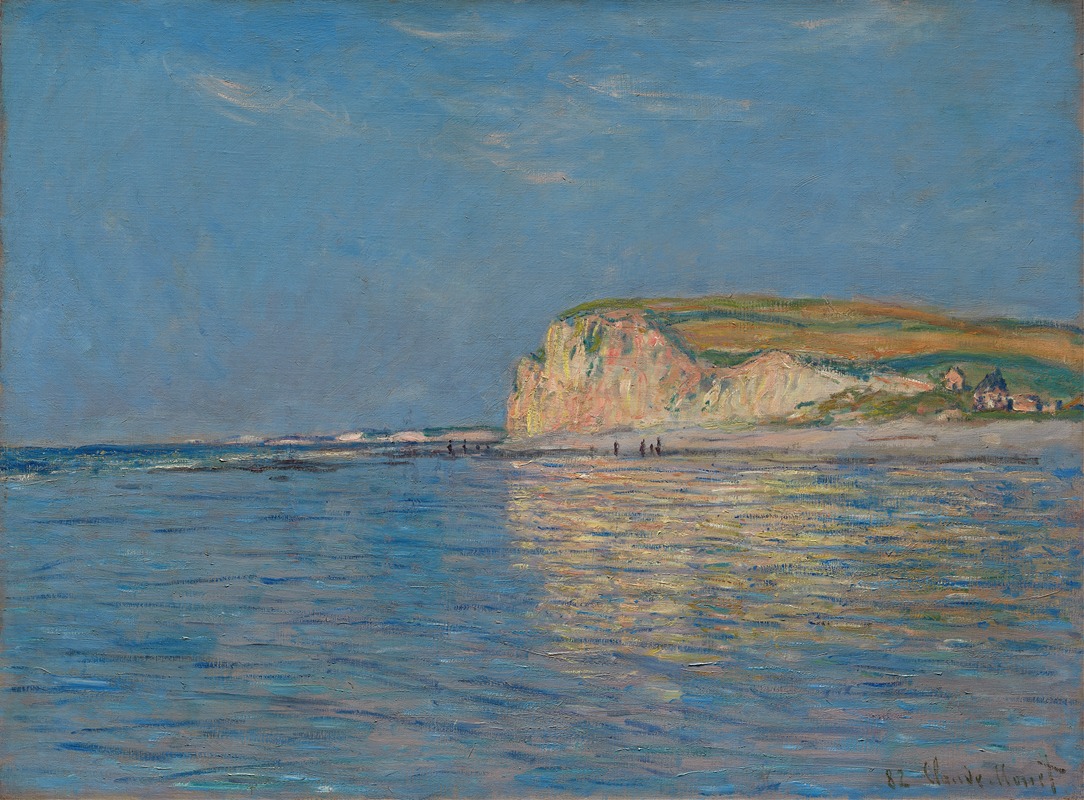
Low Tide at Pourville, near Dieppe
Claude Monet
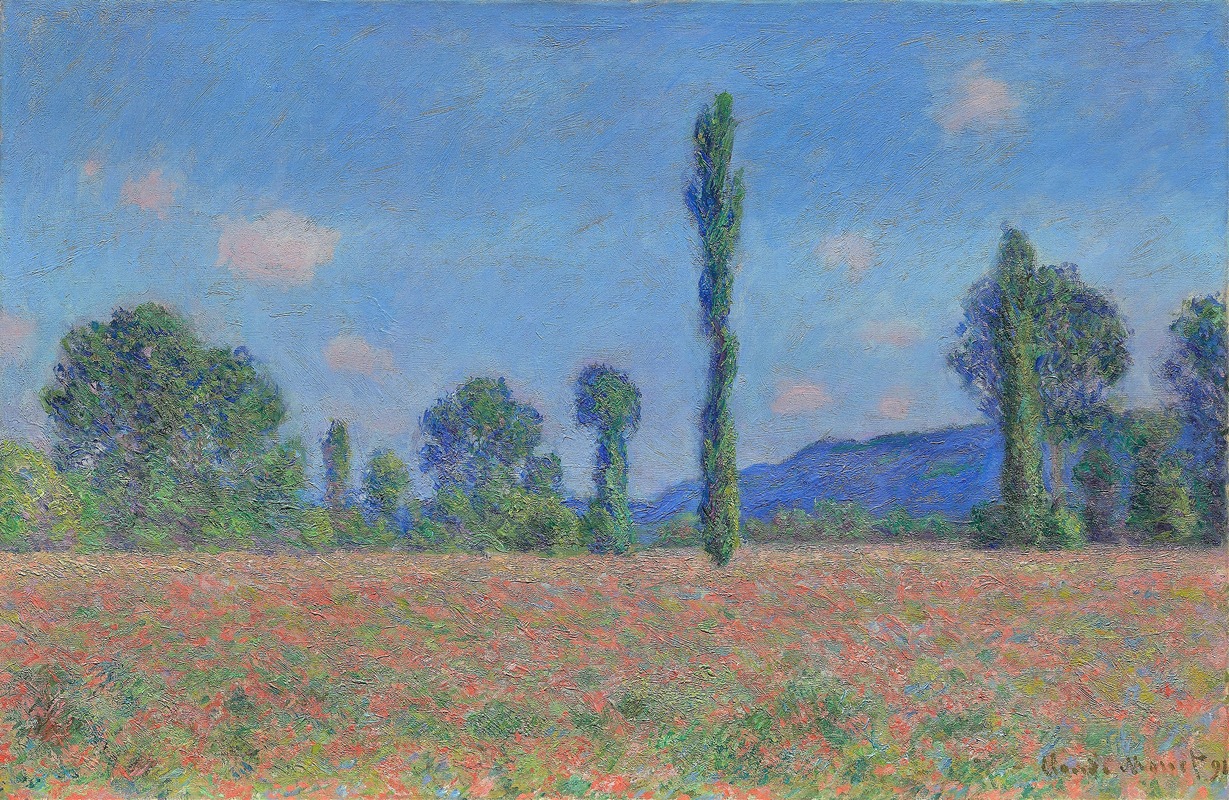
Poppy Field (Giverny)
Claude Monet
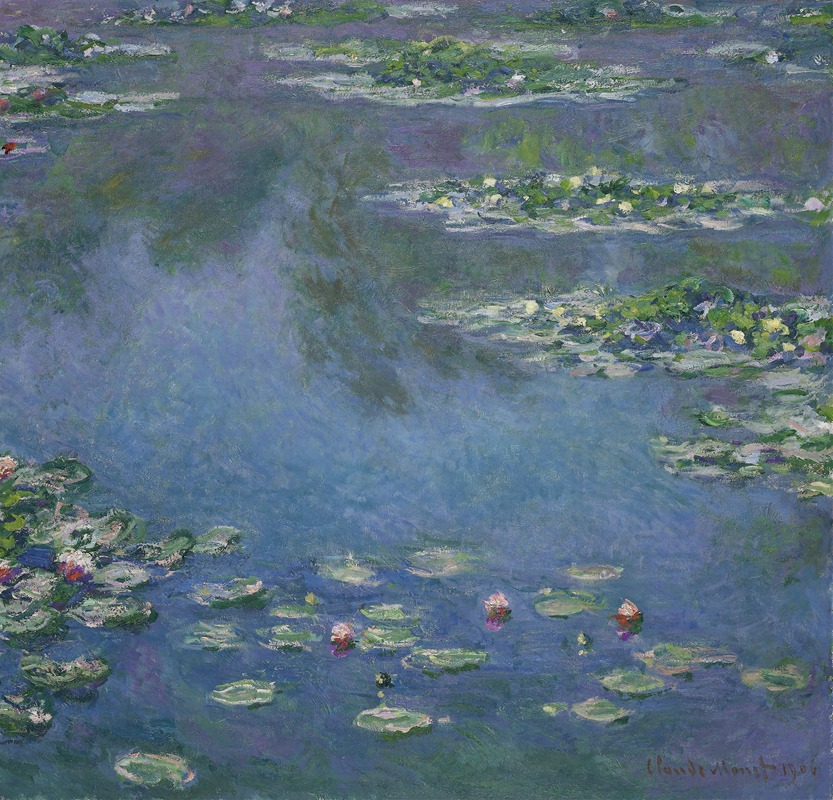
Water Lilies
Claude Monet

Nymphéas
Claude Monet
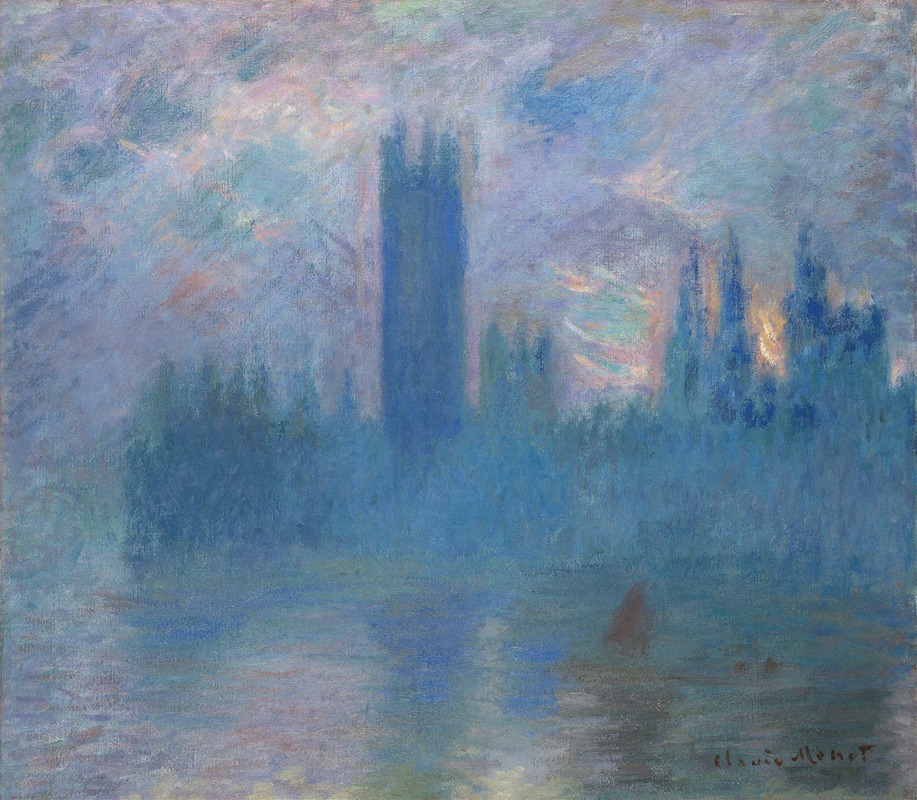
Houses of Parliament, London
Claude Monet
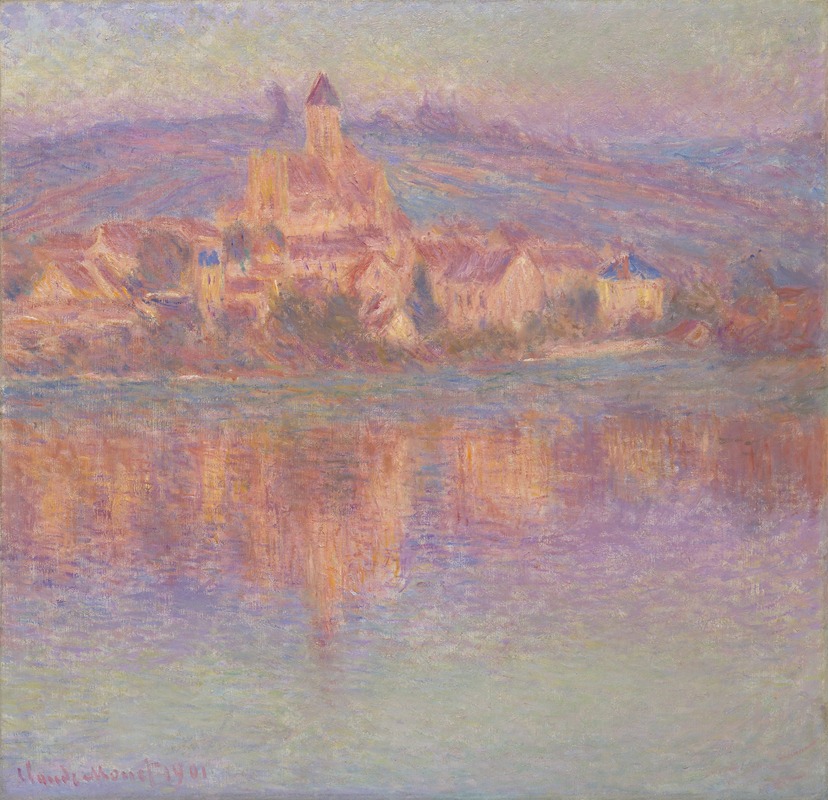
Vétheuil
Claude Monet

Le Bassin aux nymphéas
Claude Monet
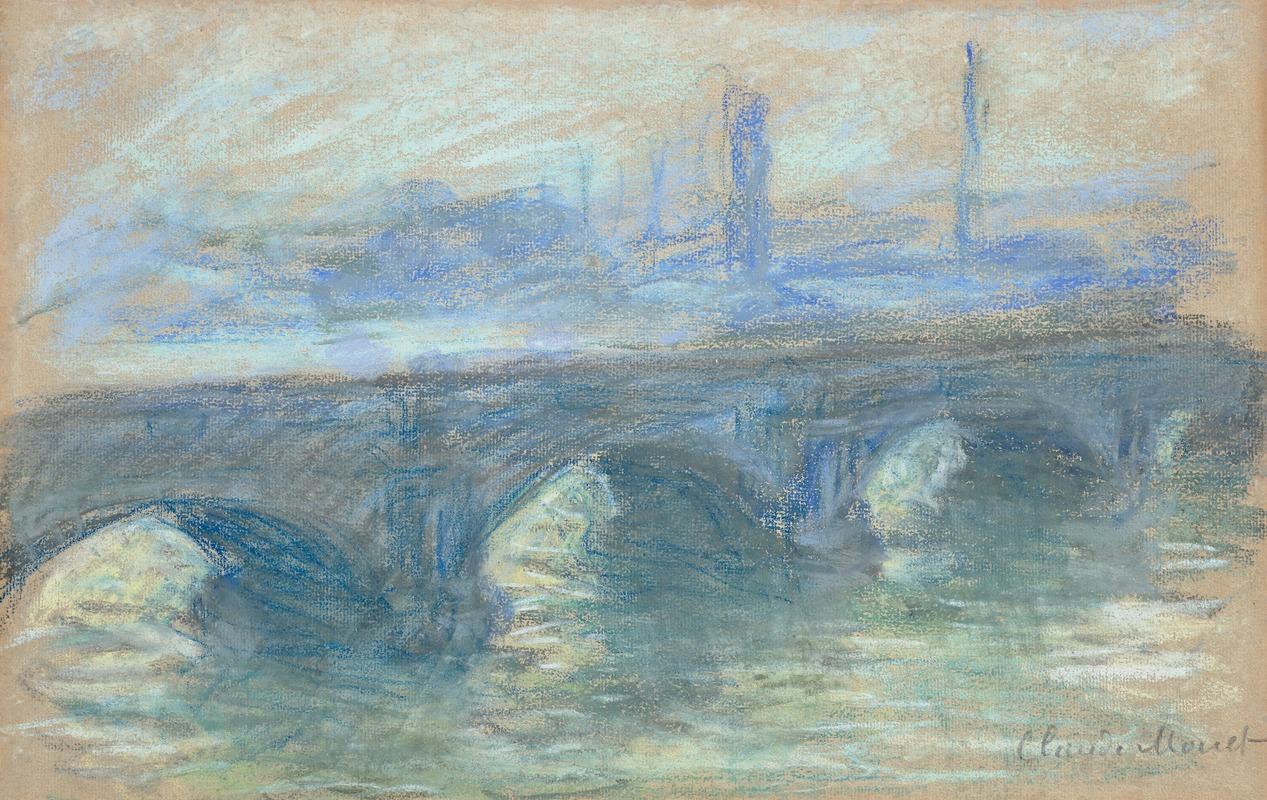
Waterloo Bridge
Claude Monet

Printemps à Giverny, effet d’après-midi
Claude Monet