
Asakusa Rice Fields and Torinomachi Festival (Asakusa tanbo Torinomachi mode), from the series "One Hundred Famous Views of Edo (Meisho Edo hyakkei)" — History & Facts
Art reveals the soul when the world turns away. In Asakusa Rice Fields and Torinomachi Festival, an intimate moment unfolds, capturing the essence of longing amidst the hustle of life. This vibrant yet tranquil scene invites us to reflect on connections lost and found during the festivities. Look to the lower left, where the rich greens of the rice fields stretch across the canvas, their lushness contrasting against the soft blues and whites of the sky.
The floating clouds cradle the festival above, where figures are engaged in celebration, their joyous movements depicted with fluid brushstrokes. Notice how the intricate details of kimonos swirl, each hue a whisper of tradition, while the distant pagoda looms, a silent guardian overlooking the festivities. Here, the interplay of light and shadow reveals the emotional tension between the vibrancy of the festival and the stillness of the rice fields. The figures, though alive with motion, seem caught in a moment of introspection, reflecting a collective yearning for connection.
This duality, between the joy of celebration and the quiet contemplation of life’s passage, resonates deeply, pulling the viewer into a shared sense of nostalgia. Utagawa Hiroshige created this work in 1857 during a period of significant cultural exchange and burgeoning urbanization in Japan. Living in Edo, he was inspired by the city's dynamic blend of tradition and modernity, capturing the essence of daily life while paying homage to the natural beauty surrounding it. The series One Hundred Famous Views of Edo reflects not only his mastery of landscape but also the collective memory of a city in transition.
More Artworks by Utagawa Hiroshige
Browse all →
Sudden Shower over Shin Ohashi Bridge and Atake (Ohashi Atake no yudachi), from the series "One Hundred Famous Views of Edo (Meisho Edo hyakkei)"
Utagawa Hiroshige
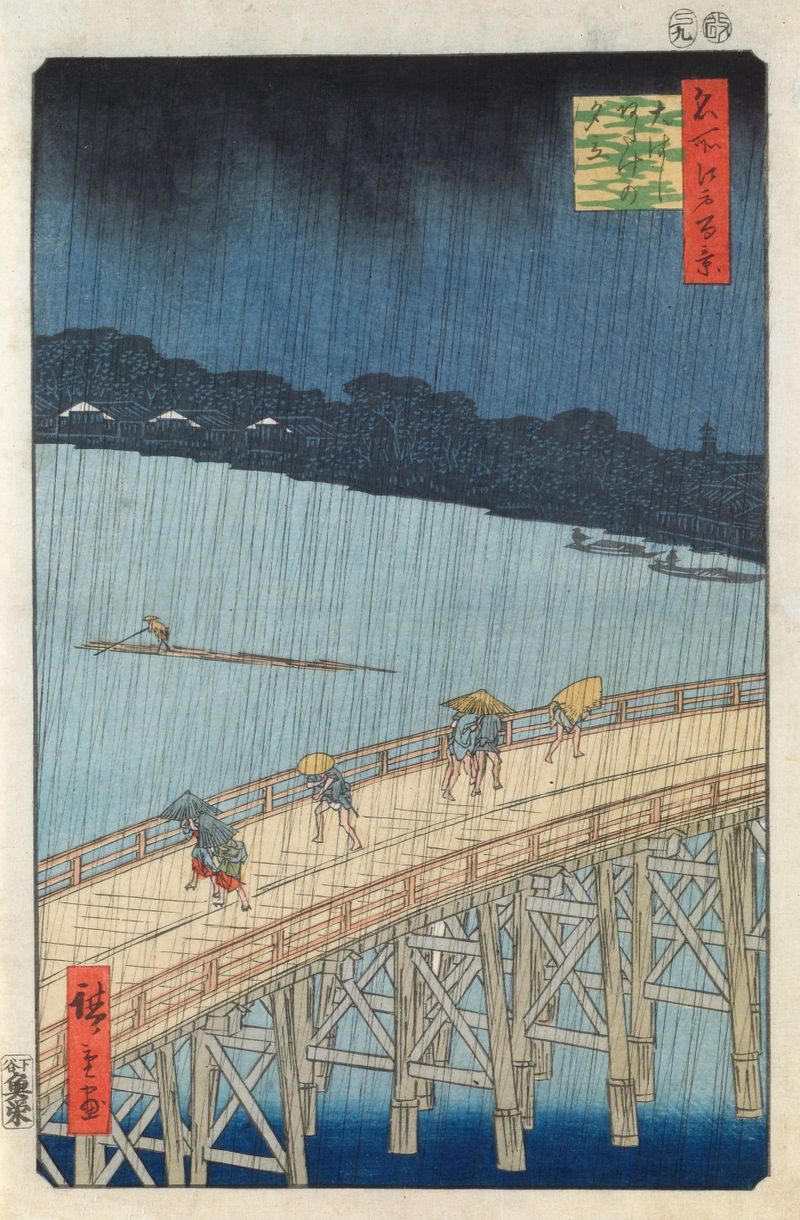
Sudden Shower Over Ohashi Bridge and Atake
Utagawa Hiroshige
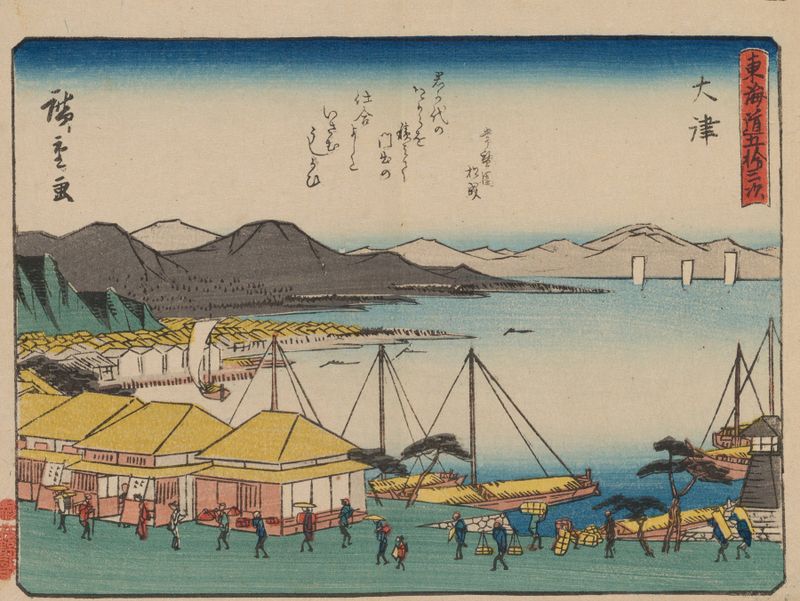
Tokaido gojusantsugi, Pl.54
Utagawa Hiroshige
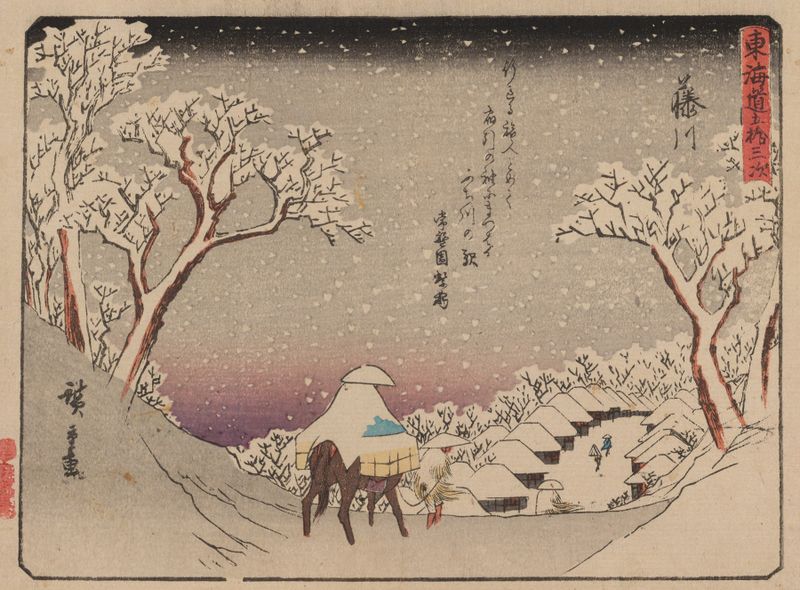
Tokaido gojusantsugi, Pl.38
Utagawa Hiroshige
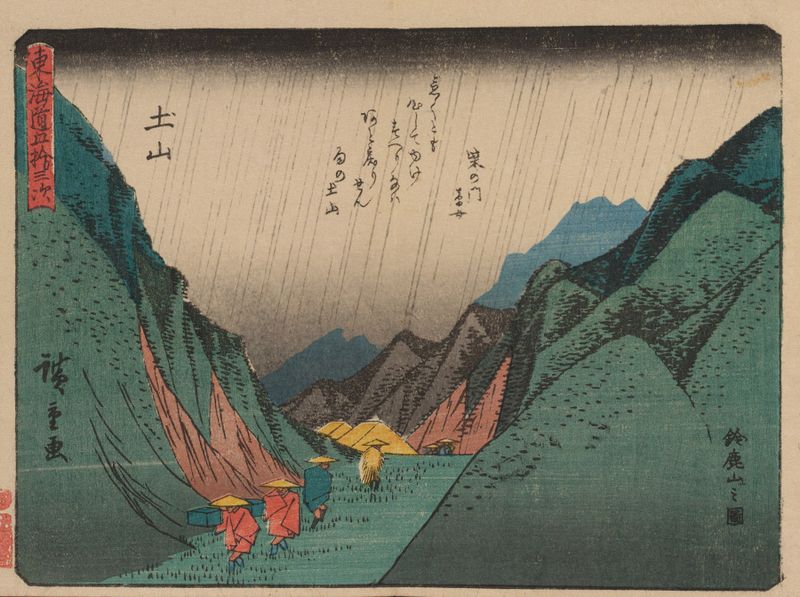
Tokaido gojusantsugi, Pl.50
Utagawa Hiroshige
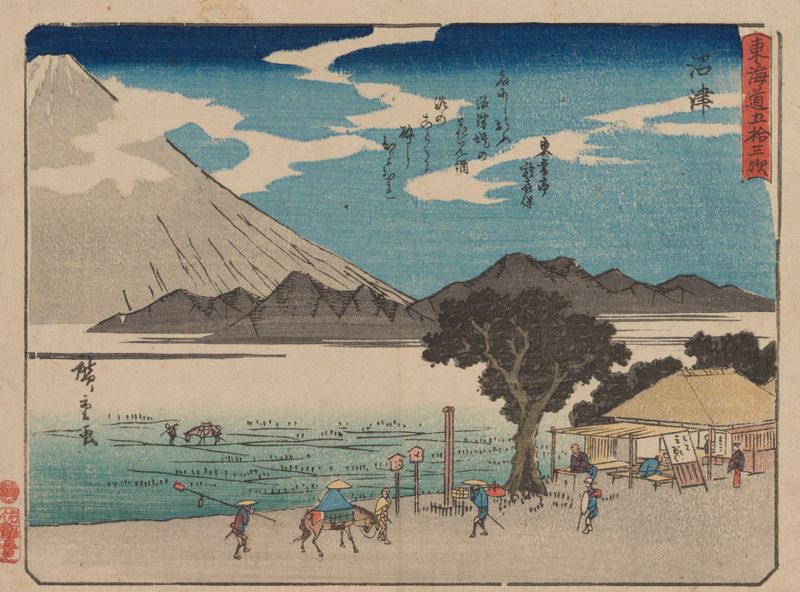
Tokaido gojusantsugi, Pl.13
Utagawa Hiroshige
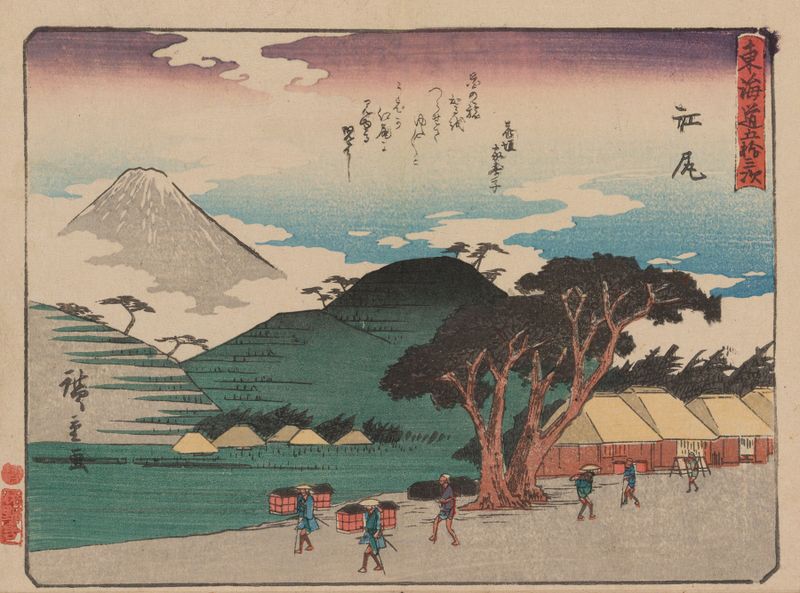
Tokaido gojusantsugi, Pl.19
Utagawa Hiroshige
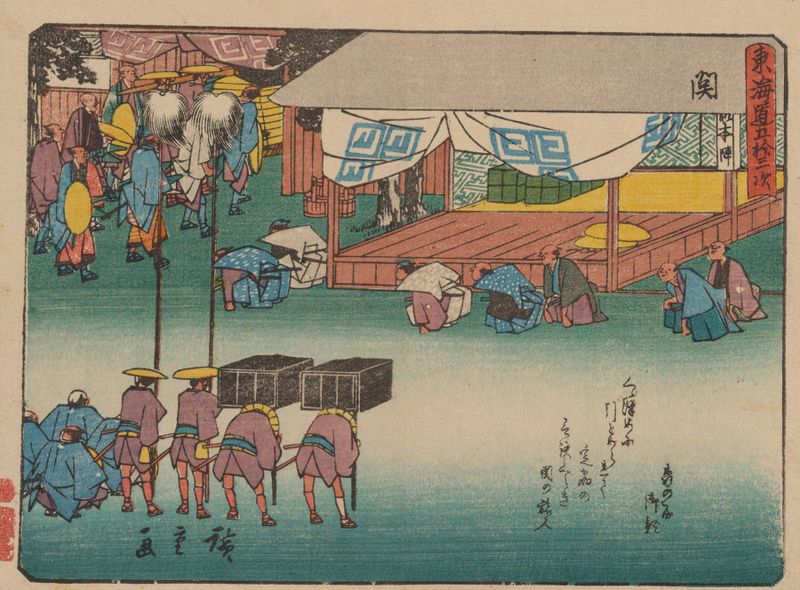
Tokaido gojusantsugi, Pl.48
Utagawa Hiroshige
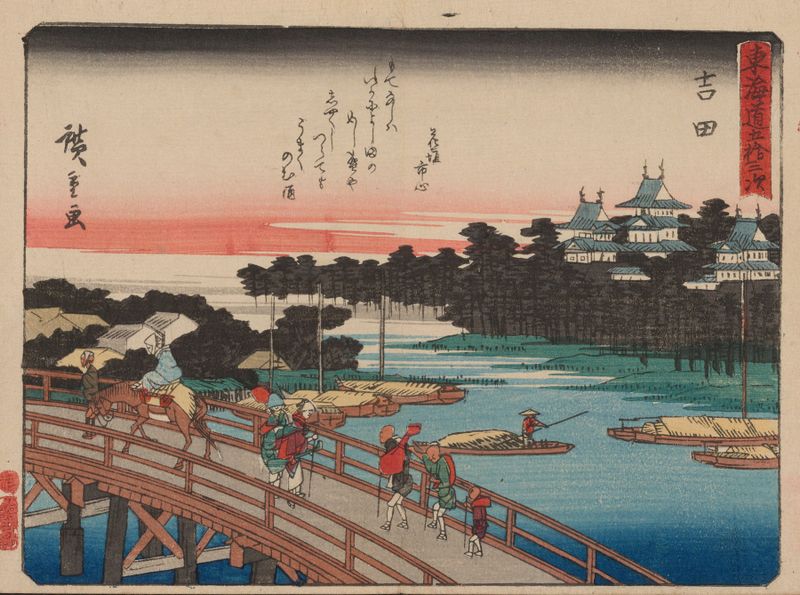
Tokaido gojusantsugi, Pl.35
Utagawa Hiroshige
Tokaido gojusantsugi, Pl.49
Utagawa Hiroshige





