
Astronomie (Astronomia) — History & Facts
Did the painter know this moment would outlive them? In the stillness of Astronomie, silence resonates, capturing an enigmatic experience that transcends time, urging viewers to ponder the cosmos and their place within it. Focus on the figure of the astronomer, positioned centrally, deeply engrossed in the celestial globe before him. Notice how the soft, muted colors create a serene atmosphere, allowing the intricate details of the globe to draw the eye. The light spills gently across the surface, highlighting the delicate strokes that represent constellations and celestial bodies, while shadows dance subtly around the edges, creating a sense of depth and introspection. Beneath the serene exterior lies a tension between the vastness of the universe and the contemplative solitude of the scholar.
Observe the small, meticulous instruments surrounding him—each a reminder of humanity’s quest for knowledge. The juxtaposition of the astronomer’s focused gaze against the overarching expanse of the cosmos suggests a yearning for understanding amid the silence of the universe, a reflection on the limitations of human perception. Beham created Astronomie between 1510 and 1550, a period marked by the Renaissance's flourishing interest in science and exploration. Living in Nuremberg, he was influenced by the gradual shift toward empirical observation in art and science.
This work reflects both the artist's intimate engagement with the celestial world and the broader cultural movement striving to reconcile art with the burgeoning discoveries of the time.
More Artworks by Hans Sebald Beham
Browse all →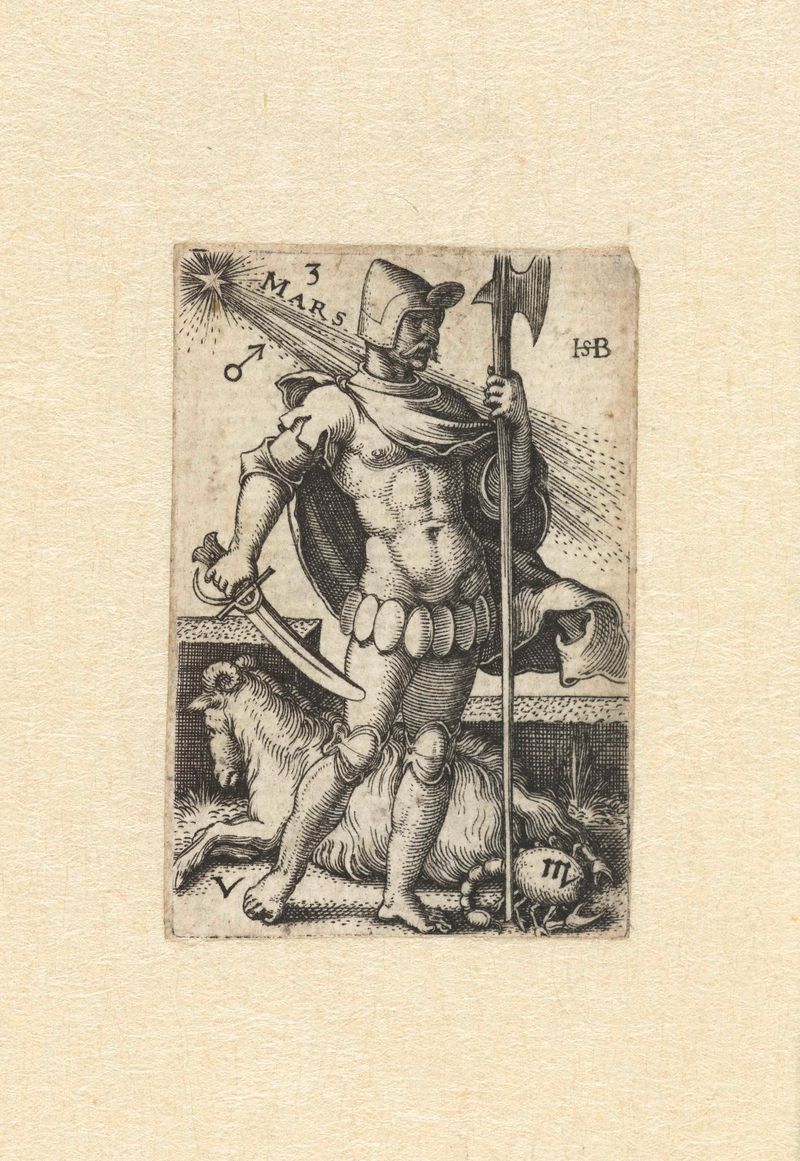
Mars met sterrenbeelden Ram en Schorpioen
Hans Sebald Beham

Achilles in gevecht met Hector
Hans Sebald Beham
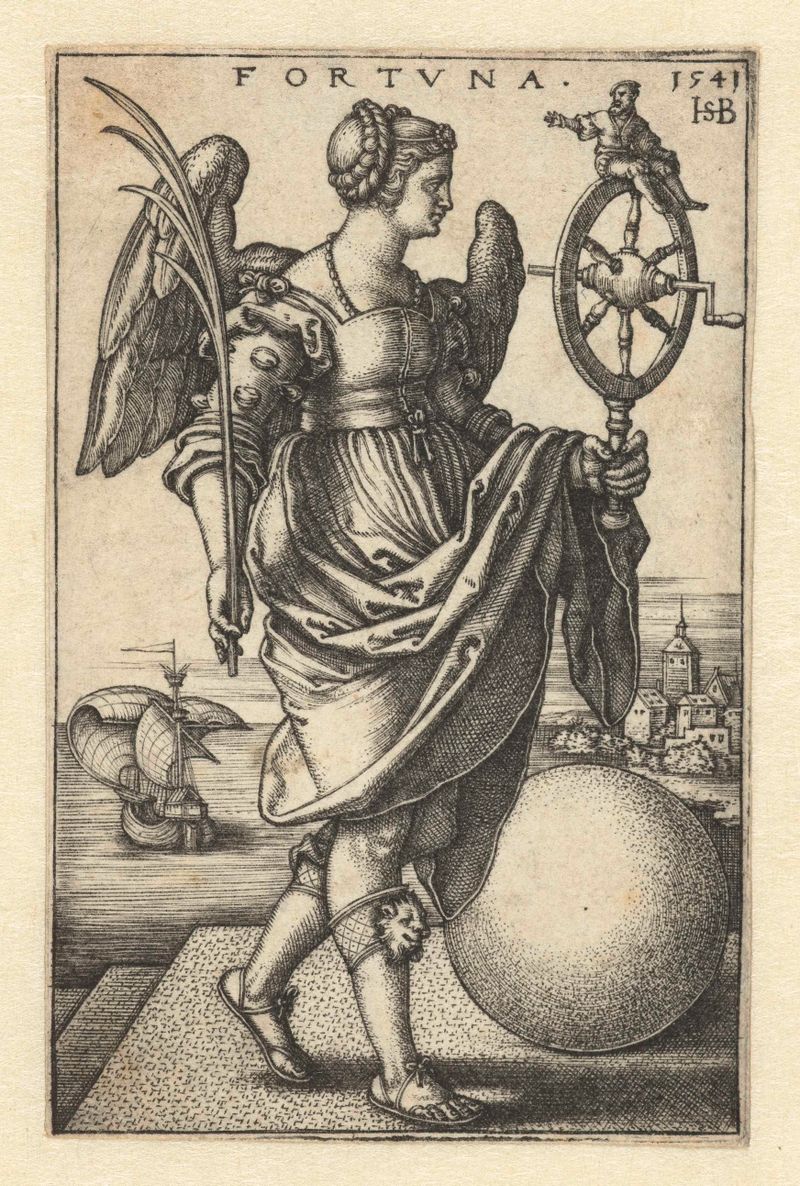
Fortuna
Hans Sebald Beham

Hercules worstelt met Antaeus
Hans Sebald Beham

Twee muzikanten met schalmey en doedelzak
Hans Sebald Beham

Voorzichtigheid (Prudentia)
Hans Sebald Beham

Hercules in gevecht met de Trojanen
Hans Sebald Beham
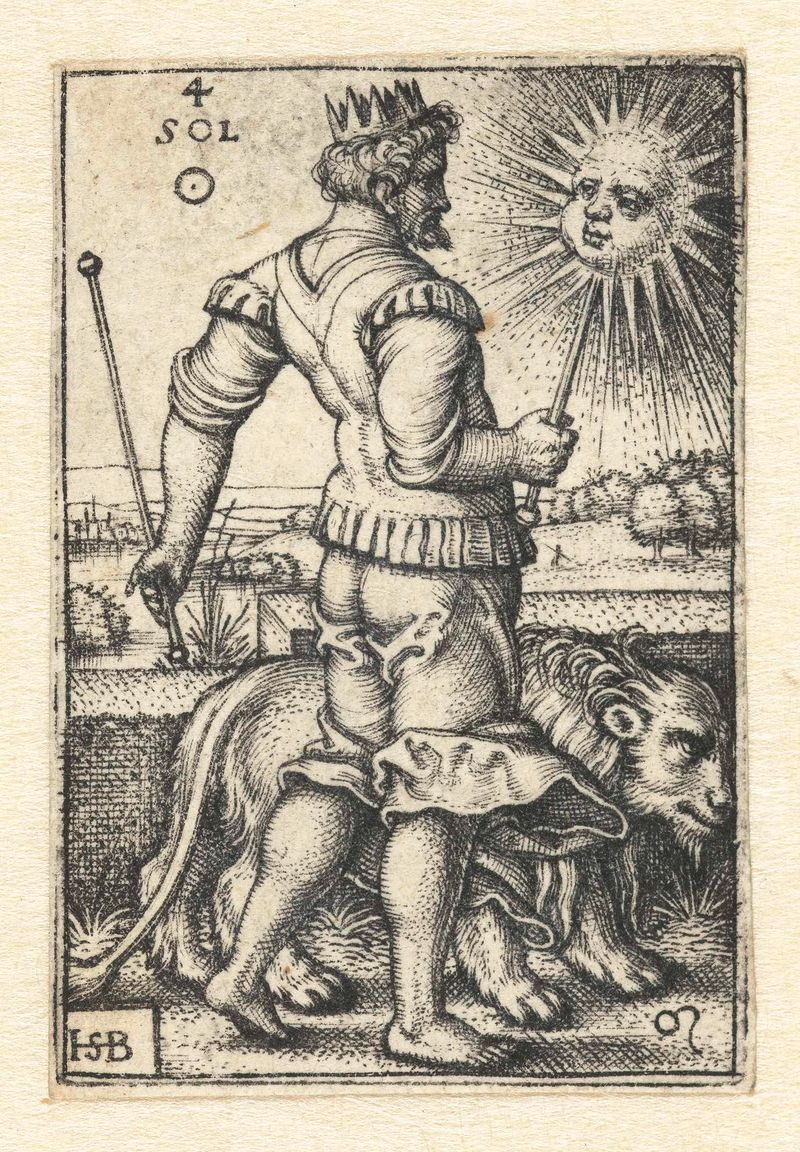
Apollo (Sol) met sterrenbeeld Leeuw
Hans Sebald Beham
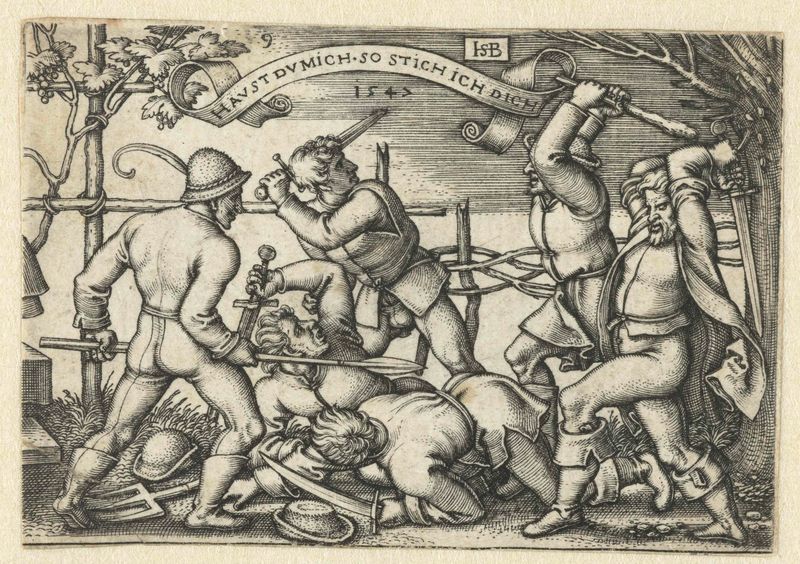
Vechtende boeren met zwaarden
Hans Sebald Beham
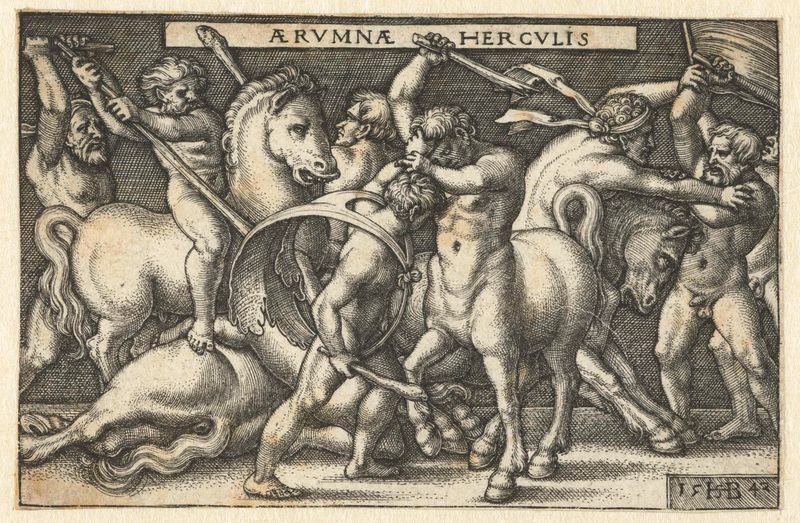
Hercules in gevecht met centaurs
Hans Sebald Beham





