At Hale, Lancashire — History & Facts
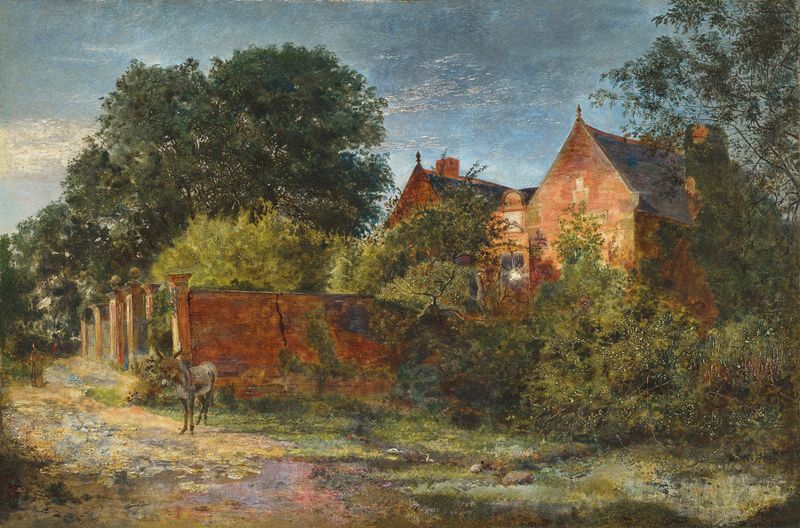
What if silence could speak through light? In At Hale, Lancashire, the ethereal glow seems to whisper secrets of existence and mortality, inviting deep contemplation. Look to the center, where an old, gnarled tree stands sentinel against a vast, cloudy sky. Its twisted branches stretch outward, heavy with the weight of age, while a soft light filters through, illuminating each leaf like a precious gem. The muted palette of greens and browns contrasts sharply with the vibrant brilliance of the sky, emphasizing the transience of life in the natural world.
This careful balance between shadow and illumination is masterfully achieved, creating an atmosphere that is both tranquil and haunting. In the foreground, a solitary figure is framed by this striking landscape — an embodiment of solitude amidst nature's grandeur. The figure’s stillness invites questions about their journey and purpose, evoking a sense of vulnerability against the backdrop of eternity. The delicate interplay of light and shadow reflects not just the physical landscape but also the emotional landscape of human existence, suggesting themes of reflection, loss, and the passage of time. William Davis created this evocative piece between 1860 and 1870, during a period marked by the industrial revolution that dramatically transformed the English countryside.
As the world around him became increasingly mechanized, he sought solace in the natural beauty of places like Hale, crafting works that encapsulated both the charm and fragility of rural life. This painting stands as a testament to his deep connection with the landscape and his contemplative response to the encroaching changes of his time.