
At Papeete, Tahiti — History & Facts
Where does light end, and longing begin? This poignant question resonates through the lush canvas of At Papeete, Tahiti, inviting viewers to explore the interplay between reality and desire. Look closely at the vibrant hues that burst forth from the palette, drawing your gaze first to the brilliant turquoise waters that cradle the shoreline. Notice how the sun-drenched sky, a delicate fusion of soft pastels, casts a warm glow upon the vibrant landscape, illuminating the native flora that sways gently in the breeze. The composition is masterfully balanced, with the serene horizon line guiding your eyes deeper into the scene, ultimately leading to the quaint huts that nestle harmoniously among the palm trees. Beneath the surface of this idyllic portrayal lies an emotional tension.
The vivid colors may evoke a sense of paradise, yet the solitary figure in the foreground hints at a deeper longing for connection and belonging. The painter’s brush captures the contrast between the inviting beauty of the landscape and the individual’s isolation within it, prompting a reflection on the dichotomy of external splendor and internal yearning. This interplay nudges the viewer to confront their own truths about desire and fulfillment. Nicholas Chevalier painted this evocative work in 1869 while living in Tahiti, a time when European artists were captivated by the exoticism of the Pacific Islands.
The mid-19th century was a transformative period in art, as Impressionism began to take shape, challenging traditional methods. Chevalier’s experience in this vibrant locale coincided with a growing interest in exploring themes of beauty and truth within nature, as he sought to capture not just a place, but the emotional essence of his surroundings.
More Artworks by Nicholas Chevalier
Browse all →
Coast near Dunedin
Nicholas Chevalier
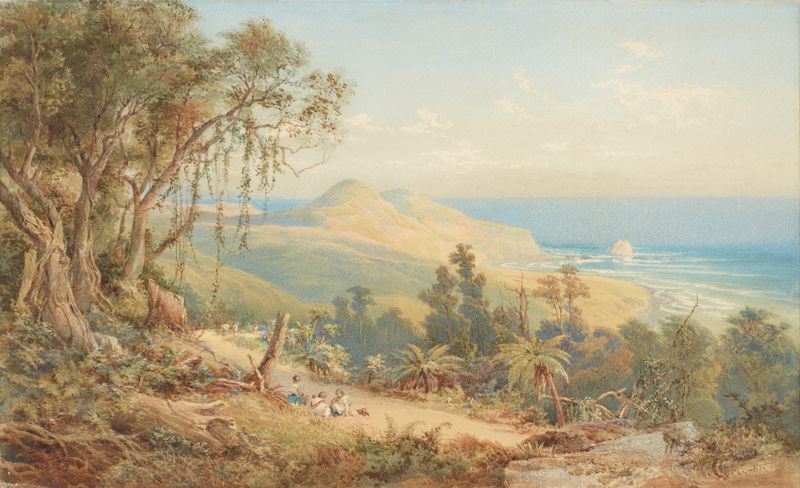
Sandfly Bay, Otago
Nicholas Chevalier

Buckler Burn at the head of Wakatipu Lake
Nicholas Chevalier

Mr MacKellar’s Station, the Waimea Plains, Southland
Nicholas Chevalier
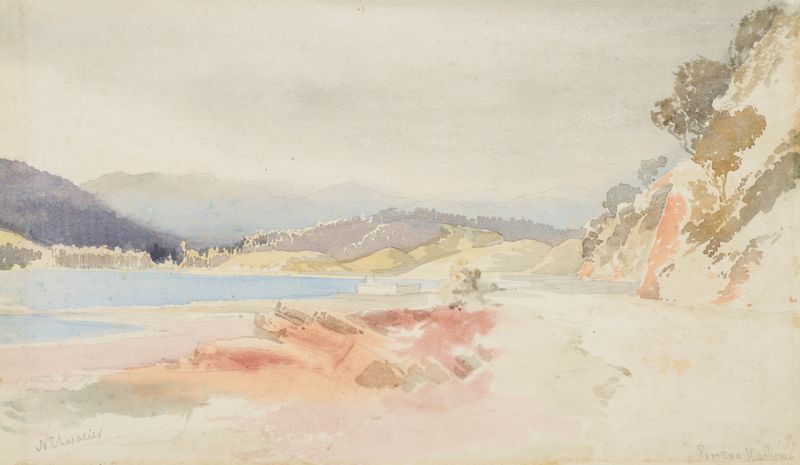
Porirua Harbour
Nicholas Chevalier
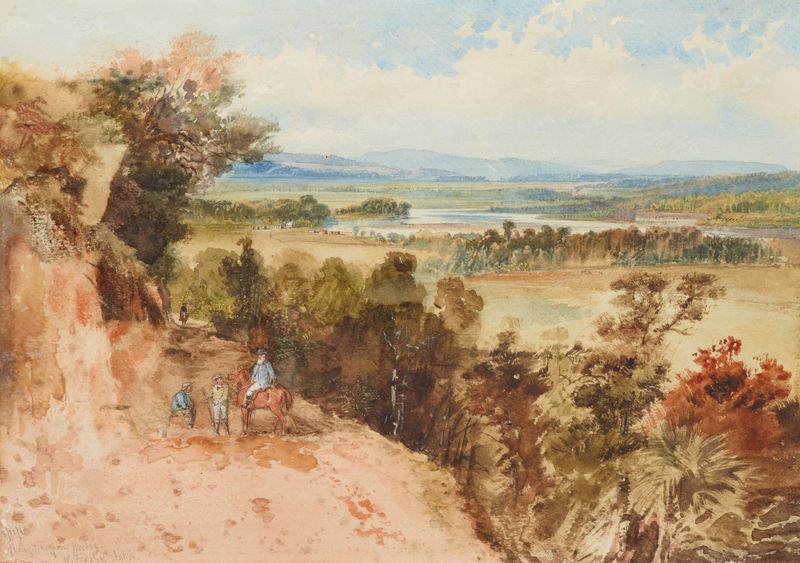
Rangitikei from Westoe, W. Fox Esq’s Station
Nicholas Chevalier

The Upper Rangitikei
Nicholas Chevalier
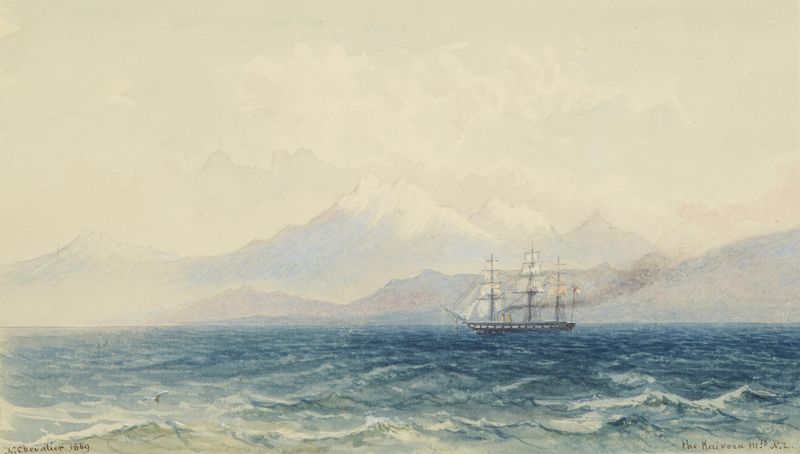
The Kaikoura Mountains, N.Z.
Nicholas Chevalier

Upper Hutt Valley
Nicholas Chevalier

The Tararua Mountains and the Waipoua River
Nicholas Chevalier





