Auf Walhall — History & Facts
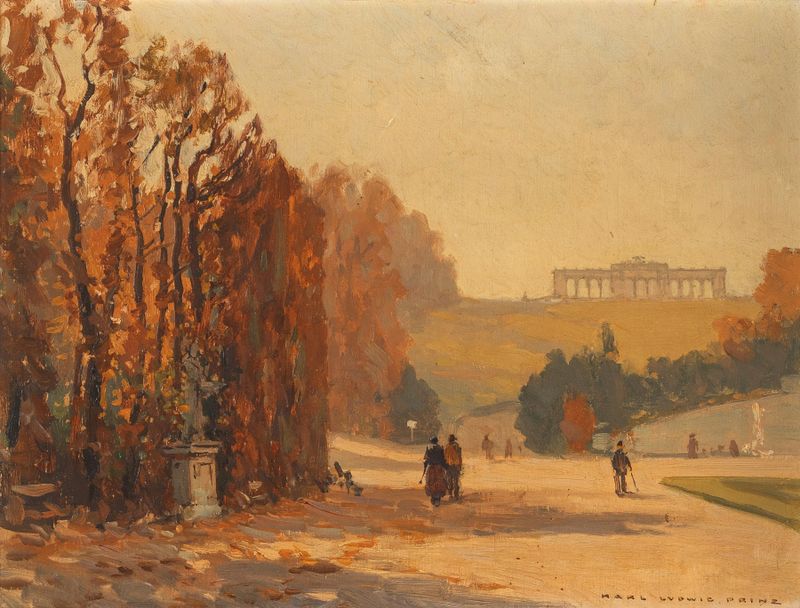
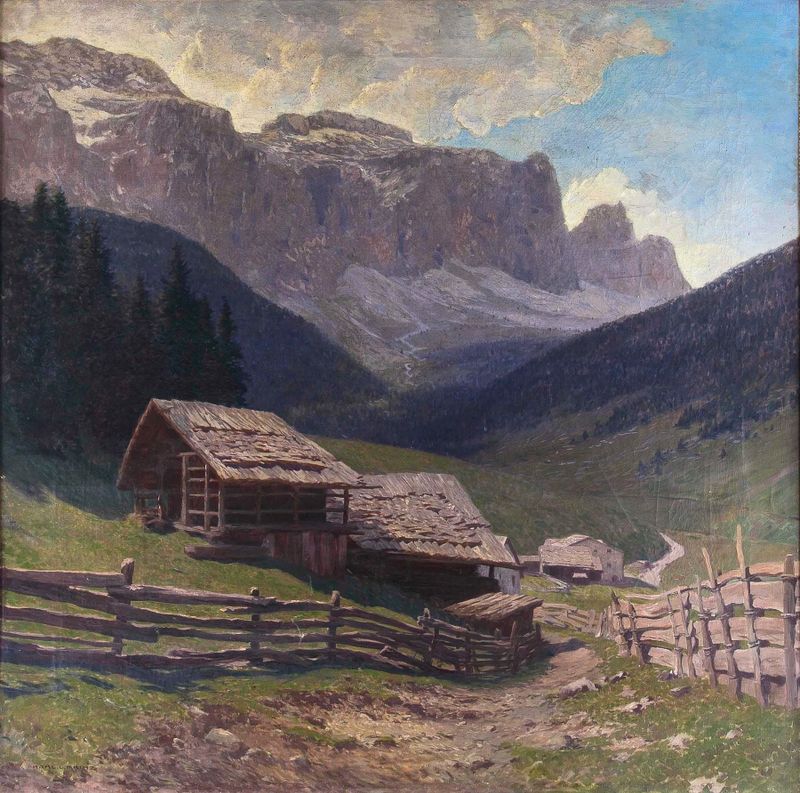
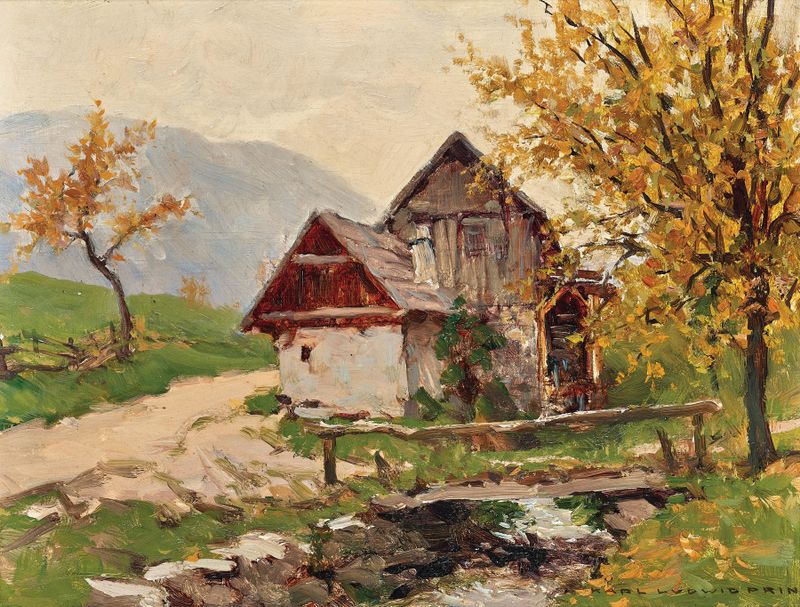
What if beauty was never meant to be finished? In that moment of quiet contemplation, we find ourselves standing before a realm where tranquility reigns, captured in a suspended state of grace. Look to the center of the canvas, where soft, undulating forms cradle the viewer's gaze. The muted palette, awash in gentle blues and greens, invites us to explore the serene landscape that unfolds like a whisper. Notice how the delicate brushwork creates a tactile sensation, blurring the lines between reality and dream, as if inviting us to lose ourselves in its embrace.
The composition flows naturally, leading us through the painted depths as if we are being guided by an unseen hand. Beneath this serene surface lies a tension between stillness and the passage of time. Hidden details—a distant horizon, a solitary figure in contemplation—suggest a world beyond the canvas, prompting reflection on our place within it. The soft interplay of light reveals both the calm and the underlying yearning for connection, hinting at a narrative that whispers of longing without ever fully revealing itself. Created at an indeterminate moment in Karl Ludwig Prinz’s life, Auf Walhall reflects a period rich with artistic exploration.
Operating in a milieu where Romanticism’s embrace of nature and emotion shaped many artists, Prinz’s work resonates with his quest for deeper understanding. While specific details about his circumstances remain elusive, the painting captures an essence of serenity that speaks to the universal human experience, transcending its time.