Aus der Untersteiermark — History & Facts
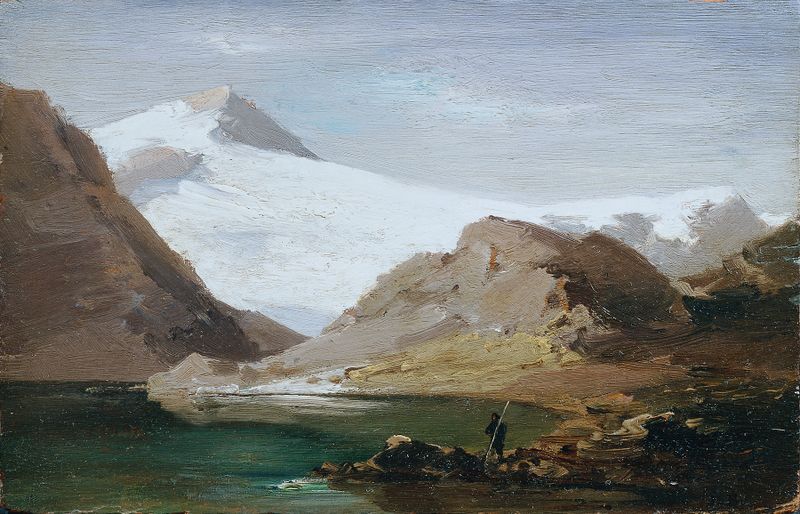
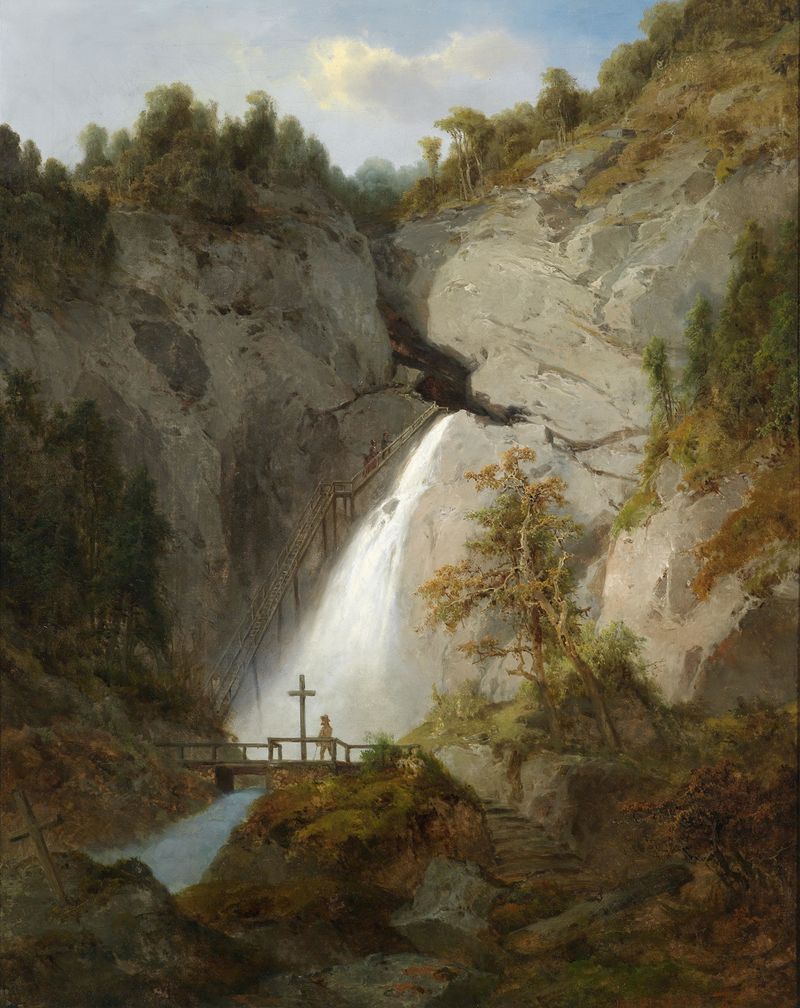
Can paint confess what words never could? The silence captured within the strokes of Aus der Untersteiermark invokes a profound emptiness that speaks of uncharted emotions and landscapes left unsaid. Focus on the sweeping hills and valleys that unfold in the background. Notice how the muted earth tones—ochres and greens—blend seamlessly, evoking a sense of both tranquility and solitude. The sky, a gentle wash of soft blues and grays, hints at an impending twilight, merging with the horizon where land and sky embrace in a silent conversation.
The meticulous brushwork gives texture to the landscape, drawing the eye toward the quiet, expansive vistas that seem to reach beyond the canvas. Within this stillness lies a profound tension. The absence of human figures amplifies the sense of isolation, inviting contemplation on the coexistence of beauty and solitude. The desolate fields are imbued with a weight of memory, suggesting that the land has witnessed countless stories, yet remains forever untouched.
This duality of allure and emptiness resonates deeply, reflecting the artist's understanding of the sometimes unspoken complexities of life. Created between 1885 and 1886, Aus der Untersteiermark emerged during a time when Joseph Brunner was deeply influenced by the Romantic ideals of nature and emotion in art. Living in the Austrian countryside, he was surrounded by breathtaking landscapes, which inspired a longing to capture the essence of his environment. At this juncture, European art was shifting towards Impressionism, yet Brunner's work remained rooted in the clarity and detail of earlier traditions, blending the two worlds with his unique vision.