Maria Loretto am Wörthersee — History & Facts
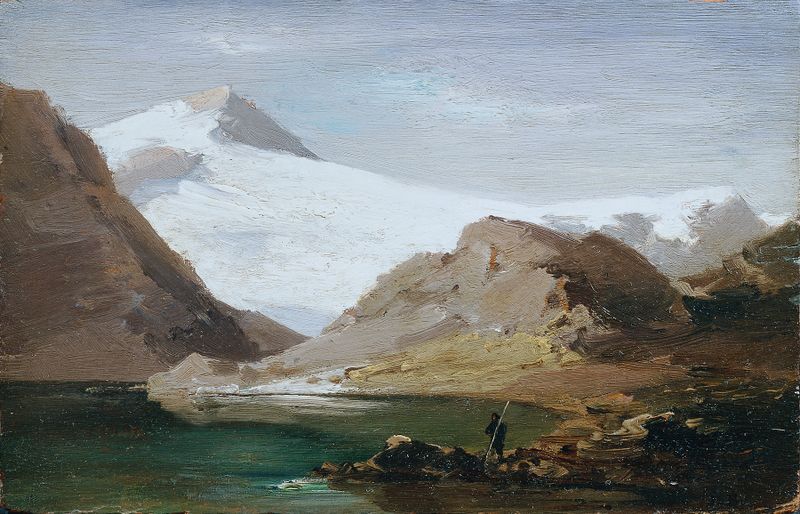
This elusive interplay between light and shadow evokes a haunting resonance, inviting the viewer to explore the layers beneath its surface. Focus first on the gentle ripple of the water, where the shimmering reflections play tricks on the eye. Notice how the light dances across the scene, illuminating the serene surroundings of lush greenery and distant hills in a soft embrace. The palette, rich in greens and blues, soothes, while hints of gold infuse the landscape with a warmth that suggests an underlying melancholy—a reminder that tranquility often carries unspoken weight. As you delve deeper, consider the contrasts within the work: the vibrant vitality of nature juxtaposed with the stillness of the water.
The delicate balance between light and shadow suggests a fleeting moment in time, capturing both beauty and fragility. Each brushstroke reveals an emotional depth, hinting at secrets held by the stillness of the lake, reflecting not only the splendid scenery but also the complexities of human experience. Joseph Brunner likely painted this piece during a time when his life was intertwined with the natural splendor of the Wörthersee region. Although the exact date remains uncertain, his work aligns with the late 19th century, a period marked by a growing interest in Impressionism.
This movement emphasized light and atmosphere, and Brunner’s interpretation reveals his pursuit of capturing the ephemeral beauty of the world around him.