Ausmalung — History & Facts
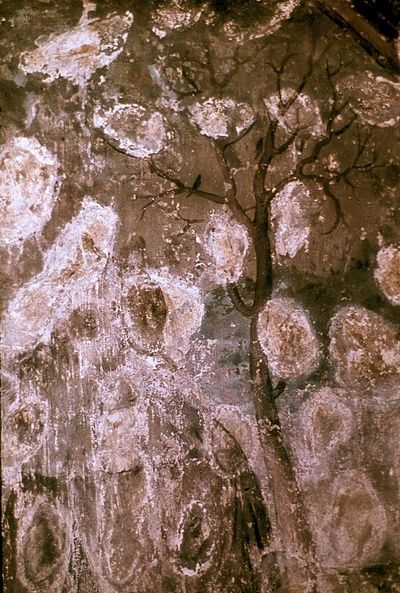
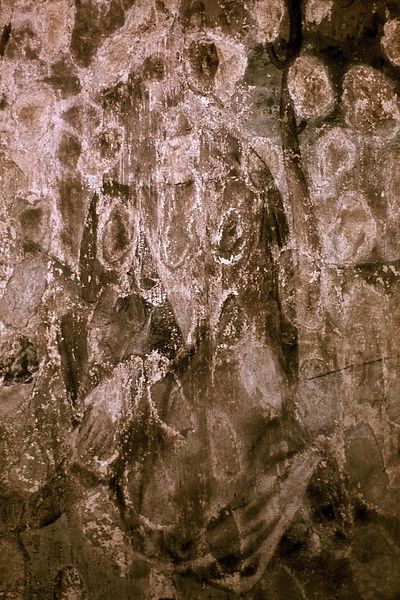
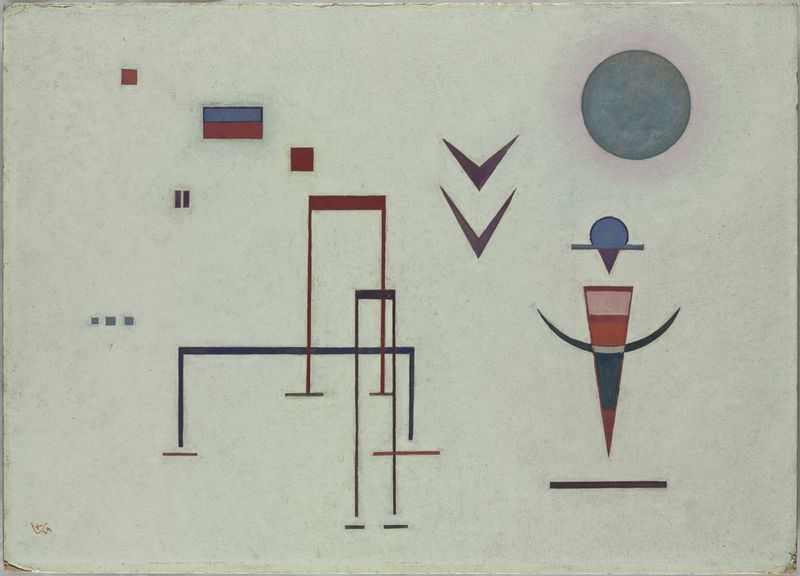
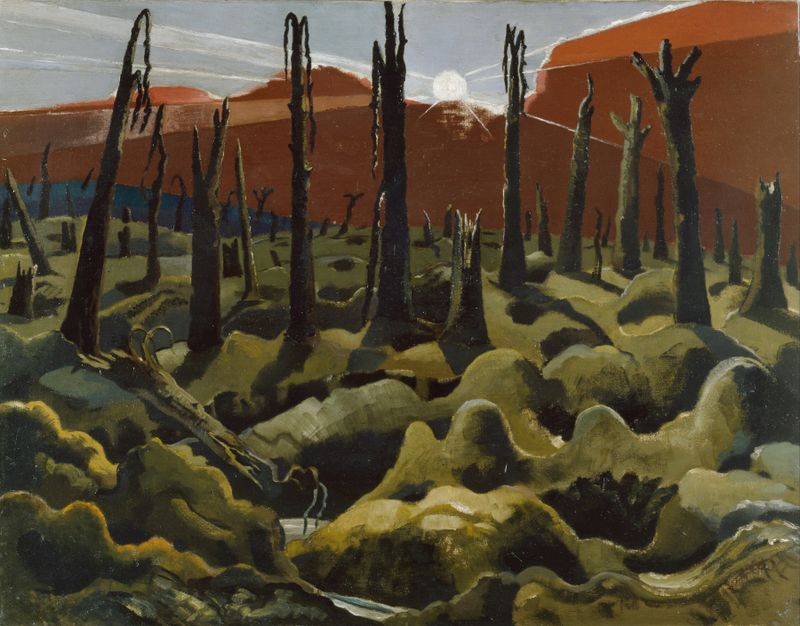
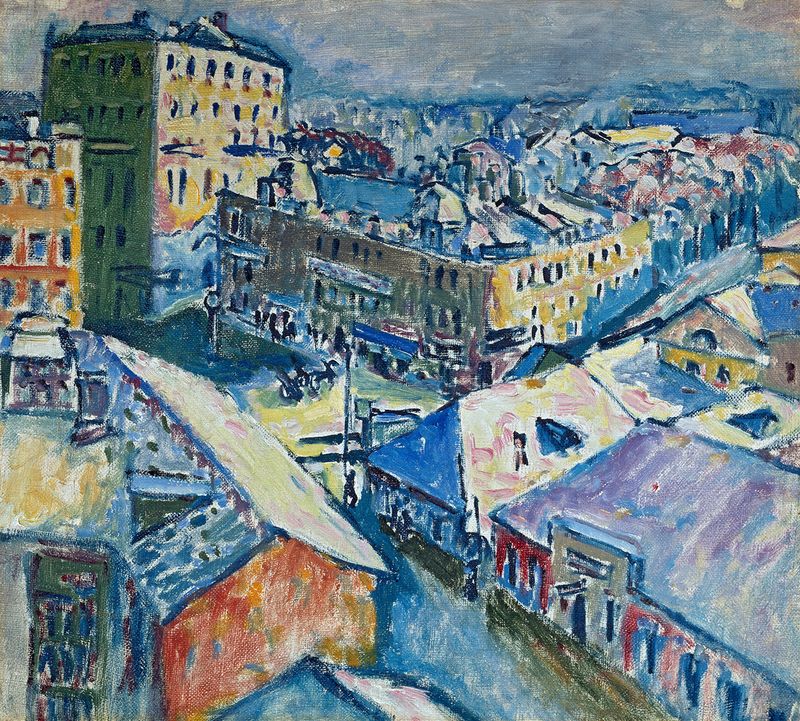
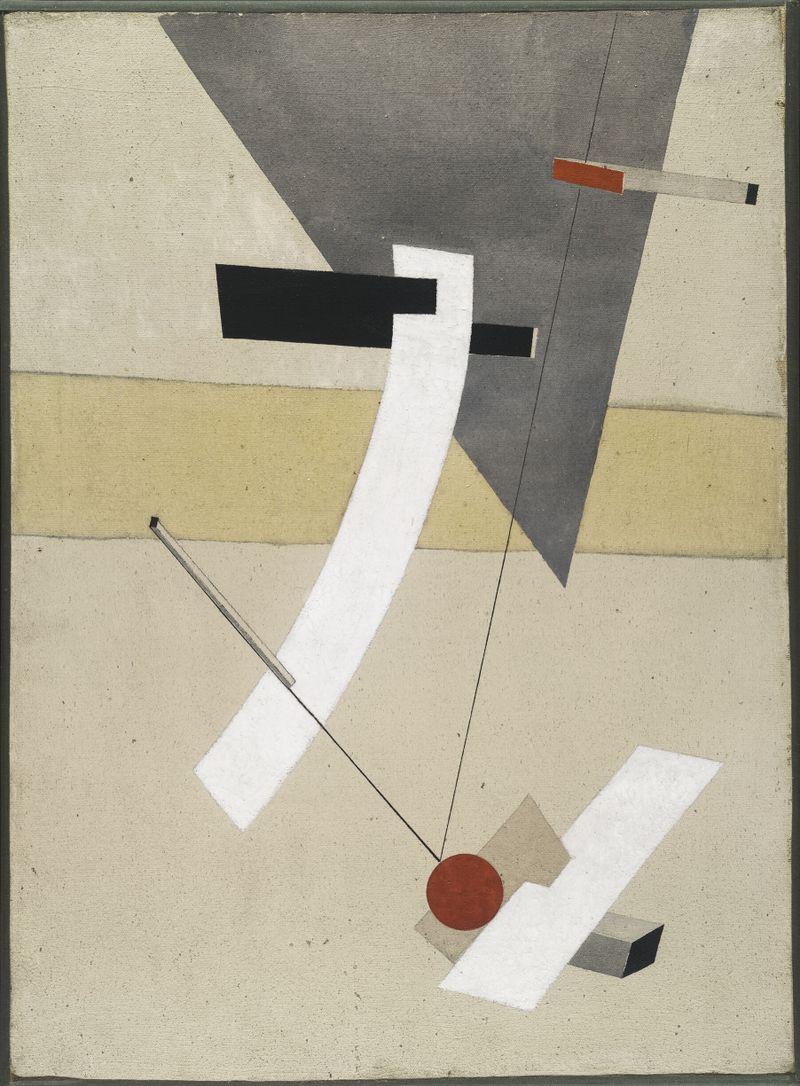
In the heart of Ausmalung, a delicate tension emerges, challenging the viewer to discern the balance between light and shadow, joy and sorrow. Look to the center of the canvas, where a radiant golden hue captivates the eye, emanating warmth and allure. Surrounding this luminous core are intricate patterns, swirling and intertwining like the complexities of human emotion. The artist deftly employs a palette of deep blues and muted earth tones that juxtapose the gilded warmth, creating a visual harmony that invites contemplation.
Each brushstroke is intentional, guiding your gaze to the interdependencies within the composition, suggesting that beauty itself is inherently linked to the darker aspects of existence. As you explore further, notice how the contrasting elements reflect the duality of life. The vibrant sections, glowing in gold, speak to moments of celebration and ecstasy, while the darker tones whisper of introspection and unresolved feelings. This interplay hints at the fragility of happiness, reminding the viewer that each moment of light is inevitably shaped by the shadows that precede it.
It urges a recognition that balance is not merely a state of being, but a delicate dance of opposing forces. The exact period in which the artist created this work remains elusive, yet it resonates with the zeitgeist of a time when art was grappling with profound existential questions. Living in a world increasingly aware of its own complexities, the artist navigated themes of duality and balance. This work reflects the artist’s pursuit of a visual language that encapsulates the tensions of their era — a quest to find harmony amidst the chaos.