Ausmalung — History & Facts
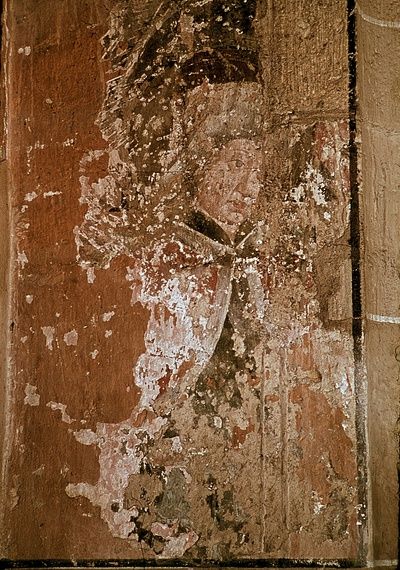
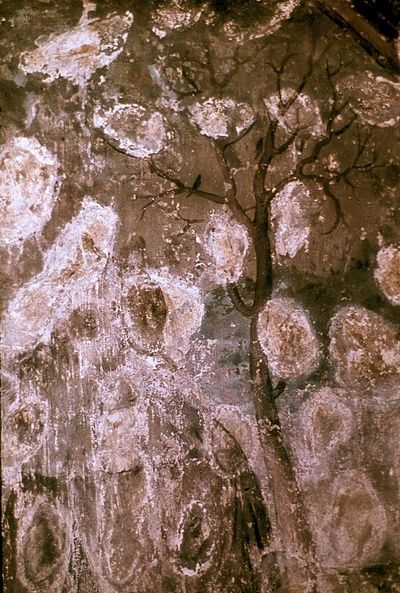
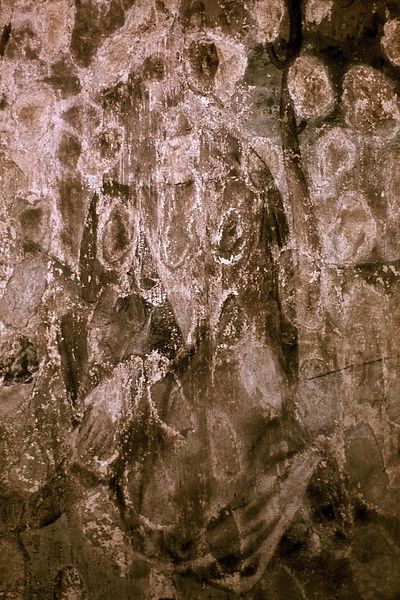
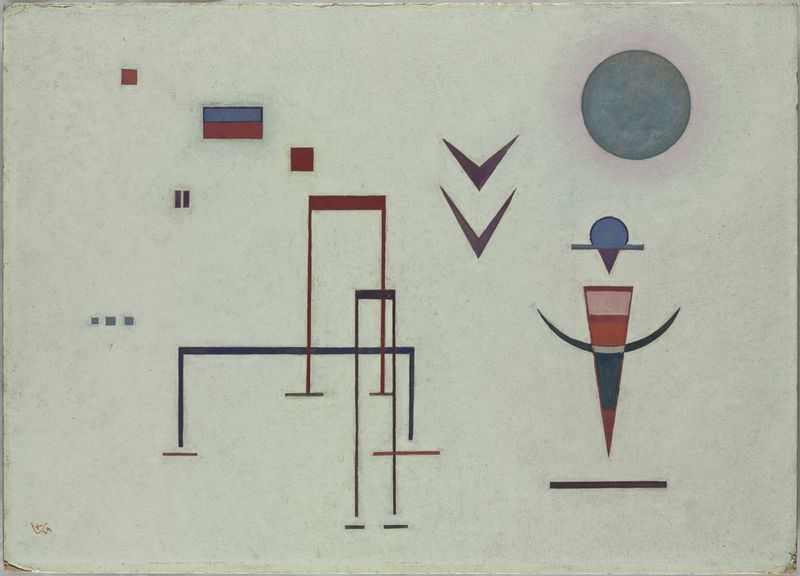
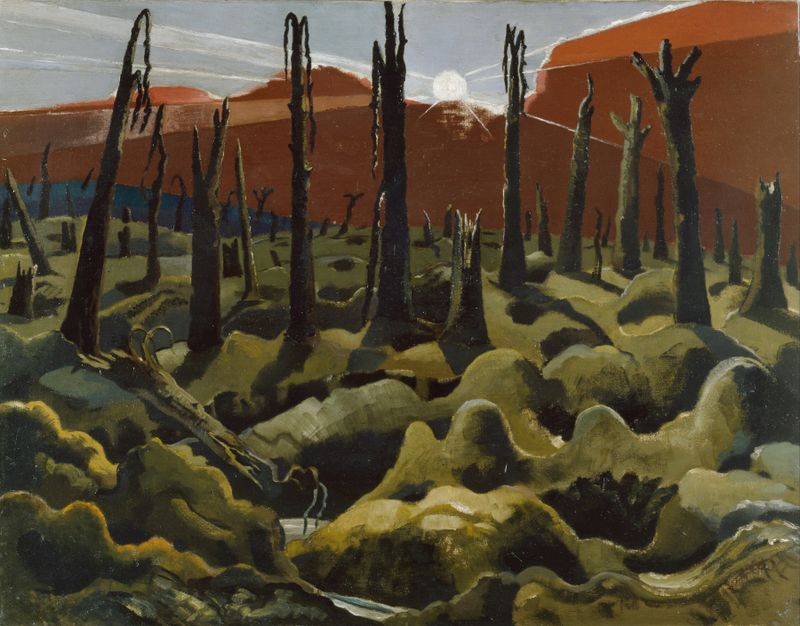
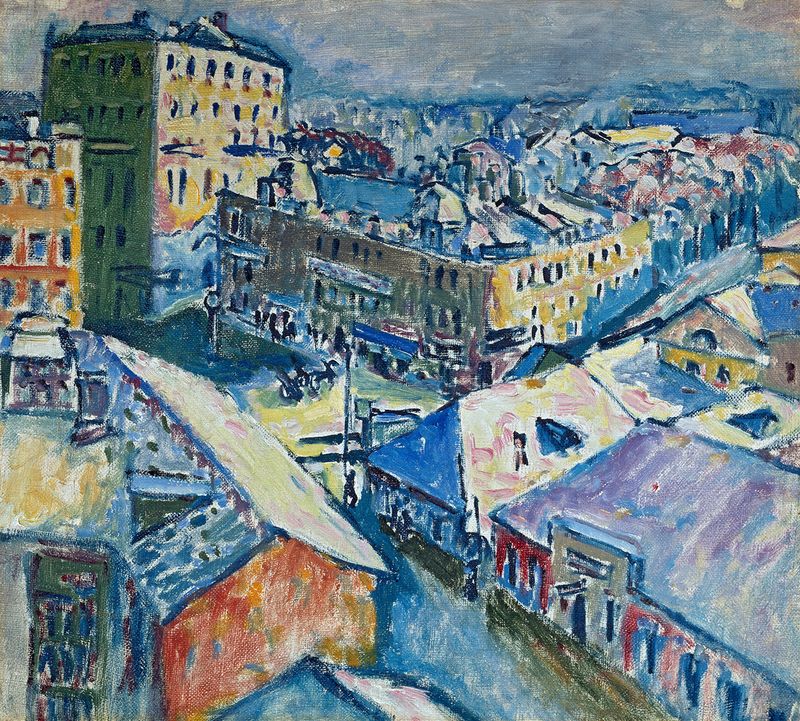
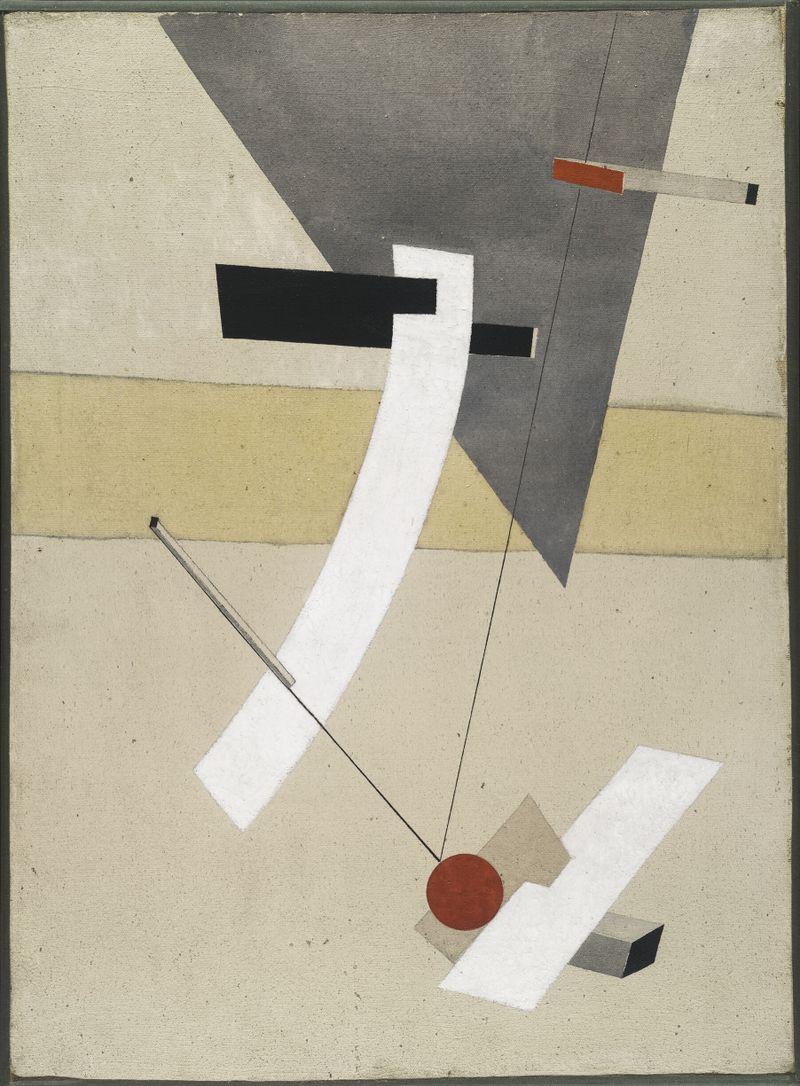
The dance of color and form reveals a dynamic interplay, inviting both the eye and the soul to find beauty in movement. Focus on the swirling patterns that dominate the canvas, where vibrant hues collide and intertwine. Notice how the bold strokes create a rhythm that draws you in — the brushwork pulsating with energy, as if the colors are alive, twisting and turning in an unending ballet. The interplay of light and shadow enhances the depth, making certain elements leap forward while others recede, creating a visual tension that propels the viewer through the artwork. Look closely at the delicate nuances within the chaos.
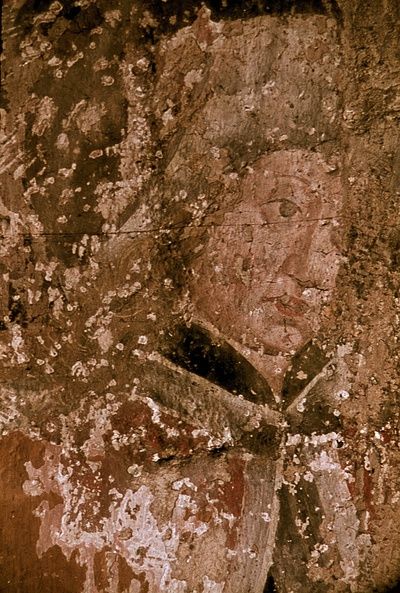
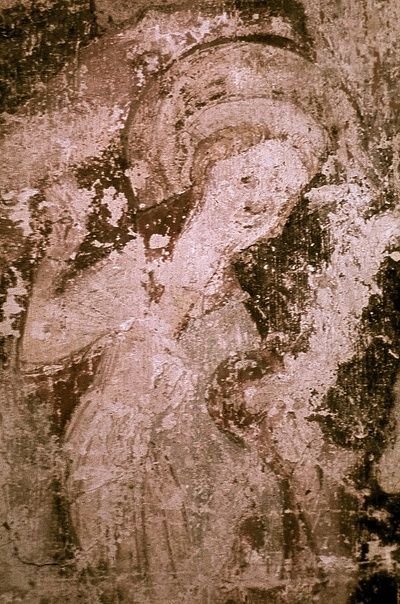
The juxtaposition of soft pastels against striking, bold colors evokes an emotional tumult, suggesting a struggle between order and disarray. Hidden details, perhaps faces or forms, emerge from the vibrant chaos, reminding us of the humanity behind every brushstroke. This complexity invites introspection, challenging the viewer to reconcile the discordant elements into a cohesive whole. Wolf Voigt created Ausmalung during a period of exploration and innovation in the art world, where boundaries were being pushed and traditional forms reevaluated.
The exact date remains unknown, but it reflects a time when artists were increasingly drawn to abstraction and the emotional weight of color. Voigt's journey was marked by a commitment to fluidity and movement, resonating with the broader developments in modern art that sought to capture the essence of experience rather than the mere representation of reality.