Ausmalung — History & Facts
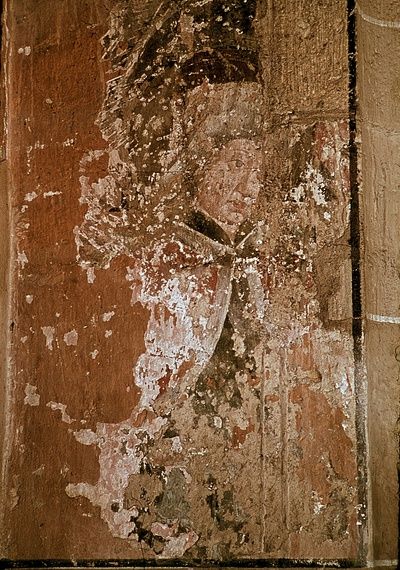
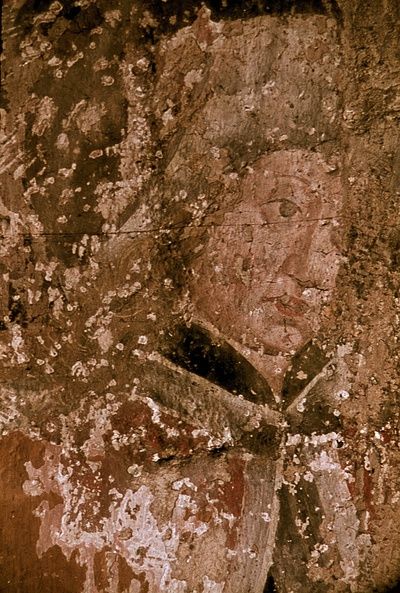
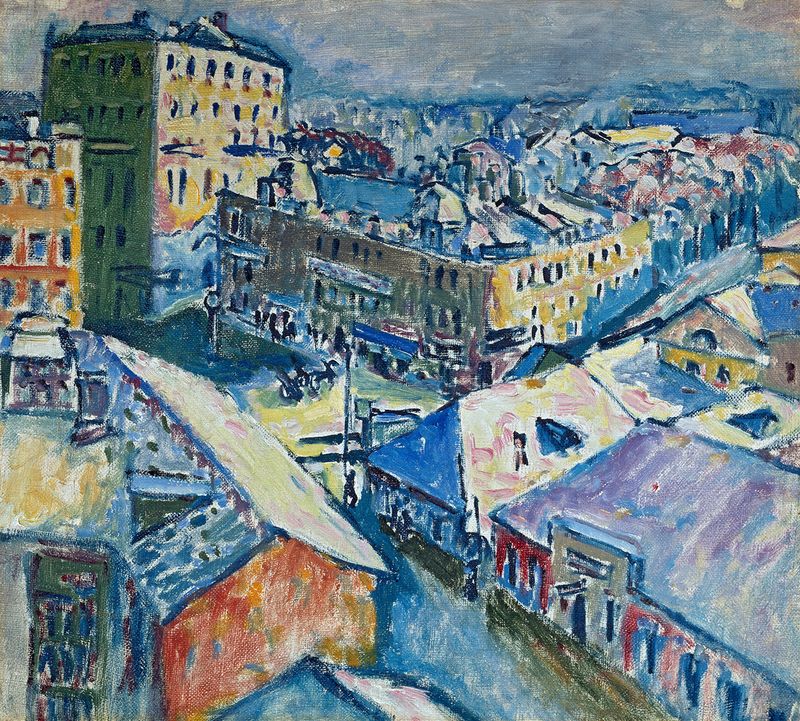
Could beauty survive in a century of chaos? This question resonates deeply within the vibrant strokes and colors of the piece before us, inviting reflection on the resilience of art amid turmoil. Look to the center, where rich hues swirl together in a mesmerizing dance; the bright reds and yellows blend seamlessly with softer blues and greens. These colors do not merely coexist; they pulse with energy, creating a dynamic tension that seems to breathe life into the canvas. Notice how the artist employs sweeping brushstrokes and layered textures to guide the eye, carving a path through the chaos, while allowing moments of stillness to emerge from the dynamic interplay of color. Hidden within the layers are echoes of conflict and harmony, revealing an emotional landscape that speaks to both desperation and hope.
The contrasting colors symbolize the duality of existence—light and dark, joy and sorrow—each blending into the other, suggesting that even in the most chaotic moments, beauty can find a way to flourish. The exuberance of the palette resonates with the viewer, evoking a sense of catharsis and reflection on the complexities of life. Created during an uncertain period, the artist poured their experiences into this work, navigating the tumultuous landscape of contemporary art. While the exact date remains unknown, it is clear that this piece emerged at a time when many sought refuge and meaning through creative expression, a testament to the enduring spirit of art as a beacon of beauty amidst chaos.