Autumn — History & Facts
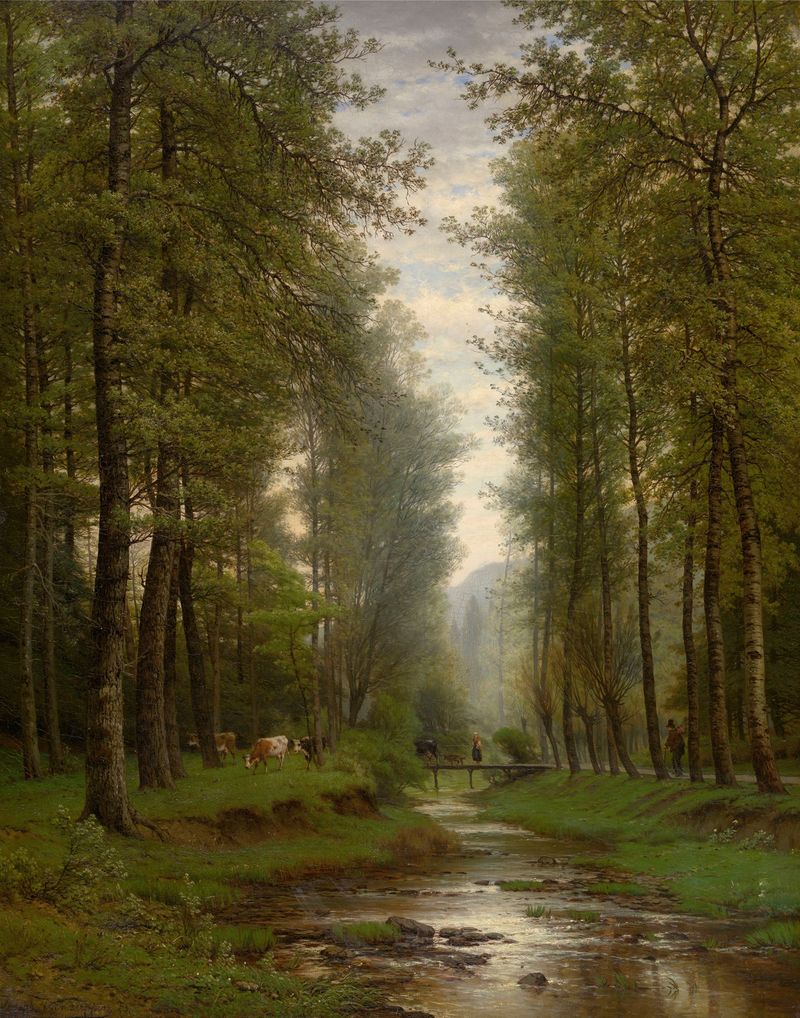
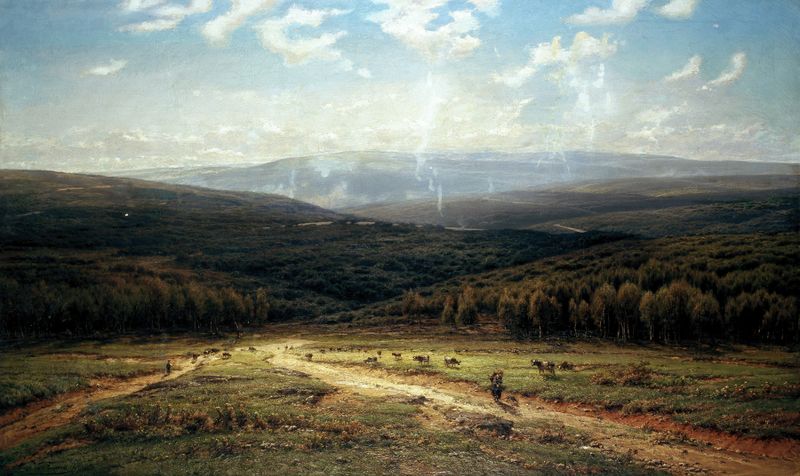
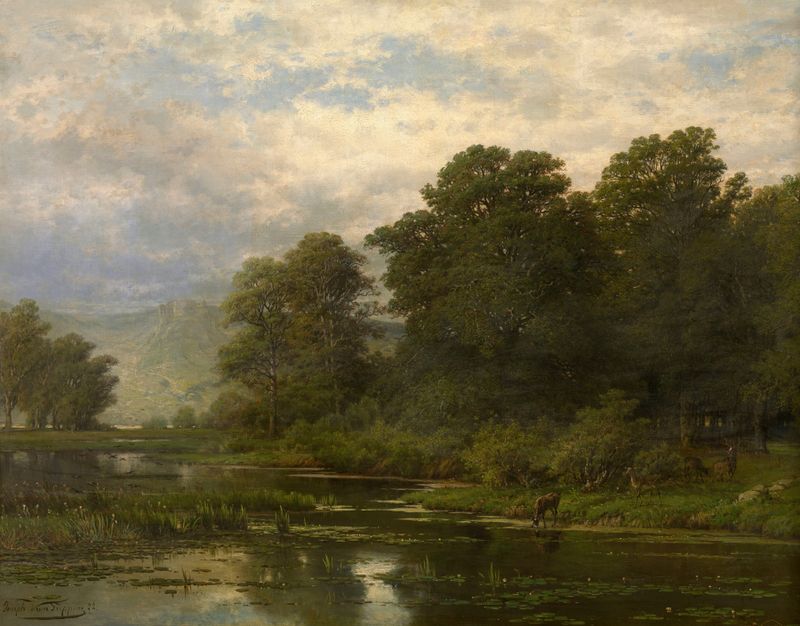
Could a single brushstroke hold eternity? In Joseph Van Luppen's Autumn, time seems suspended, an echo of betrayal woven through the tapestry of color and form. Look to the right at the delicate interplay of amber and ochre leaves, each stroke meticulously crafted to capture their fleeting beauty. The background, a gentle blur of earth tones, enhances the vibrant foreground, inviting the viewer to linger. Notice how the dappled sunlight dances across the foliage, creating a warmth that is both inviting and haunting.
The balance of light and shadow conveys an atmosphere of nostalgia, a longing for what is soon to fade. Within the composition lies an emotional tension, as the vibrancy of the leaves contrasts with the encroaching chill of winter. This juxtaposition hints at the bittersweet nature of change—reminders of past joys mingling with the inevitable sense of loss. Each leaf, though brilliant, bears witness to the season's end; they whisper secrets of betrayal, the betrayal of time that steals away their splendor.
The artwork captures this fleeting moment, urging viewers to reflect on their own experiences of loss and change. Created in 1873, this painting emerged during a period of personal and artistic upheaval for its creator. Van Luppen was navigating the complexities of the post-impressionist movement, seeking to convey deeper emotions through his work. In a world increasingly defined by industrialization and modernity, he poured his reflections of nature and human experience into Autumn, capturing the poignant beauty of transience.