Autumn — History & Facts
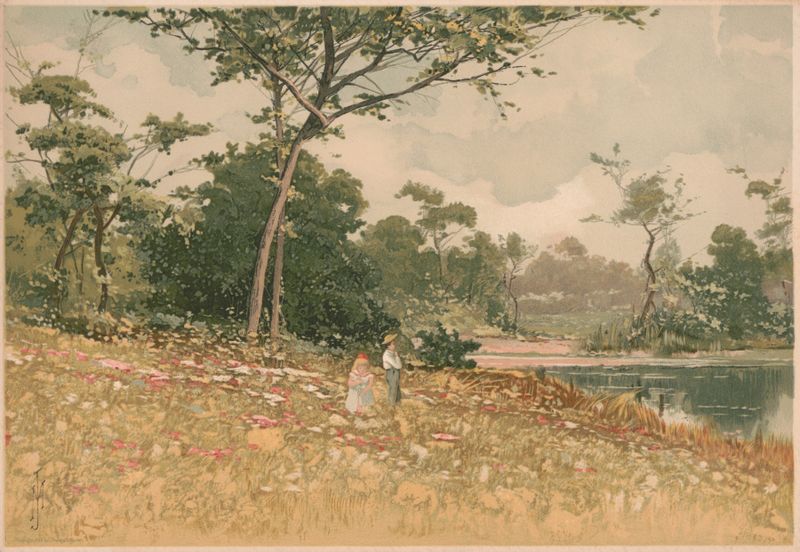
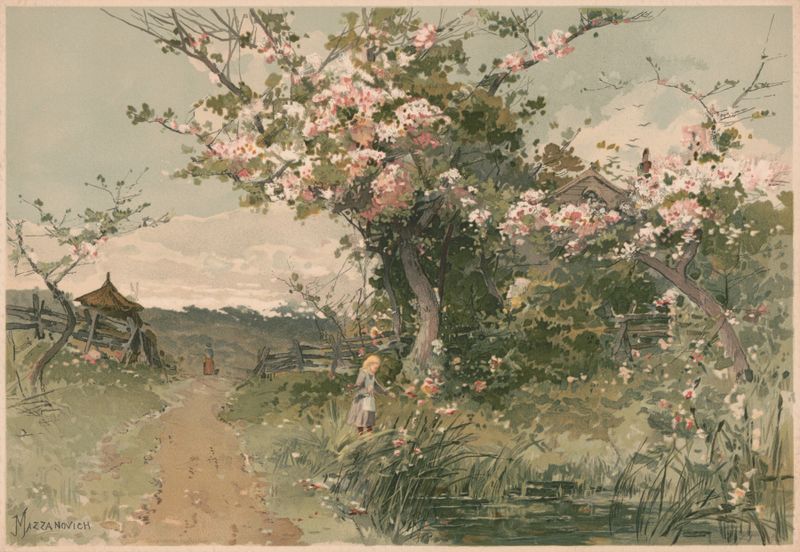
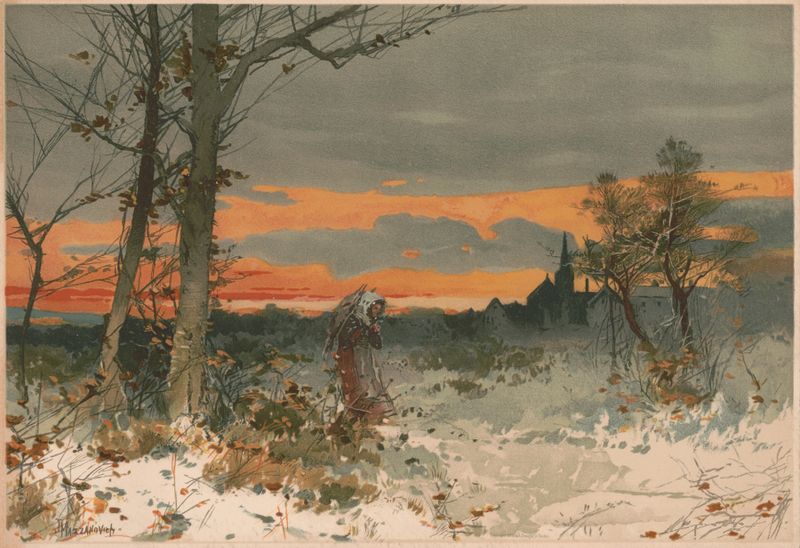
Where does light end, and longing begin? In Autumn, the boundaries blur, inviting us into a world where nature whispers secrets of transition and transcendence. Look to the left at the magnificent burst of gold and amber leaves, their vibrant hues intertwined with the soft, subdued browns of the landscape. The artist's brushstrokes dance delicately, capturing the fleeting beauty of the season in a tapestry of color and texture. Notice how the light filters through the branches, casting a warm glow onto the ground below, which is scattered with fallen foliage, anchoring the viewer's gaze and drawing them into this moment of serene decay. Hidden in the layers of this artwork lies a poignant contrast between fullness and emptiness.
The abundant foliage above suggests life, yet the fallen leaves symbolize loss, a poignant reminder of nature’s cycle. There is an emotional tension in the juxtaposition of the lively colors against the somber reality of winter lurking nearby, evoking a sense of nostalgia and yearning. Each brushstroke seems to capture a heartbeat, a reminder that beauty is fleeting, no more profound than in this delicate balance between the vibrancy of autumn and the inevitability of change. In 1888, J.
Mazzanovich created this piece during a period of growing interest in naturalism, capturing the essence of the seasons. Living in an era where artists were beginning to embrace impressionistic techniques, he sought to translate the environment into a vivid experience. This time of exploration in art reflected societal shifts and a quest for authentic representation, making his depiction of Autumn both a personal and universal reflection of the beauty and transience of life.