Spring — History & Facts
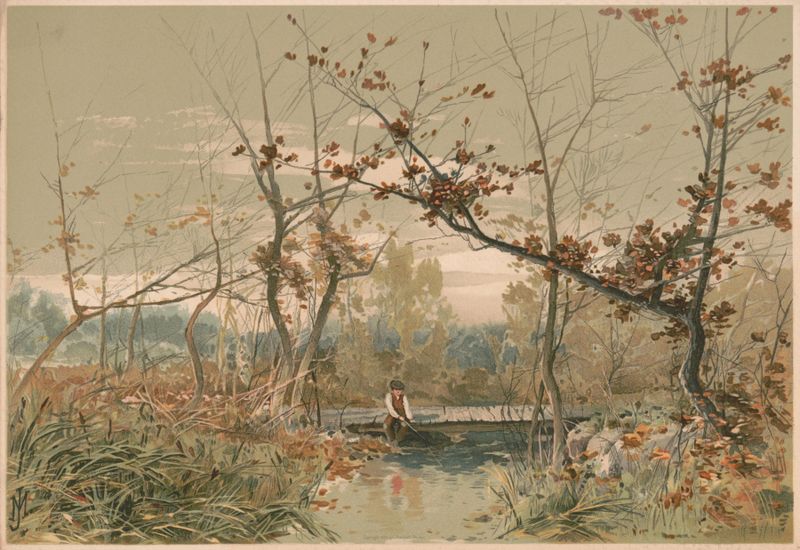
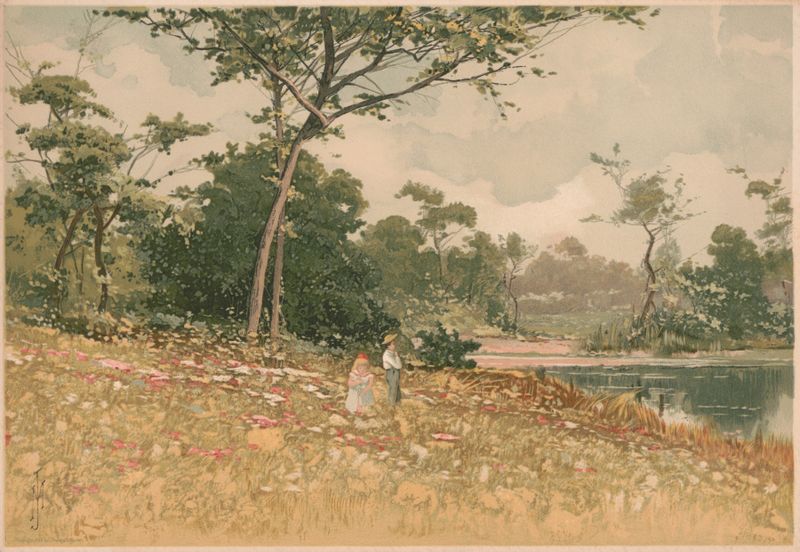
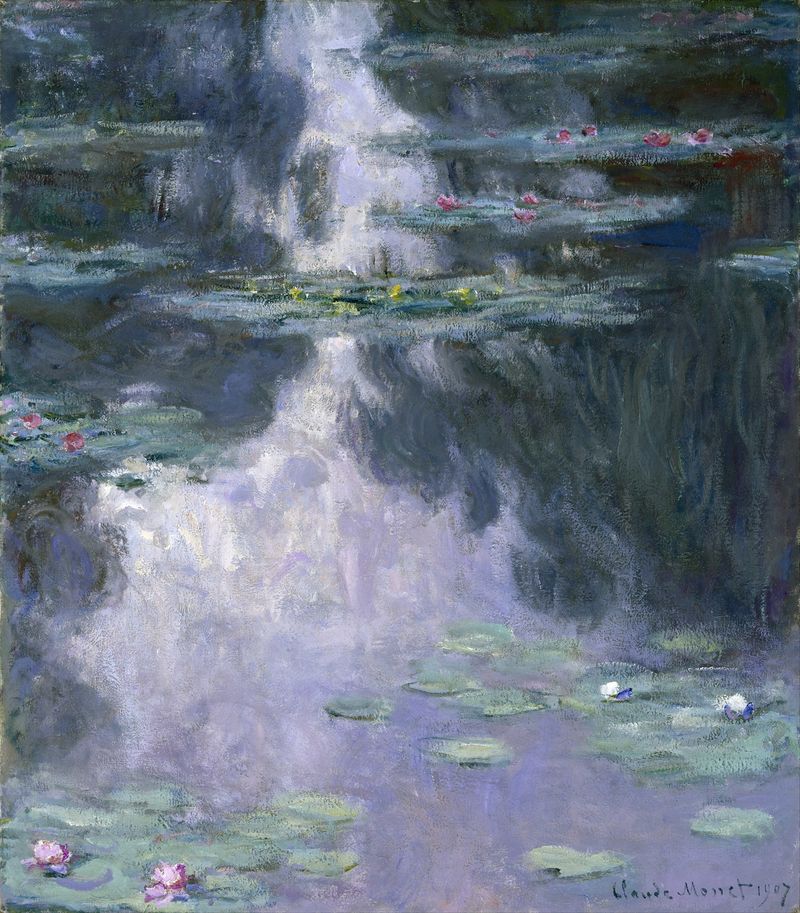
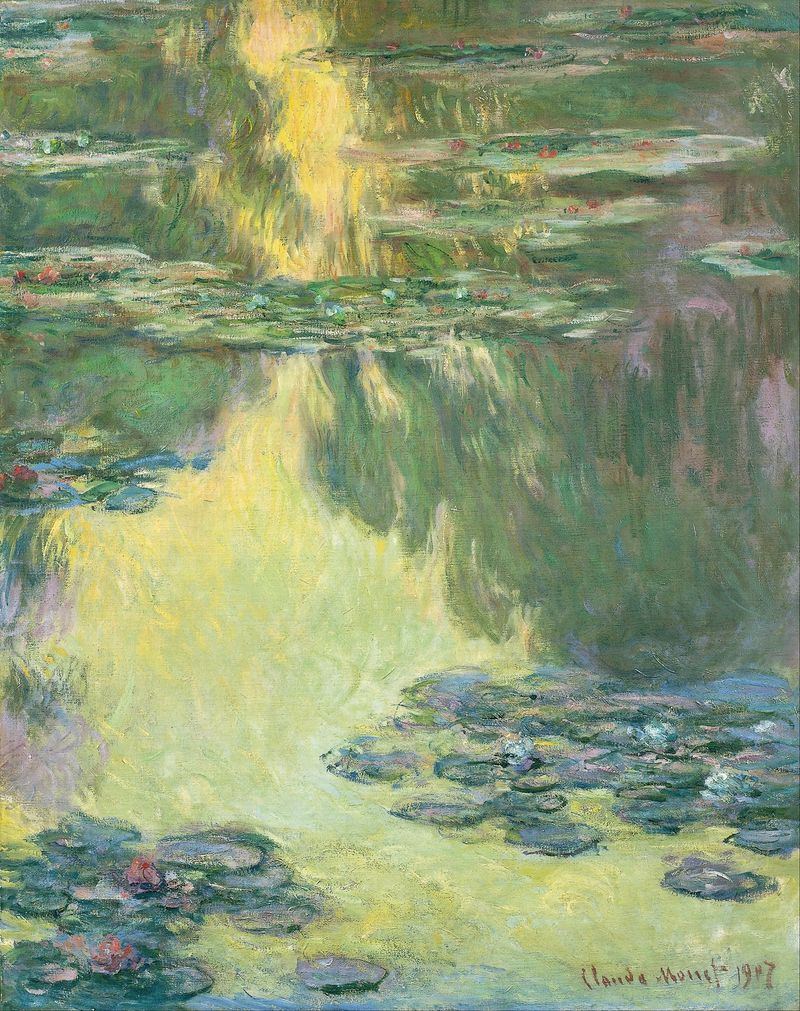
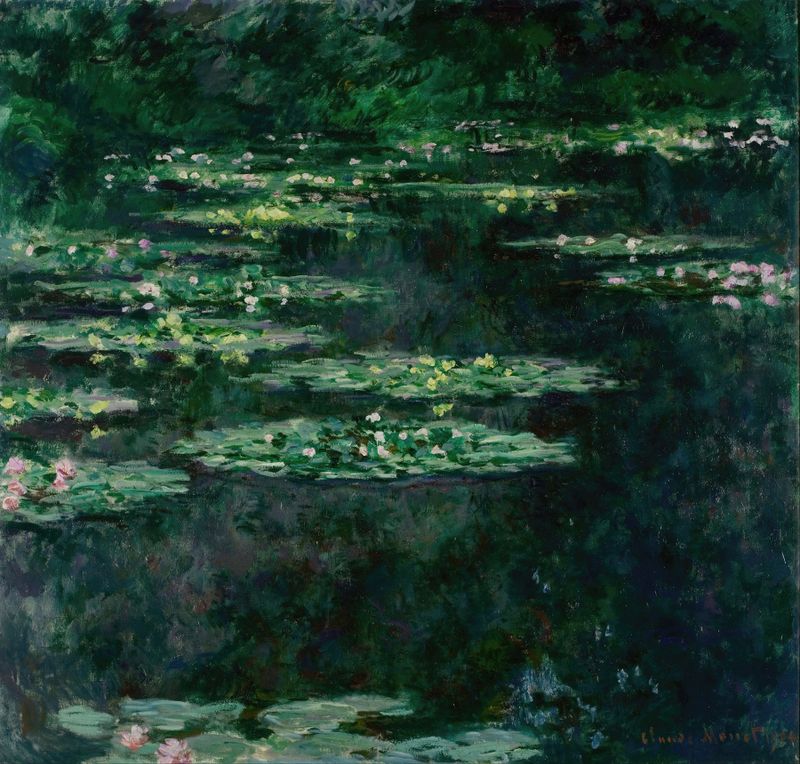
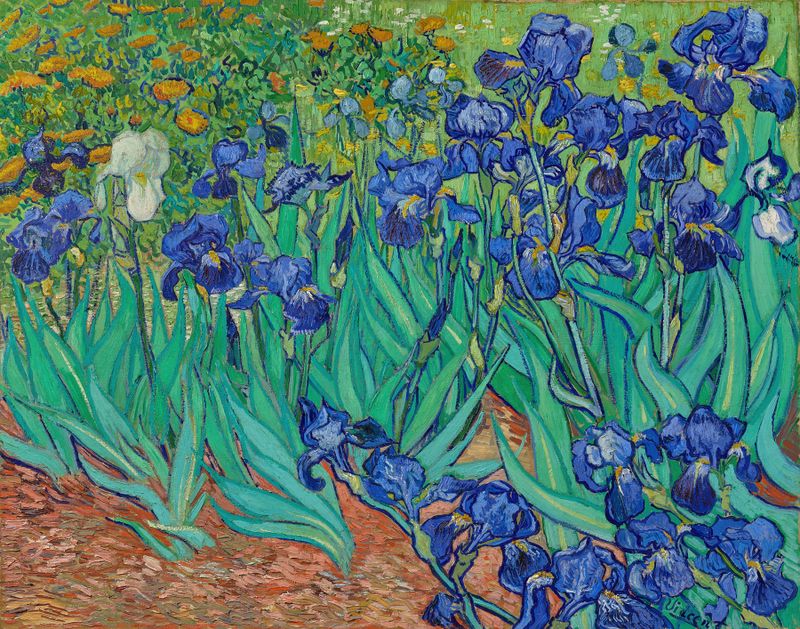
What secret hides in the quiet of the canvas? Beneath the vibrant hues of spring lies an unsettling tension—a whisper of decay woven into the beauty. Look to the center of the composition, where lush greens and blossoming flowers invite your gaze, radiating life. Notice how the brushwork dances between frothy whites and radiant yellows, each stroke revealing the vitality of the season. Yet, glimpses of browning leaves at the edges hint at what is yet to come—a subtle reminder that beauty is transient and frail, even in its peak. Delving deeper, the contrast between the vivid foreground and the muted background speaks volumes.
The bright blooms stand in defiance against the encroaching shadows, symbolizing resilience and the inevitable cycle of nature. These elements create a tension that resonates with the viewer, evoking both joy and melancholic reflection on the fleeting nature of existence. The harmony of color, combined with the organic shapes, serves to celebrate life while acknowledging the underlying decay that is part of the seasonal rhythm. In 1888, J.
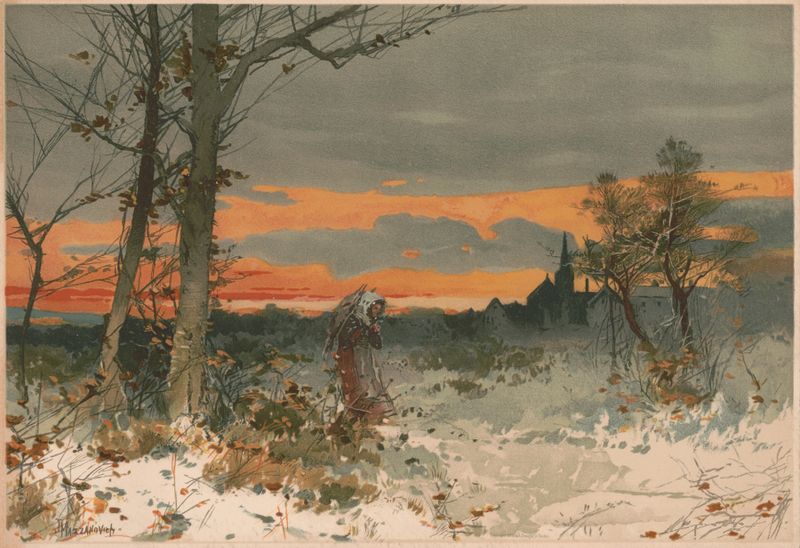
Mazzanovich painted this work during a transformative era for art, where Impressionism and Symbolism began to break traditional boundaries. Living in Europe, he was inspired by the natural world and the changing seasons, reflecting both the vibrancy of life and the impending decay that follows. This duality is captured in Spring, providing a thoughtful commentary on the cycles inherent in nature and human experience.