Autumn — History & Facts
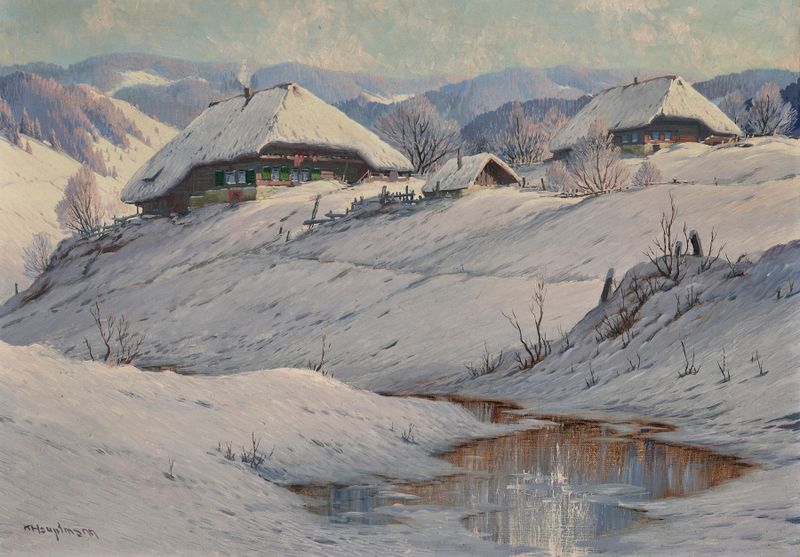
This phrase encapsulates the vibrant interplay of color and form found in Autumn. The canvas bursts with warm hues that evoke the season’s fleeting beauty, inviting us into a world where nature's decay transforms into a symphony of life. Look to the bottom left at the intricately layered strokes of burnt orange and deep crimson, reminiscent of fallen leaves carpeting the ground. Notice how they pulse with energy, drawing your gaze upward to the gentle swirls of gold and amber that capture the light filtering through trees.
The contrast between the bold foreground and the softer background creates a sense of depth and movement, as if the autumn wind stirs the scene, urging the colors to dance. The juxtaposition of vibrant colors against the muted earth tones carries deeper meanings. It speaks to the transient nature of beauty and the poignant reminder of mortality inherent in the seasonal change. The chaotic yet harmonious brushwork mirrors the emotional turmoil that often accompanies change, allowing viewers to reflect on their own experiences of loss and renewal. Karl Hauptmann painted Autumn around 1910 in Germany, a time when the art world was shifting towards modernism.
This period was marked by a quest for new expressions of reality, as artists moved away from traditional forms. Hauptmann, influenced by his surroundings and the evolving artistic landscape, embraced the vibrancy of color and movement, capturing both the physical and emotional essence of a season that symbolizes transformation.