
Autumn — History & Facts
What if beauty was never meant to be finished? Nature exists in a perpetual dance of change, and Autumn encapsulates this delicate balance between creation and decay. Look to the left at the vibrant hues of red and gold that leap from the foliage, as if the trees are aflame with the waning light of the season. Notice how Hill uses sweeping brushstrokes to evoke the movement of leaves fluttering gently to the ground, while the dark, looming clouds above threaten the brilliance below. The composition invites your gaze up and down, creating a dialogue between the treetops and the earth, where the colors soften into earthy browns and muted greens. In this painting, the tension between life and death is palpable.
The flourishing trees stand resolute, yet their drooping branches hint at imminent loss, and the juxtaposition of fiery colors against the somber sky ignites a sense of urgency. Here, beauty is fleeting, and the artist captures this paradox, suggesting that the most profound moments are those that balance on the edge of transformation. In the years between 1876 and 1877, the artist wrestled with personal challenges and mental health issues, seeking solace through his work in the Swedish countryside. During this period, Hill reflected on the changing seasons, a metaphor for life itself, while navigating a world characterized by the rise of Impressionism and a desire for deeper emotional expression.
This painting emerged as a testament not only to nature’s cycles but also to his own quest for balance amidst turmoil.
More Artworks by Carl Fredrik Hill
Browse all →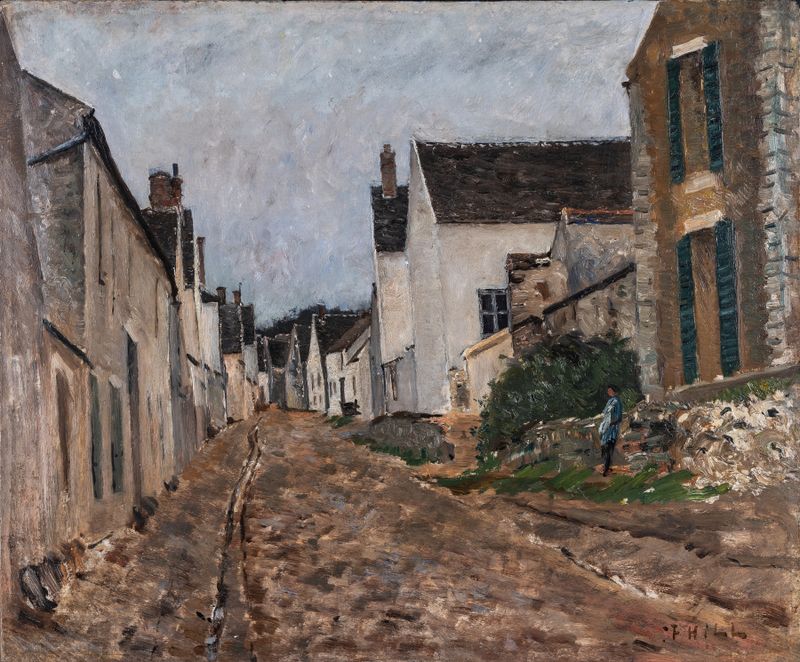
French Village Street, Montigny
Carl Fredrik Hill

The Tree and the River III (The Seine at Bois-le-Roi)
Carl Fredrik Hill
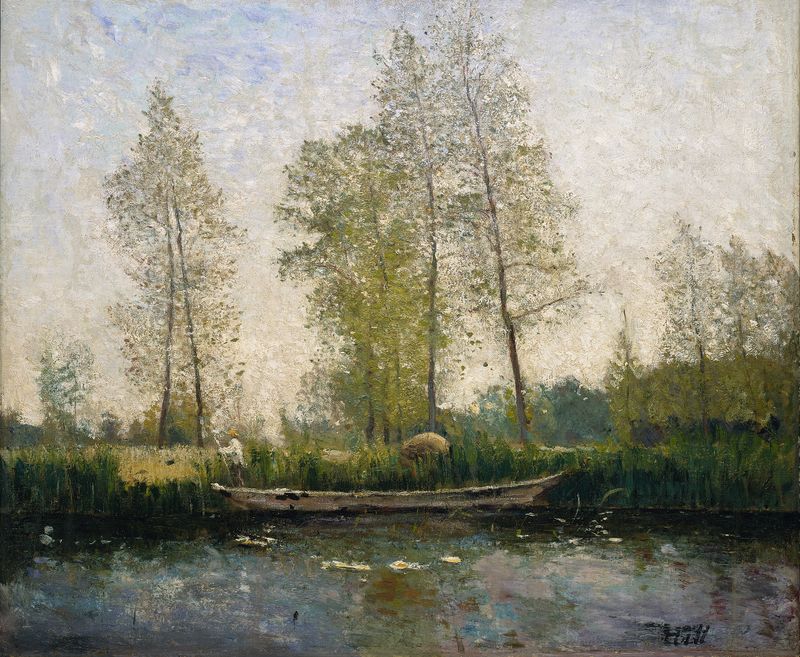
Seine. Motif from St Germain
Carl Fredrik Hill
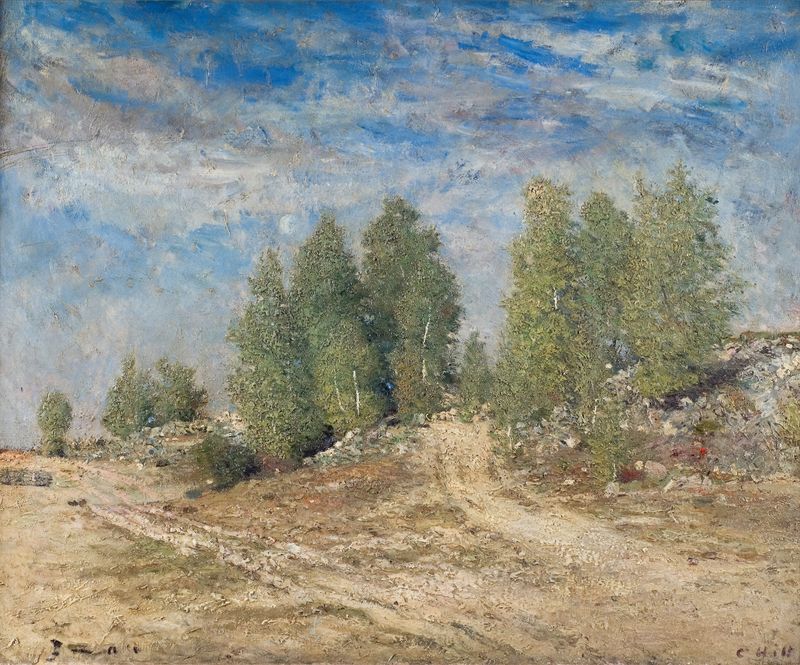
Gravel Slope
Carl Fredrik Hill
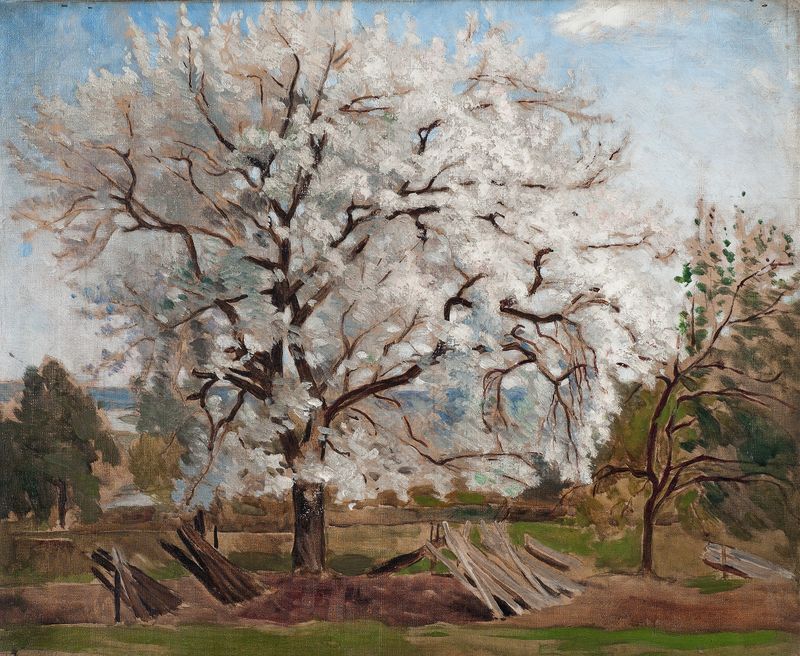
Apple Tree in Blossom
Carl Fredrik Hill
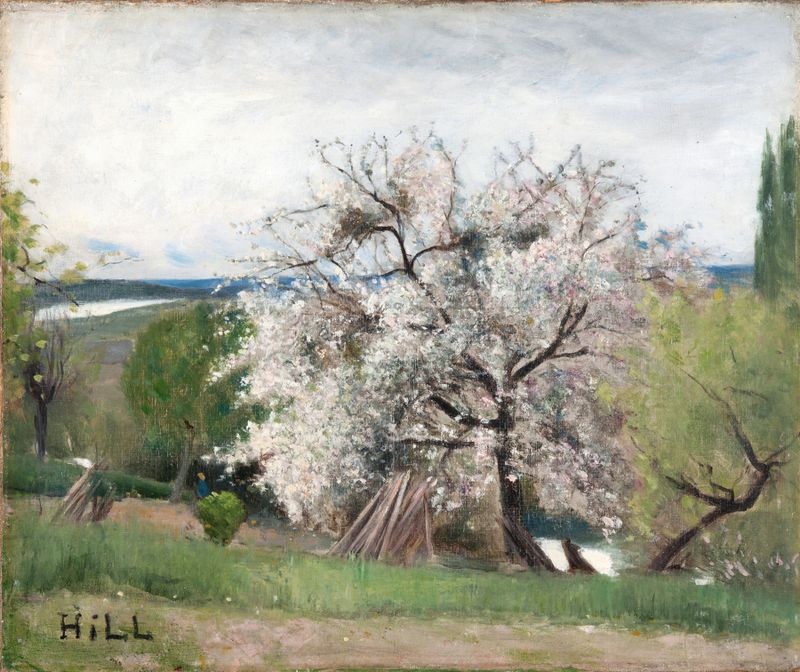
Fruit Tree in Blossom, Bois-le-Roi
Carl Fredrik Hill
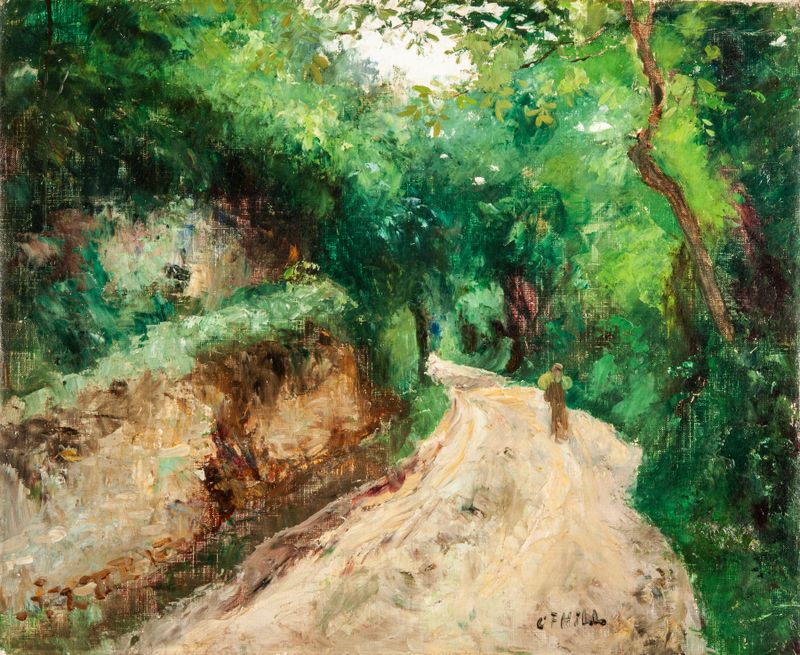
Hollow Road, Fountainebleau
Carl Fredrik Hill
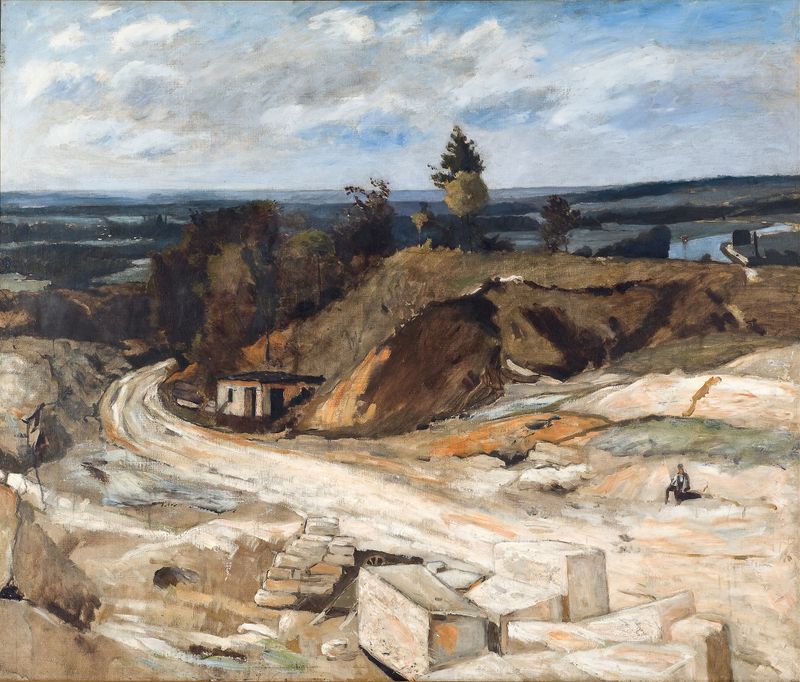
Stonequarry by the River Oise II
Carl Fredrik Hill
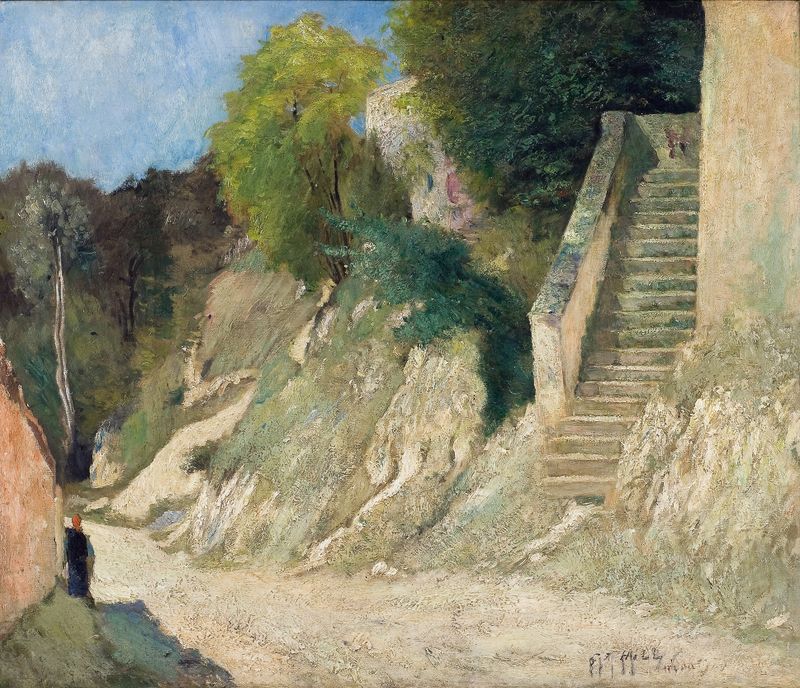
A Steep Ascent in Montigny-sur-Loing
Carl Fredrik Hill
The Beach at Luc
Carl Fredrik Hill





